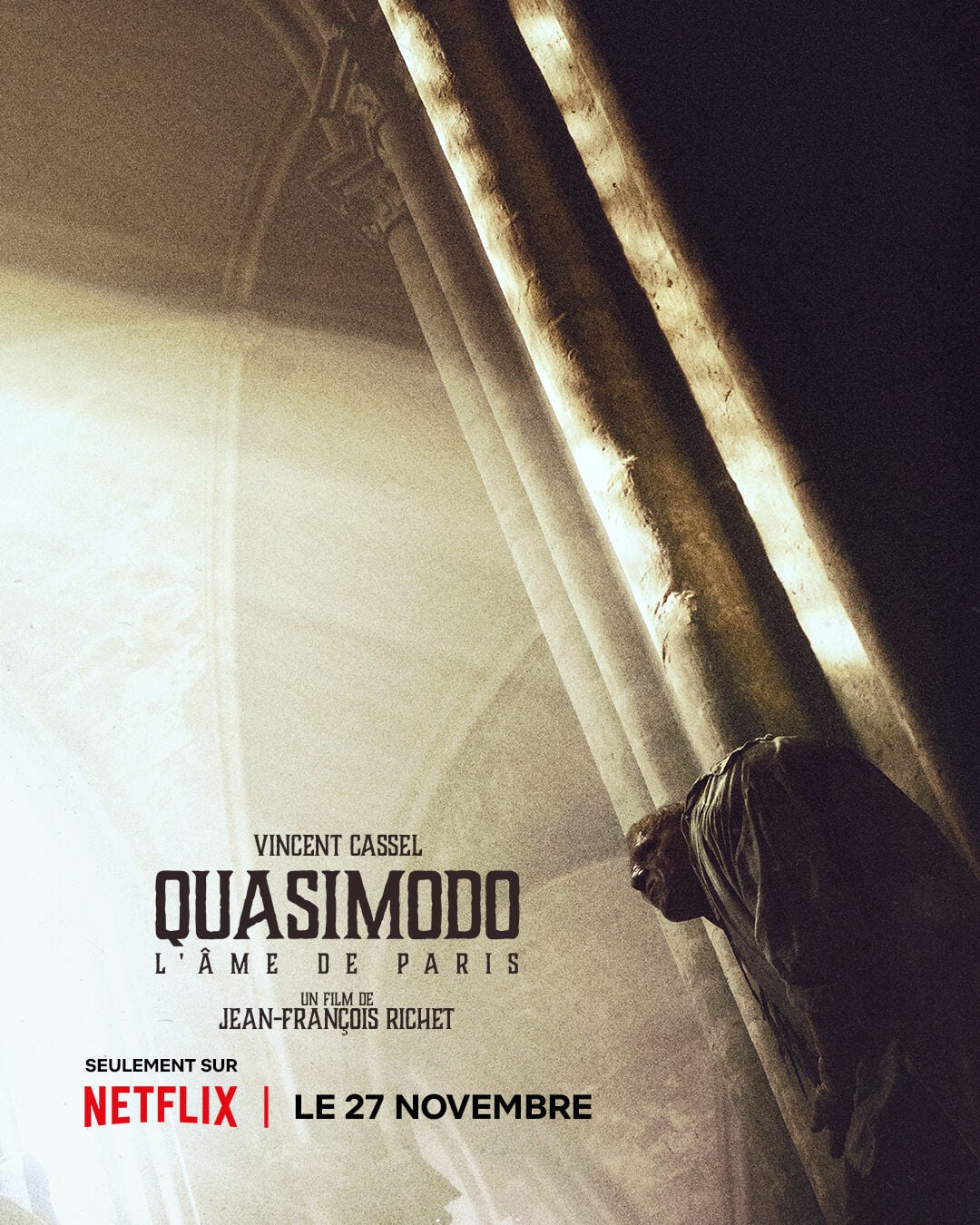
Just weeks after the release of Mutiny, his new Hollywood action outing starring Jason Statham, good old Jean-François Richet is already back with a very different project, this time for Netflix. The French director reunites with Vincent Cassel for "Quasimodo: The Soul of Paris", in which the actor takes on the famous character inspired by Victor Hugo's work. The pair hadn't worked together in nearly 20 years, since the two-part Mesrine, released in 2008 and 2009, which marked their big-screen collaboration. This time, then, Richet sets aside contemporary action and American productions to return to French history, a subject especially close to his heart. And rather than offering yet another adaptation of The Hunchback of Notre-Dame, the director has chosen to imagine the story of Quasimodo himself. Netflix has just unveiled the first images from the film, due on the platform on 27 November 2026.
A story that isn't The Hunchback of Notre-Dame
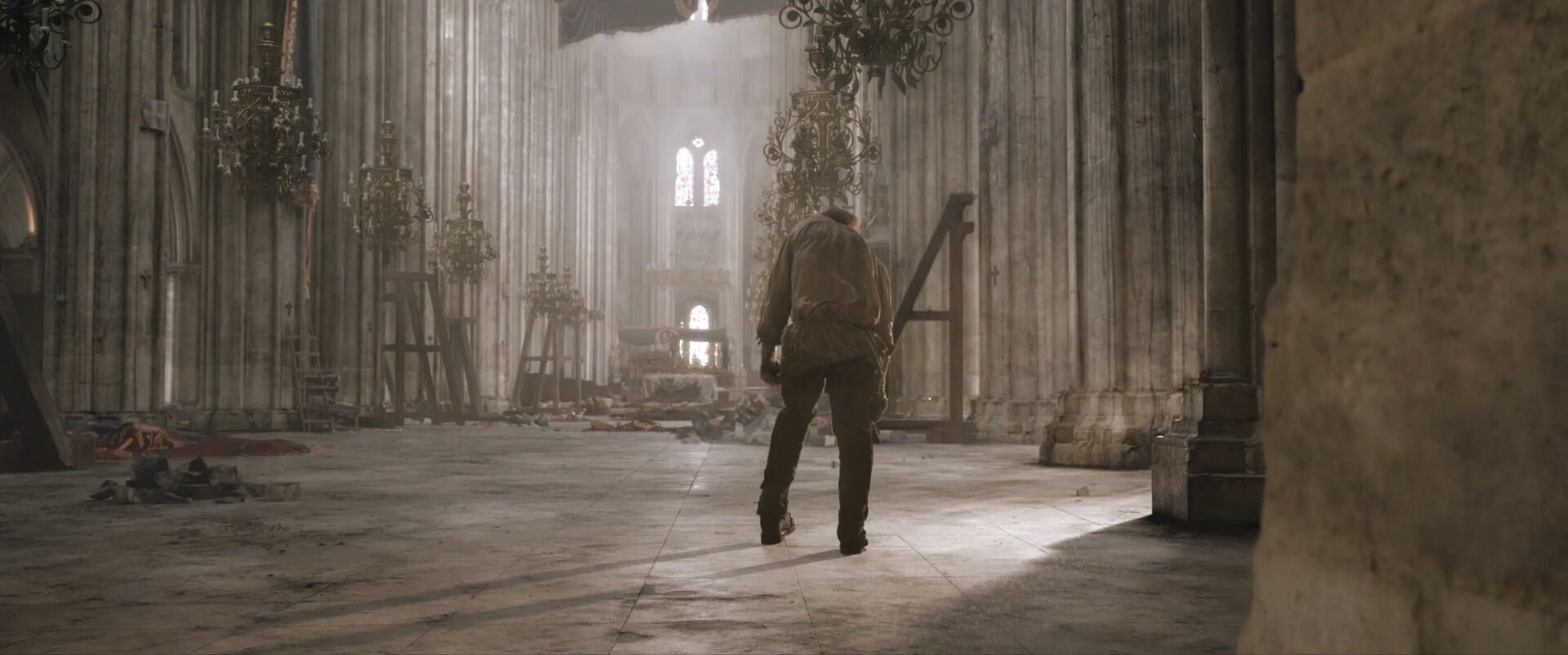
With Quasimodo: The Soul of Paris, Jean-François Richet and his screenwriters aren't out to retell the story of Esmeralda, Frollo and Quasimodo as it appears in Victor Hugo's novel. The idea is rather to imagine the life of the man who might have inspired the writer's famous character. The film is set in Paris on the eve of the July Revolution of 1830, with the city also facing a cholera epidemic. Quasimodo is hunted across the city, not least because his monstrous appearance draws the curiosity of a populace that sees him as a freak. But for Jean-François Richet, his film also has to tell the story of the revolt brewing, of an impossible love, and of medical stakes too. It also draws on the theory put forward by British archivist Adrian Glew, who linked Quasimodo to a stonemason who worked on Notre-Dame and whom Victor Hugo may well have crossed paths with. Richet is careful to point out, however, that the aim isn't to present this theory as historical fact, but to start from a "credible premise rather than a true story".
Vincent Cassel: from heartthrob to horror
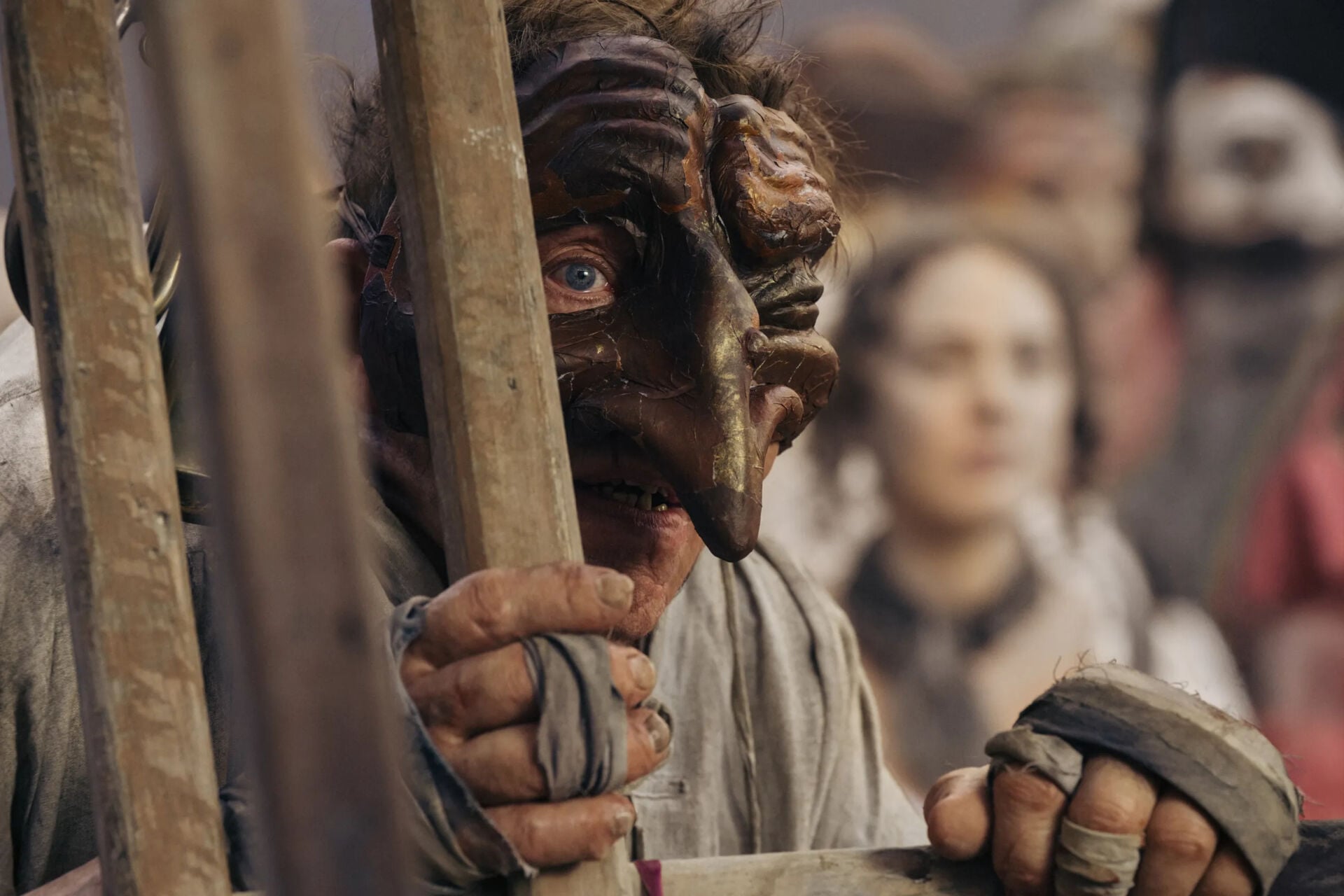
To play Quasimodo, Jean-François Richet quickly thought of Vincent Cassel, with whom he'd already worked on the two Mesrine films. The director recounts getting in touch with the actor when he needed to find his lead in a hurry, asking him to read the script and give his answer a few days later. Cassel eventually said yes, and the first images just released make it clear that Monica Bellucci's ex-husband has been put through the physical wringer. That transformation is obviously one of the film's talking points, even if Netflix is still keeping fairly quiet about how the character develops and how his appearance will be woven into the story. In any case, in the first official still, Quasimodo is wearing a mask.
Karim Leklou, Benjamin Voisin and Daphné Patakia join the cast
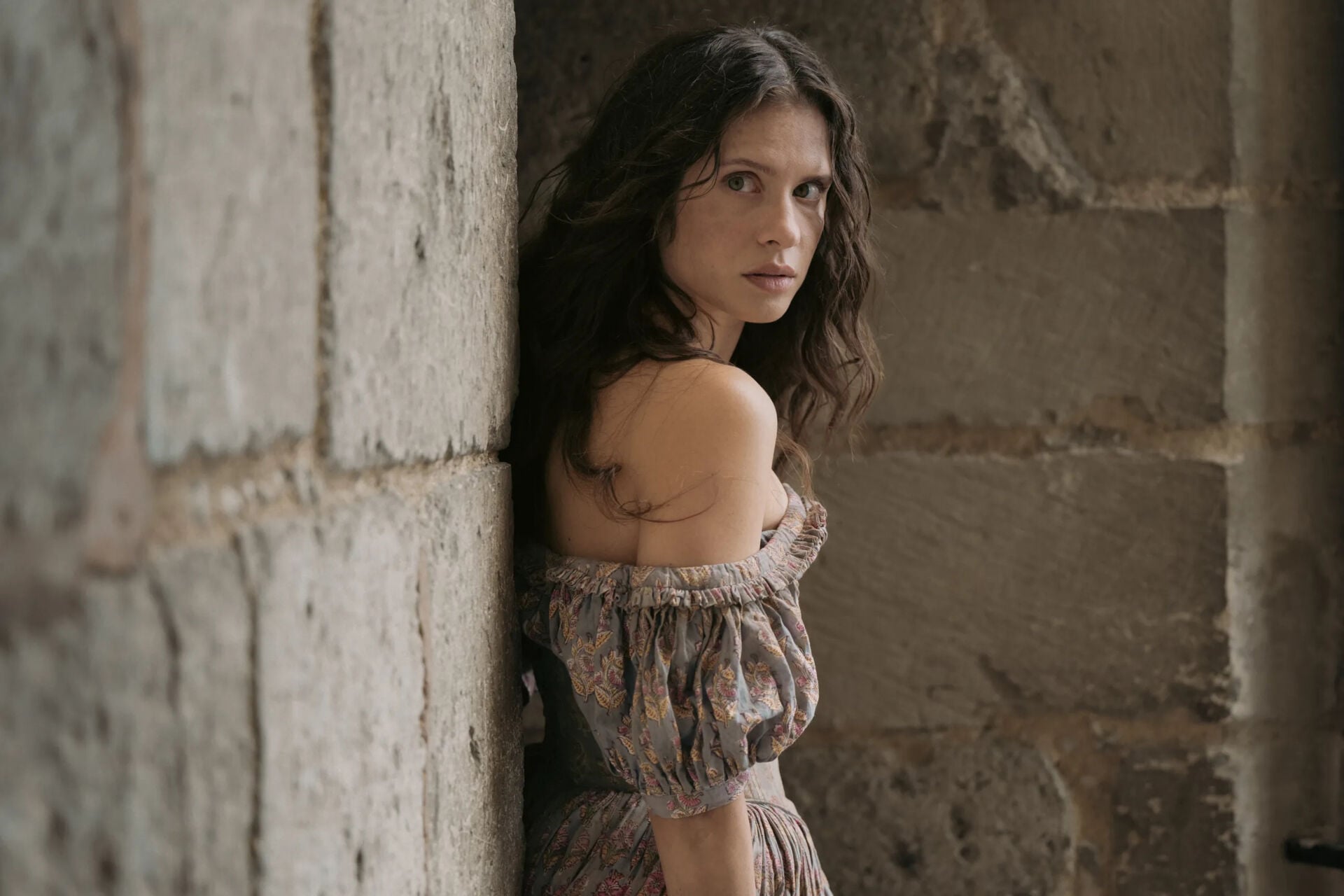
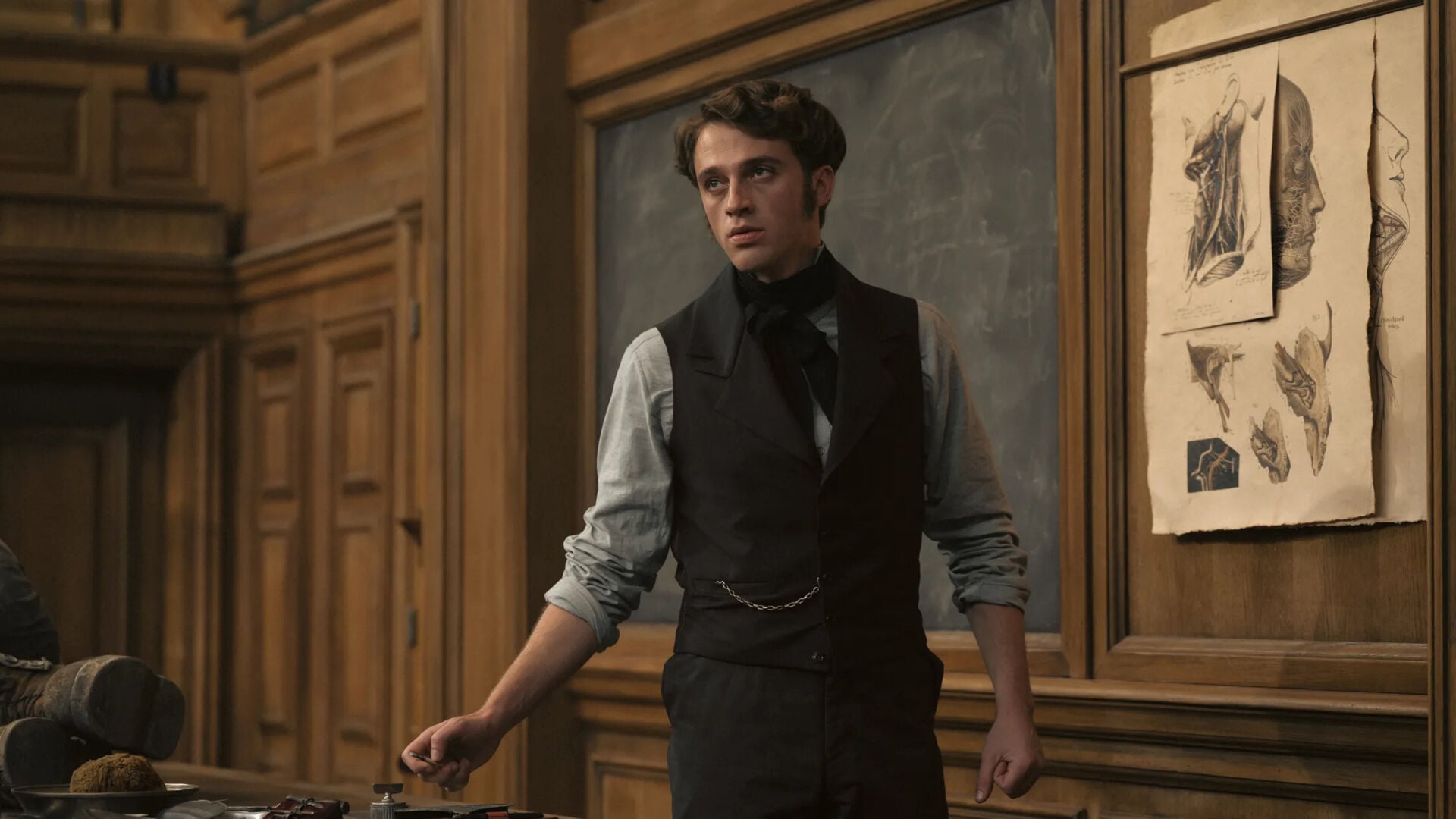
Vincent Cassel won't be carrying this story alone, of course. Jean-François Richet has surrounded himself with Karim Leklou, Benjamin Voisin, Daphné Patakia and Noémie Lvovsky, though Netflix hasn't yet revealed full details about their characters. What we do know is that Karim Leklou plays the head of the Sûreté tasked with hunting Quasimodo down, while Benjamin Voisin plays a doctor who takes a keen interest in his case, keen to carry out medical experiments on him in the hope of finding a cure for cholera.
Jean-François Richet returns to French history
With Quasimodo: The Soul of Paris, Jean-François Richet also returns to a historical register he knows well, revisiting a period of French history that has long fascinated him — he shot The Emperor of Paris in 2018, also with Vincent Cassel. In an interview with Vanity Fair, Richet explains that the Quasimodo project landed in his lap just after the release of Plane (Gerard Butler, 2023) and before shooting Mutiny (Jason Statham, 2026), but the latter's delay allowed him to devote a full year to Quasimodo: The Soul of Paris.
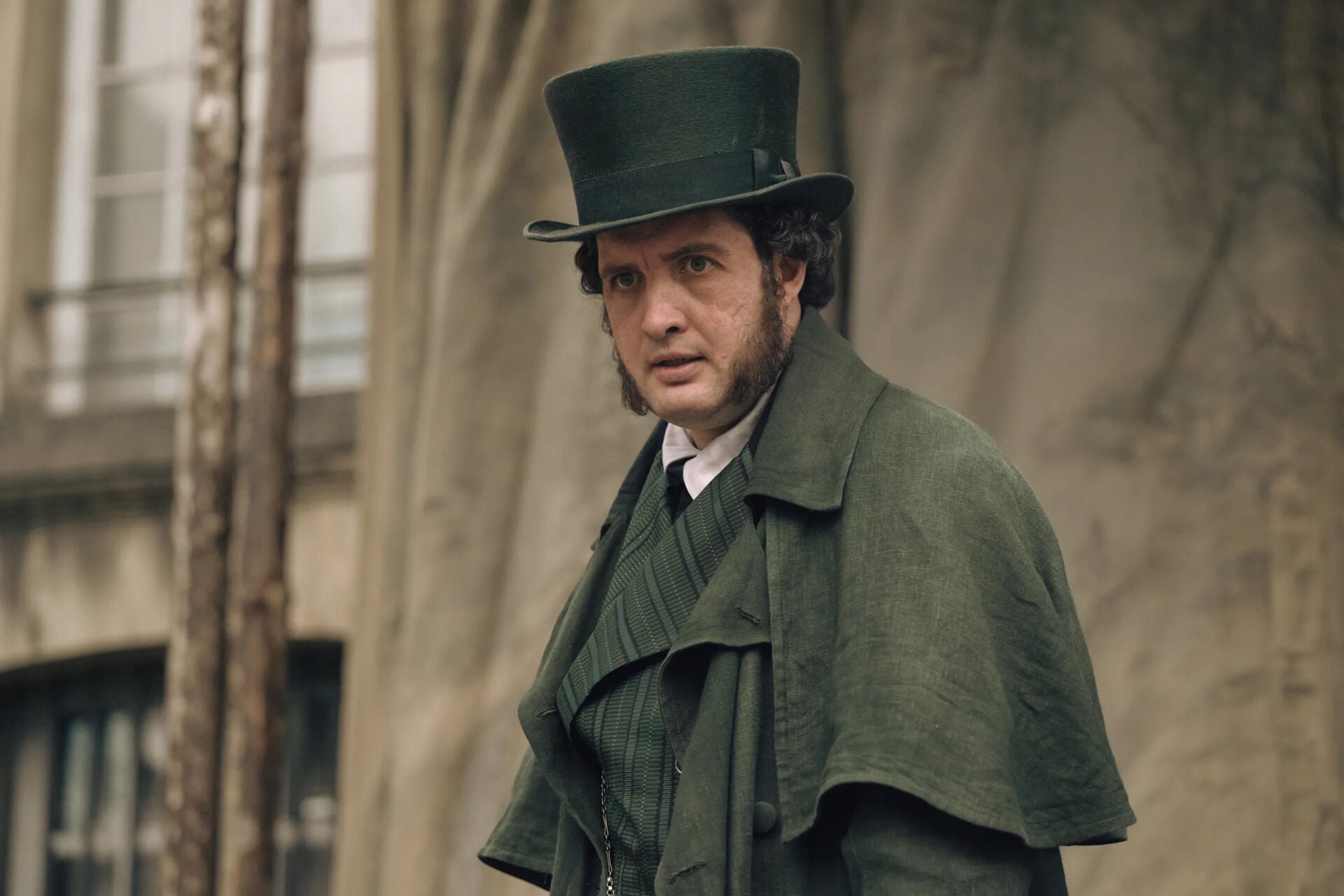
We also learn that with his Quasimodo, Richet wants to tackle several themes present in Victor Hugo's work, notably the relationships between social classes, the place of the people and the elites, but also medicine and the way those deemed different are looked upon. The French filmmaker says he wants to avoid a simplistic good-versus-evil divide and to show characters more closely bound to the circumstances of their time. The film will look at how medicine was practised in the 19th century and at the ethical limits of certain experiments carried out on human beings. Which is why the cholera epidemic will be one of the script's central elements.
We'll have to wait until 27 November 2026 to see the results on Netflix.