Launched in 1999, Silent Hill left its mark on the survival horror genre, to the point of becoming one of its cornerstones alongside Resident Evil. With Townfall, developed by Scottish studio Screen Burn, Konami shakes up its own rulebook, as a first-person camera replaces the series' usual third-person view. But fans can rest easy: the fog-drenched town, parallel realities and grotesque monsters are all still present and correct. Enough to rub shoulders with greatness? Not quite, as one aspect of the gameplay proves more tedious than gripping.
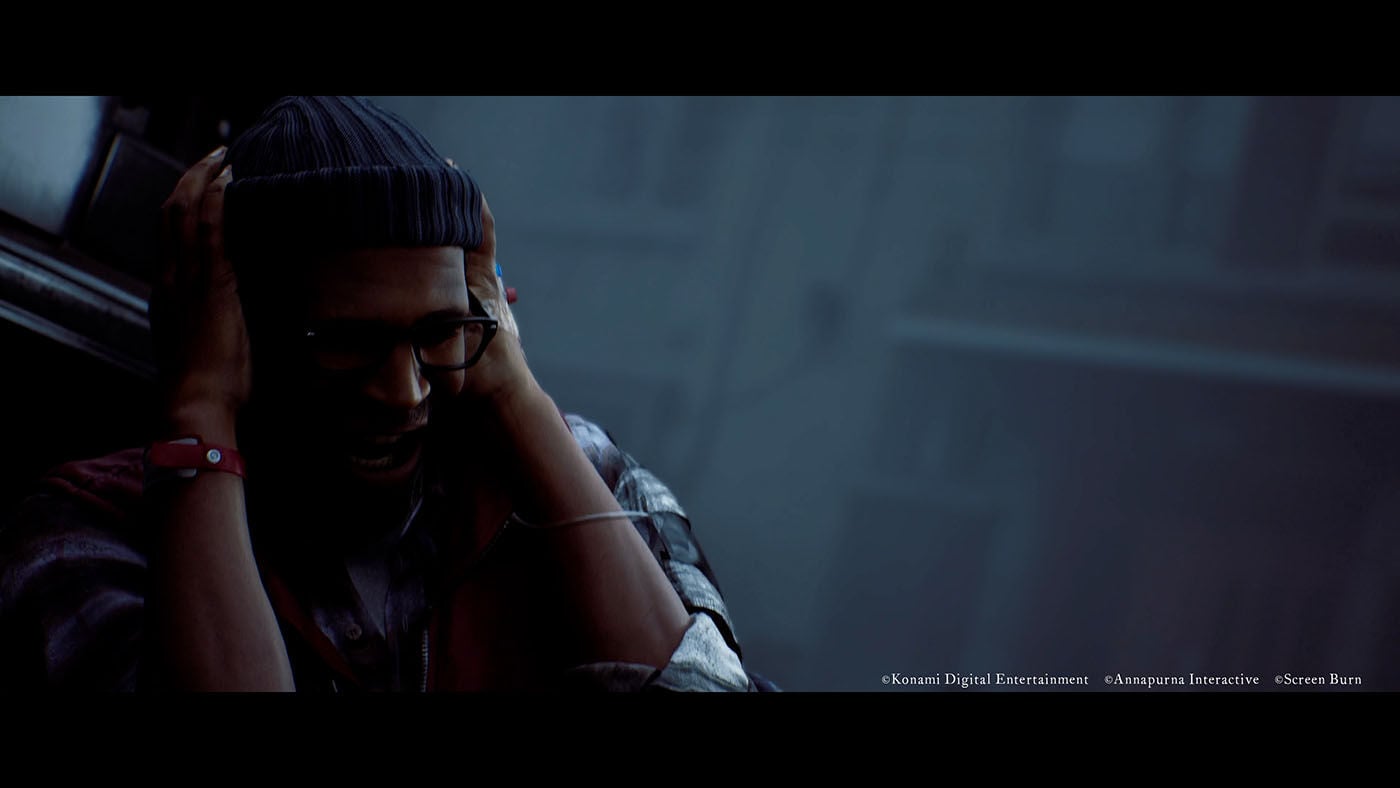
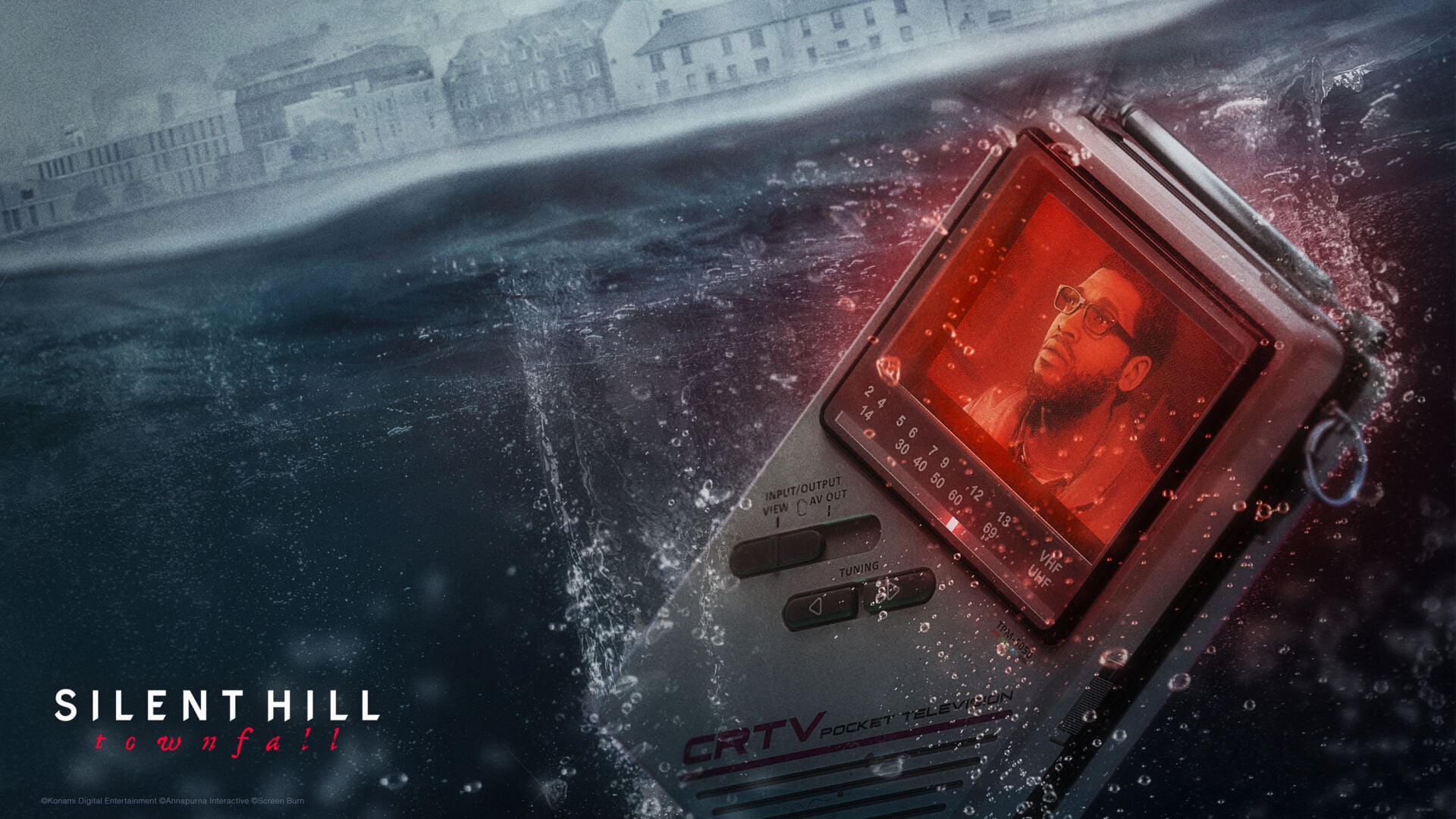
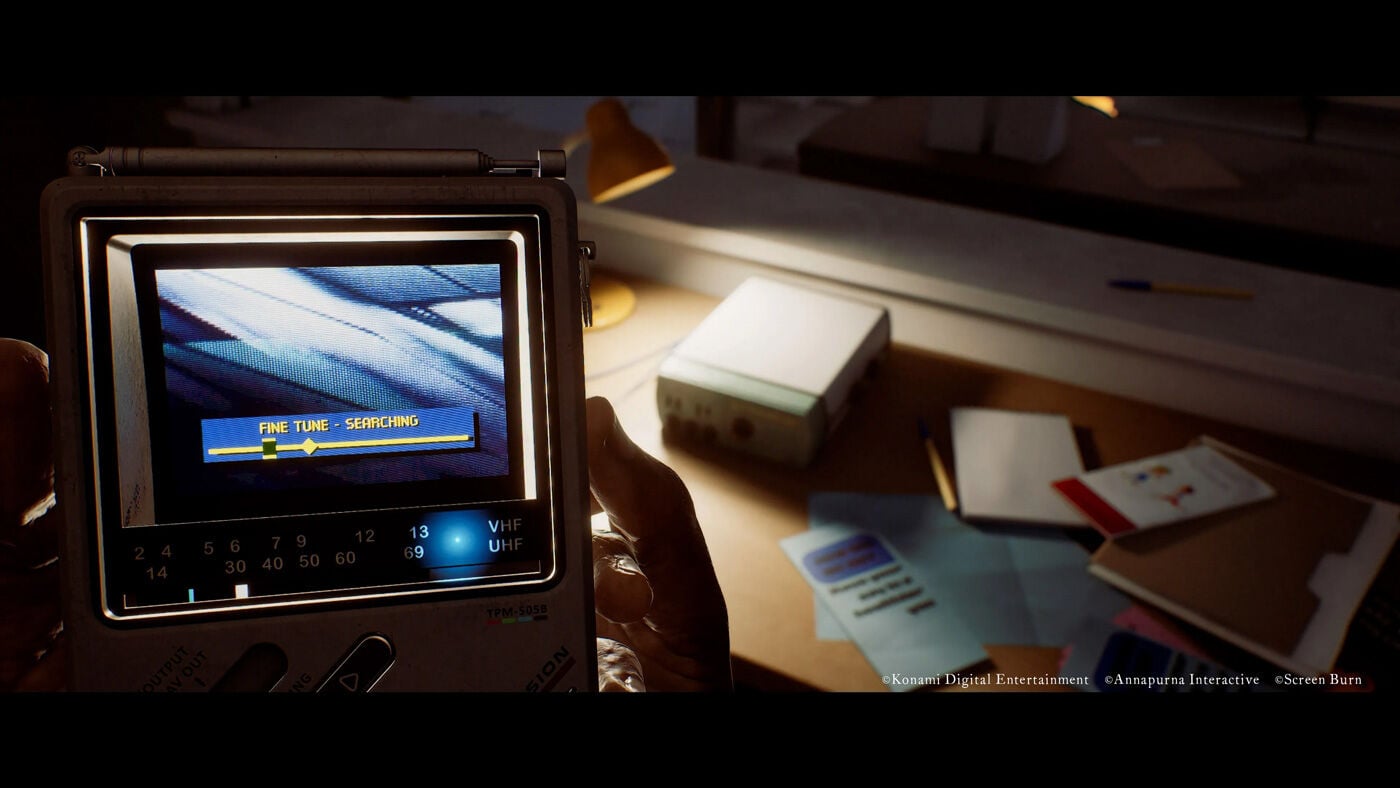
Silent Hill Townfall is one of those entries in the saga that leaves the famous American town behind in favour of another settlement. Here, the Scottish island town of St. Amelia serves as the main backdrop. Its streets are largely deserted and drowned in fog, as is only proper, when Simon Ordell washes up there. Summoned by a mysterious voice telling him to come back and "put certain things right", our protagonist emerges from the water with few memories, a medical bracelet bearing his name on his right wrist, and an IV drip in his left arm. The year is 1996, but our hero still gets a piece of high-tech kit for the era: a portable television, which lets him both pick up video messages and pinpoint the flayed, bloated creatures prowling the area. Simon isn't the only protagonist in this story, though.
The overall atmosphere is all the more striking for being bolstered by a faultless soundtrack. The throbbing sound design, the deliberately slow pacing and the subtly dissonant notes of the music all do the series proud, without ever resorting to a lazy imitation of Akira Yamaoka's work.
Spread across six chapters, the adventure actually puts us in control of three different people. Far from a mere gimmick to vary the environments, the regular switch of protagonist lets us see the same events from different angles. The player can thus piece the narrative puzzle together bit by bit, helped along by the many documents to be dug up in the environments. The keys to understanding are never shoved in your face, and that relative opacity is by no means unwelcome. Neither too blunt nor too cryptic, the story strikes a fine balance. You just have to pay attention to all the available information, including what's drip-fed through the puzzle sequences, to grasp the bigger picture. Contemplation and questioning are very much on the menu — confusion isn't!
Gore shining through the fog
The game's strengths also lie in its art direction and technical execution, both of which impress. The fog is as beautiful as it is unnerving, the homes are crammed with everyday objects that speak volumes, the precision of the colours and lighting effects deepens the immersion, the high-resolution textures make the locations all the more believable, and, in certain cutscenes, the facial animation lets a little emotion through. The overall atmosphere is all the more striking for being bolstered by a faultless soundtrack. The throbbing sound design, the deliberately slow pacing and the subtly dissonant notes of the music all do the series proud, without ever resorting to a lazy imitation of Akira Yamaoka's work. The switch from third to first person, on the other hand, strikes us as less successful. Bold on paper, the choice ultimately makes little difference. When you're tucked behind a piece of scenery, spotting monsters is admittedly harder than it would be with an external camera. But since the game lets you peek out, and hands you a portable television that reveals creatures through walls, the sense of danger never feels any greater than in the classic entries.
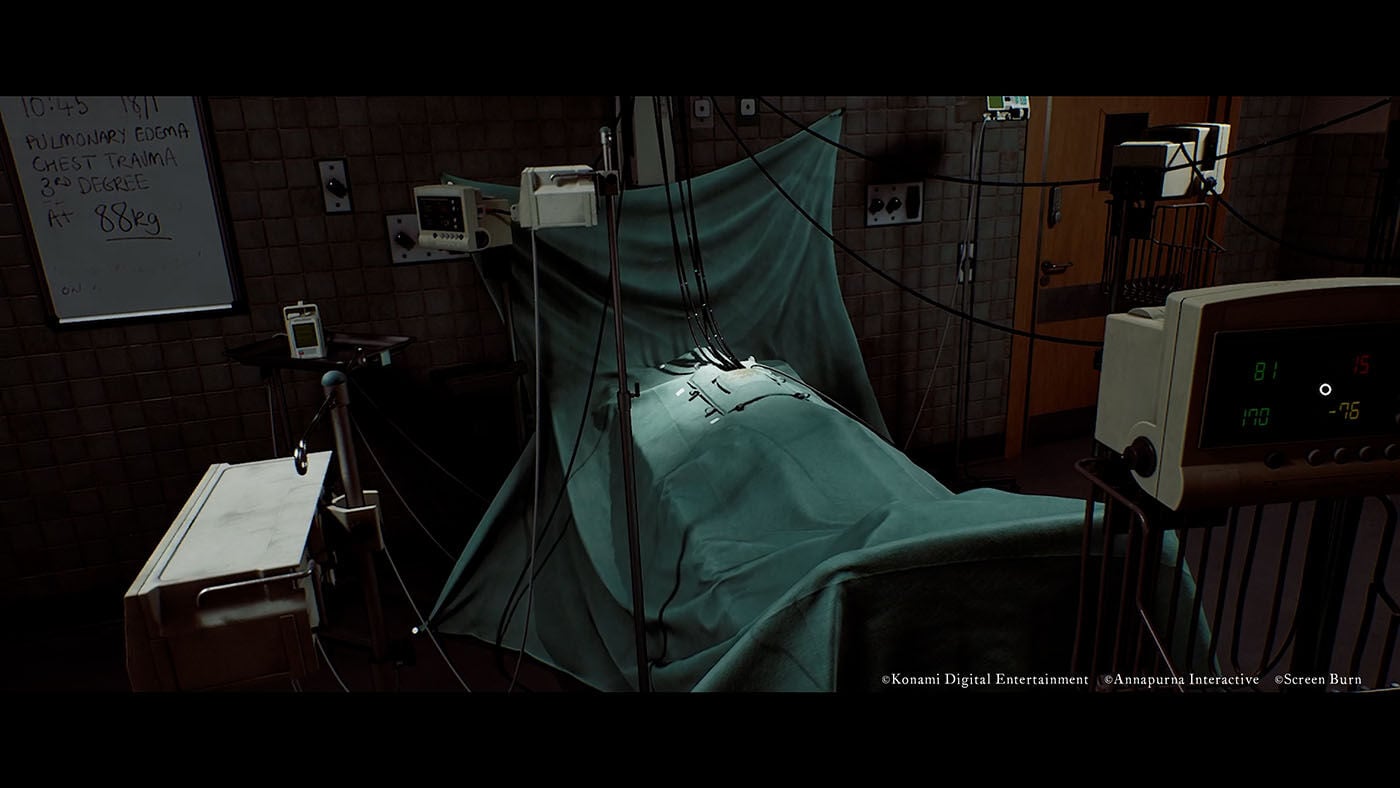
Silent Hill Townfall also has the peculiarity of defaulting to an extra-wide format. On a 16:9 screen, that 21:9 ratio means horizontal black bars. Some will see a pleasing cinematic nod, others an artificial and irritating visual limitation. Either way, no need to panic: the letterbox mode is optional. For the record, we played through the first half of the adventure with the black bars, partly to respect the developers' default choice, partly to heighten the sense of claustrophobia, and partly to pick up a few extra frames per second along the way. But we eventually switched to full screen, as the lack of visibility ended up feeling more frustrating than anything else.
Hide-and-seek without the spark
And frustration is exactly what the gameplay left us with. We're not talking about the puzzles here, which slot neatly into the story and pitch their difficulty just right (provided you switch off the hint option in the menus). But those moments of head-scratching are only one part of the adventure. A good half of your time is spent fighting — or rather avoiding — the monsters. You do get melee weapons (a plank of wood and a lead pipe), along with a pistol, a flare gun and even, in the final chapters, a shotgun. But the melee weapons break quickly, while ammunition for the firearms is in short supply. For a survival horror, that's par for the course. Here, though, it means you're forced into a game of hide-and-seek with the creatures, Alien Isolation style. Except that in Silent Hill Townfall, the recipe doesn't quite work. Hiding in wardrobes, waiting in a corner for the monsters to pass, creeping along crouched so as not to make a sound — it all wears thin fast. And boredom sets in all the quicker because the game keeps making you trek back and forth through the same areas.
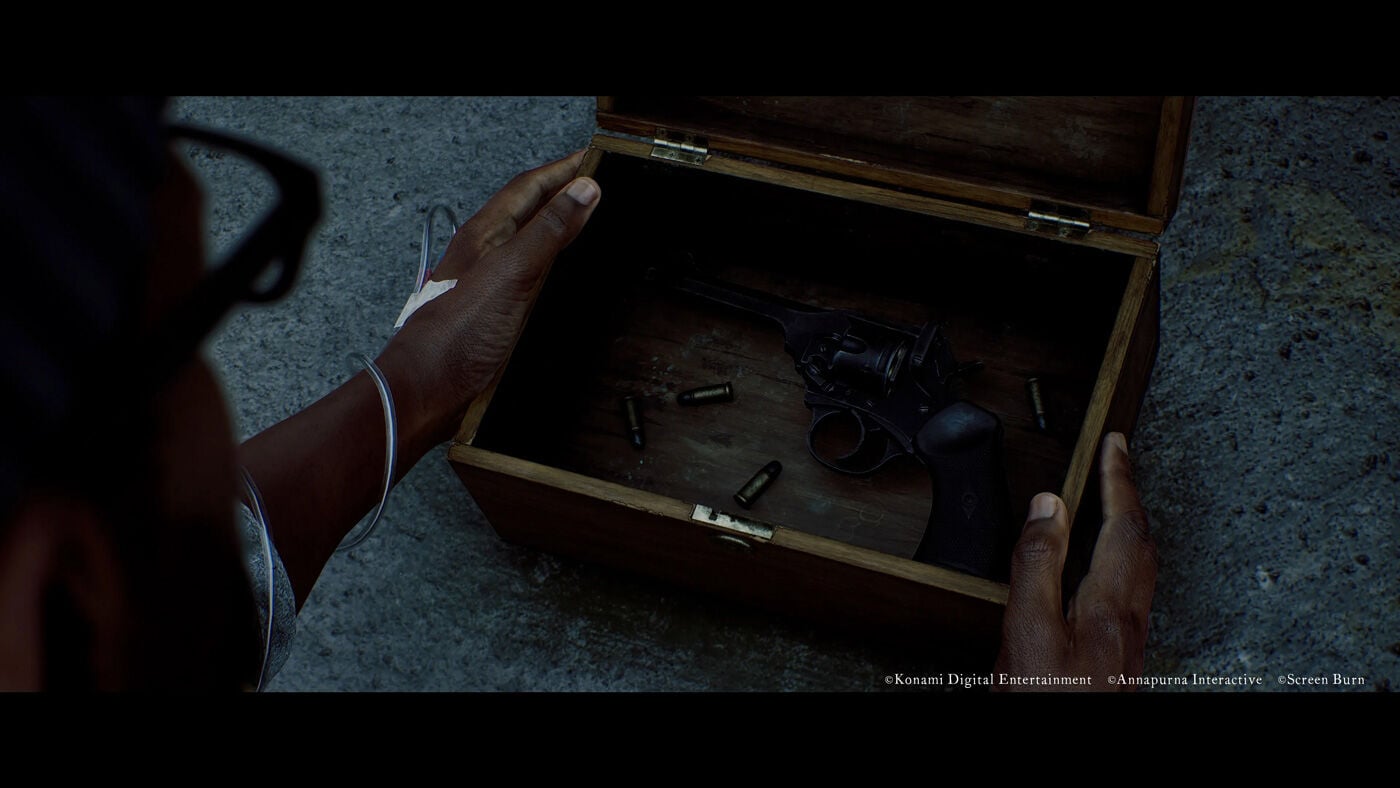
Don't count on enemy variety to hold your attention either, since there are only five types of creature in the whole game, and their behaviour and appearance barely differ from one another. And if you opt for a straight fight, brace yourself for some rage when your character takes a hit. The recovery time, and the scripted animation that comes with it, sometimes stops you from following up with a counter-attack or making a run for it. Even the resurrection option granted by the IV drip proves useless at times, as the monster that floored you occasionally reappears far too close for comfort. In short, Townfall shines at neither combat nor stealth. Credit where it's due, though, for the ending, which comes in three main variations. The final cutscene isn't decided by some artificial last-minute choice, but by how you've conducted yourself across the whole adventure, with the game never revealing which parameters it's tracking. Worth noting, finally, that two extra — and comedic — endings can be unlocked in New Game Plus mode. But only the most dedicated will go hunting for them, because the prospect of sitting through all that hide-and-seek again is hardly a thrilling one.

The good
- Art direction and technical polish that are a treat for the eyes
- A grimy atmosphere faithful to the series
- A story you'll genuinely enjoy following
- A deliciously dissonant soundtrack
- Enjoyable, well-balanced puzzles
- An ending that shifts depending on how you play
The bad
- Hide-and-seek gameplay that isn't exactly thrilling
- Plenty of backtracking across the maps
- A first-person view that doesn't add much
- A bestiary limited to five types of creature
- … which all look rather alike