
Sometimes there are box-office successes nobody could see coming, and Niu Lai, a small Chinese animated film made by two people, is probably one of the most improbable examples of the year. It was originally regarded as a genuine turkey, with rudimentary animation, very rough 3D models and staging that recalls the early days of digital animation more than modern Chinese productions. And yet Niu Lai has become a phenomenon in China, to the point of generating several million euros in takings thanks to online mockery. Some viewers now go to the cinema solely to see for themselves just how bad the film is.
24.41 million yuan, or around 2.9 million euros in takings in China: that is the completely improbable score Niu Lai had racked up as of 19 August 2026. A result all the more spectacular in that the film had taken only 7,169 yuan, about 850 euros, after nine days in cinemas. In the space of a few days, its takings were therefore multiplied by more than 3,000.
A film made by a mother-and-son duo
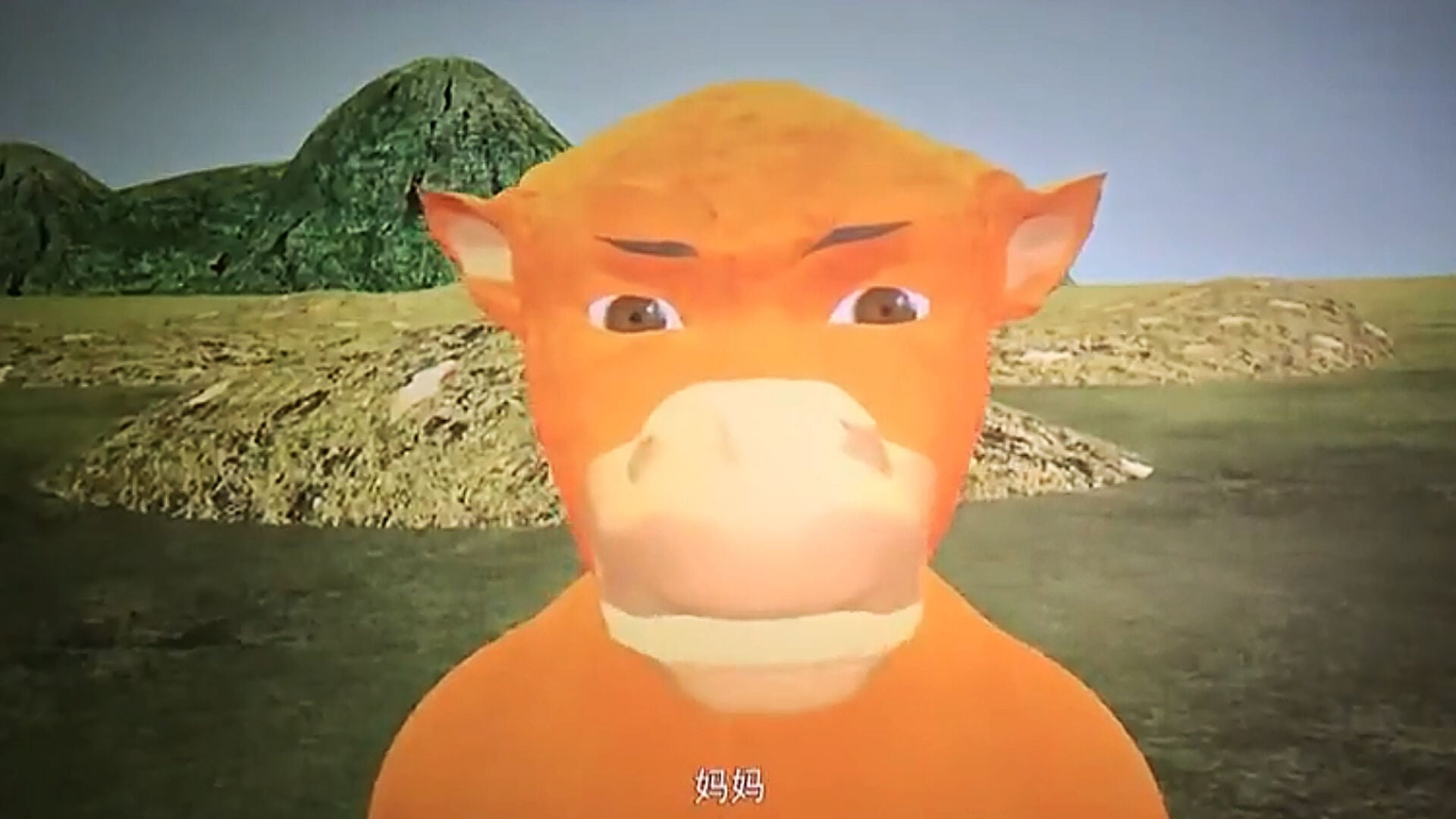
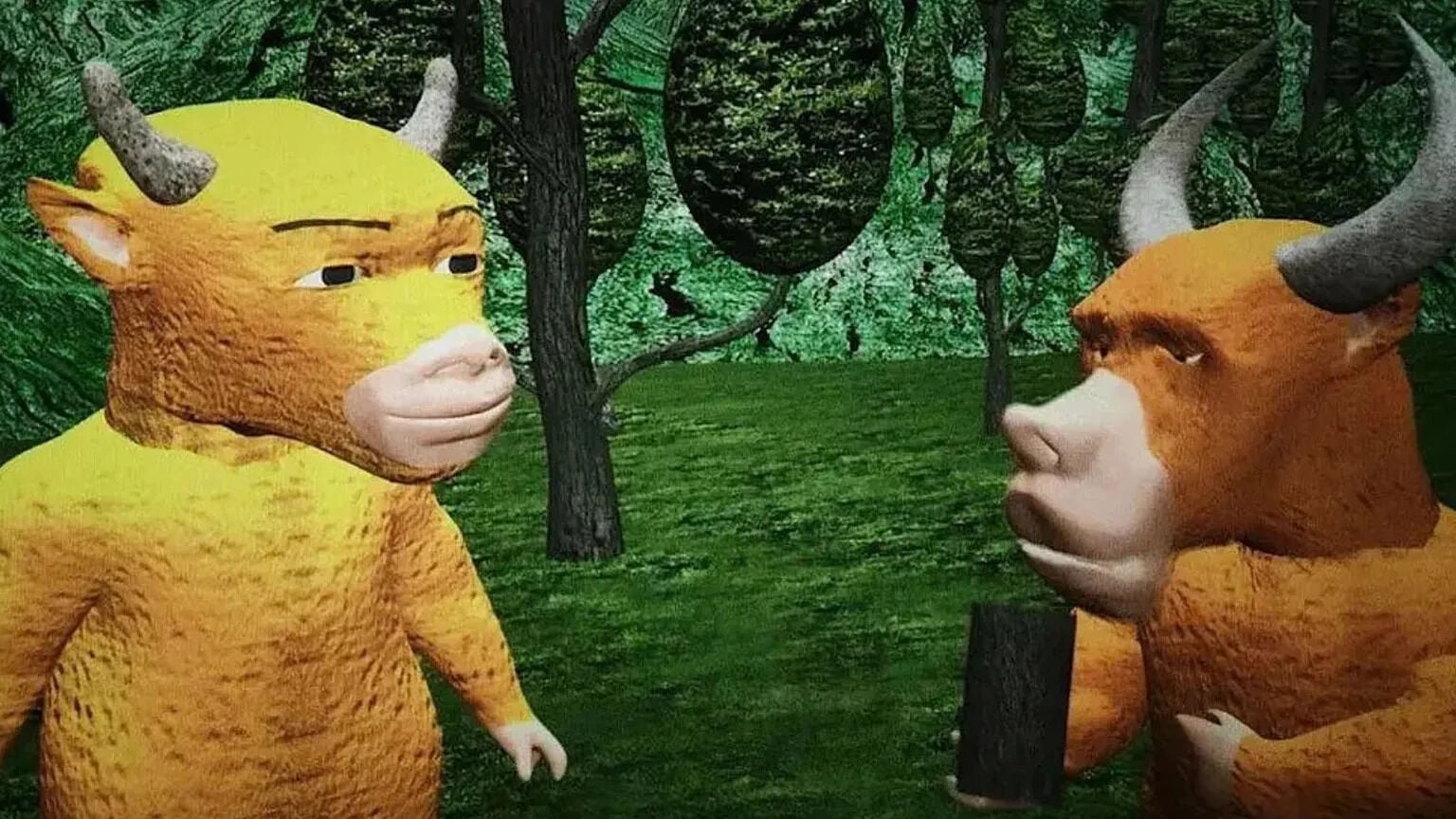
Behind Niu Lai are Xin Yumeng, a former interior architect with no particular training in animation, and his mother Sun Lifang. For close to five years, the duo worked on the film almost entirely alone. 3D modelling, animation, script, editing, dialogue, voice acting and even music: the two creators did practically everything themselves. Across 86 minutes, the film tells the dreamlike adventures of a young calf discovering life, death, courage and sacrifice. The result is inevitably a long way from big Chinese animated productions such as Ne Zha 2. The characters are angular, the animation sometimes very stiff, the textures extremely simple, and some of the sets genuinely give the impression of having been made thirty years ago.
“Go and see how bad it is”
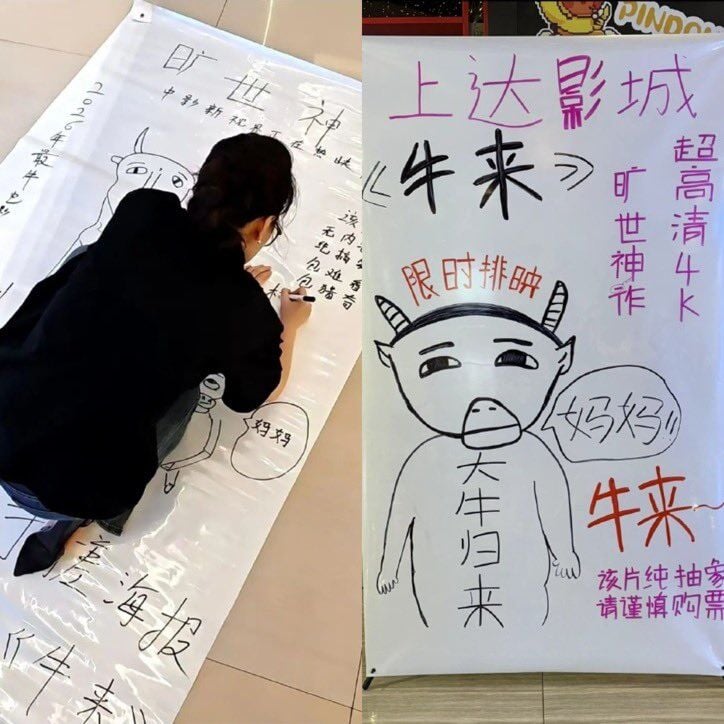
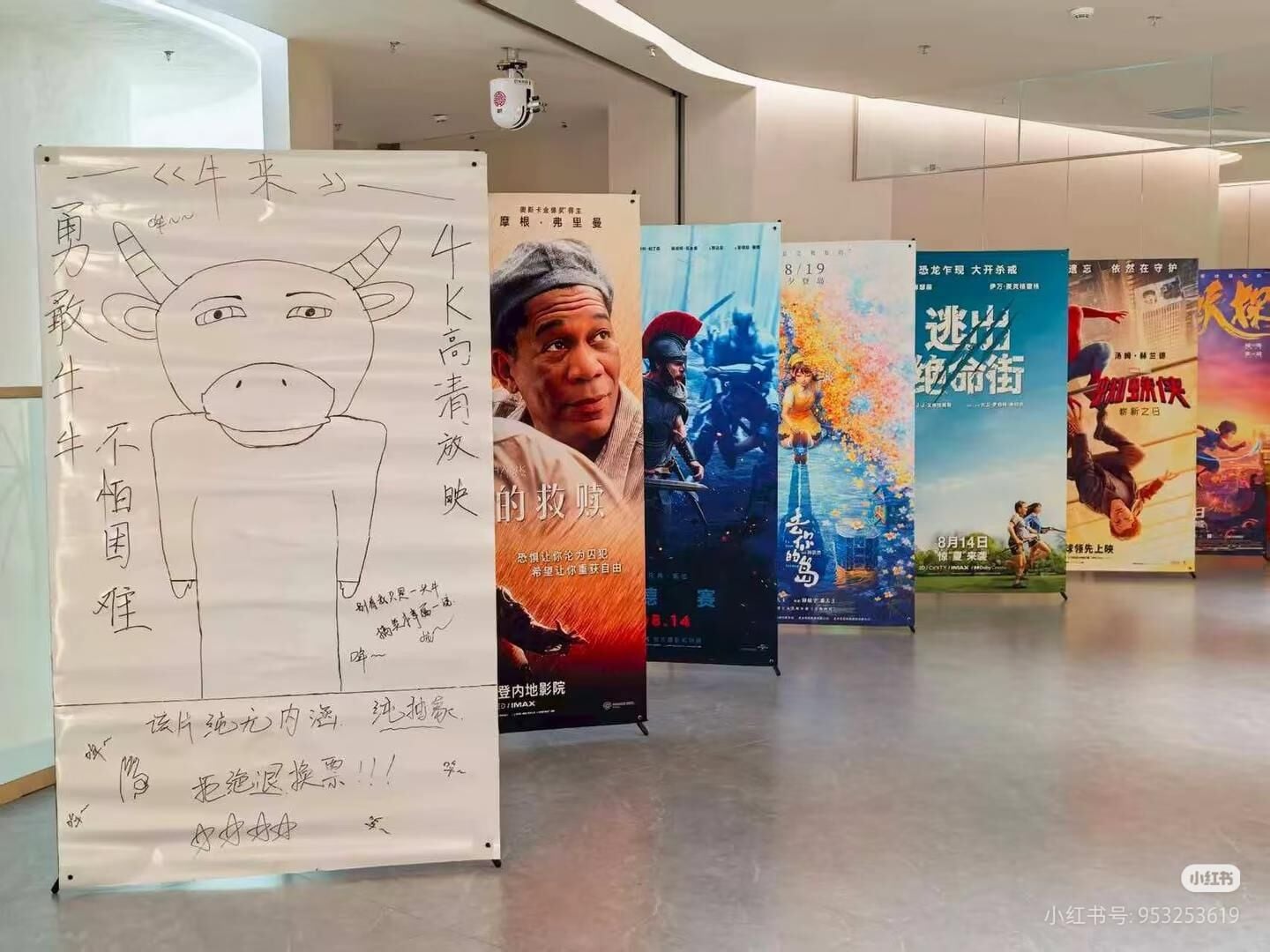
And Chinese audiences weren’t fooled, at least at first. Niu Lai came out on 5 August 2026 without any marketing campaign or even a trailer, to the point that some cinemas had to make their own posters by hand to promote the film. After nine days in cinemas, the result was catastrophic: takings of just 7,169 yuan, around 850 euros, for barely 236 viewers. In other words, Niu Lai looked set to disappear from Chinese screens entirely — but social media decided otherwise.
A few viewers started posting clips of the film on social media. And then it exploded. Internet users began mocking the animation, the voice acting, the characters’ movements and certain particularly strange scenes. The film was quickly described as “worse than AI”, or even so bad that it becomes fascinating. And it is precisely this bad publicity that produced the opposite effect. Internet users started buying tickets simply to check for themselves whether Niu Lai really is as bad as people say. Some film themselves in the auditorium, post their reactions and remix scenes from the film. The phenomenon grew so large that several cinemas added new screenings and even kept promoting the film with their own homemade posters.

A success tied to anti-AI feeling?
In a matter of days, Niu Lai therefore went from absolute flop to genuine cultural phenomenon. As of 19 August, the film had already generated 24.41 million yuan, or around 2.9 million euros. In just a few days, its takings were therefore multiplied by more than 3,000 compared with its first nine days in cinemas. Some projections even suggest potential takings above 100 million yuan if the phenomenon continues. And the most incredible part is that Niu Lai is now starting to compete with far more ambitious international productions, notably Christopher Nolan’s The Odyssey and the big Hollywood releases currently showing in China.
But behind the comic phenomenon there is also a genuine reflection on how cinema and animation are evolving. For part of the Chinese public, Niu Lai is almost the antithesis of AI-generated content. At a time when images are becoming ever more perfect, when studios command colossal budgets and when AI makes it possible to produce content extremely quickly, this small, imperfect film has something many consider increasingly rare: a genuine human hand behind every image.
Some viewers say they are moved by the handmade side of the project and by the five years of work it took two people to realise their dream. Others are obviously far less enthusiastic and feel that Niu Lai’s success rests above all on curiosity and mockery rather than on its cinematic qualities.
A phenomenon that goes beyond the simple “turkey”
That is precisely what makes the phenomenon interesting. Are viewers going to see Niu Lai because they genuinely like the film, because they want to laugh at its animation, or simply because they want to take part in something viral? The answer is probably a bit of all three. The film’s success has in fact started a real debate in China about the film industry, independent productions and what audiences expect from works that are ever more technologically sophisticated.
That said, some Chinese media even go so far as to warn against the phenomenon, arguing that excessive scheduling of films of this kind could lower the standards of cinemas and audiences alike. And in the meantime, Niu Lai keeps getting people talking, even internationally. A release in Singapore is reportedly being considered for early September, even if that international release has yet to be officially detailed by a distributor. In any case, Xin Yumeng and his mother could hardly dream of a better vindication: the film nobody wanted to distribute has become one of the most improbable phenomena of the 2026 Chinese box office.