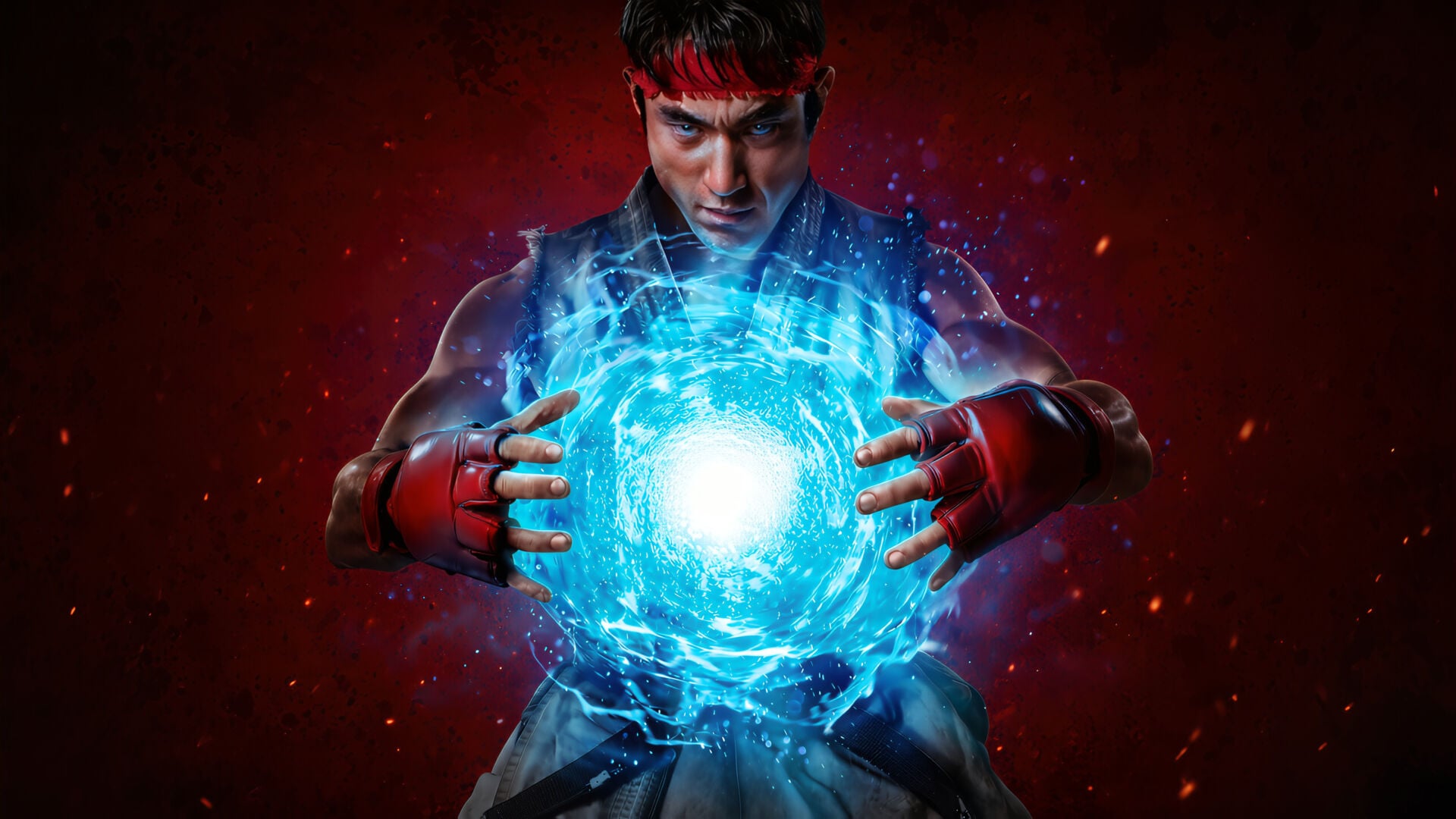

There was a time when Hollywood looked down on video game adaptations, but these days they've become one of its golden geese. Super Mario (both films) brought Universal and Nintendo $2.4 billion at the global box office, Minecraft The Movie came close to the billion mark, while Sonic keeps going down a storm with mainstream audiences, to the point where a fourth instalment is in development. Times have changed, and the studios have worked out there's serious money to be made from our favourite licences. It has to be said that video game adaptations now seem to be filling the slot superhero films occupied in recent years. Having wrung out the Marvel and DC universes (and that's far from over), Hollywood is turning to gaming properties, capable of mobilising enormous communities and generating colossal takings. On the small screen, The Last of Us also proved that a video game adaptation could win over the critics and walk away with Emmy Awards.
For Street Fighter, though, the memory still stings. Ever since the 1994 film with Jean-Claude Van Damme, which has since become a cult turkey it must be said, the licence has been waiting for a live-action adaptation worthy of its legend. So this new attempt had plenty of reason to raise hopes, especially as the trailers did the job, with an improbable cast (Jason Momoa as Blanka, David Dastmalchian as M. Bison), costumes bordering on Comic Con cosplay, fights that seemed to reproduce the game's moves to the letter and, above all, a fully embraced kitsch. On paper, the promise was lovely and we were first in the queue. Except that once we got to the press screening (we saw the film twice in three weeks), the smile gradually gave way to bafflement, not to say dismay. Because let's be honest, this Street Fighter has one major problem: it never really knows what it wants to be. Does it want to be an unabashed comedy that embraces the absurdity of its universe, or a genuine action film capable of giving Capcom's saga its due? In truth it tries to do both, without ever finding the right balance. Worse still, it hams up everything it attempts. And that's fairly understandable when you know that behind this wobbly result lies a production that clearly went through some turbulence, with reworkings involving both Paramount and Capcom, and differing visions. And it shows.
So this is Street Fighter in 2026? An absurd comedy?
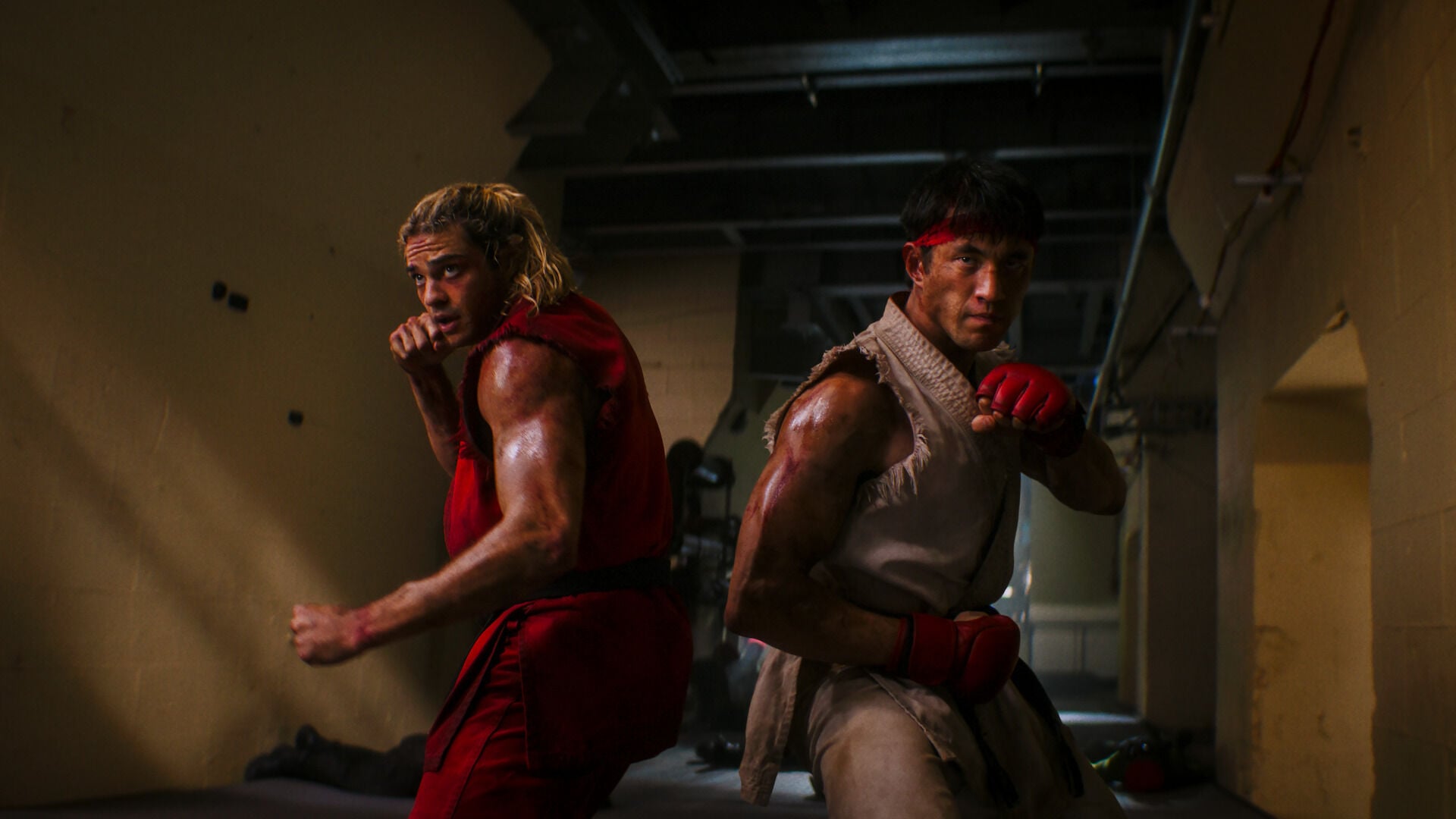
On the story front, this new Street Fighter chooses to follow the actual plot of Street Fighter 2, rather than inventing a convoluted tale like the 94 film. Ryu won the previous World Champions tournament against Sagat, but the victory left its mark. Because in giving in to the 'Satsui no Hado' (basically the dark side of his power), Ryu wrecked his opponent (Sagat, in this case) and left him with the chest scar fans know so well. But the film is also interested in the relationship between Ryu and Ken, the two former brothers in arms having drifted apart after the death of their master, Gouken. Their friendship is put to the test when they find themselves drawn into a new tournament organised by M. Bison. At the head of Shadaloo, he's looking to increase his power by absorbing fighters' energy, with a particular fixation on Ryu's. Running alongside that, we have Chun-Li pursuing her quest for revenge (Bison killed her father) while trying to assemble the eight best fighters on the planet. Meanwhile, Guile has apparently decided to play the resident clown, with the dial turned all the way up. You get the idea: there are three stories crammed into one, and that's exactly what they shouldn't have done.
The upside is that the film doesn't try to reinvent characters who don't need reinventing, as the 1994 Street Fighter did, even if in hindsight that took guts and is ultimately quite funny. Here, in the 2026 film, every fighter keeps their visual codes and their signature techniques, even if it means looking like naff convention cosplay. But then, that was part of the deal from the very first trailers. The costumes are cheap, not to say ugly (especially Cammy's), but at least it's owned. Let's say the source material is respected, but that fidelity isn't enough to make a good film, and it even complicates matters.
When Paramount and Capcom can't agree
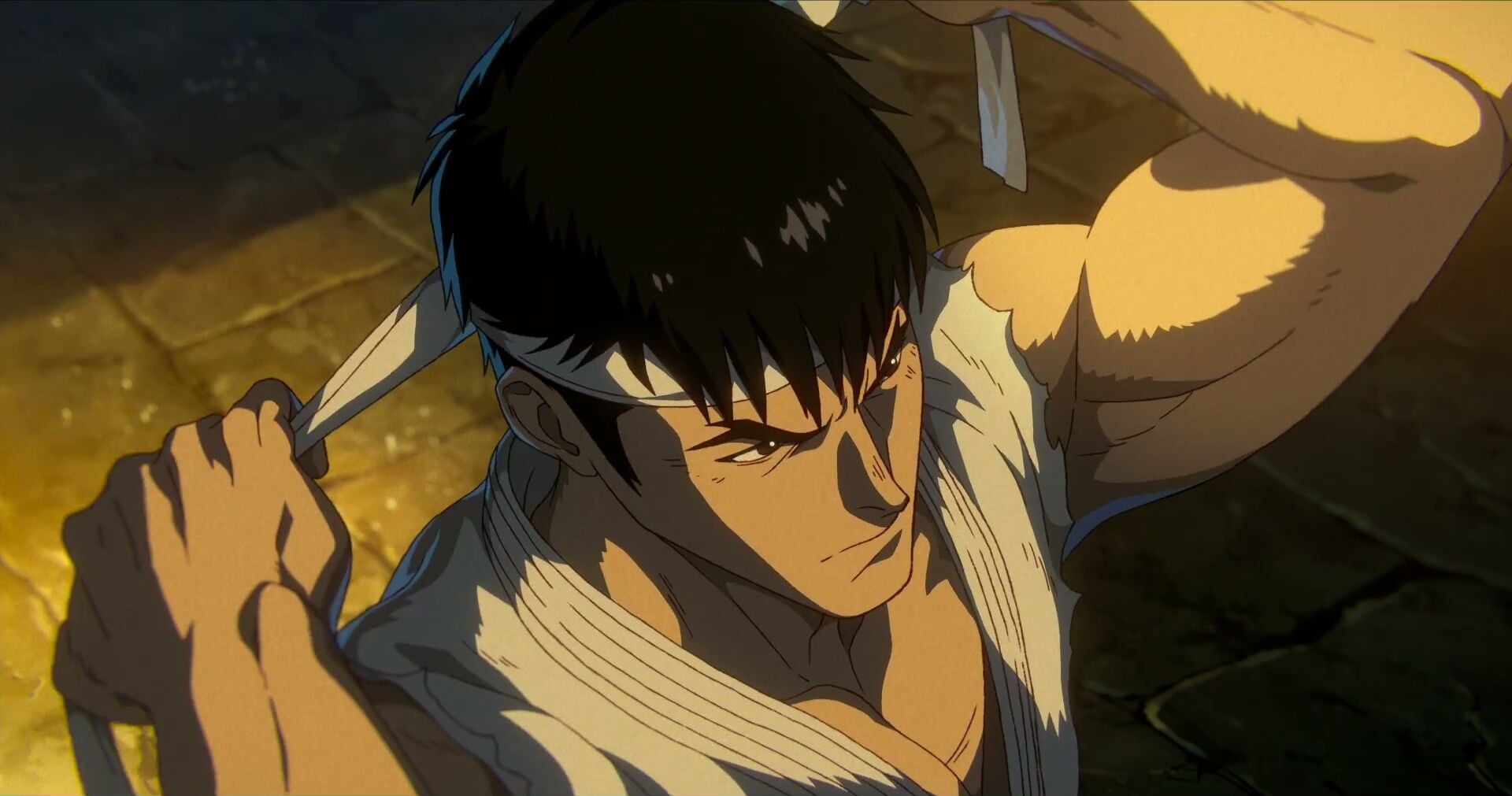
The first problem with the 2026 Street, and probably the most awkward of the lot, comes from the decision to blend two radically different approaches. On one side, the film serves up hand-drawn animated sequences to illustrate the flashbacks and flesh out the characters' pasts. On the other, there are live-action scenes that lean on wall-to-wall humour, deliberately absurd dialogue and unabashed kitsch. Two ideas that, on paper, could have complemented one another. Except that on screen, it just doesn't gel. Not once. The trouble is that the animated sequences come thick and fast, and they systematically interrupt the narrative. They're often clumsily slotted into the edit, breaking the momentum of the live-action scenes and giving the film a rhythm that is wobbly to say the least. You've barely settled into a scene before the story veers off into an animated flashback, then returns to the action as if nothing had happened. By piling up these breaks, the film struggles to find any real continuity.
And it's all the more frustrating because those animated passages are often the most successful bits, arguably the best in the whole film. That's precisely where the problem lies, because we came to see a live-action adaptation, not an anime. It's even more damning for Paramount's film, because the hand-drawn work has wild energy and a visual identity that fits the Street Fighter universe perfectly. The characters gain intensity, the emotions land more naturally, and the fights recover the graphic punch and staging that made the saga's name. By comparison, the live-action sequences sometimes feel artificial, as if they were constantly reminding us not to take any of this seriously. The result is paradoxical, like a two-headed hydra whose heads never look in the same direction. Again, we'll say it once more: when the best moments in a live-action action film are the ones where the actors vanish in favour of cartoon drawings, there's clearly cause to question the directorial choices.
Marvel, is that you?
And there's an explanation behind this constant balancing act. The film was reworked, with two visions clashing behind the scenes: Paramount's, which wanted to push a very silly approach, and Capcom's, which wanted to have its say in order to preserve the more serious, carefully crafted side of the franchise. On one hand, the humour dial is cranked up, with repeat gags and deliberately absurd situations. On the other, there's an effort to respect Street Fighter's identity, its iconic characters, their rivalries and the whole mythology built around Ryu, Ken, Gouken and Akuma. The problem is that these two approaches never manage to coexist harmoniously. You almost feel like you're watching two different films edited back to back, with no shared vision to reconcile them. And once you know the film was reworked in this way, certain choices make a lot more sense.
And then there's the other problem, which ends up being frankly exhausting: Marvel syndrome. You know the drill. The moment a scene starts to build, to establish some tension or lend the characters a bit of gravity, a joke absolutely has to come along and flatten it. Street Fighter is incapable of letting a single serious moment breathe without sticking a gag on the end of it. A flicker of emotion appears? Defused. A character tries to look badass? The situation must immediately be sent up. And when a sequence is supposed to make us feel a fighter's power, the film would rather remind us not to take him seriously. See: Ken.
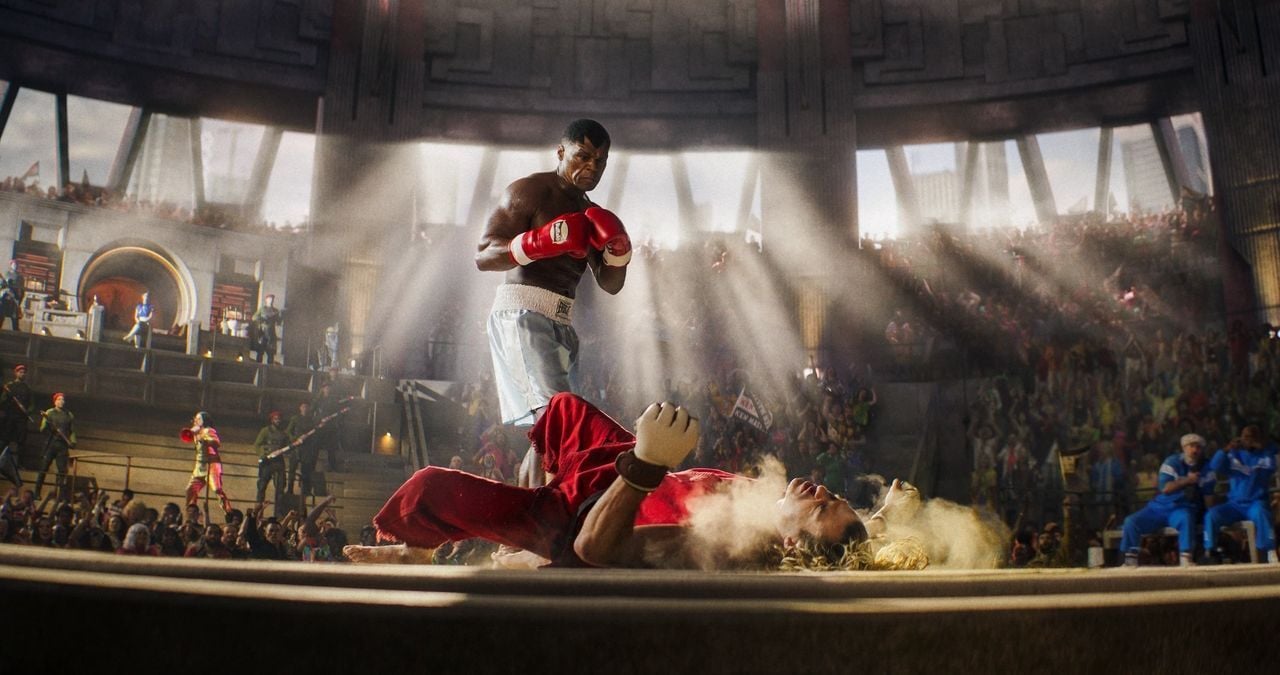
The problem isn't that Street Fighter wants to be funny. After all, kitsch and over-the-top excess are part of the franchise's DNA, and the trailers sold us exactly that unselfconscious approach. But there's a difference between humour that rides along with the action and humour that systematically sabotages the staging. Here, the gags land so often that they stop the characters from existing as anything other than punchline machines. Even the moments that might have given Ryu or Ken a bit of depth are swiftly reduced to a string of jokes, as if the film were afraid of being sincere for more than 30 seconds. Help. Ken's case is particularly telling. In the games, his impulsive, occasionally arrogant streak is part of his personality, but he remains a formidable fighter, capable of standing toe to toe with Ryu. Here, the film pushes the comedy so far that it ends up making him look ridiculous. Ken becomes a walking gag dispenser, at the expense of everything that made him interesting in the saga.
The hotel-room fight scene with Ryu is the perfect example. Ken ends up sliding across the floor because he's wearing socks. Yes, socks. In the middle of a clash between two martial arts masters, the film opts for a pratfall worthy of a daft school comedy. It's laid on so thick (he slips three times, mind you) that the scene becomes almost embarrassing. You can see the urge to subvert the conventions of the fighting film, but in its determination to raise a laugh, Street Fighter forgets to make its characters even remotely credible within their own universe.
Too many characters spoil the characters
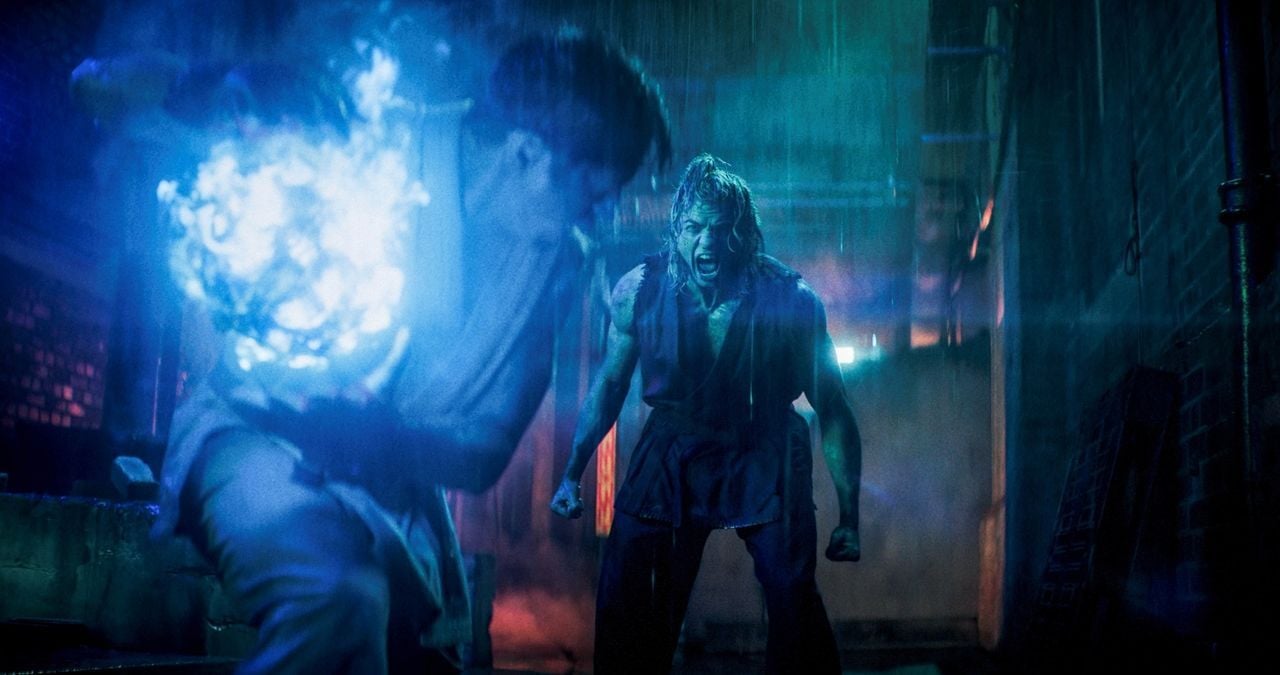
Another problem, and not a small one: the film tries to cram far too many faces into 1 hour 48. Street Fighter has an unusually rich roster, no argument there, but you still need to know what to do with all those characters. Balrog and Zangief are the most glaring examples. Two icons of the saga, instantly recognisable, whose presence ends up feeling like ticking boxes on a list of characters to include. They show up, they look the part, they occasionally get a moment, then they vanish as quickly as they arrived. What is the point of rounding up so many cult figures if the script gives them next to nothing to say? Name-dropping, basically.
This urge to squeeze everyone in creates a deeper problem: the film splits itself between two stories that struggle to coexist. On one side there is M. Bison, Shadaloo and everything riding on the tournament. On the other, the film lingers on Ryu and Ken, their shared past, their relationship with Gouken and Akuma's influence. On paper, both strands have plenty to offer. The first brings a global threat, the second something more intimate, with questions of legacy, rivalry and self-mastery. Except the editing and the writing never manage to connect the two. The story hops from one group to the other without ever building a coherent arc, and at times you feel like you are watching two films fighting over the same screen. The upshot is that neither thread gets the attention it deserves.
Nappy-level humour
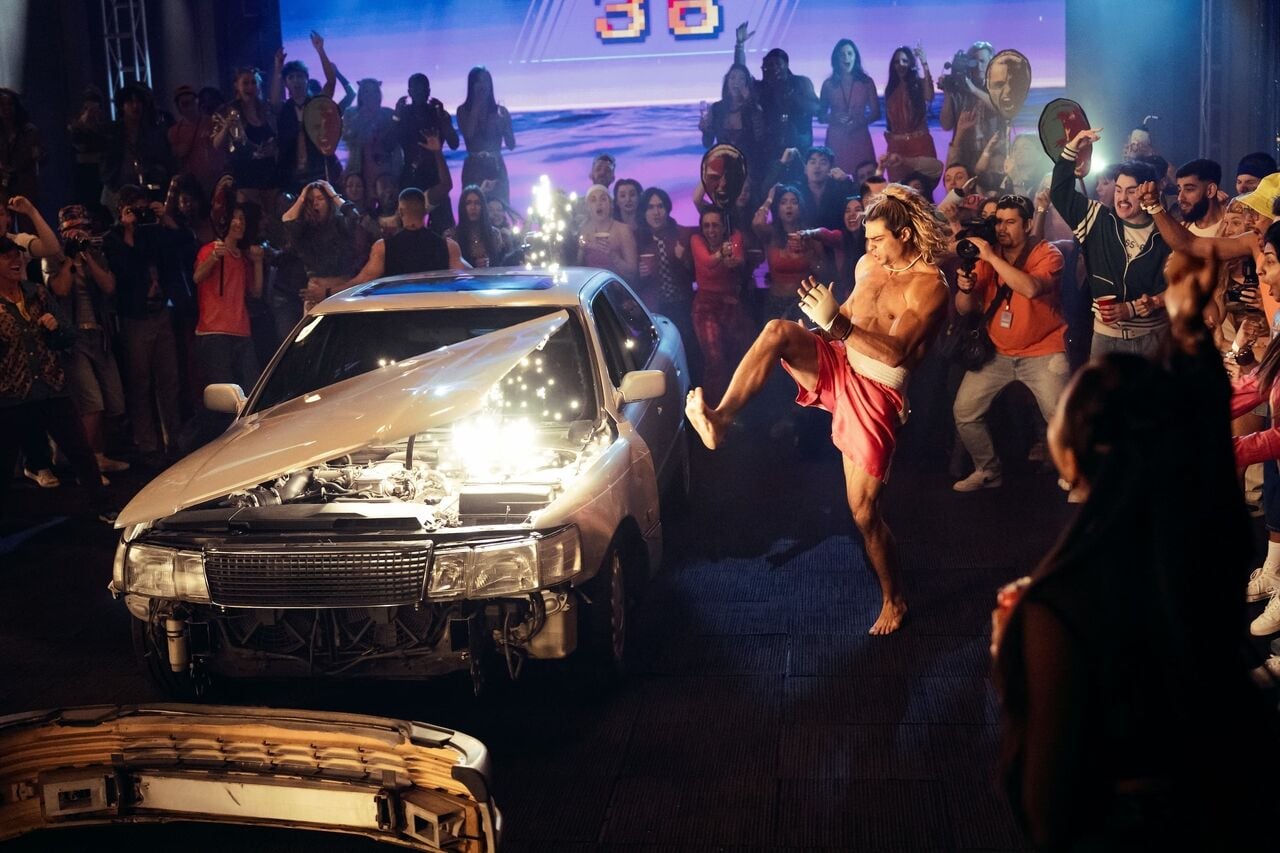
And while we are on the subject of humour, there comes a point where the film tips into the properly knuckle-dragging. The issue is not that Street Fighter is funny, or that it leans into how daft some of its situations are. That is exactly what the trailers sold us, and a few gags land. The trouble is that the film never knows when to stop. Usually, in this sort of production, you hand the clown role to one character, just to lighten things up between action beats. Here, three of them are scrapping over the job: Ken, Guile and Dan. And inevitably, it quickly becomes exhausting. One joke has barely finished before another arrives, then another, until you get the impression the film is terrified of a single second of silence. In the games, Ken's impulsiveness and arrogance are part of the character. He is still a formidable fighter, more than capable of going toe to toe with Ryu. Here, the film pushes the comedy so far that it ends up making a joke of him. At times you even sense that Noah Centineo doesn't know quite what to do with himself.
The problem is that Ken isn't the only one playing the fool. Dan has essentially become his babysitter, trailing him like a shadow, always ready to bounce off his latest gag or pile on one of his own. And since Guile is knocking about too, as the ever-present mate, the three end up forming a full-blown comedy troupe, rattling off schoolboy jokes and absurd set-ups. Before long it feels like a playground where everyone is trying to make their mates laugh, credibility be damned. But the worst of it is that even M. Bison isn't spared. The saga's big bad, who is meant to inspire dread, seems here to have a thing for Chun-Li's boots and Ryu's feet. No, really. An idea that feels lifted straight out of the 1994 Street Fighter with Raul Julia, whose Bison was already deliciously over the top.
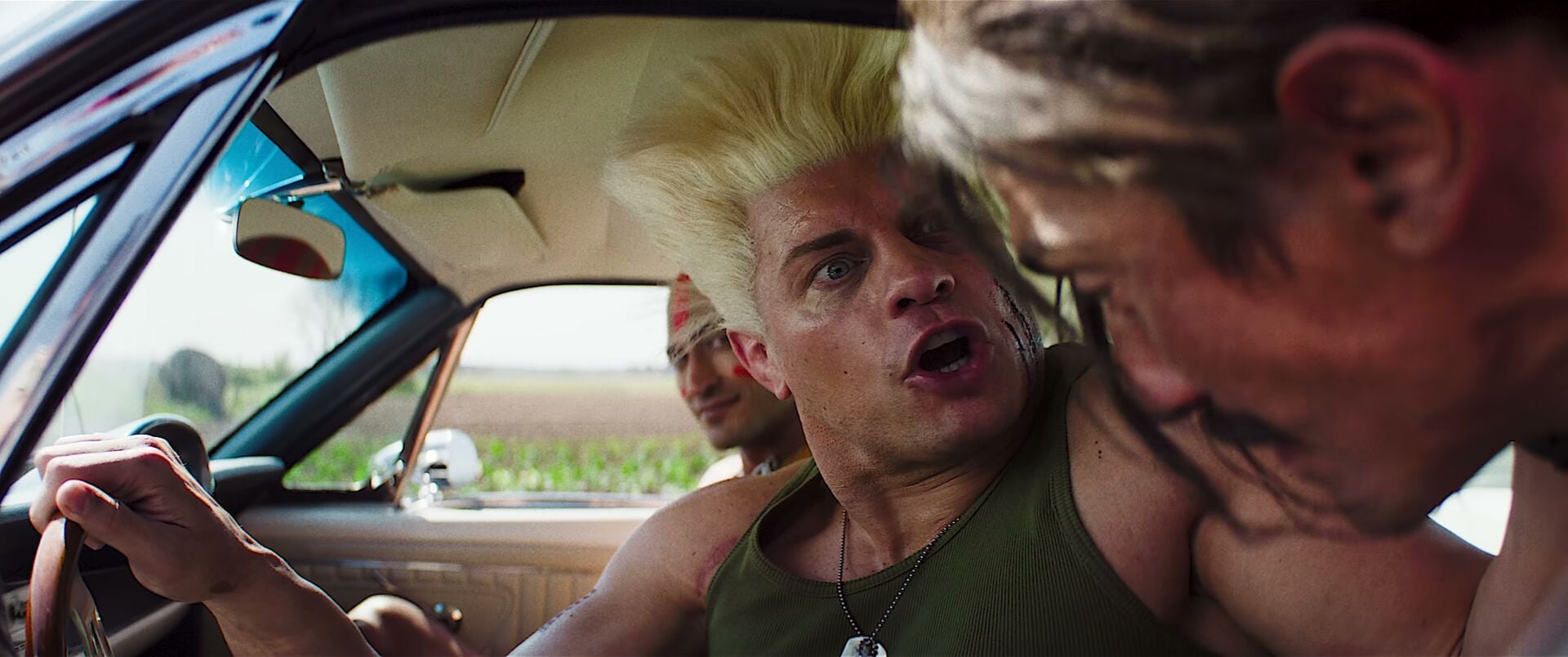
But the worst of it is that even M. Bison isn't spared. The saga's big bad, who is supposed to inspire a bit of dread, seems here to have a thing for Chun-Li's boots and Ryu's feet. An idea that feels lifted straight out of the 1994 Street Fighter with Raul Julia. The casting of David Dastmalchian, who physically resembles the cult actor, is obviously a nod to that first adaptation. Except here the reference curdles into obsession, and the character ends up looking more like the creep in a gross-out comedy than the fearsome head of Shadaloo. This isn't shameless parody any more, it's a Benny Hill routine, gags piling up without ever letting anyone catch their breath.
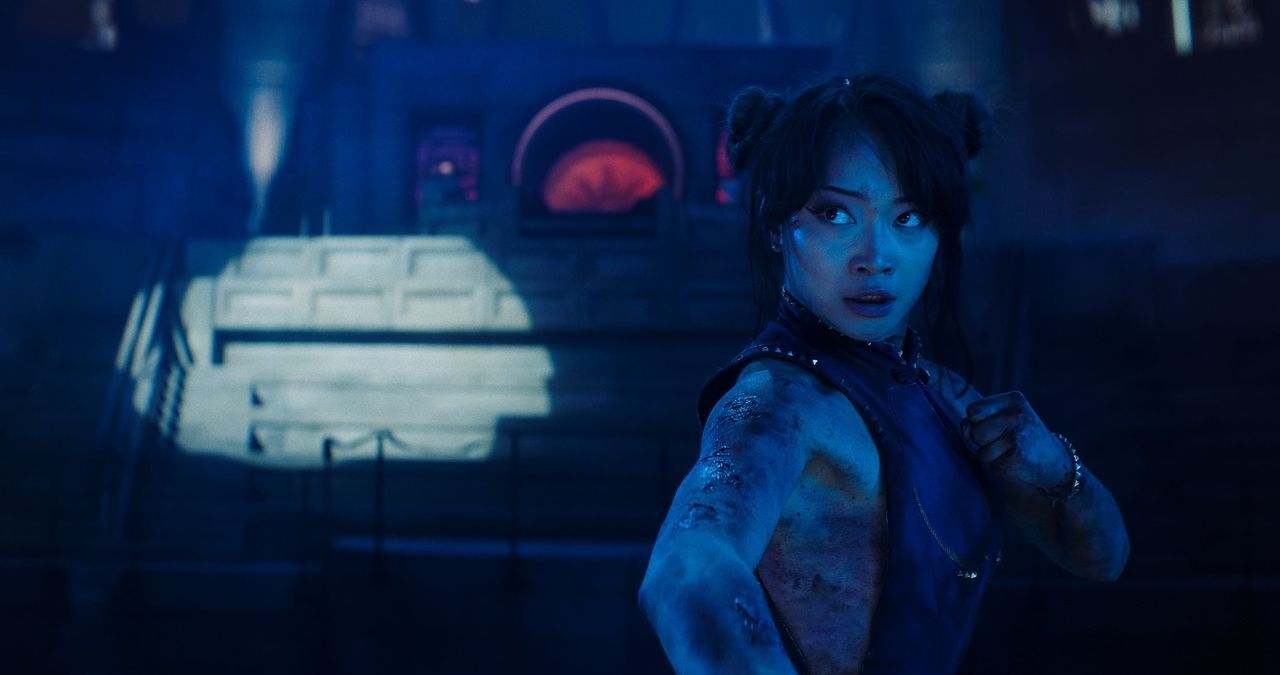
Alongside all this, Chun-Li seems to be acting in an entirely different film. Where the others are permanently played for laughs, she is played dead straight, with an intensity that sometimes tips into caricature. She shouts a lot, is needlessly crude and pushes her reactions so hard that you end up struggling to recognise the Capcom icon. The performance doesn't help. Instead of giving Chun-Li presence and backbone, the actress overplays it, which makes certain scenes genuinely hard to take seriously. The clash with the rest of the cast is all the more striking because the film never seems to know how to handle its own characters.
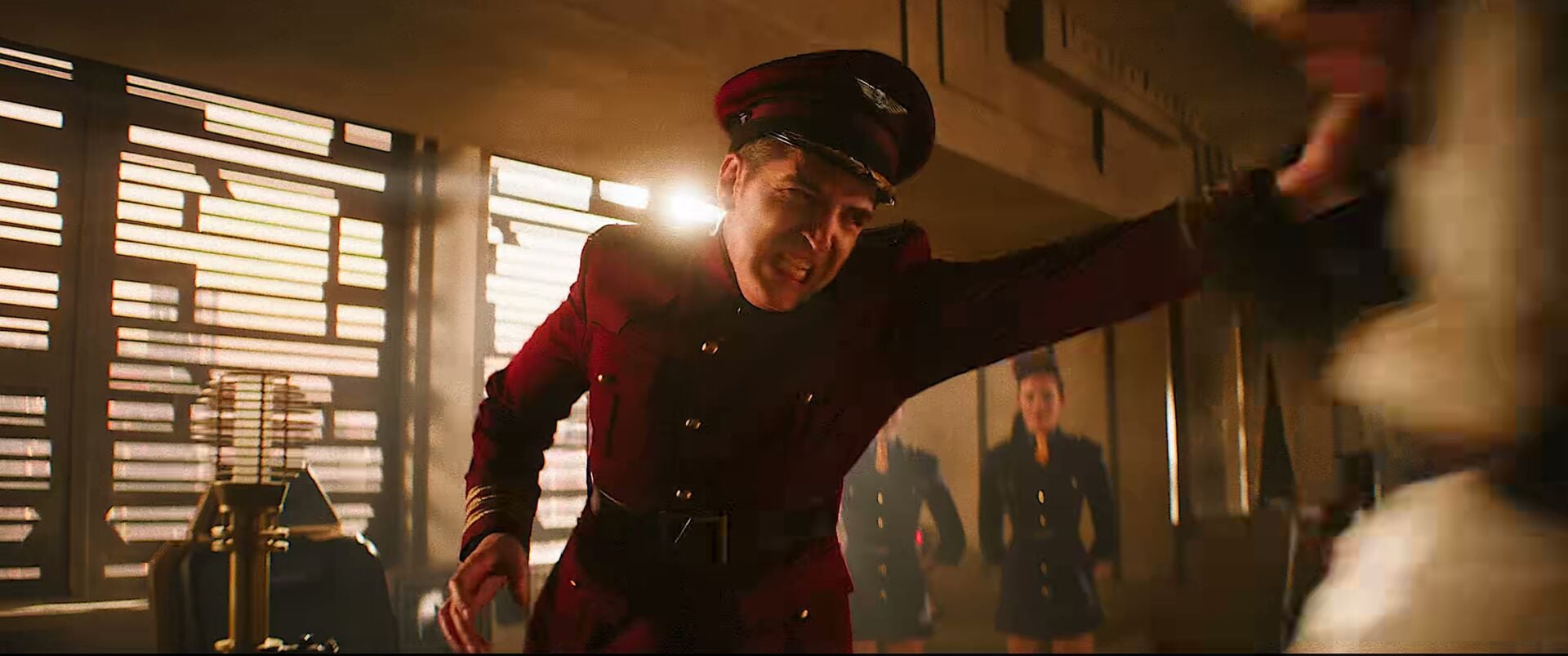
There are good ideas in here, though, with a few well-judged references that show a real knowledge of the saga. Chun-Li's shower scene, like Bison's famous "for you, it was the most important day of your life, but for me it was Tuesday", show that the writers know the terrain and are familiar with the memes that have kept Street Fighter alive well beyond the games. The problem is that these nods too often feel like boxes being ticked. Absurd humour can work perfectly well in the Street Fighter universe. You just have to respect the rhythm a little and let situations breathe. A handful of well-placed gags could have reinforced the film's devil-may-care streak. By trying to turn every character into a punchline, the film ends up diluting its own identity.
Fights that don't deliver
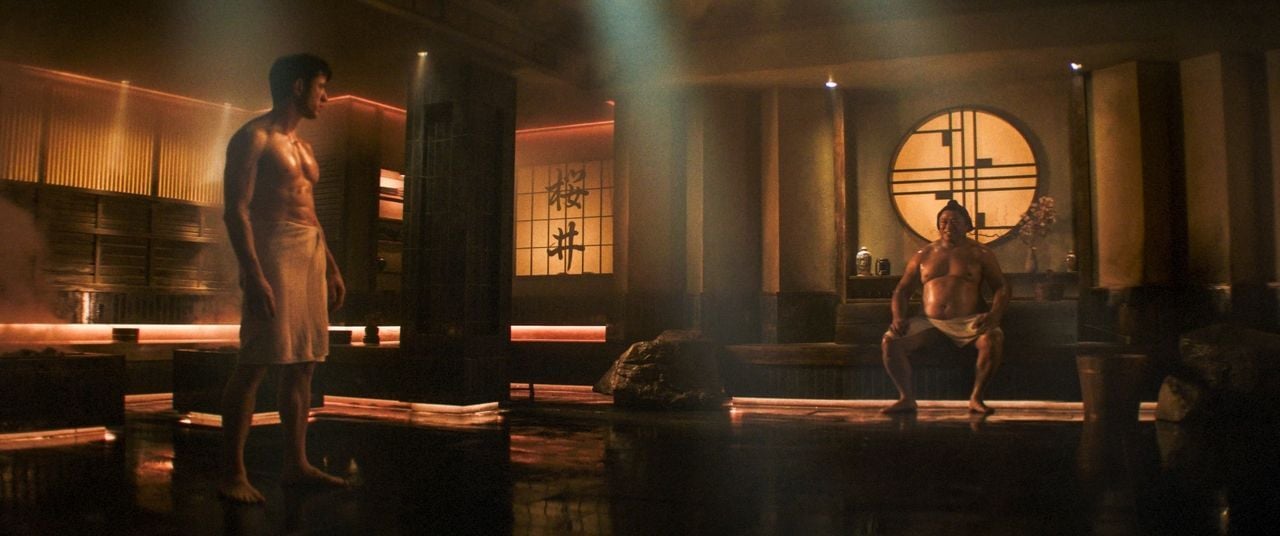
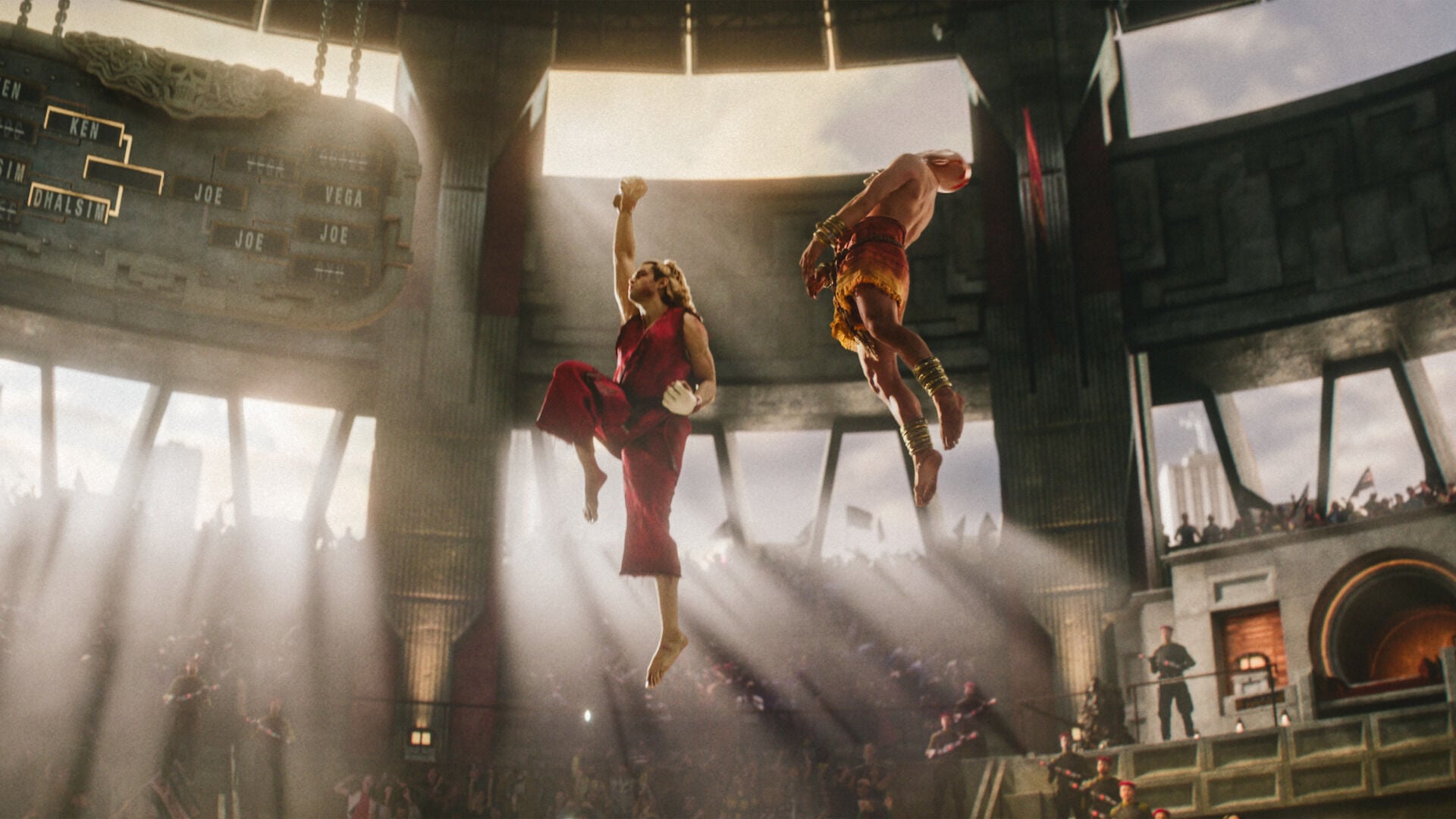
And when you adapt Street Fighter, there's one element on which the film is fair game for scrutiny: the fights. After all, this is a licence whose whole identity rests on its clashes and its iconic techniques. But here too the film disappoints, and even trips over its own feet, thanks to a glaring lack of expertise behind the camera. Aside from one or two scraps, the film never once attempts a clean, coherent fight from start to finish, as though the brawling had been assembled out of little skits. There's no logic to the choreography, and that absence of craft is papered over with crude editing that constantly interrupts the flow of the fights (the Ken vs Dhalsim bout is woefully poor). A few sequences save face, starting with the Ryu–Honda showdown in the bath, and the encounter with Blanka could have been a disaster yet comes out of it decently enough. Much to our surprise.
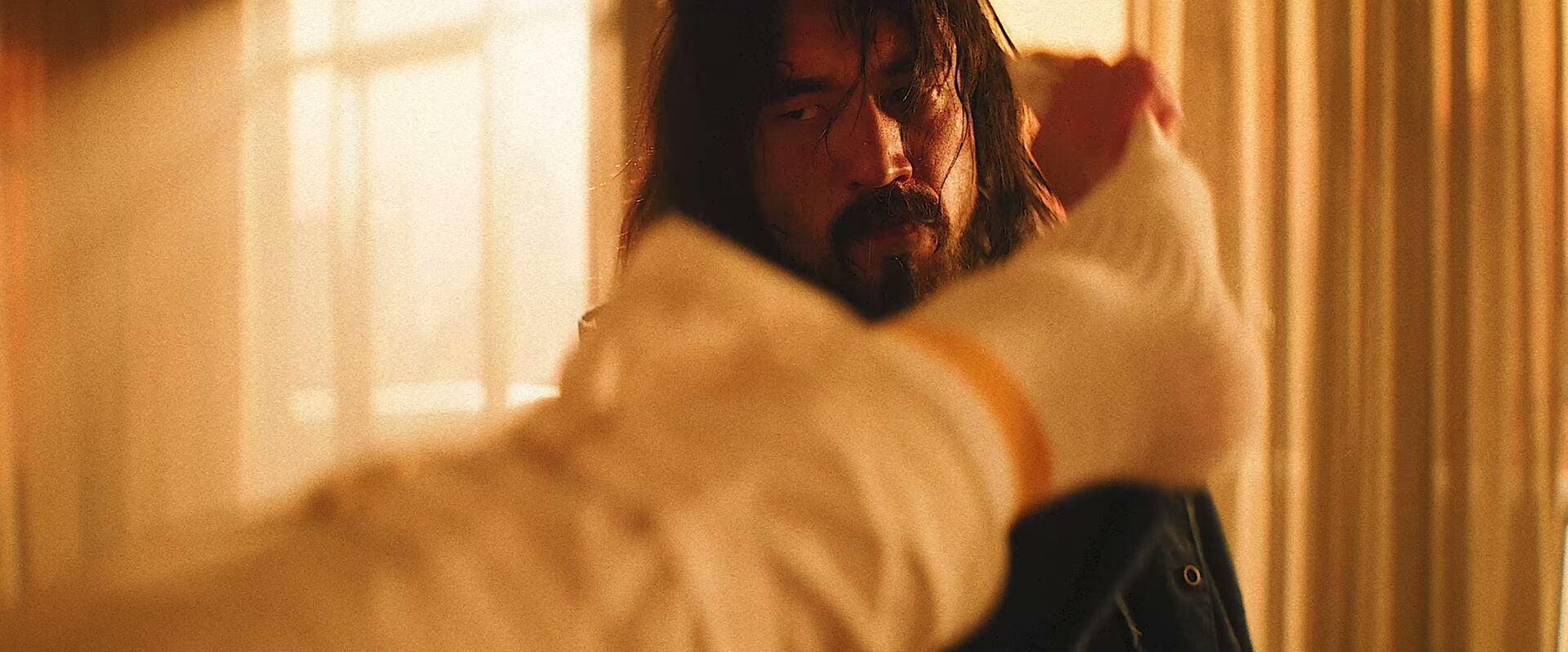
More troubling still, the film flat-out forgets to show us certain events, such as the fight between Guile and Vega, sacrificed on the altar of incomprehensible editing. Guile bears the claw mark left on his face by Vega, and the film alludes to it again towards the end, yet the scene meant to explain that wound simply doesn't exist on screen. So we're left with the consequences of a fight we were never shown. It's hard to be clumsier than that. By way of comparison, the Mortal Kombat films, middling though they are overall, at least offer fights that hold up, with relatively legible choreography and techniques that evoke the identity of the games. Here, Street Fighter too often gives the impression that it sees its punch-ups as a mere formality between two gags. For a Street Fighter adaptation, that's one hell of an uppercut into thin air. A Shoryuken, in this instance.
The good
- The animated sequences are the film's best moments
- A few tasty nods for the fans
- Unapologetic kitsch, which could have given the film real personality
The bad
- Wall-to-wall schoolboy humour that undercuts every serious moment
- Badly choreographed fights, and above all badly edited ones
- Far too many characters for such superficial treatment
- A disjointed story
- The acting isn't up to much either
- A film that tries way too hard