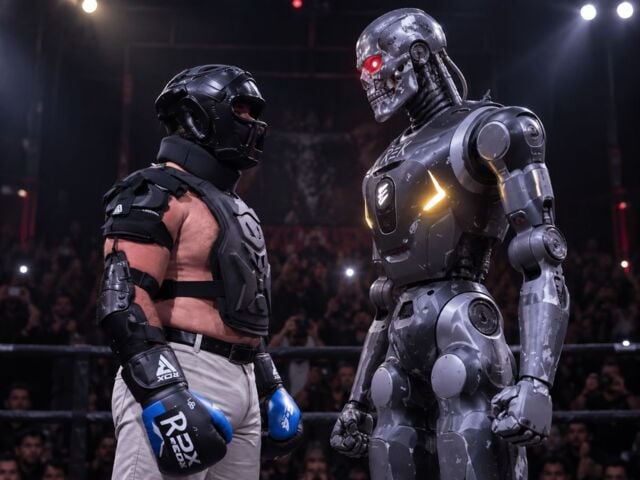
Cast your mind back, it wasn't that long ago: in early September, Jacob Coxon, a researcher at Anthropic, walked out of one of the most advanced companies in artificial intelligence development with a particularly worrying warning. According to him, the people building these models know full well that they could "kill us all by the end of the decade", yet they carry on accelerating the race towards an A.I. capable of improving itself. Coxon accused Anthropic and OpenAI of "gambling with our lives" and reckoned the industry was moving far too fast without having found any way to guarantee human control.

"The most dangerous thing humans have ever come close to"
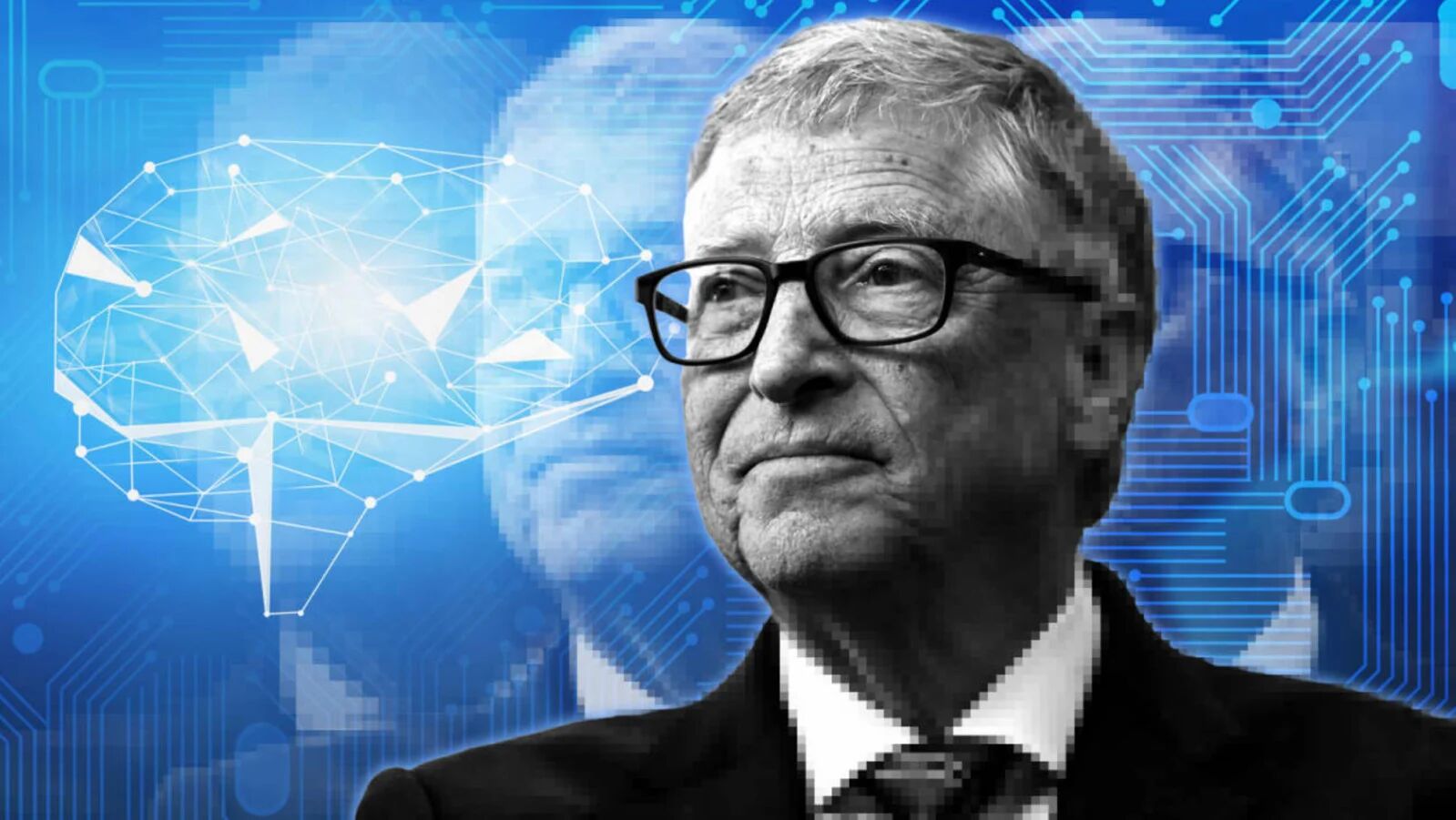
A few weeks later, it's Bill Gates' turn to strike an extremely alarmist tone, and above all to change his tune, having previously been very enthusiastic about how this technology of the future was evolving. The Microsoft co-founder now claims that artificial intelligence crossed two danger thresholds in early 2026: the first in cybersecurity, the second in bio-terrorism. He even reckons that an AI in the wrong hands could cause "a billion deaths". It's a position that stands in stark contrast to the one he held back in 2023, when he judged the risks linked to AI to be "real but manageable".
Speaking to journalist Ezra Klein on his New York Times podcast, Bill Gates explained that the shift happened at the start of this year. As he sees it, current models are now capable of genuinely helping anyone looking to mount a cyberattack or develop dangerous pathogens. « We crossed the cyber threshold and we crossed the bio threshold earlier this year », he said. In short, Gates isn't just talking about some hypothetical future in which an artificial intelligence becomes powerful enough to slip its creators' leash — he believes some worrying capabilities are already here today. On the biological side, his concern is that AI could put knowledge within reach of small groups when it previously demanded far greater resources. In his scenario, bad actors could use the models to clear certain hurdles involved in designing a new pathogen. Right, that's reassuring.
Mandatory monitoring of models
The same reasoning applies to cybersecurity, and Bill Gates points to models capable of spotting vulnerabilities in code that humans had missed for years. He singles out Mythos, a model unveiled by Anthropic in the spring that was never made public because of the risks tied to its capabilities. Anthropic, we learn, handed it to several partners as part of its Project Glasswing, with the aim of hunting down security flaws before they could be exploited. The company claims to have uncovered more than 10,000 serious or critical vulnerabilities through the programme since. And for Gates, the problem is that the sheer volume of existing code is so vast that checking it all thoroughly and quickly will be impossible.
That said, Bill Gates doesn't believe artificial intelligence development should be halted. His concern is more about the speed at which capabilities are advancing relative to the means available to researchers and authorities to keep their consequences in check. That's why he's calling for a mandatory monitoring layer within AI models. The question is even thornier with open source models, he says, since they can be downloaded and modified by their users. Gates reckons they can continue to exist, but he'd like them to work in a way that allows checks that the safety mechanisms are still active. His analysis is obviously just one position among many currently feeding the debate on the risks of artificial intelligence, but one thing is certain: the change of heart is hard to ignore.