
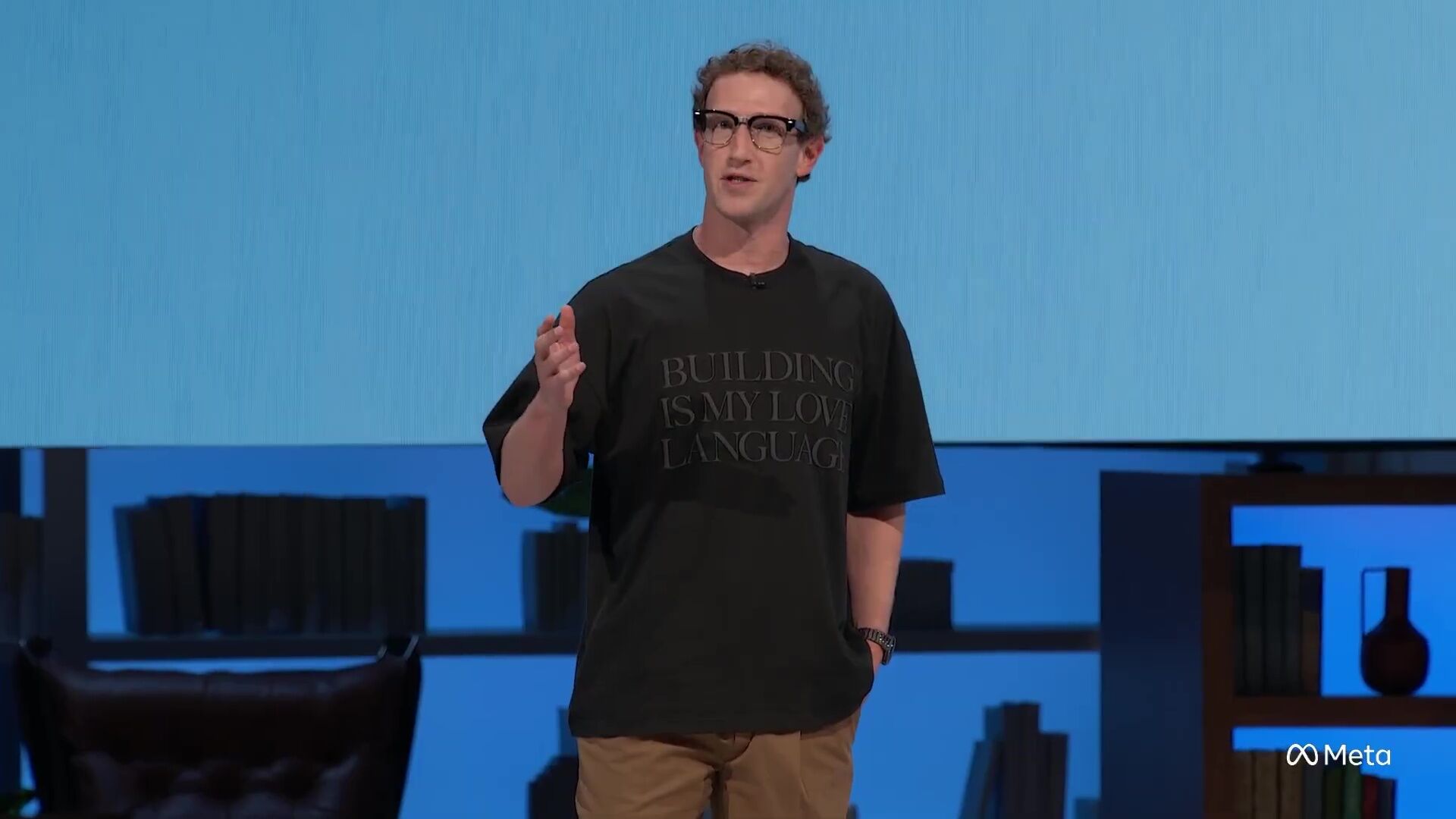
Meta (the parent company of Facebook, Instagram and WhatsApp) held its big annual 'Meta Connect' conference overnight in Menlo Park, California, with another downpour of announcements around artificial intelligence, smart glasses and virtual reality. Mark Zuckerberg, its geek-in-chief, took the opportunity to unveil a new pair of Ray-Bans with no camera, at a time when the previous models sit at the heart of several privacy-related controversies.

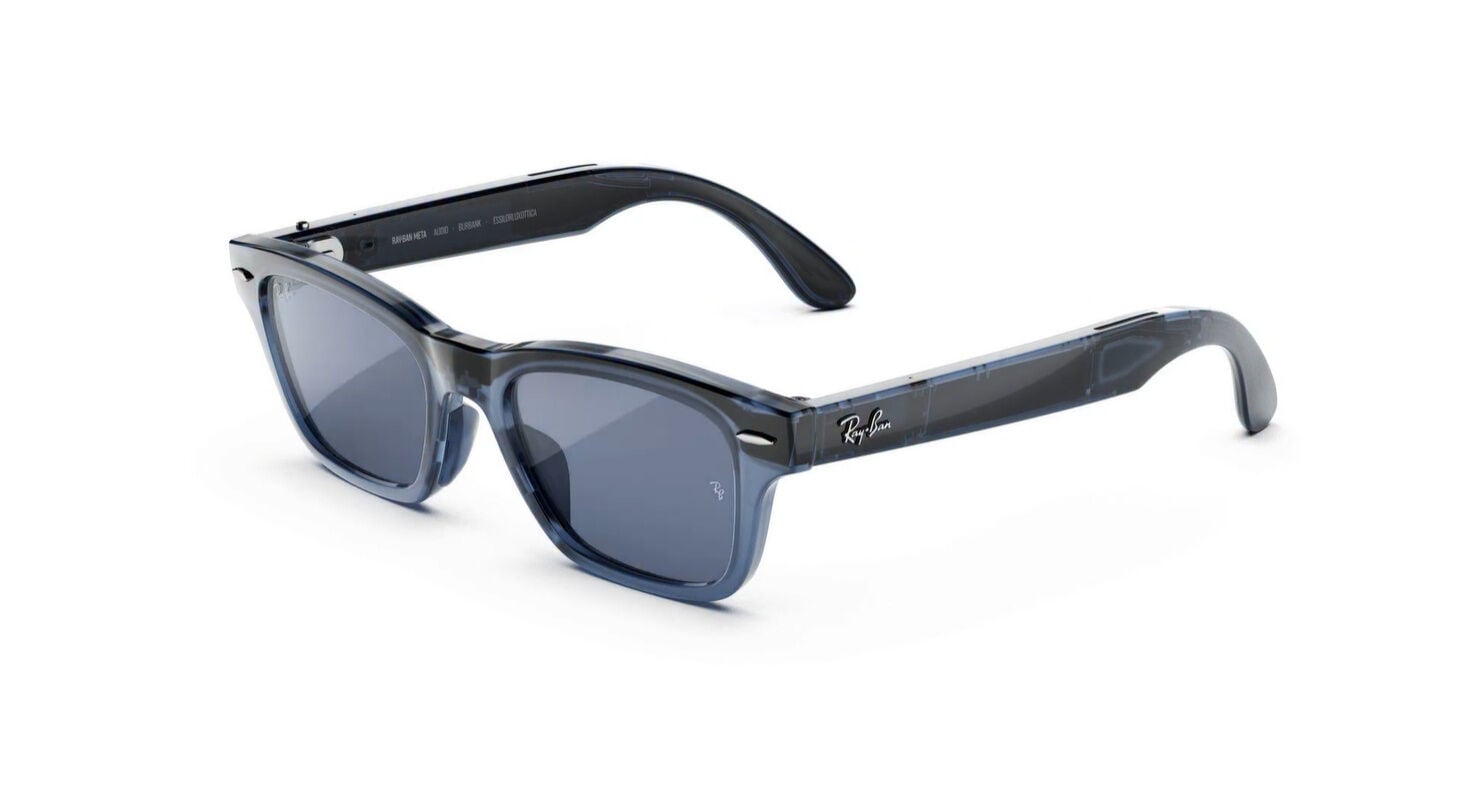
For several months now, Meta's camera-equipped glasses have been drawing plenty of flak, since they make it possible to discreetly film the people around you, often entirely without their knowledge. In France, the Paris public prosecutor's office has opened several investigations following complaints from women who say they were filmed without their consent using the glasses. It's against this rather toxic backdrop that Meta has decided to sell the 'Ray-Ban Meta Audio' model, which ditches the camera but keeps the speakers and a microphone. With the camera gone, the glasses are lighter and slimmer, with better battery life, while hanging on to their AI features. Zuckerberg presented the glasses himself during the conference, explaining that the absence of a camera opened up "even more new design possibilities".
The Ray-Ban Meta Audio go on sale in the United States from 13 October, priced at $350 — but don't worry, Meta is planning a UK release too.
The camera glasses aren't going anywhere
Despite the numerous complaints, Meta has no intention of dropping camera-equipped glasses — far from it. Zuckerberg's company is still selling its existing models and even used the conference to show off a new generation with better battery life, along with new frames and a more affordable model. Asked about the criticism aimed at the camera models, Vishal Shah, Meta's vice-president of AI products, defended the current set-up. He explained that the indicator light on the front of the glasses, which signals that a video recording is in progress, has been made more visible over time. In short, it's up to the person being filmed to react accordingly... Not a great look, PR-wise.
You are my Muse
Another headline item from the keynote: Meta's new AI assistant, going by the name of Muse. It's an AI you can talk to, quiz for information or use to carry out various tasks without pulling your smartphone out of your pocket. The feature will roll out to every model over the coming weeks. Meta wants to go further still with 'Muse Charm', a small device that clips onto a keyring and also lets you interact with the assistant. Zuckerberg pitched it as a particularly handy solution for people who don't wear glasses, since it keeps them in touch with Muse without going through a phone. Essentially, Meta is desperate to be among the first to make the AI assistant ever-present and addictive. Same old story: create the need, then sell by the truckload. Message received.
Glasses with a screen and a new VR headset
Meta Connect wasn't limited to the Ray-Ban Meta Audio, as the company also announced that the Ray-Ban Display — premium smart glasses fitted with a small screen and backed by a host of apps — will arrive in Europe during October. And that's not all: Meta also lifted the lid on a new virtual reality headset, far more compact than traditional models and shaped like a chunky pair of ski goggles (hello there, Apple Vision Pro). It's due to launch in 2027 at a price north of €1,000, which puts it squarely in premium territory.
All of these announcements point to Meta's determination to multiply the formats built around artificial intelligence and gradually loosen our dependence on the smartphone. Apparently this is the thing that's going to free us from our phones...