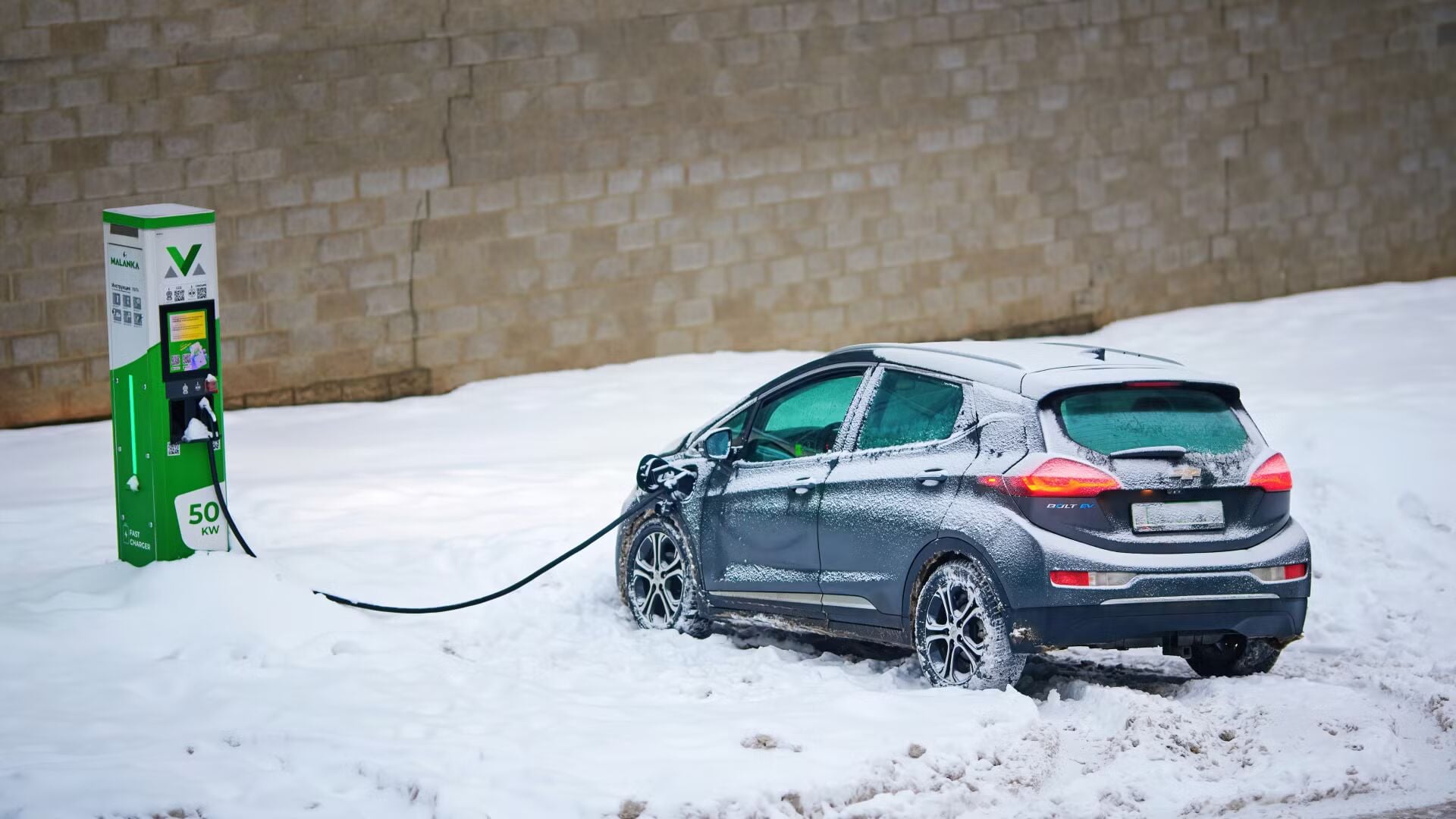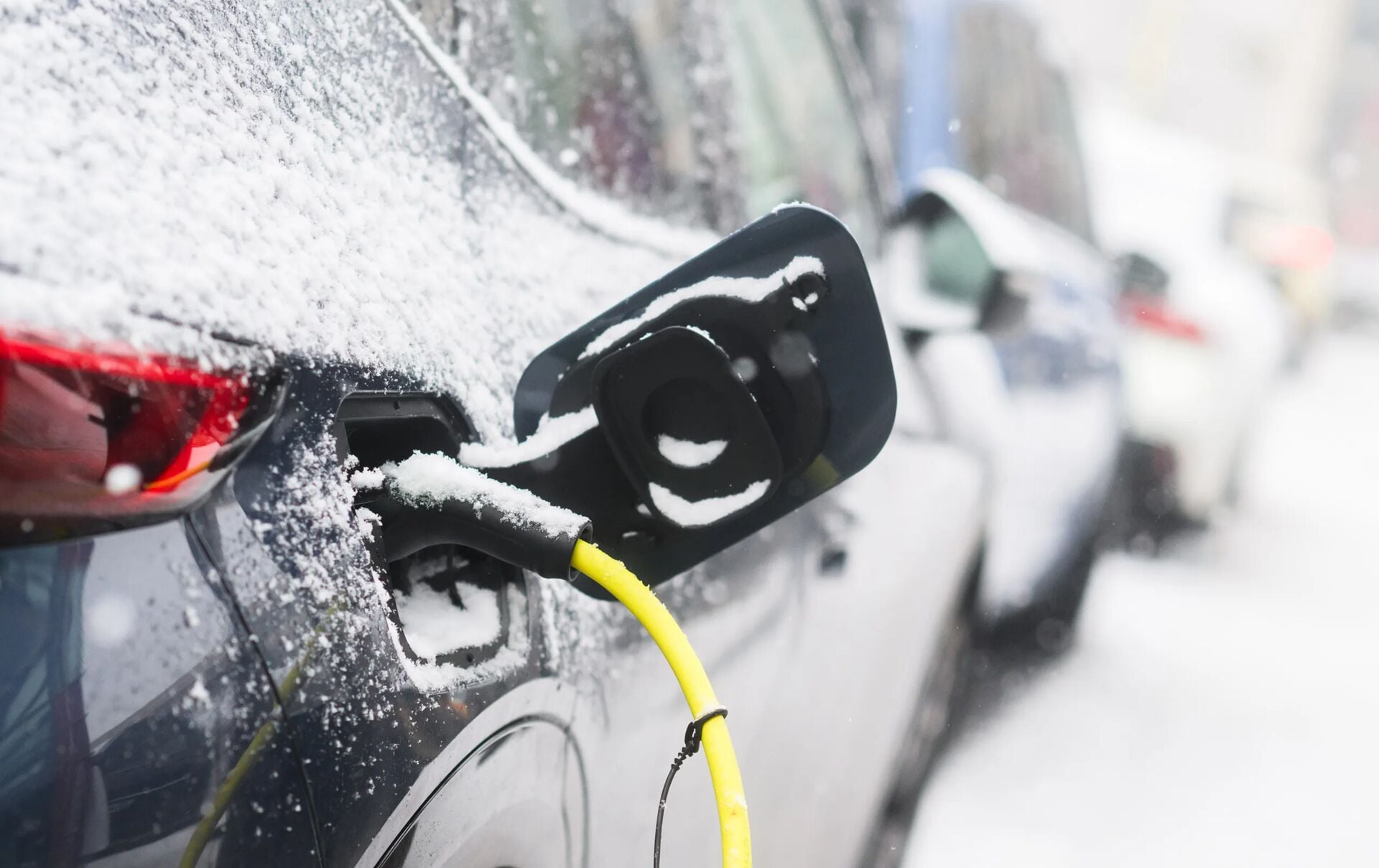

Electric car batteries have one well-known enemy: the cold. As soon as temperatures drop, range falls sharply and charging times stretch out considerably. It's a problem manufacturers know all too well, and one they still haven't found a magic fix for. But a team of Chinese researchers at Nankai University may just have found a way around it. They have managed to create a new lithium battery able to operate at extreme temperatures, down to -70°C in the lab, with an energy density far beyond that of today's lithium-ion batteries. The discovery was published in the journal 'Nature' in March 2026 (yes, we know we're not exactly up to the minute, but screenactu is only a few weeks old). At the heart of the breakthrough is the idea of rethinking the very composition of the electrolyte, the liquid that lets lithium ions travel around inside the battery. The early results are promising. Here's how it works.
Why don't batteries like the cold?
To understand why this discovery matters, you need to go back to how a battery works. When it charges or releases energy, lithium ions have to travel between the electrodes via the electrolyte. In conventional batteries, though, the solvents used tend to hold on to those ions quite tightly. Before they can move, the ions first have to break free of that interaction — something that becomes difficult as the temperature falls. The result is that exchanges slow down and battery performance drops. It's one of the reasons an electric car can lose a significant chunk of its range in winter. Charging also becomes slower, because the battery is working in less favourable conditions. Until now, the electrolytes in commercial batteries have relied mainly on oxygen-based solvents. It's a proven solution, but one that shows its limits when the thermometer plunges. The Nankai researchers therefore decided to rethink that approach, developing fluorinated solvents capable of changing the way lithium ions interact with their environment.

Fluorine at the heart of this new battery
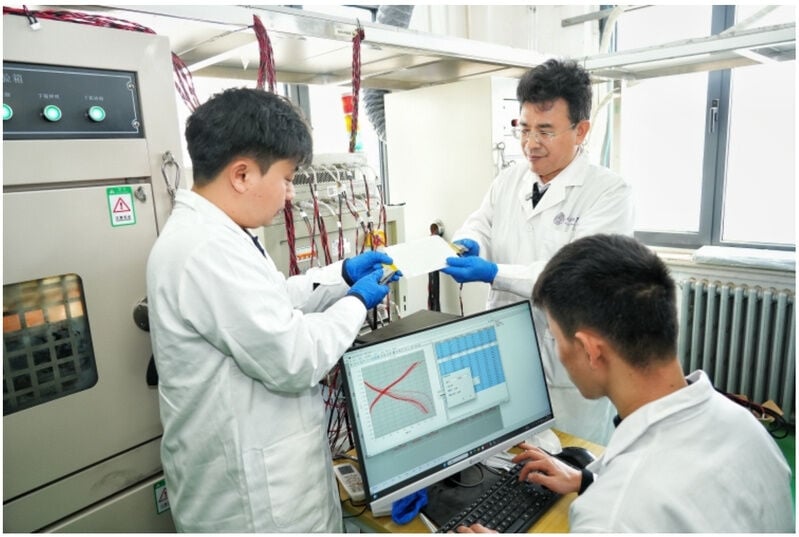
The compound used by the Chinese team is called 1,3-difluoropropane. Its appeal lies in the way it interacts with lithium. Where traditional solvents hold the ions relatively tightly, this molecule weakens that interaction. The ions can therefore move more easily, even when temperatures become particularly low. The first results give a sense of the technology's potential. At room temperature, the experimental cells reach an energy density of more than 700 Wh/kg, and at -50°C they still hold around 400 Wh/kg. For context, the best-performing commercial lithium-ion batteries generally sit at around 250 to 300 Wh/kg at cell level. The gap is therefore considerable, and potentially a game changer. If these figures could be reproduced on a large scale, the technology would allow more energy to be stored in a battery of the same weight. It could also solve a major headache for electric vehicles in regions where winters are especially harsh, such as northern China, Russia or Canada.
Another interesting point: the researchers measured an ionic conductivity of 0.29 mS/cm at -70°C. The system is therefore still able to carry ions at a temperature where conventional electrolytes run into serious trouble. The tests also show a coulombic efficiency (a term I'd never come across before working on this story, I won't lie to you) of up to 99.7% during lithium plating and stripping cycles at -50°C.
Is this a revolution?
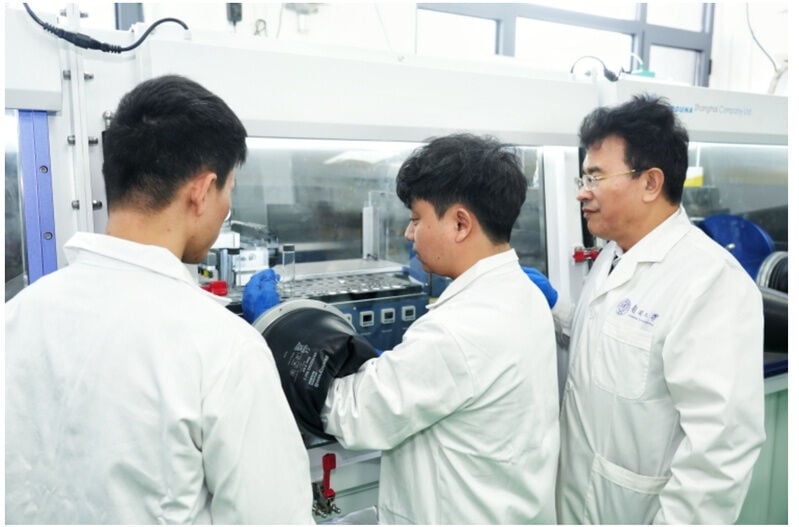
On paper, the numbers are genuinely impressive, but it's worth staying cautious before picturing this battery in a BYD, X-Peng, Xiaomi or Tesla. Why? Because these results were obtained in the lab, on experimental cells, and several hurdles remain before industrial production can even be considered. The first is service life: the roughly 115 cycles reported so far are still a long way off automotive requirements, where a battery has to withstand several thousand cycles under widely varying conditions. Exceptional energy density counts for little if the battery loses its capacity quickly. The stability of the solvent also raises questions. 1,3-difluoropropane is volatile and its boiling point sits at around 48°C. Ways will have to be found to better control its behaviour as temperatures rise, without losing the advantages gained in extreme cold. The researchers will also need to dig deeper into questions of safety, cost and long-term stability.
That said, this breakthrough isn't just a flashy lab experiment. A battery that can hold on to a high energy density in extreme cold could be of interest to sectors where temperatures cause real headaches, such as aerospace or high-altitude drones. Polar missions could also benefit from this sort of technology. All of which is to say there's still a fair way to go before this new tech turns up in our cars (and in our smartphones too, let's be honest), but the Nankai team has shown that it's possible to rethink some of the fundamentals of battery design. And this avenue could clearly lead to something concrete if the Nankai researchers keep at it.