
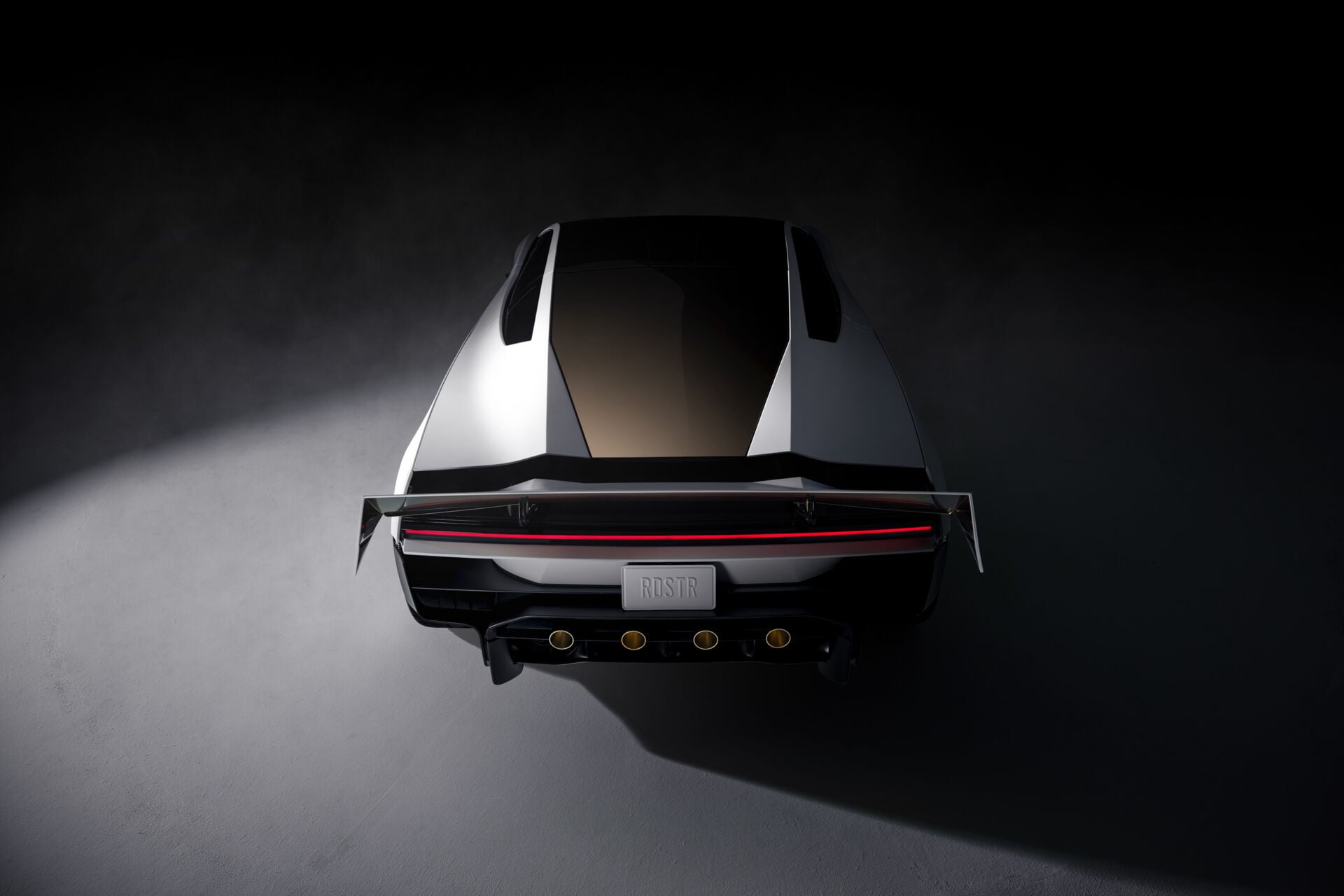
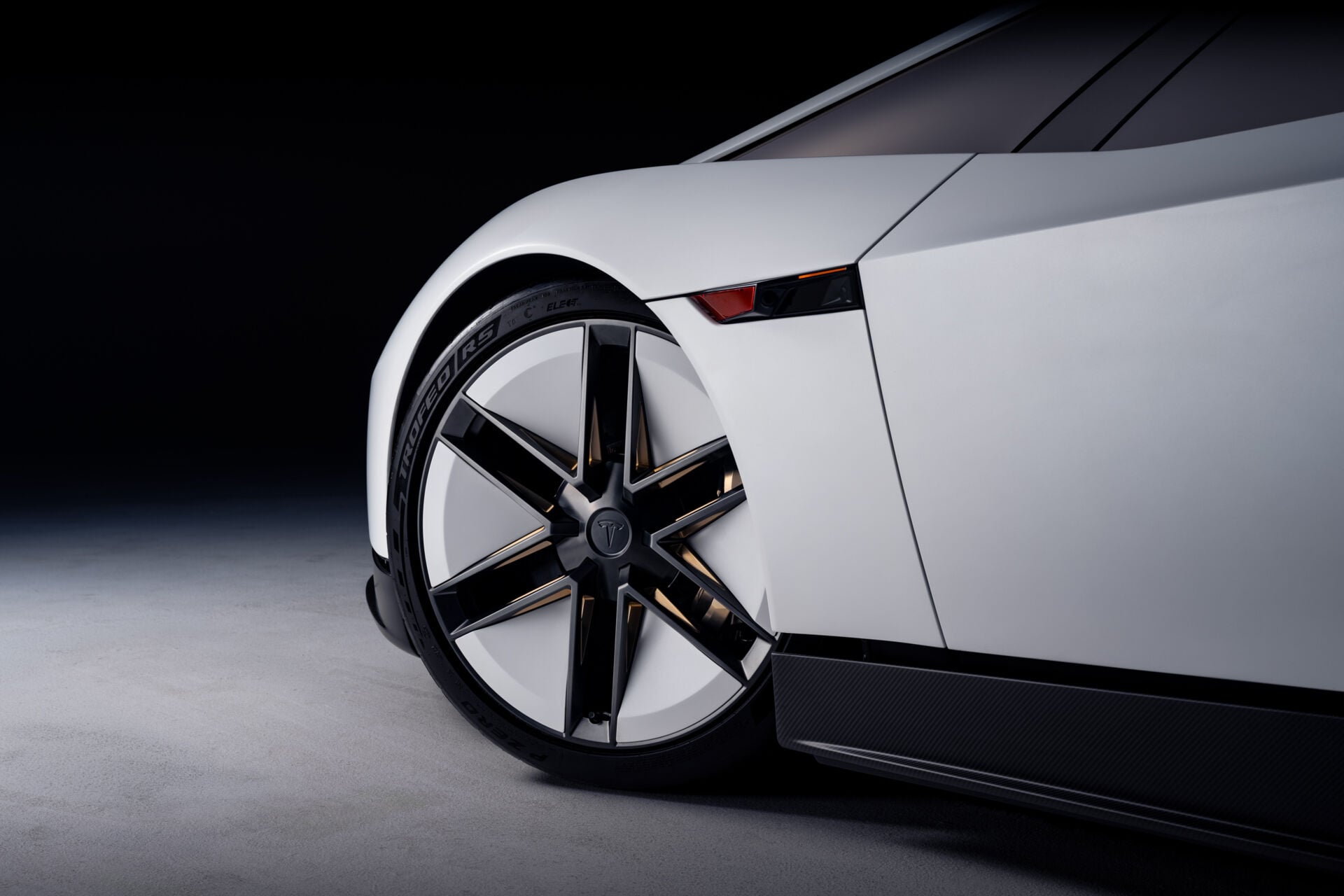
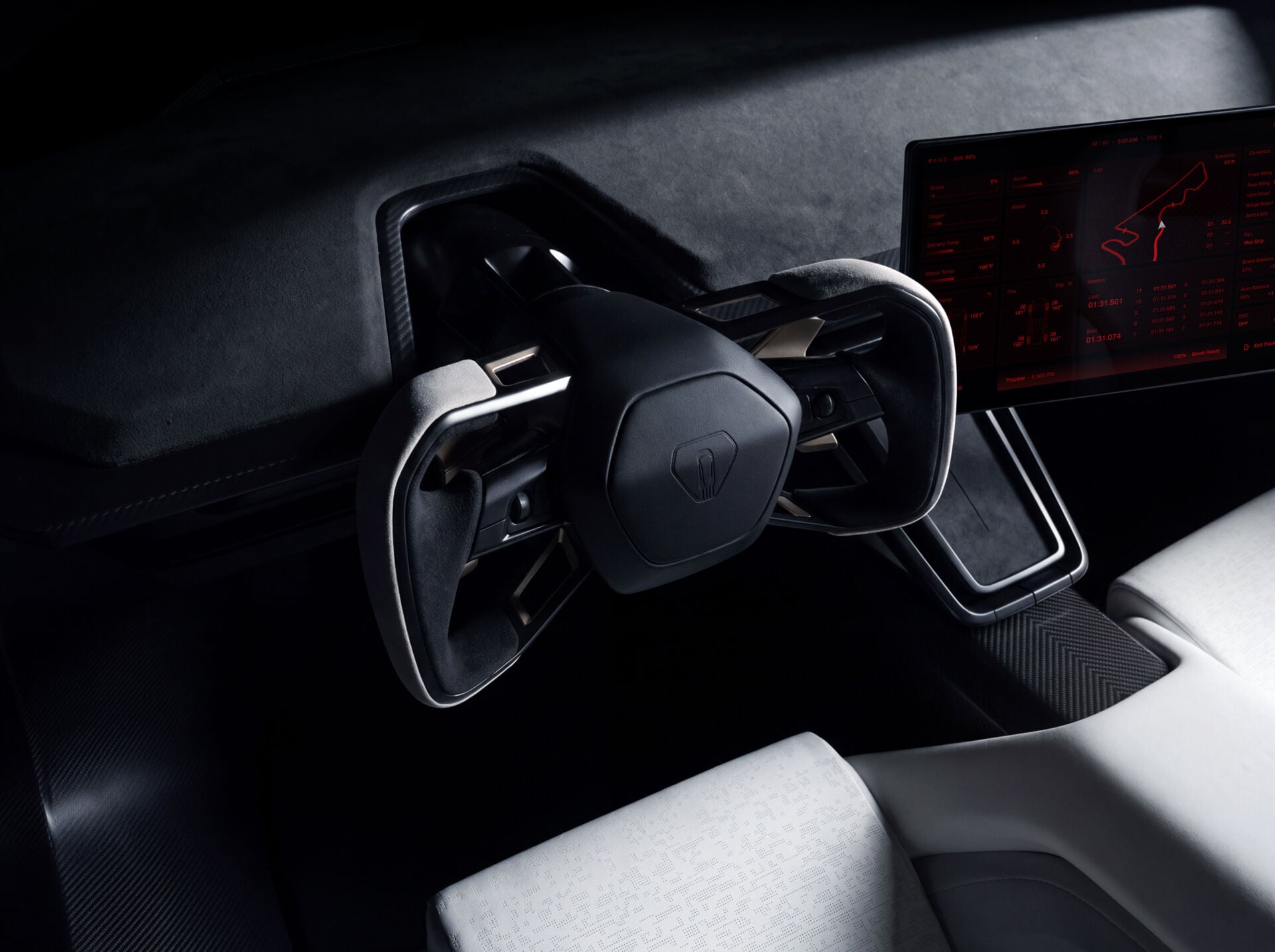
You'd think we'd seen just about everything from Elon Musk by now, but the Tesla boss has found yet another way to get people talking. On 15 October 2026, in Texas, he unveiled a new version of Tesla's Roadster, this time souped up with tech borrowed from SpaceX. The result: a car that can "fly" (those inverted commas matter), but above all drive upside down (briefly), and even pull off acrobatic stunts in mid-air before landing back on all four wheels. Tesla explained that these feats rely on technology developed with SpaceX, which supposedly allows the car to generate up to 2 G of force. When Elon Musk wants to upstage Vin Diesel and the Fast & Furious franchise, there's only one step to take — and he's clearly taken it. Here's a quick rundown of what happened last night, in front of millions of people.

I believe I can fly
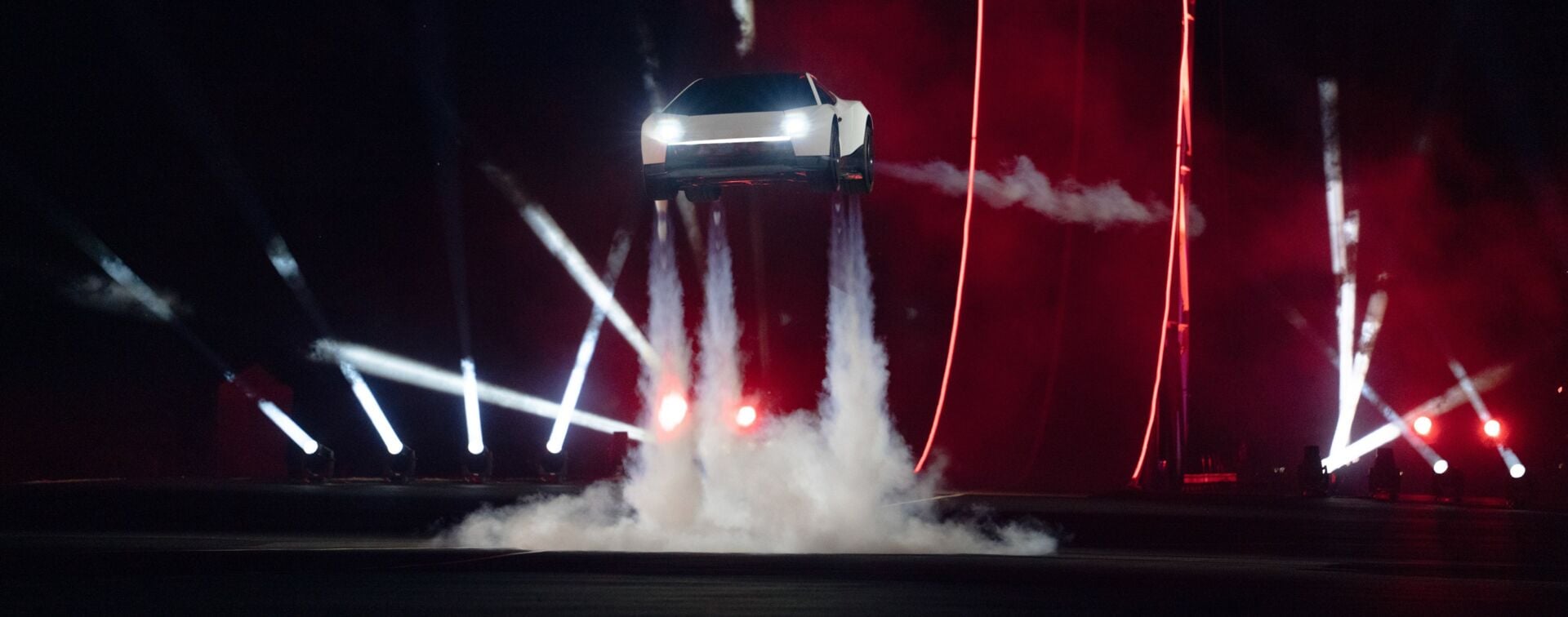
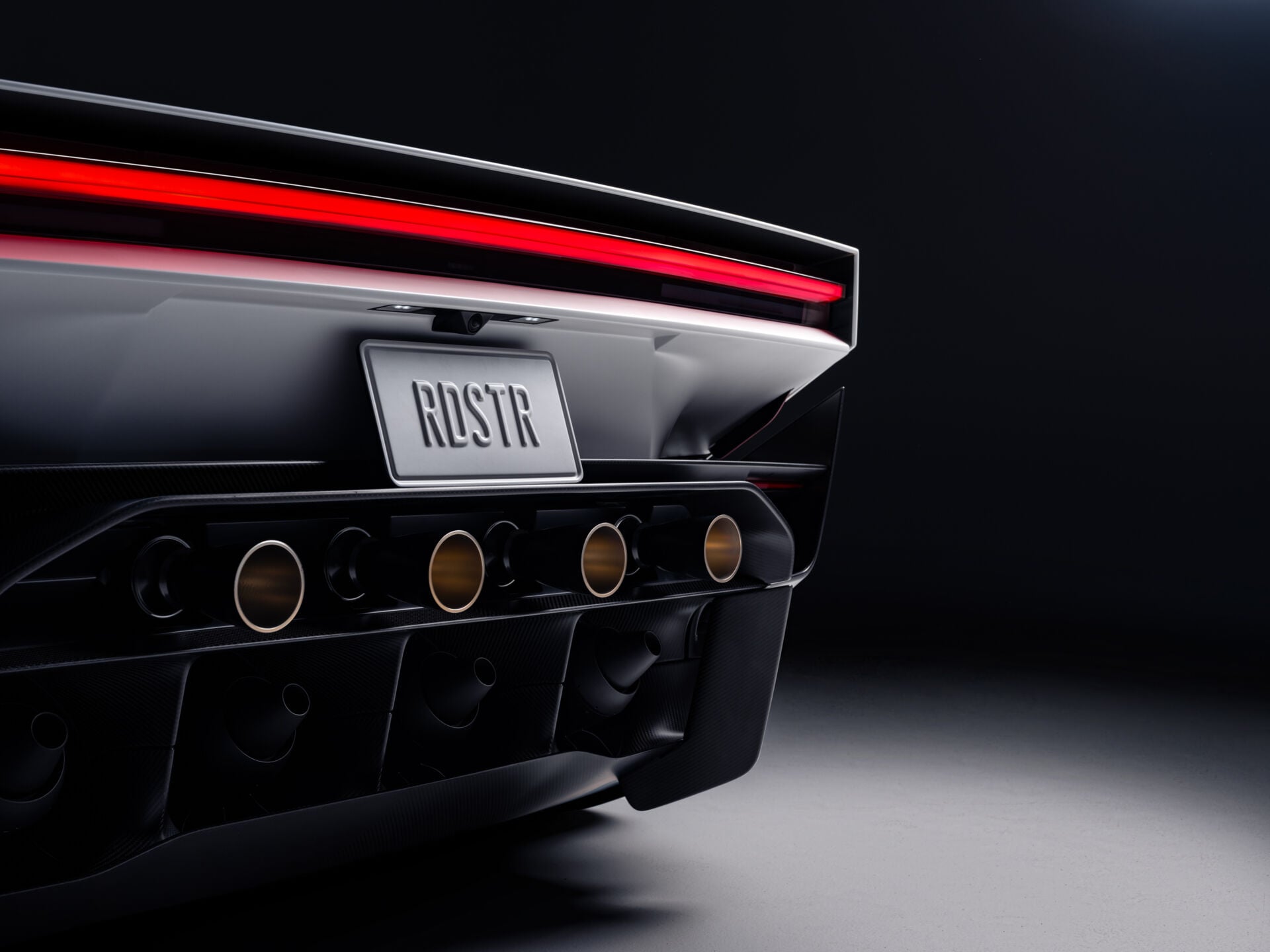
Elon Musk had promised an out-of-the-ordinary presentation, and Tesla didn't skimp on the spectacle. During the demonstration staged at SpaceX's test site near Waco, the Roadster launched up a curved ramp roughly 15 metres high, then carried on upside down, wheels pointing skywards. The car then left the track, performed several rotations in mid-air and came back down to earth thanks to cold-gas thrusters. And the show didn't stop there, as the Roadster also jumped over a row of parked cars, complete with a mid-flight rotation worthy of the best James Bond and Fast & Furious stunts combined. That said, while the footage shows a car capable of leaving the ground during these show-off demos, you can't really call it a flying vehicle in the literal sense, i.e. one able to move freely through the air. Rocket-car is the better term, since the system actually relies on thrusters and compressed-air tanks. To pull off results like these, the car needs active aerodynamics and lightweight materials, with a light body built from the likes of carbon fibre, titanium and even magnesium to keep the weight down.

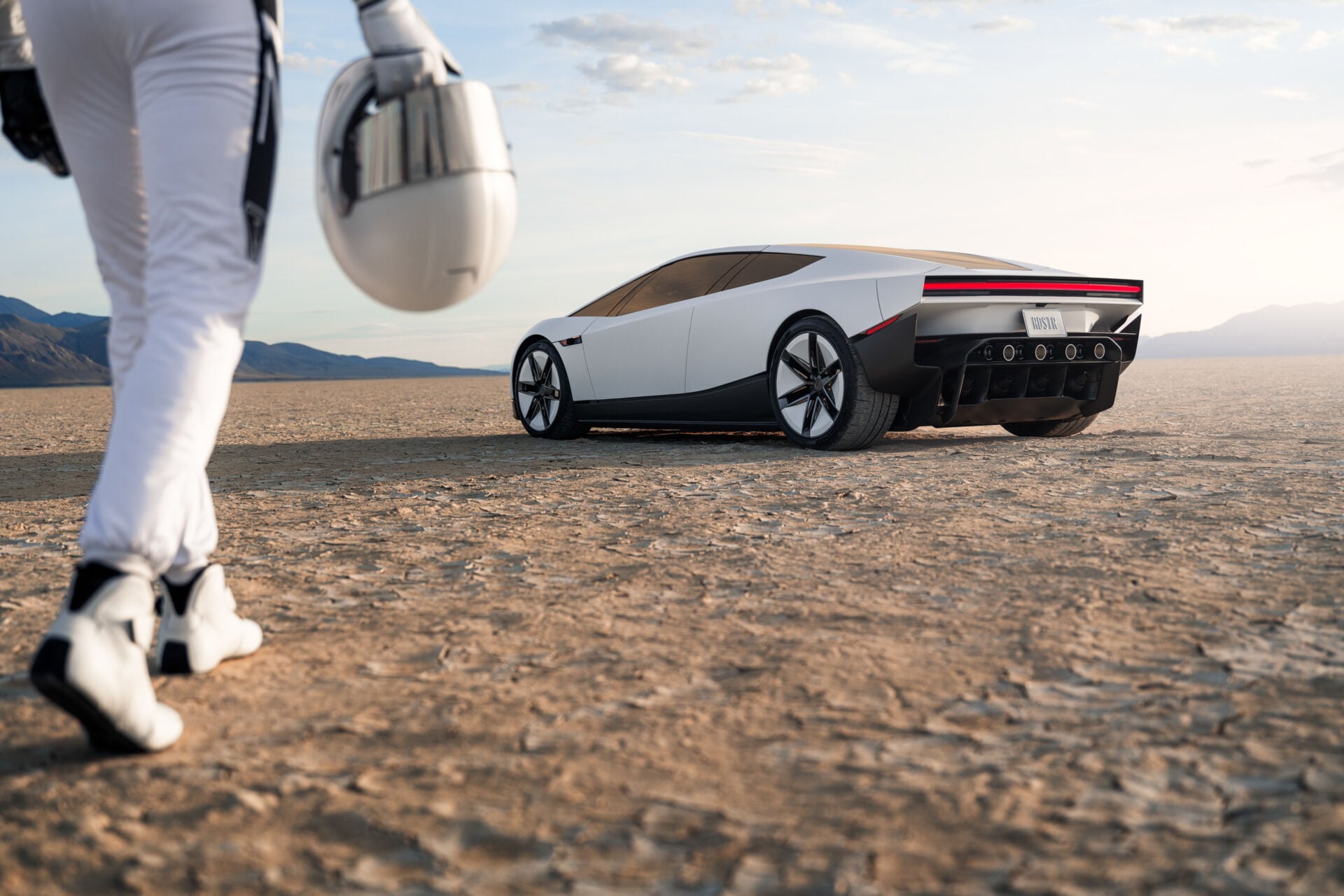
On the technical side, Tesla claims the Roadster can hit 100 km/h in just 0.81 seconds, or even 0.67 seconds if you go by Musk's own method of calculation. A top speed of 370 km/h has also been mentioned, along with the ambition of reaching 400 km/h (but what for?). That's not all, either: we've also learned the vehicle would offer a range of up to 1,000 kilometres, according to figures provided by the company. Those numbers still need confirming under independent test conditions, though. At this stage, the firm hasn't yet supplied all the technical details needed to properly judge what the production car can do.
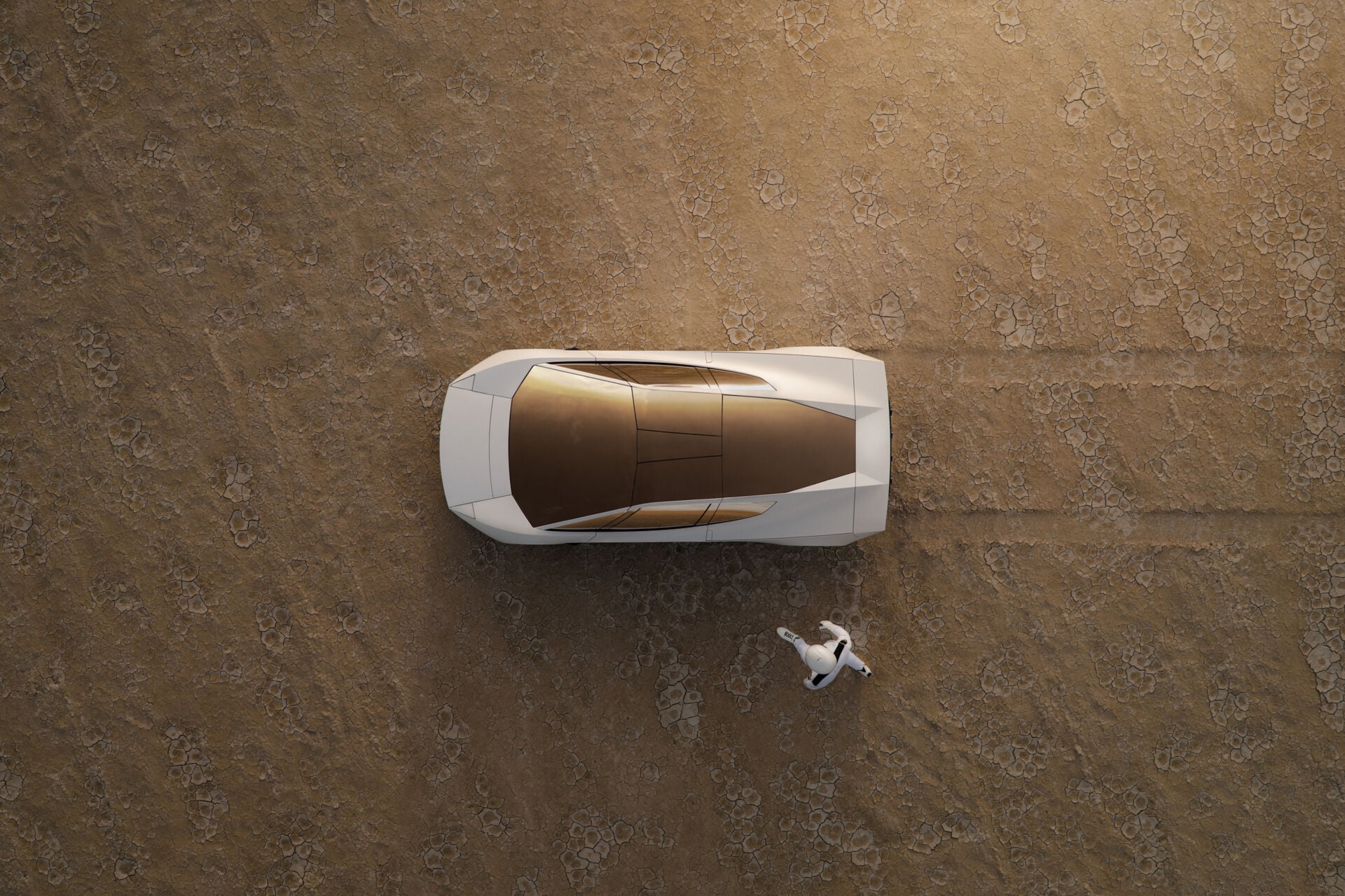
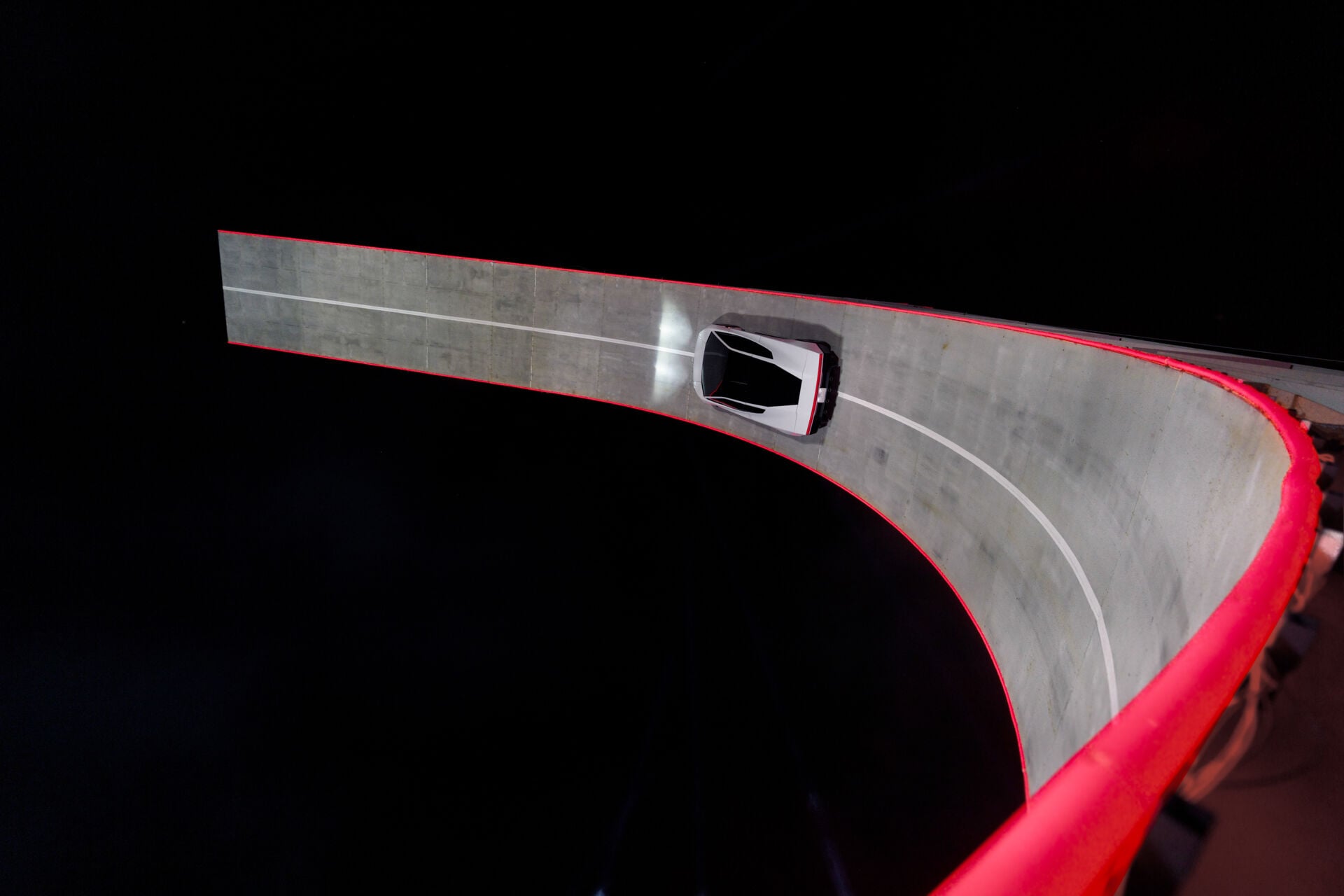
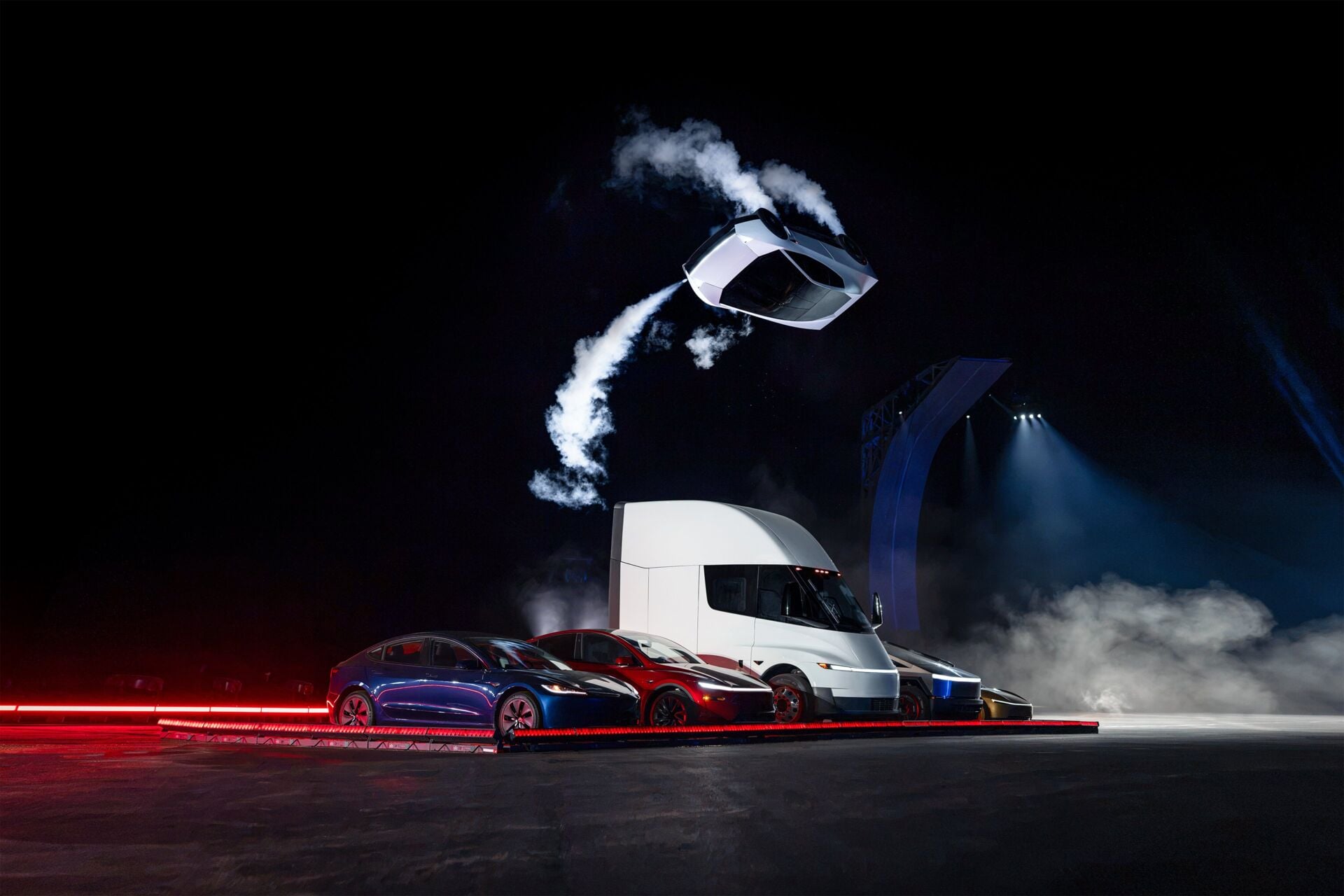
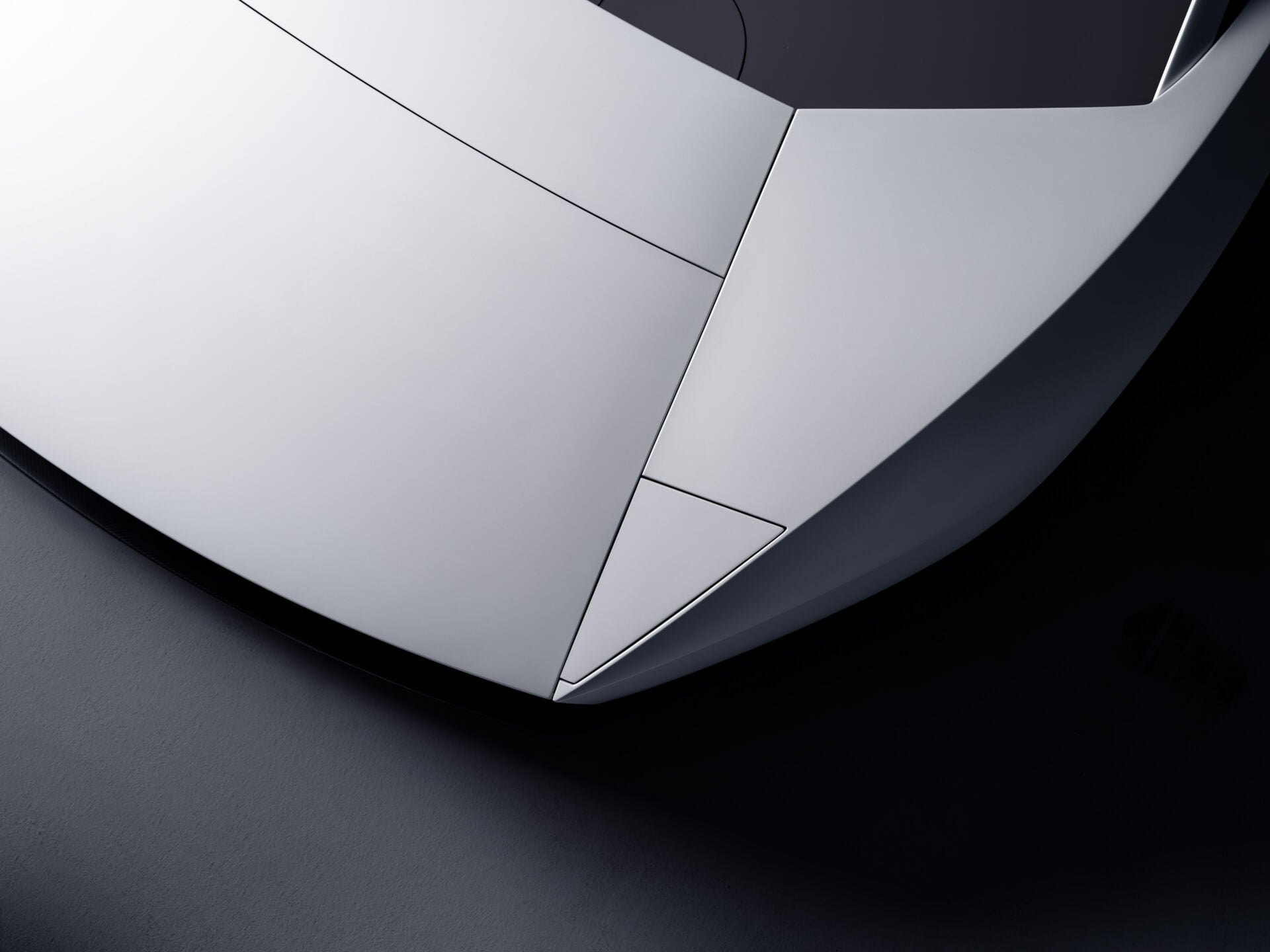
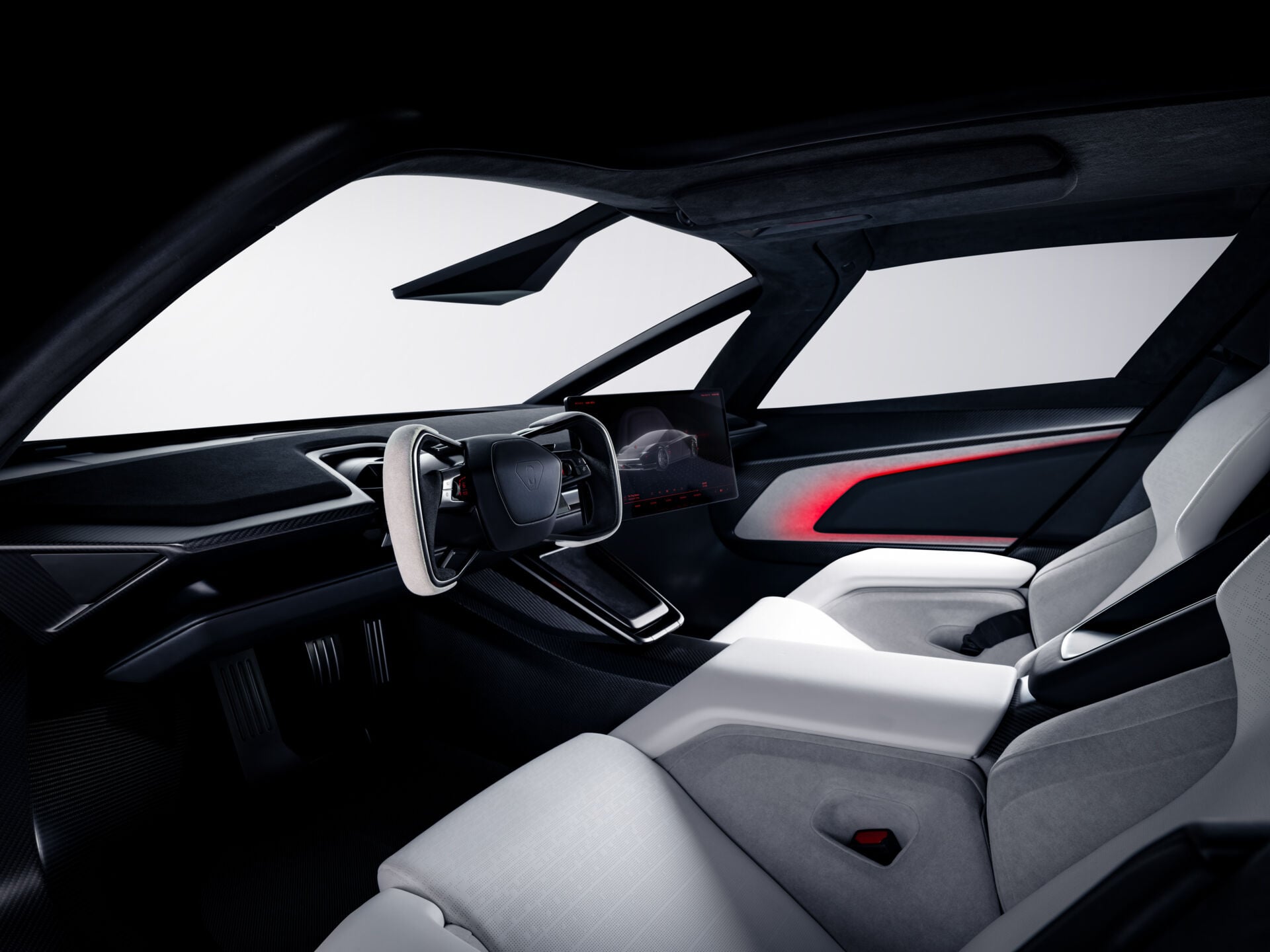
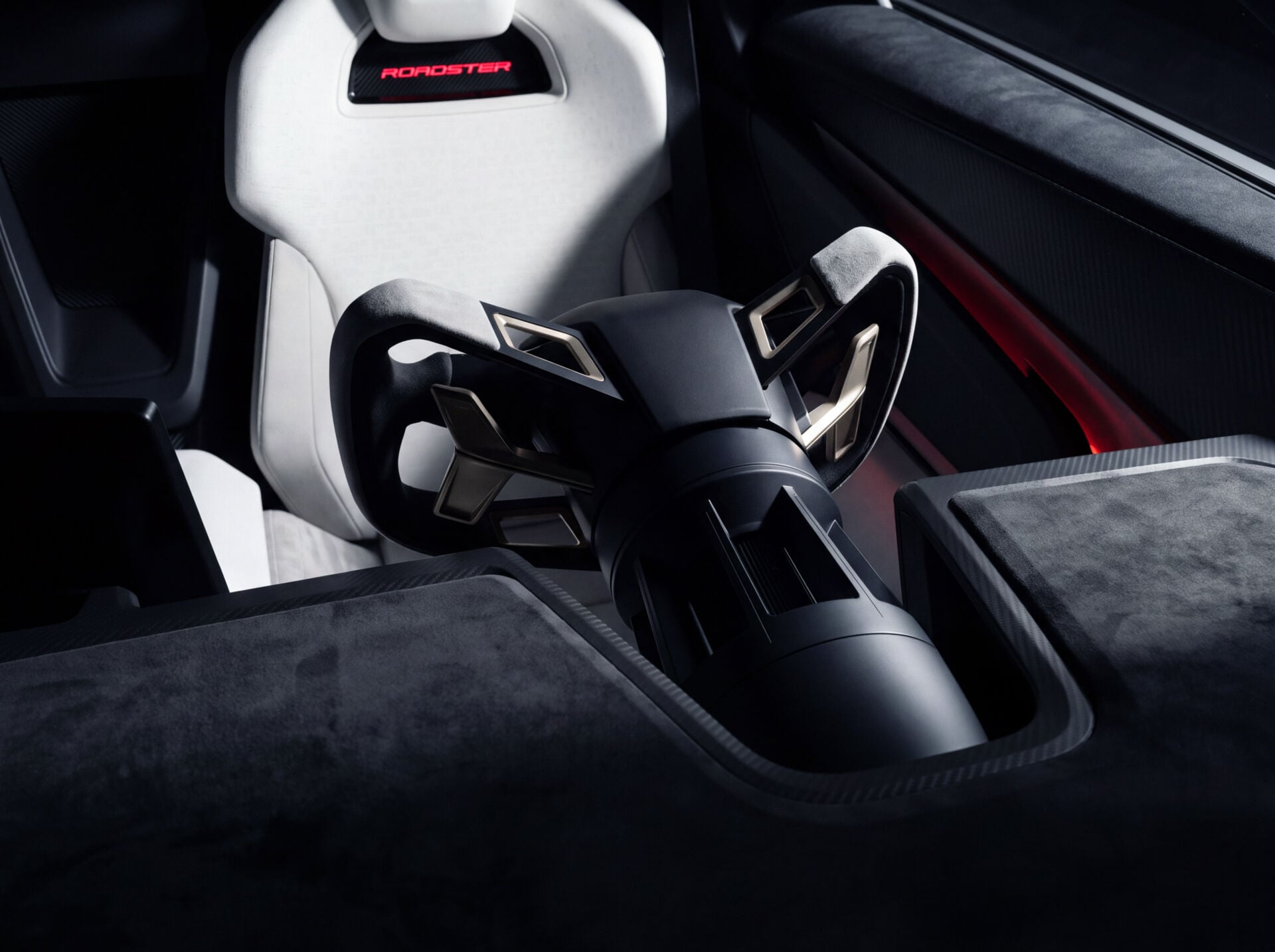
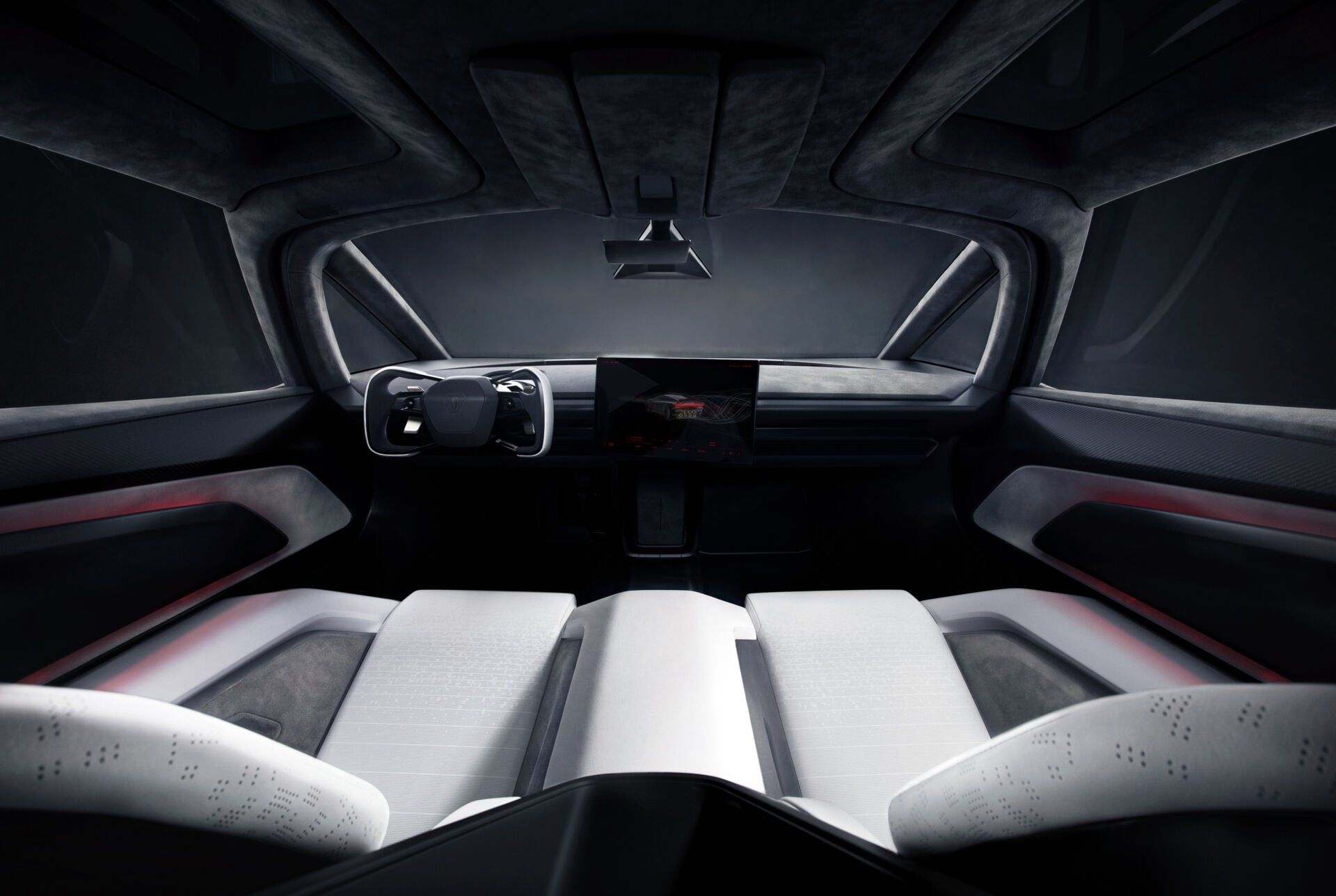
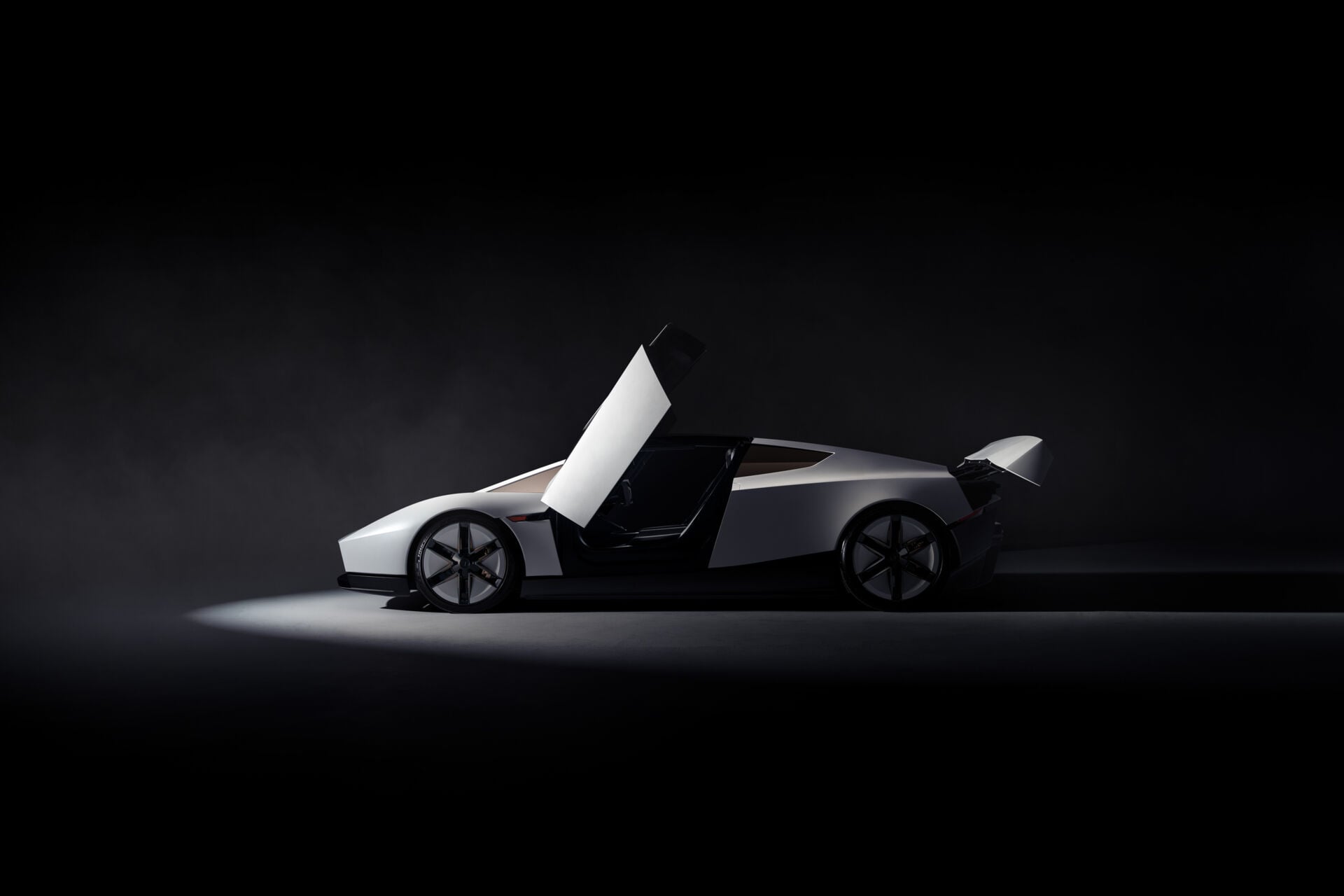
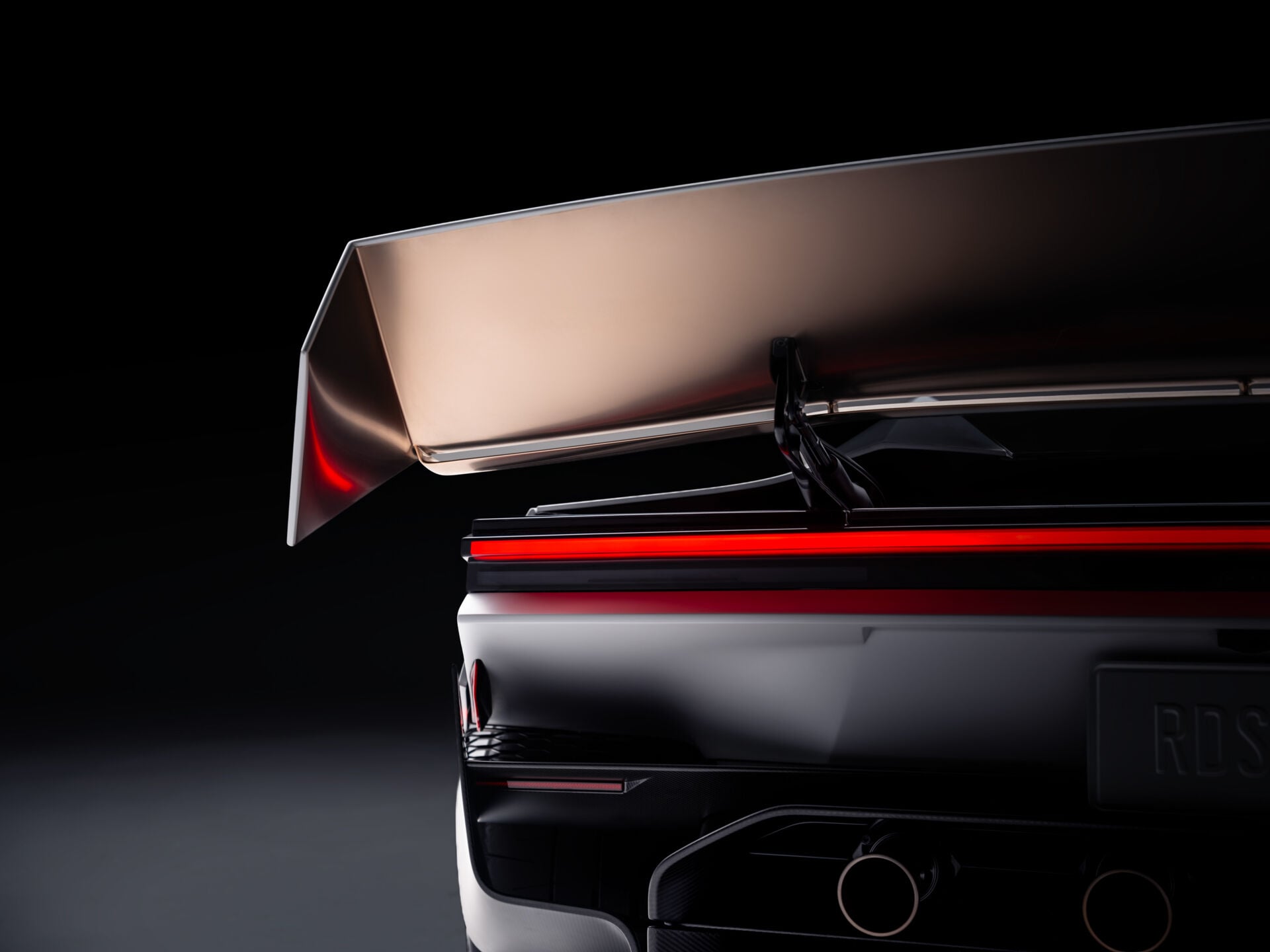
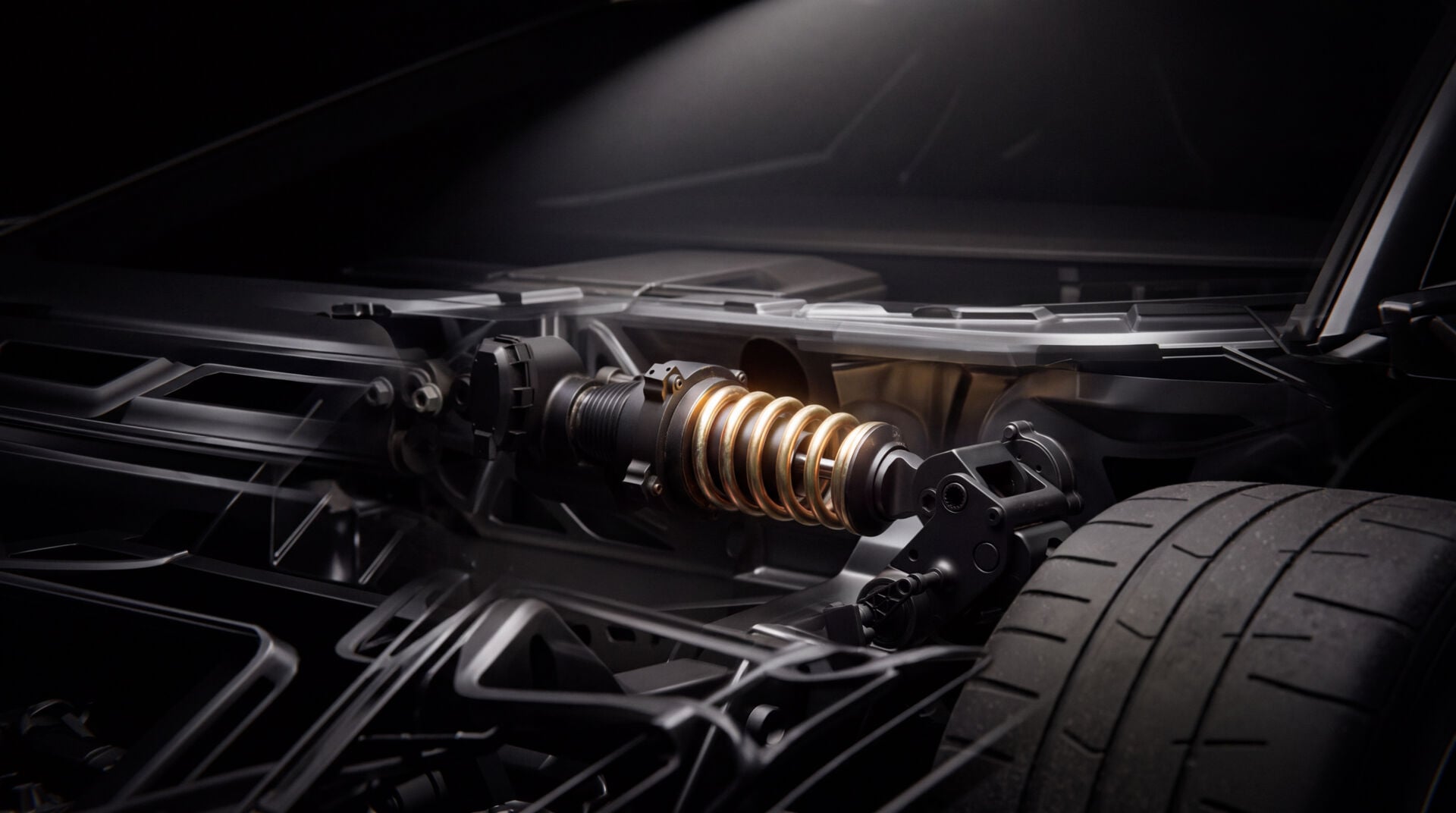
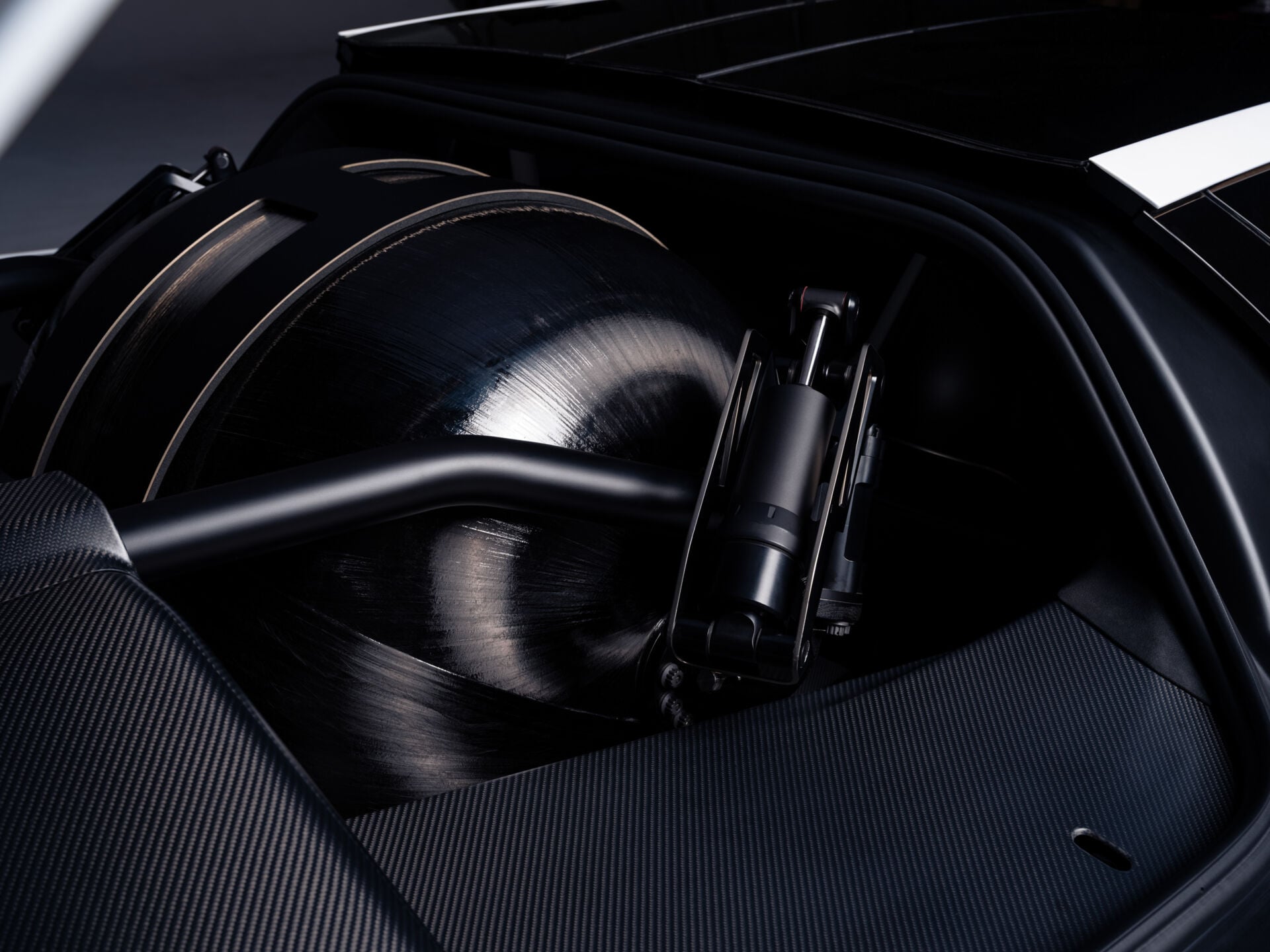
Upside down
What you need to know is that the "flying" Roadster presentation had been anticipated for years and had suffered several delays. There's another problem too: this Tesla that can propel itself into the air currently has no road approval whatsoever, and there's little chance a vehicle like this could be sold in the next few years, if only on safety grounds. For now, then, it's all just spectacle, even if Elon Musk has already floated production starting in 2028, with a starting price put at around $200,000. Fun fact: in France, the official site already lets you reserve the vehicle by paying two successive deposits of 5,000 euros, then topping it up with 45,000 euros.
So it remains to be seen how much of this spectacular demonstration survives when the Roadster has to go from prototype to production car. Because between the thrusters, the claimed performance figures and the approval hurdles, Tesla's spaceship-like motor will likely struggle to become reality under those conditions.
The genuinely useful flying cars are in China
Because while Elon Musk puts on a show with his rocket-car, China is making headway on a far more concrete idea: electric flying taxis. Manufacturer EHang has already flown its EH216-S in Guangzhou (Canton) and Shenzhen, as well as in Hefei in eastern China, launching trial operations and securing certifications allowing its pilotless craft to carry passengers as part of approved commercial operations. In 2026, projects are also continuing in Hong Kong, where validation flights have begun, with the ambition of gradually developing genuine air mobility services.
Of course, there are still hurdles to clear around safety, regulation, infrastructure and price. But at least these machines serve an identifiable purpose: getting people from A to B, with the chance to skip a good chunk of the traffic. Musk's rocket car, on the other hand, looks mostly like a show of force designed to get Tesla talked about. Impressive on paper, spectacular on video, it's likely to remain an eye-wateringly expensive gadget whose day-to-day usefulness is yet to be proven. If the future of transport really does lie in the skies, it may well look a lot more like Chinese flying taxis than a Tesla pulling loop-the-loops.