
After the new Ray-Bans – with and without cameras – unveiled overnight at its keynote, Meta showed off something far more ambitious: the Meta VR Glasses. These are virtual reality glasses aiming to deliver an experience close to that of a high-end headset, but in a much lighter and, crucially, cheaper package. $1,300 for a launch pencilled in for spring 2027 – there might just be something in this one...

No more bulky great VR headsets
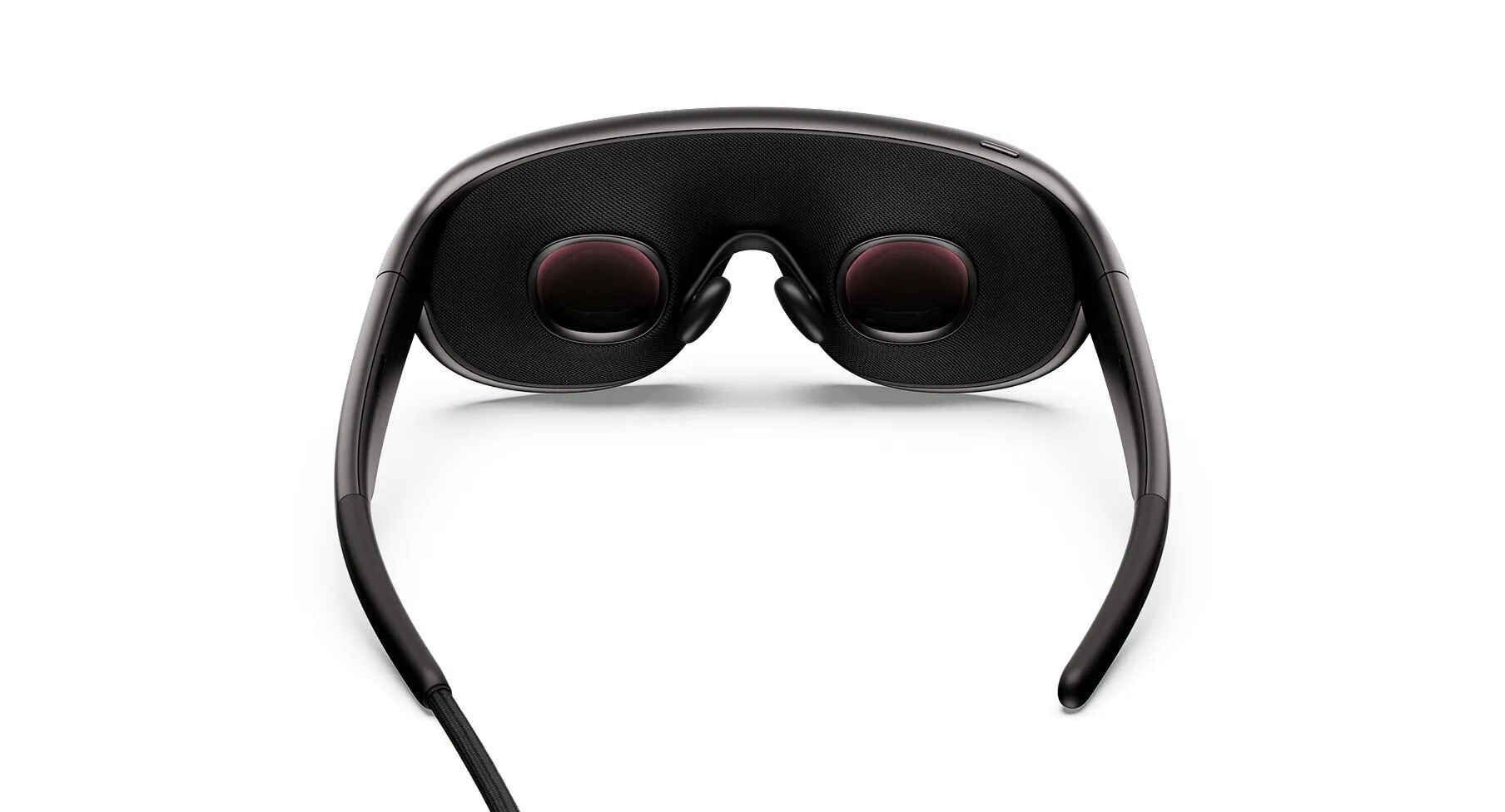
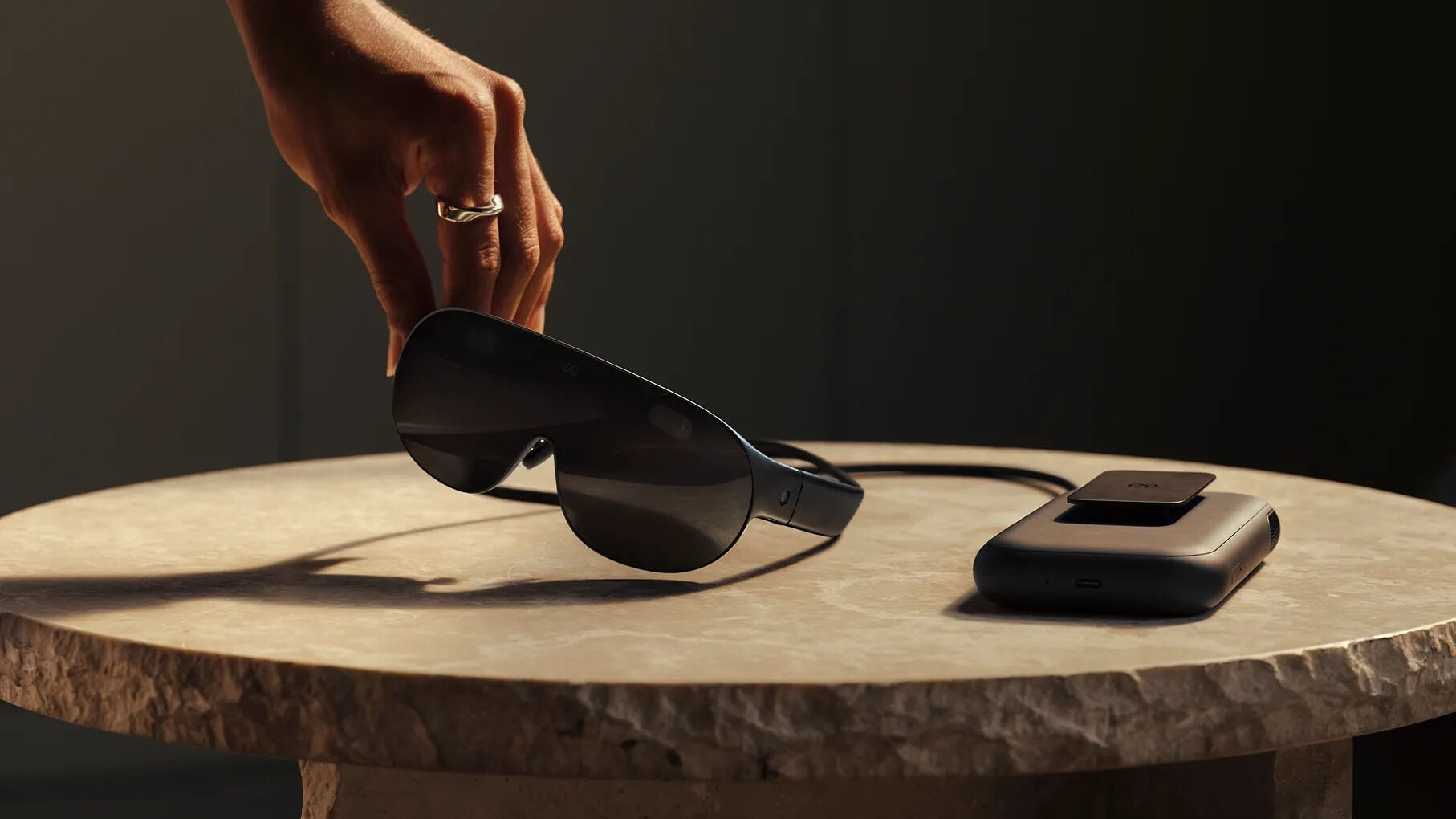
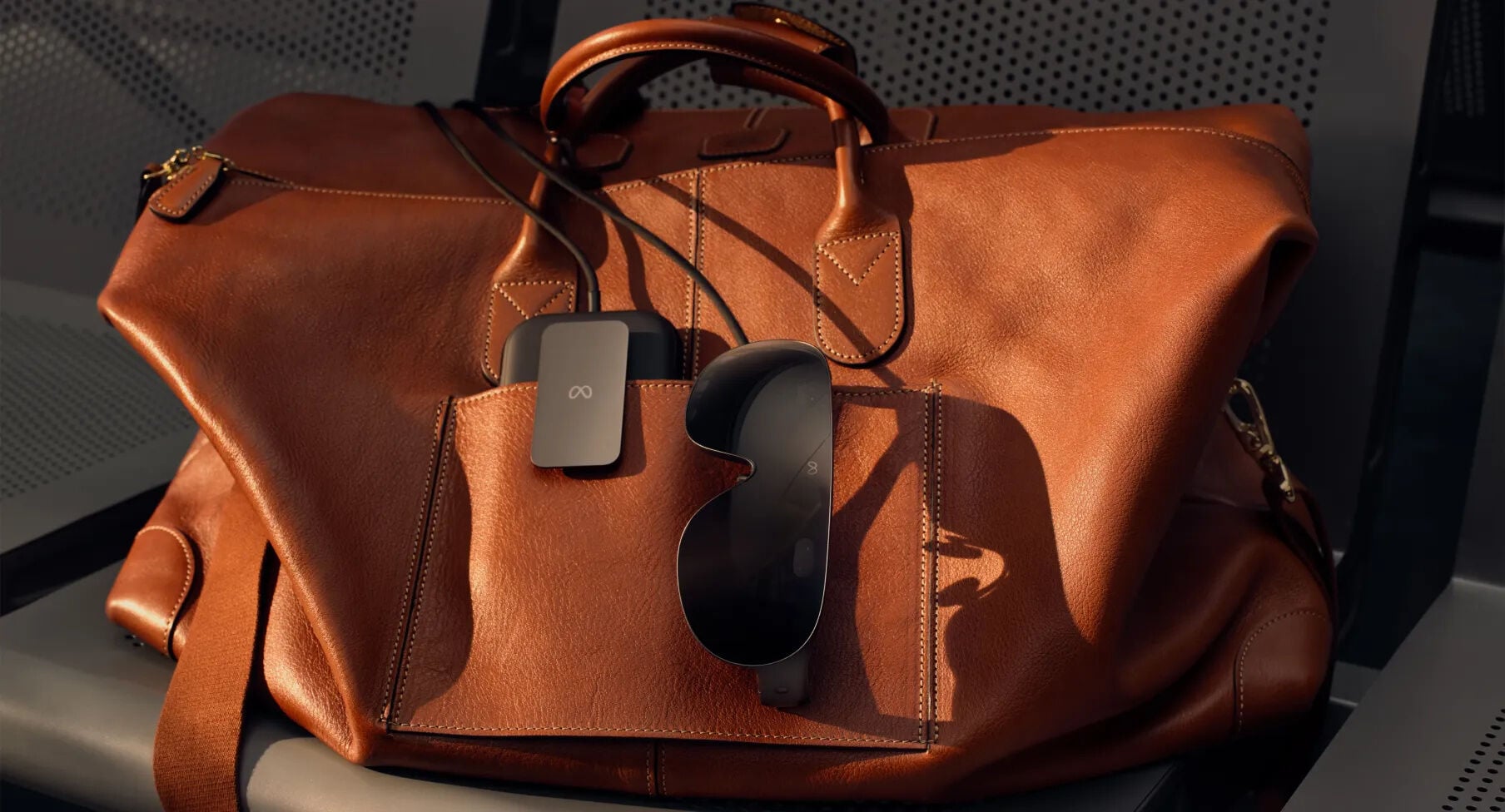
With its VR Glasses, Meta is taking direct aim at one of the biggest problems facing today's virtual reality headsets: sheer bulk. Where a Meta Quest 3 is still a fairly hefty thing to strap to your head, Meta is presenting here a pair of glasses weighing roughly 100 grams, five times less than its mainstream headset. That lightness comes down to a two-part design. First the glasses themselves, housing the displays, the sensors and the various components the experience needs, while an external puck handles processing, battery and storage. Connected to the glasses by an optical cable, this little box slips into a pocket or clips onto your clothing.
This way, Meta can move away from the traditional headset with its straps and its great big front block cutting you off from the world. And because the sides are open, you keep part of your surroundings in your field of vision, while the passthrough cameras can show that environment in colour through the glasses. Clever.
A 5K display built for cinema
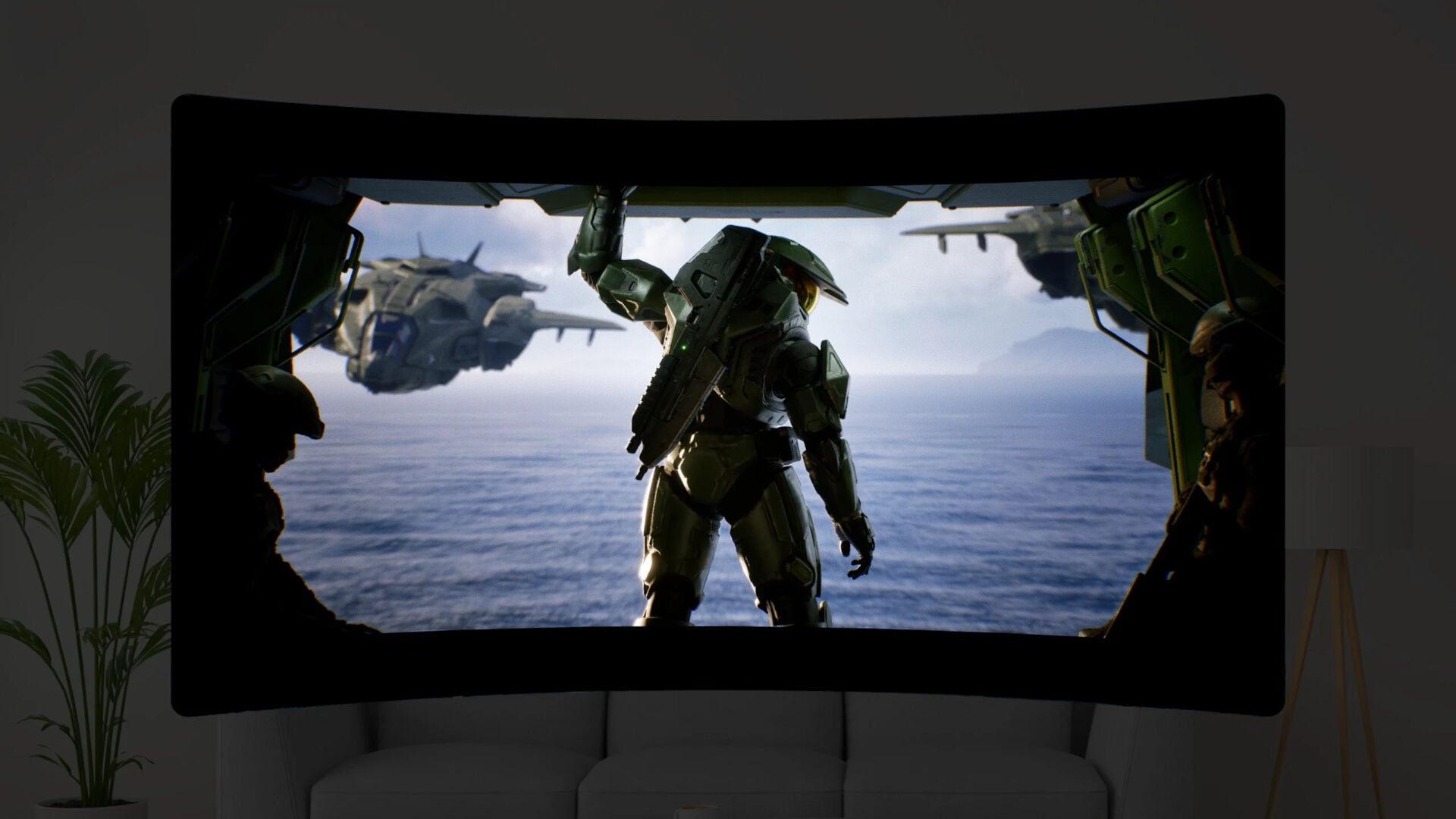
The other headline argument for the Meta VR Glasses, the one meant to win over tech enthusiasts and therefore early adopters, is the spec sheet. With a 5K Infinite Display based on micro-OLED technology, plus 37 pixels per degree, the glasses promise an exceptional image. That's precisely why cinema and video games were chosen to showcase their capabilities, all the more so given there's IMAX Enhanced certification as well as Dolby Vision and Dolby Atmos support. Essentially, Meta wants to turn its VR glasses into a proper personal cinema. For that, the content has to follow, and Meta is promising several thousand pieces of content eventually, with immersive experiences designed specifically for the glasses. We also know Disney+ is set to offer films in 3D in certain countries, while other platforms such as Prime Video, YouTube, Crunchyroll, Plex, ESPN and Tubi have also been announced among the partners.
Gaming without a controller
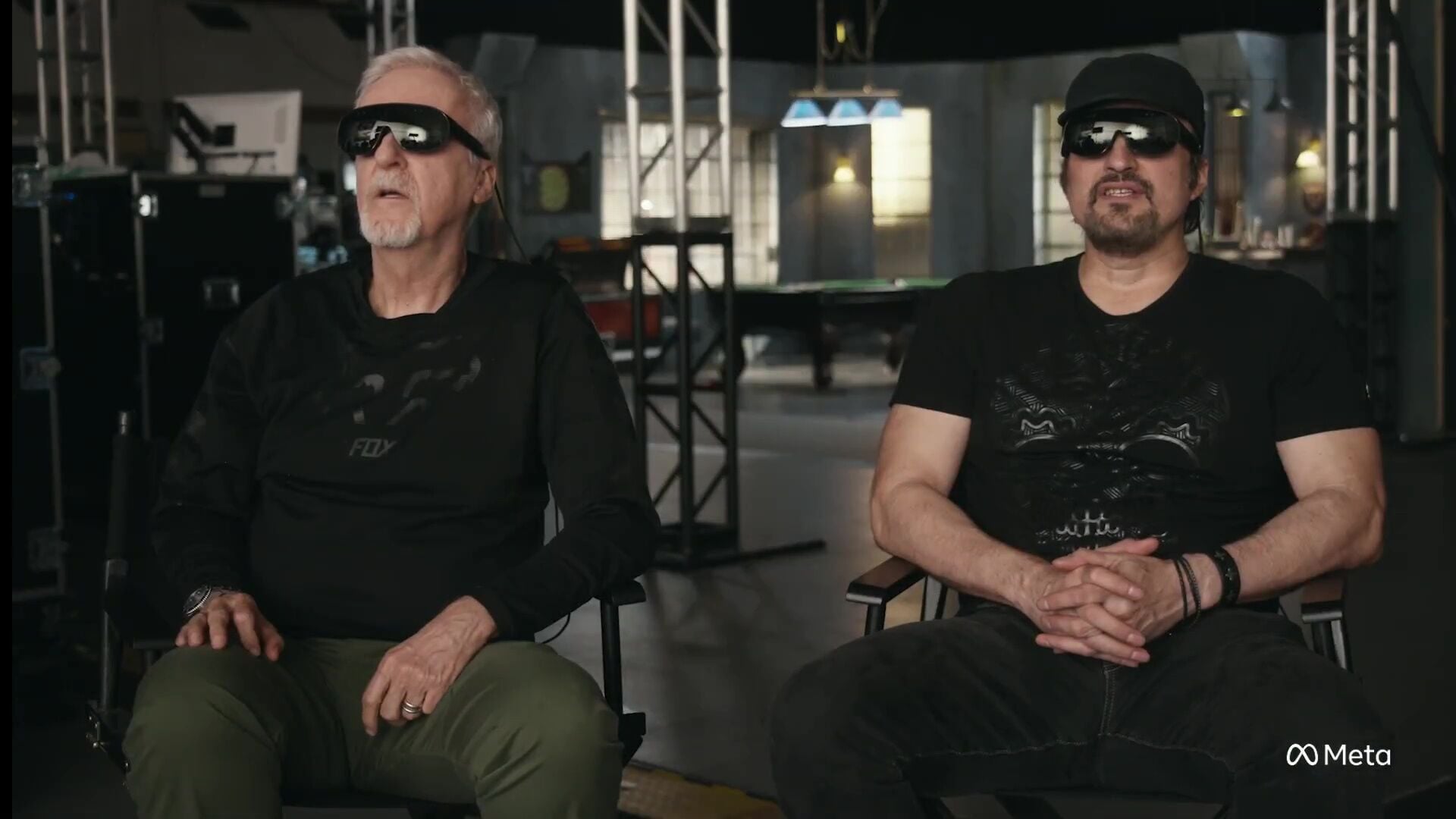
On the gaming side, there are plenty of promises with the Meta VR Glasses too. We're told there will be more than 75 games compatible with hand tracking at launch, plus Xbox Cloud Gaming giving access to several hundred more games via streaming. We also saw that the Meta VR Glasses interface leans heavily on eye and hand tracking. That means you can select an app, start a film or manipulate various virtual elements simply by looking at an object and making a hand gesture, just as you could with the Apple Vision Pro.
"Spatial computer" – now where have we heard that before...
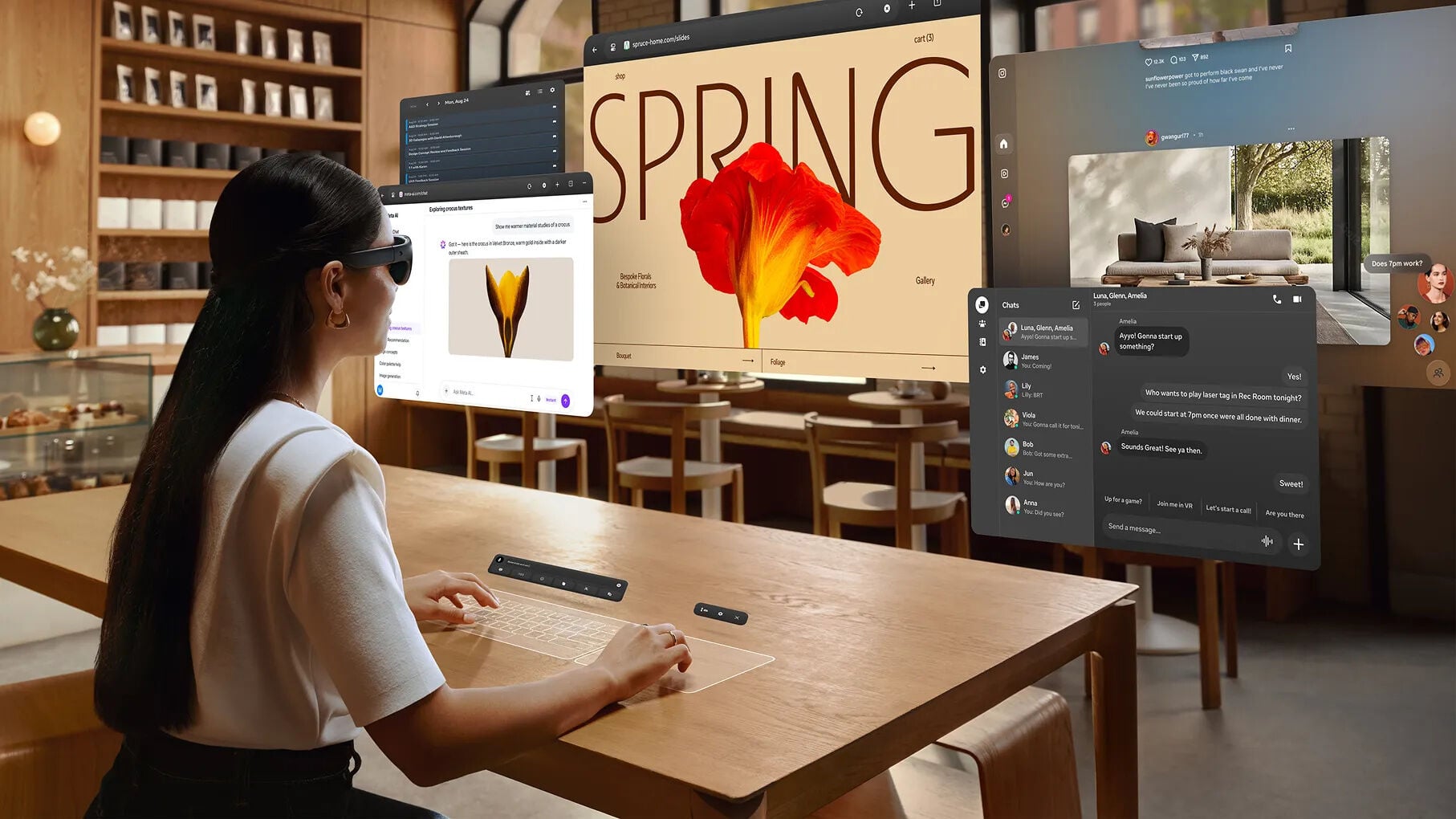
Speaking of resemblances to the Apple Vision Pro (a sweet angel taken from us too soon), it's clear the Meta VR Glasses have also been conceived as a genuine spatial computer. They can display several virtual screens around the user to create a private workspace, whether at home, out in a café or even on a plane. Thanks to colour passthrough, you can see your desk, your phone or your surroundings while keeping the virtual screens in front of you. Meta also says any flat surface can act as a keyboard or trackpad, taking the virtual immersion all the way.
As for the claimed battery life, the Meta VR Glasses can manage up to three hours of high-resolution content playback, with the glasses supporting 45 W fast charging.
Not flopping like the Apple Vision Pro
It's hard not to see these Meta VR Glasses as a direct answer to Apple and its Vision Pro, released in July 2024 and never anywhere near as successful as hoped. Quite the opposite, in fact: it ranks among the biggest flops in Apple's history. Even so, the Vision Pro made an impression with the quality of its displays, its interface and its spatial computing potential, but its bulky form factor and very high price were serious barriers to mainstream adoption. So Meta decided to approach the problem from the other end. Rather than offering an ever more powerful headset, Zuckerberg's company set out to make some of the hardware around your face disappear. That in turn allowed for concessions on price, namely $1,299.99, against more than $3,200 for the Apple Vision Pro. Will that be enough for the general public to take to the device? Personally, we don't think so, but we're edging slowly but surely towards the finished product that'll win everyone over.