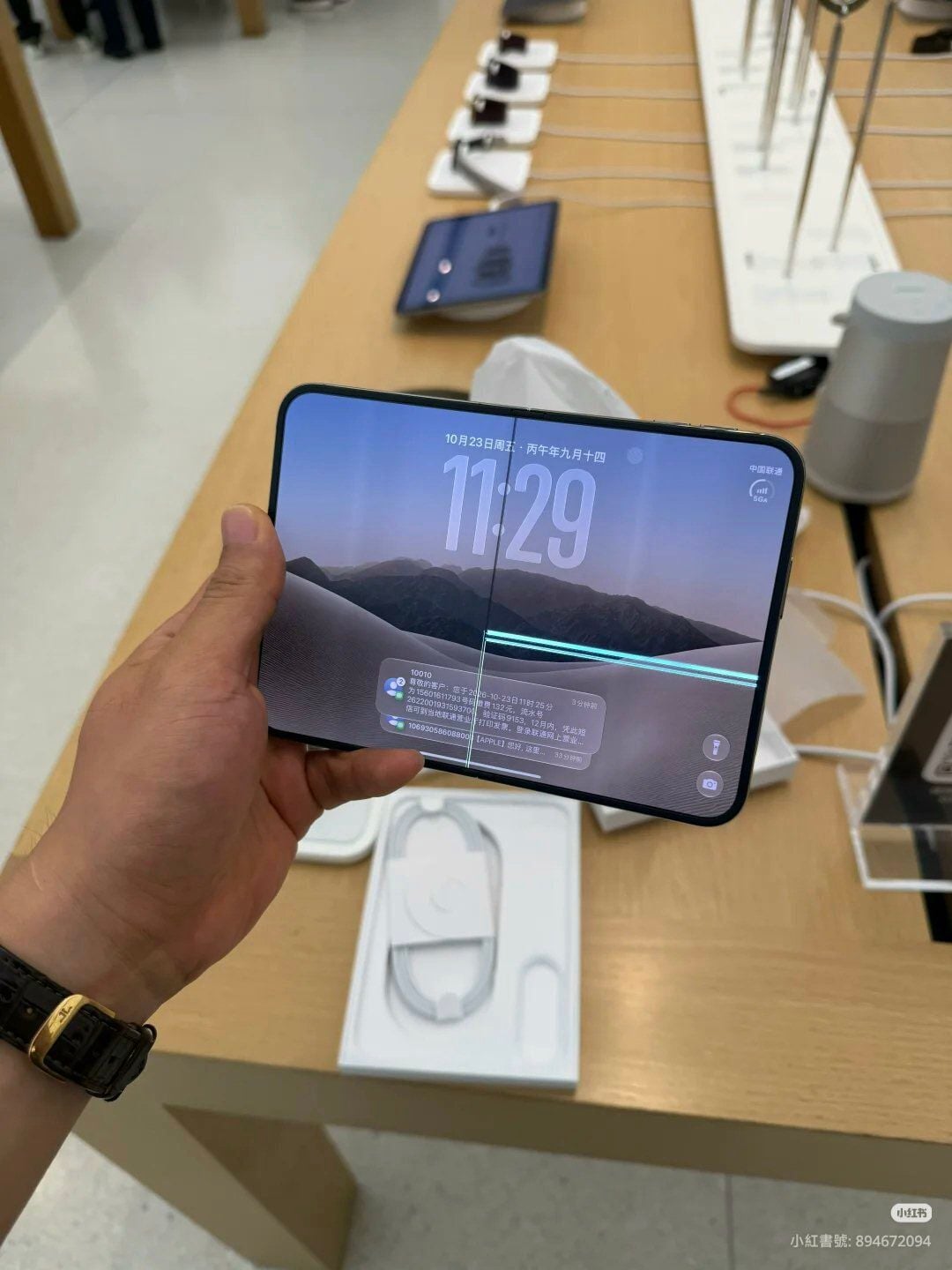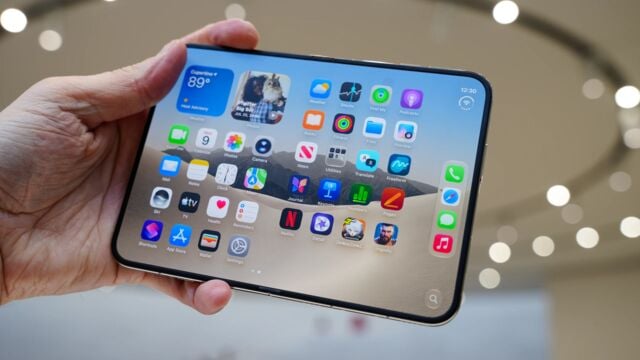
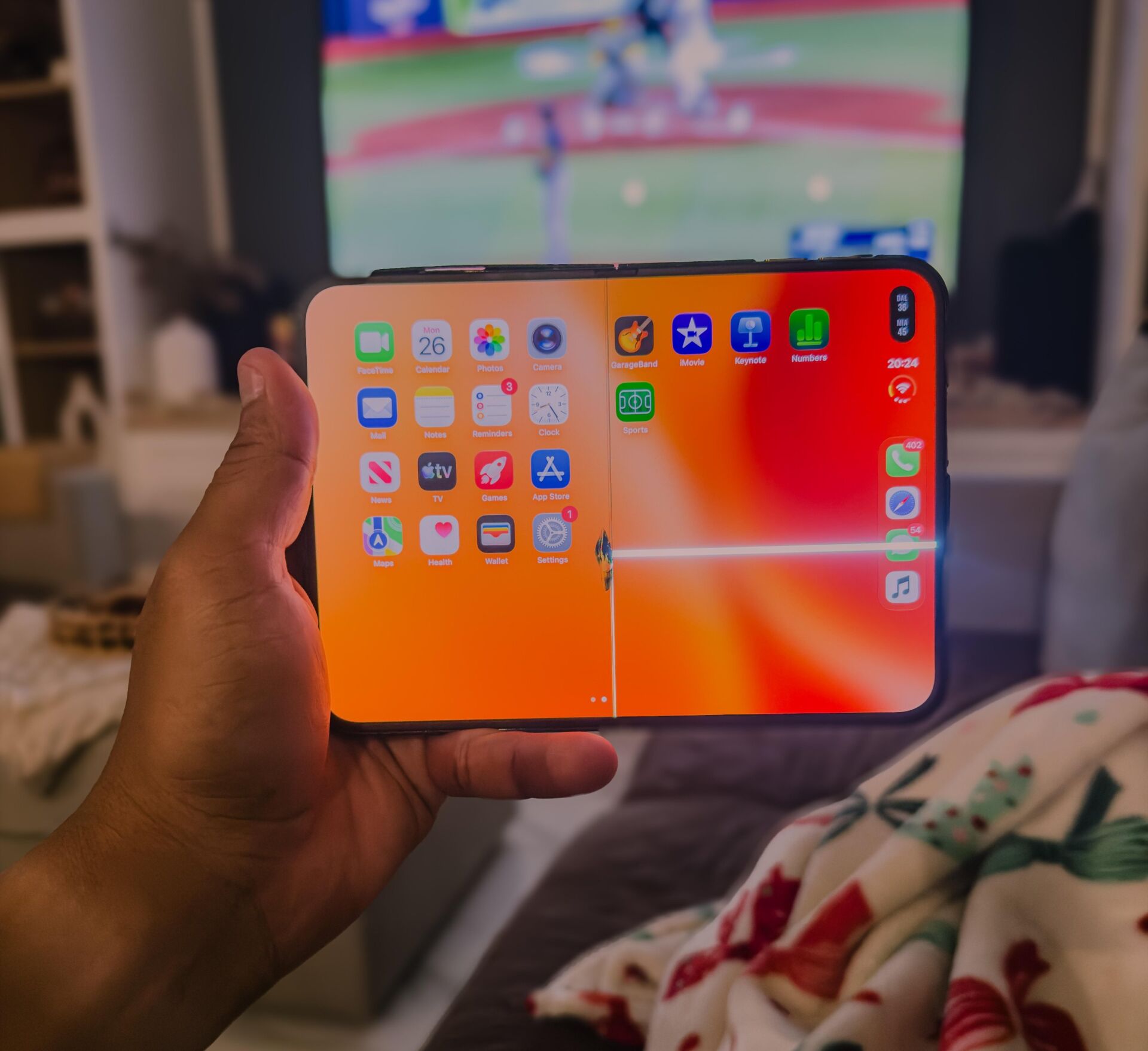
Barely out of the gate, the iPhone Duo is already making headlines for reasons Apple could happily have done without. Several buyers have revealed that the inner screen of their folding smartphone cracked after just a few hours of use. Photos posted on social media show damage along the crease, with bright lines appearing across the panel. The phenomenon was quickly christened "CrackGate", a nod to the scandals that have punctuated the iPhone's history. The mess has finally forced Apple to speak up, acknowledging an issue affecting "a small number" of iPhone Duo units and inviting affected users to contact AppleCare for a replacement. But are these really isolated cases?

Crackgate — Crackshot, as Terry Bogard would say
What makes these early incidents especially awkward for Apple is how long the company took to enter this market. Samsung has been selling folding smartphones since 2019, the first on the market. Other brands, mainly Chinese ones, have since taken the plunge too. So Apple had the best part of seven years to watch its rivals struggle, study the various technical solutions and fine-tune its own device. You might reasonably have expected that late arrival to let Cupertino deliver a product that was particularly well sorted on the build-quality front. For now, the early feedback suggests rather the opposite.
The first accounts began circulating as soon as the phone launched last Friday. One Australian buyer says he heard a crack as he unfolded his iPhone Duo to show it to a friend. His device had reportedly clocked up just six hours of use and fewer than 20 openings. Since then, other owners have shared photos of their damaged screens, with cracks that seem to appear just below the centre of the crease. Reports are coming in from several countries, including Australia, China and the United States. Demo units in Chinese stores are even said to have been affected. Analyst Max Weinbach also reported the case of an acquaintance whose screen cracked before becoming covered in lines. The phone then reportedly refused to fold properly. For now, there's no way of knowing how many devices are affected. It would therefore be premature to talk of a widespread defect, even if these accounts are enough to worry early buyers. On a smartphone selling for €2,300, a screen that starts cracking after a few hours of use is never going to look good.
For now, there's no way of knowing how many devices are affected. It would therefore be premature to talk of a widespread defect, even if these accounts are enough to worry early buyers. On a smartphone selling for €2,300, a screen that starts cracking after a few hours of use is never going to look good.

The hinge under suspicion
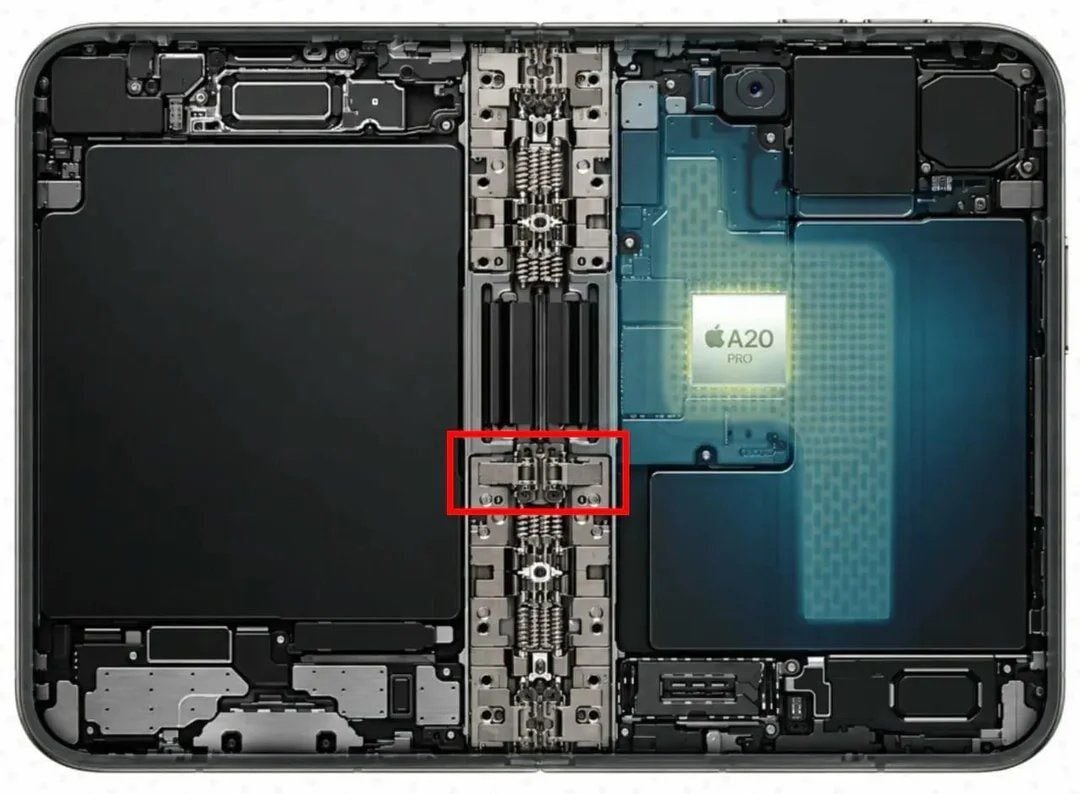
In the photos shared online, the cracks seem to cluster near the hinge, at a point where several mechanical components meet. Max Weinbach floats the theory of a part that may be breaking or putting pressure on the panel, damaging the screen and jamming the mechanism. At this stage, though, nothing confirms that explanation. The results of endurance tests are a reason to stay cautious, too. Journalist Joanna Stern had the device put through 32,640 folds without breakage. YouTuber Tim Pan managed 11,500 with the same result. Numerama, for its part, reported no problems after a week of use and several hundred openings. Zack Nelson, known for his JerryRigEverything channel, did manage to damage the inner screen in a test published on 24 October. He had to press hard on the panel with his thumbs to make lines appear, however. The theory of a defect affecting some of the first units therefore remains plausible, but we'll need more information to understand what's really going on at the hinge.
Initially, Apple made no public response to the CrackGate reports. Some took its hinge documentation for a reply from the company, when in fact it had simply been published on launch day. In it, Apple details the problems that can arise, such as a hinge that jams, becomes abnormally stiff or starts making noise. The firm advises removing the case and screen protector, then checking that no dust is obstructing the mechanism. If that changes nothing, there's sadly no software fix: it's off to repair, which may go as far as replacing the inner screen. In the meantime, Apple is asking affected users to contact AppleCare for a replacement, and some Apple Stores have reportedly already swapped out faulty devices. For people who bought their iPhone Duo through a network operator, however, things could be a bit more complicated, as carriers don't necessarily have replacement units in stock.
A repair job that could cost Apple dearly
With a phone at that price, the bill is going to sting if the screen goes. Out of warranty, a repair could run to as much as $1,500. In France, a screen replacement is listed at €1,149 without AppleCare+. In other words, best not to break it, especially when you've just handed over €2,300 for Apple's first folding iPhone. The good news is that the one-year limited warranty covers hinge problems arising from normal use, as long as it isn't an accident or mishandling. In France, buyers also have the two-year legal guarantee of conformity. And anyone who bought their iPhone Duo online can still return it within 14 days.
In short, if your screen starts to crack, the hinge becomes unusually stiff or coloured lines appear near the crease, stop handling the phone and get in touch with customer support sharpish. There's no point unfolding it one more time to see whether the problem is getting worse. This is one bit of publicity Apple could happily have done without.