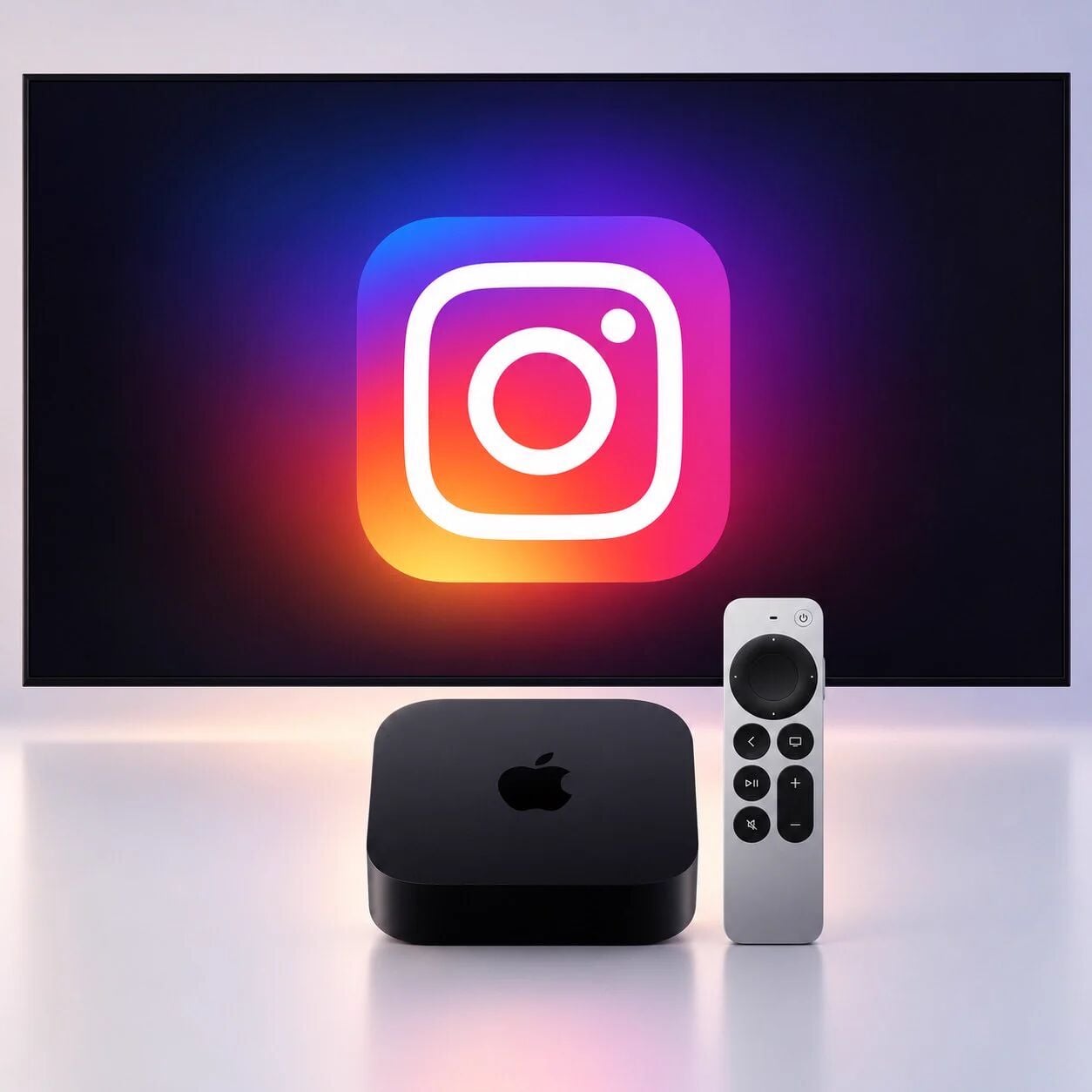
Instagram clearly fancies thinking bigger, and above all it no longer wants to be stuck on small screens. Long associated with photos and videos you scroll through on your phone, Meta's social network is now angling for a much larger display: the telly in your living room. After gradually rolling its app out across several connected TV platforms, Mark Zuckerberg's company has just launched Instagram on Apple TV in the United States and Canada. And to persuade users to put their phones down for a bit, the platform is betting heavily on video, with Reels to watch on the big screen as well as far longer formats, running up to 90 minutes.
Instagram wants to be the new YouTube
Watching videos on the telly has become second nature for a lot of people. YouTube has replaced traditional TV channels in the habits of anyone with a connected screen, and Instagram no longer wants to leave that ground to its rivals. It has to be said that YouTube has built up quite a lead here. The platform was long associated with videos watched on a computer or a phone, but it is now firmly settled in our living rooms. According to an Arcom study published in 2026, 38% of French respondents already use their TV set to watch YouTube. Naturally, Meta wants a slice of that pie. The company began testing its app on televisions in late 2025, starting with Amazon Fire TV. The rollout then extended to Google TV and Samsung sets, before this arrival on Apple TV. The app is free and lets you find your favourite Reels on the big screen, without having to keep your nose glued to your phone.
Adam Mosseri, Instagram's boss, admitted last year that the platform should have made this move sooner. Habits are changing, people are watching more and more video on their TVs, and Instagram fully intends to follow suit. The social network is also pushing another selling point: watching Reels together on the sofa can be more fun than firing them at each other separately. You pass the remote around, show a video to the people you love and stumble across a few more along the way. On Apple TV, videos are grouped into themed channels, with Reels, live streams and longer content. Meta is also looking into letting you use your phone as a remote to make navigation easier.
90-minute videos and micro-dramas on Insta
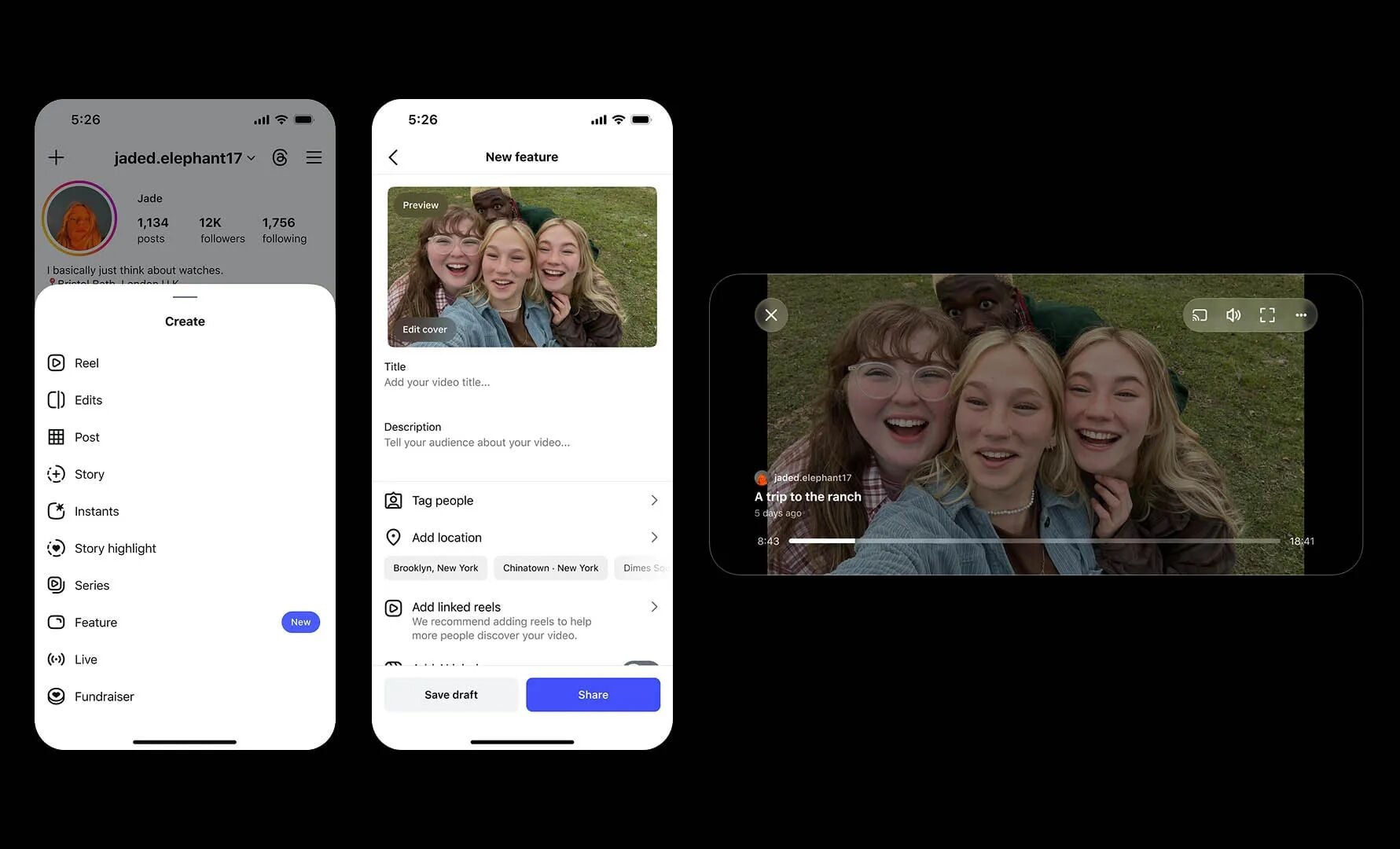
But the most interesting part may lie elsewhere, because in this new Meta strategy, Instagram doesn't just want to beam a few seconds of vertical video onto the big screen. The platform is also preparing a format called "Features", which will let certain creators publish videos lasting up to 90 minutes, compared with a current maximum of 60. It will first be tested with a limited number of video makers before any wider rollout. That's not all, either: Meta is also eyeing micro-dramas, those short series chopped into episodes that have found a degree of success on mobile, particularly in China. The television could give them a new lease of life, with longer viewing sessions. "Our goal really is to be the best social entertainment platform", explained Tessa Lyons, head of video development at Instagram, in an interview with Bloomberg.
It remains to be seen whether creators will follow this new trend, especially given that monetisation doesn't exist on Instagram. On YouTube, video makers can earn money from the views their videos generate, whereas Instagram doesn't work the same way, which could put off anyone tempted by longer formats. To win them over, Meta will have to give them solid reasons to make content for its platform rather than putting everything into YouTube.
Traditional broadcasters have reason to keep an eye on all this too. They are already watching YouTube eat into their airtime and their ad revenue. If Instagram manages to lure creators onto the big screen, the competition could get even fiercer. With nearly 3 billion monthly active users, the social network certainly has an enormous community to draw on. Now it just has to prove that people also want to see it on their telly once the phone has been left on the coffee table. And that is far from a done deal. "Bon chance", as Laurely Birba would say.