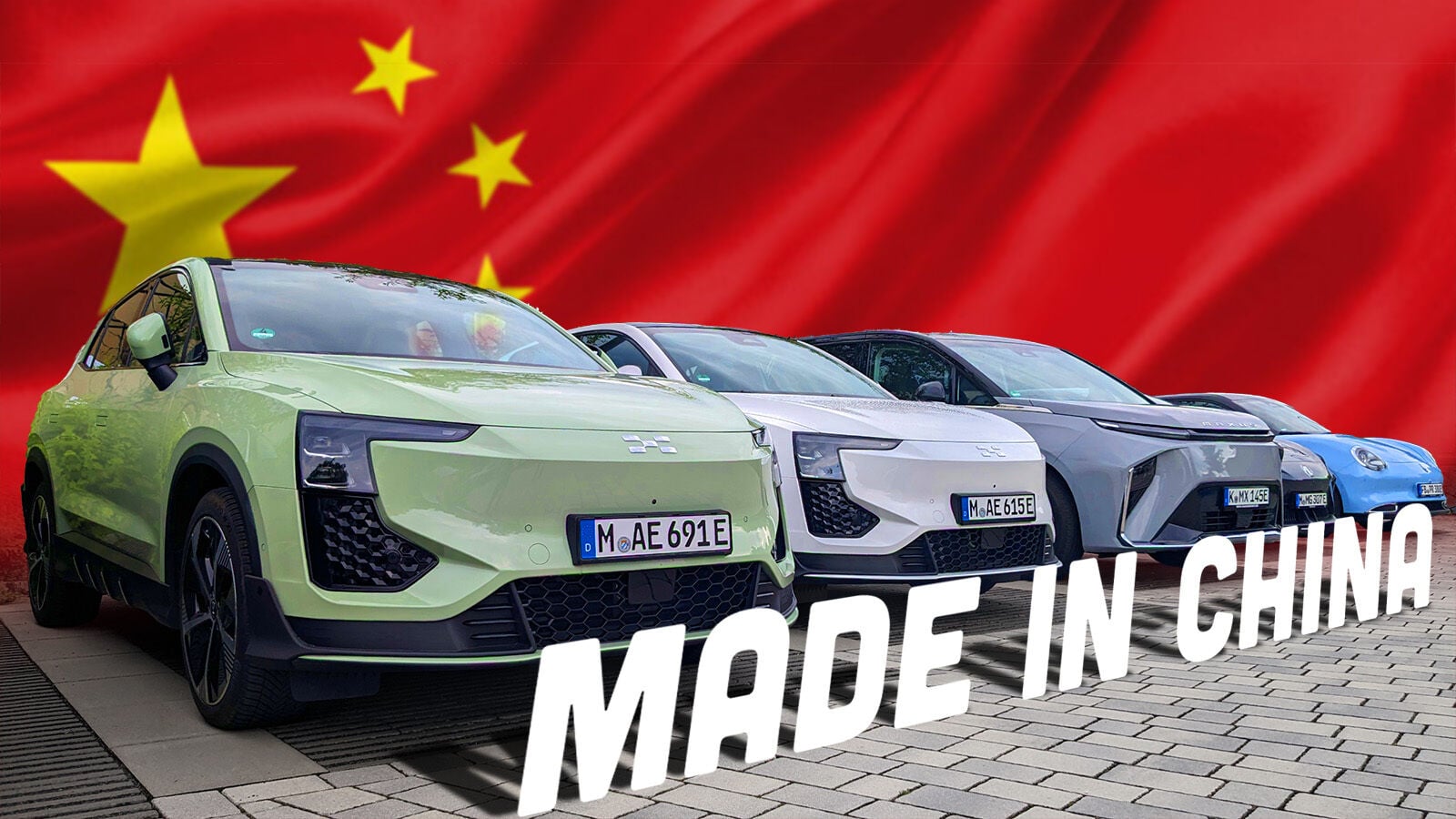

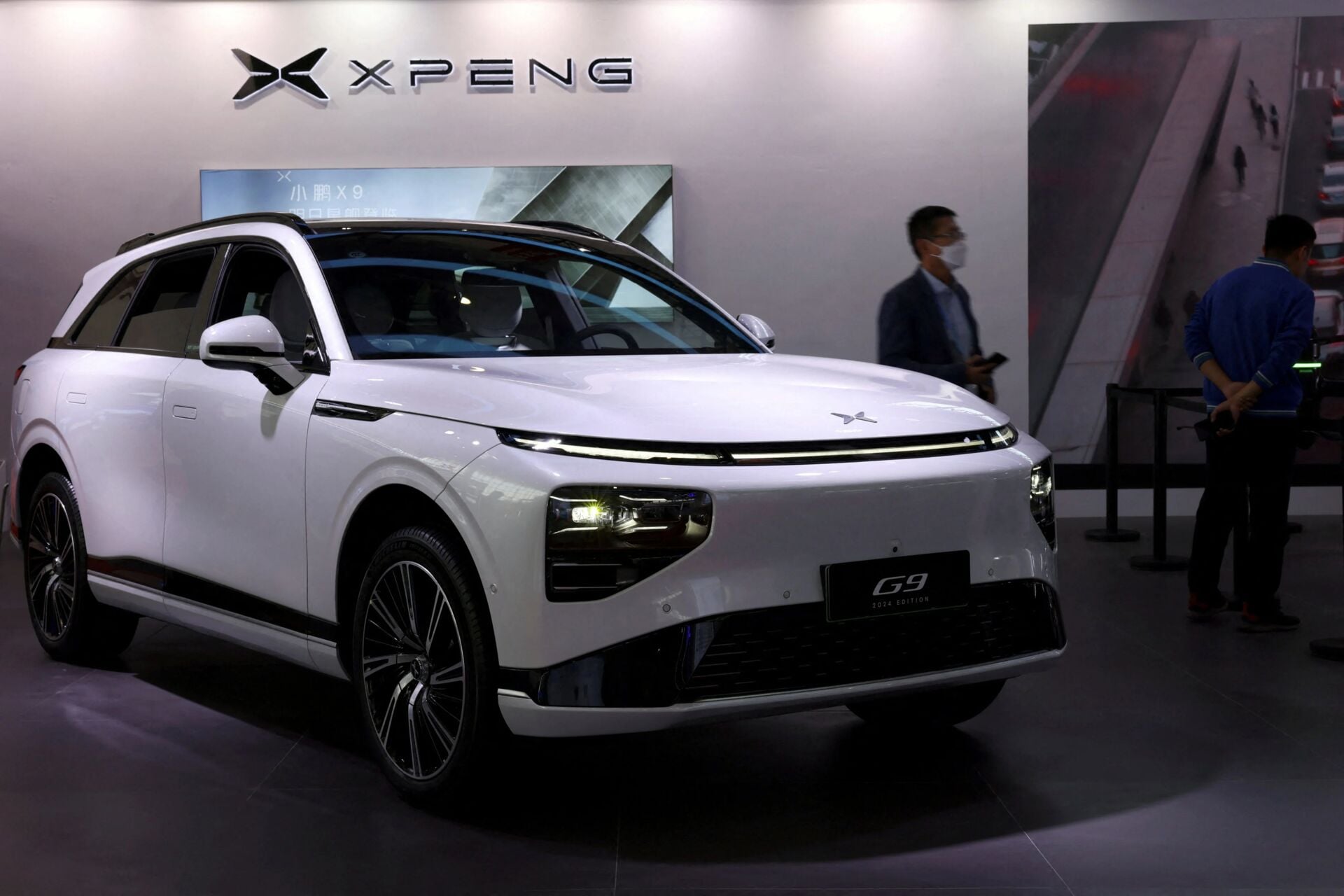
With Chinese electric cars firmly in Brussels' sights, some European drivers have found a way to buy them at far more attractive prices. The trick is to go for very recent used models, sometimes listed with just 6,000 kilometres on the clock. BYD, Xiaomi, Denza, Xpeng — several brands are involved, with prices that can drop as much as 40% below what the same car costs new in China. That's a gap big enough to make anyone look twice, even if this import route calls for a few precautions. Behind the phenomenon sits 'China EV Marketplace', a platform specialising in importing Chinese electric cars. Since the start of 2026, its business with European customers has grown sharply. And that makes sense, because by going down the used route, these vehicles escape the EU surcharge aimed at new electric cars built in China.
Buying used to swerve the EU surcharge
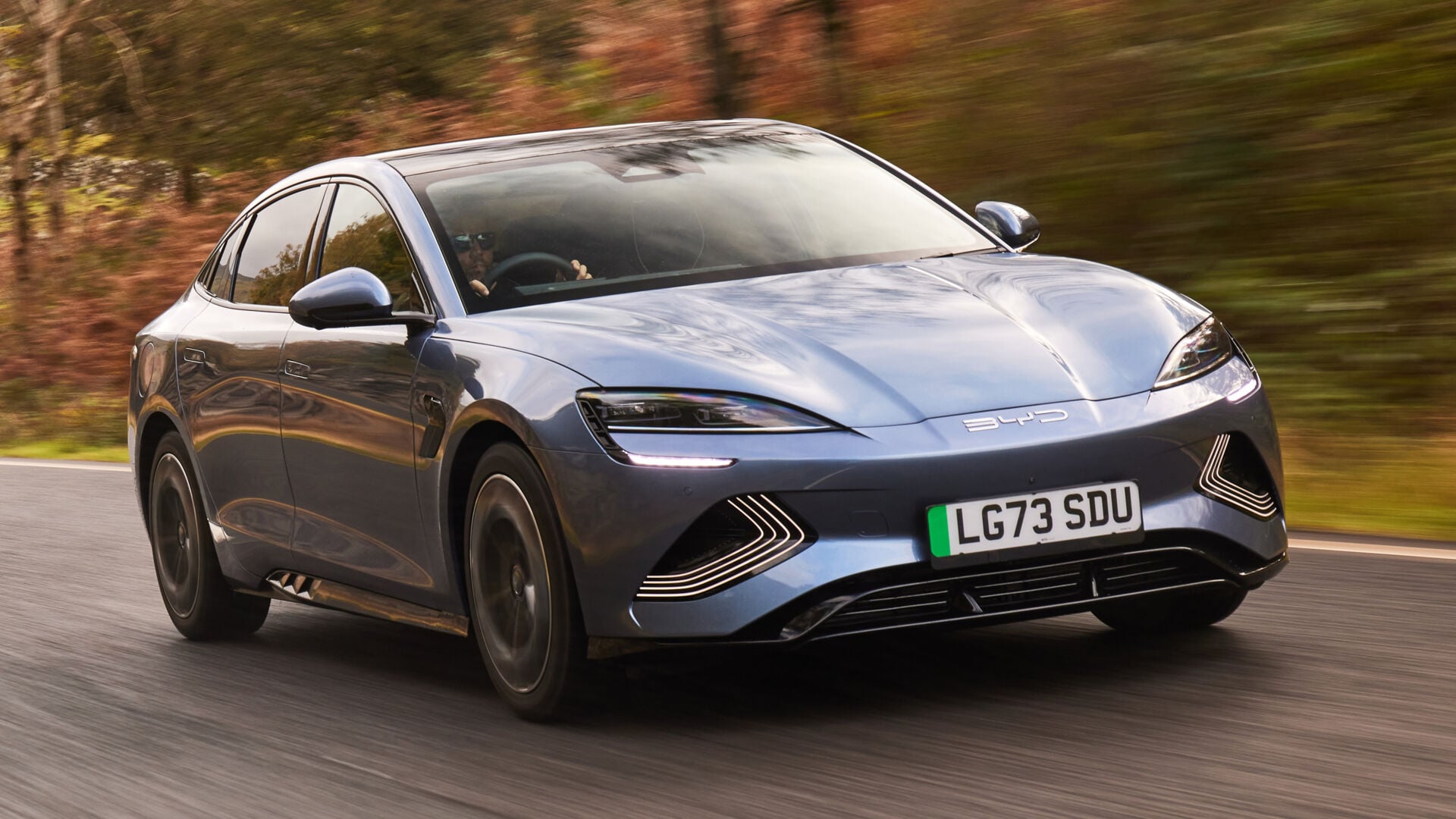
Since 2024, the European Union has imposed countervailing duties on electric cars produced in China, on top of the usual 10% customs duty — and that's what pushes the bill up, even though Chinese cars are very affordable to begin with. Depending on the Chinese brand, these extra levies can take total customs duties as high as 45.3%, excluding VAT. That's a considerable difference, and it weighs heavily on the final price of imported models. These measures apply to vehicles classed as new by European customs, while used cars escape the surcharge — which opens up an interesting option for buyers willing to settle for a car that has already covered a few miles. China EV Marketplace is banking on that difference to offer recent Chinese electric cars at more accessible prices.
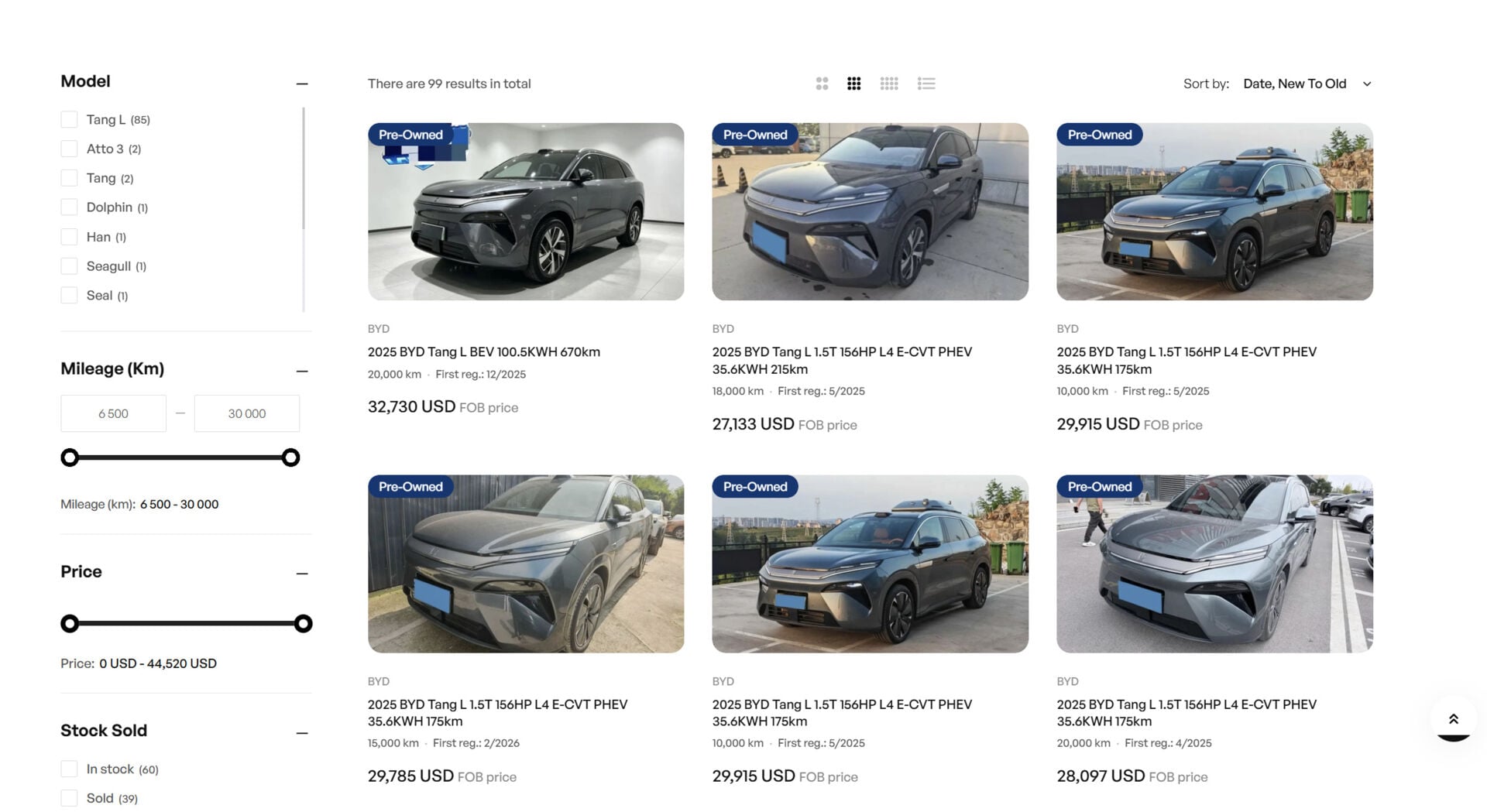
According to figures released by the platform, its sales of used electric cars to customers in the European Union jumped 280% between January and September 2026, reaching 7,900 units delivered on European soil. Over the same period, its new vehicle sales fell 44%, proof of the growing appetite among European buyers for this parallel channel. China EV Marketplace now claims a catalogue of more than 2,600 second-hand electric cars, featuring the likes of BYD, Xiaomi, Denza and Xpeng, some of them very recent indeed. A few show just 6,000 kilometres on the odometer and are offered at up to 40% below their new price in China.
Why the prices are so tempting (and it's brilliant)
How are gaps like that even possible? To understand, you have to look at what's happening on the Chinese market. Competition there is brutal, with manufacturers cutting prices again and again to win buyers over. New car prices shift fast, which mechanically drags down the value of models already on sale. On top of that, the breakneck pace of range renewals makes the effect even sharper. An electric car that looked fresh a few months earlier can shed a big chunk of its value the moment the manufacturer unveils a new version or slashes the price of the existing one. For European buyers, that can translate into a real bargain — provided you pick the right vehicle.
The data available in Germany gives a sense of the depreciation involved. Used Chinese electric cars there are on average 24% cheaper than their European equivalents. After three years, their value sits 42.9% below the new price, against 36.2% for European electric cars. In China, a three-year-old electric car is worth on average only around 45% of its original price. By way of comparison, the BYD Seagull holds on to 50.5% of its value, against 46.4% for the Xpeng G6. These figures are appealing for buyers, but they're also a reminder that a car listed at a rock-bottom price isn't necessarily a good deal in the long run. Heavy depreciation can make resale tricky, and you also need to factor in parts availability, the vehicle's service history and whether it meets European requirements.
Importing a BYD or a Xiaomi into France: what does it really cost?
This is the bit you really mustn't overlook. The price advertised in China is not what you'll actually hand over to get the car on the road in France. You have to add shipping, customs paperwork, French VAT at 20% and the steps needed to obtain type approval valid in Europe. Going used therefore avoids the countervailing surcharge applied to the new vehicles concerned, but none of the other levies. The cost of type approval shouldn't be underestimated either, since you need to check that the imported model can actually be registered in France and meets the applicable requirements. A vehicle sold on the Chinese market isn't automatically compliant with European standards, even if it looks like a version sold over here.
To streamline the process, 'China EV Marketplace' says it handles shipping, customs clearance and EU type approval. The company has also opened a delivery point in Prague, Czech Republic, with an initial stock of 20 cars. Buyers who pick a vehicle already sitting there can therefore sidestep the wait involved in importing directly from China, which can run to nearly three months. The idea may well appeal to anyone keen to try a Chinese electric car without paying European new-car prices. But before reaching for the credit card, it's worth working out the total cost of the exercise and checking the warranty terms, the after-sales support and whether the model can actually be registered in France. A car advertised at 40% less can mean genuine savings — provided the extra charges don't eat too far into the gap.