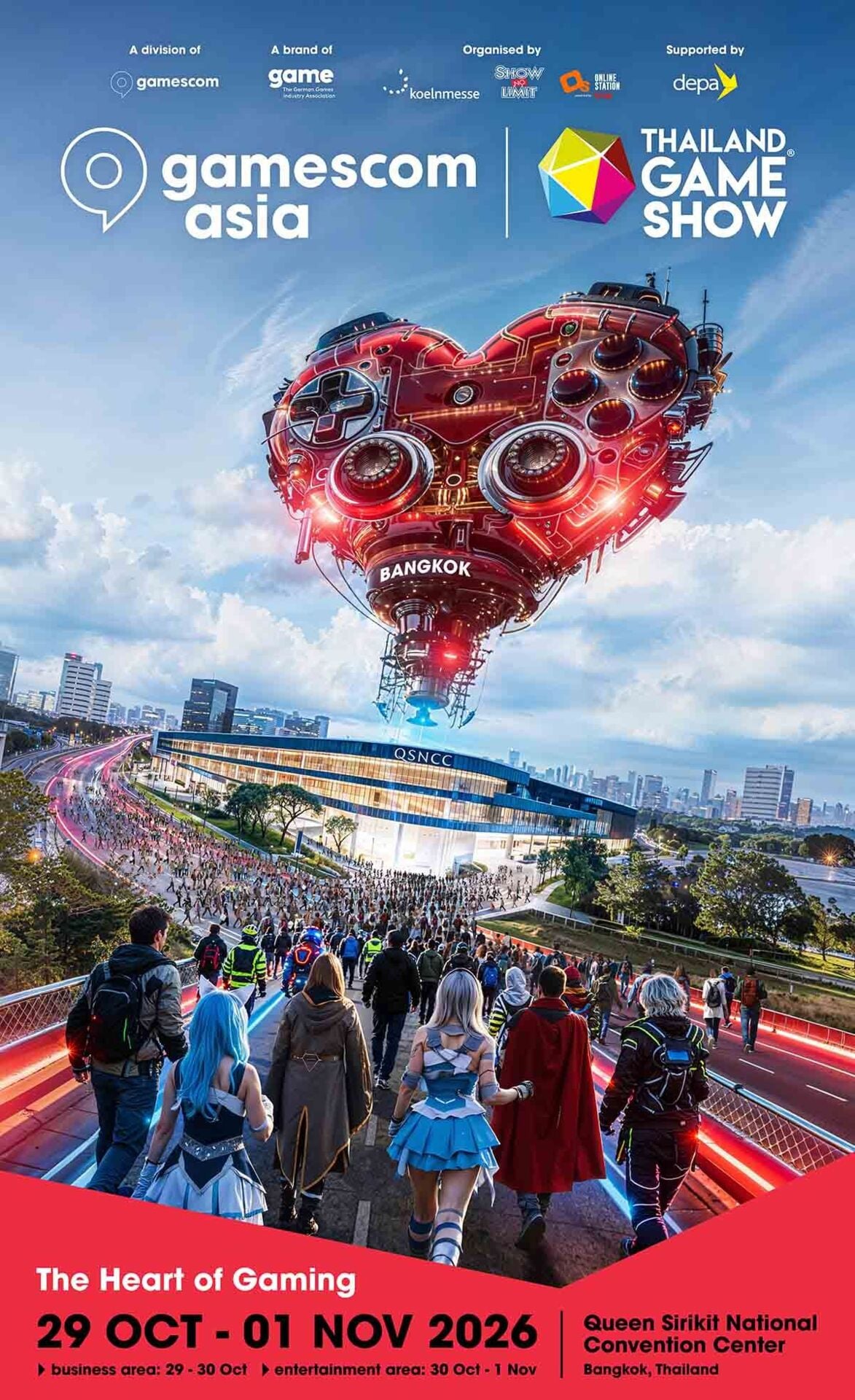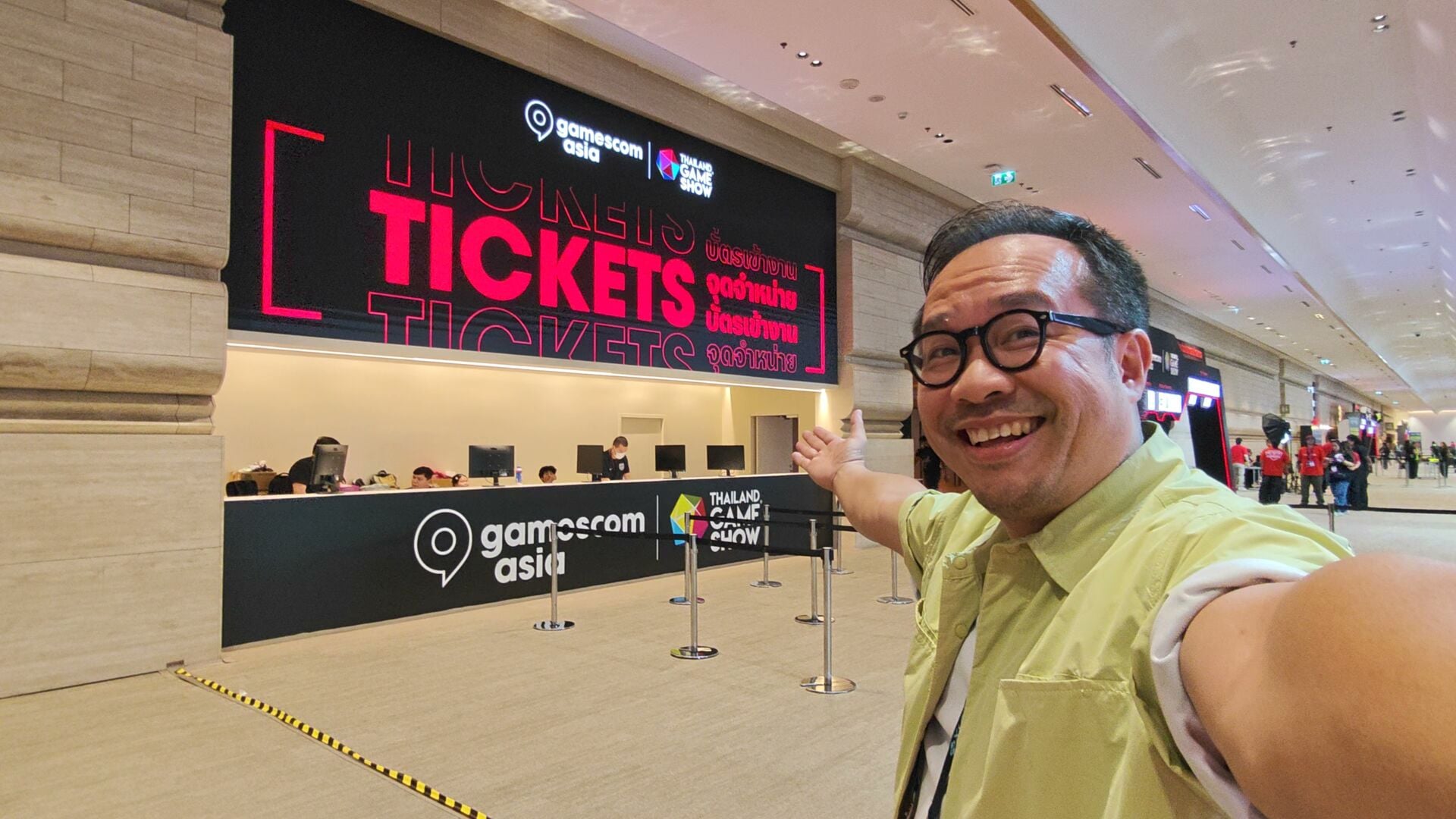

While the Paris Games Week has become a non-event, to the point where it feels like it loses a little more of its appeal with every edition, Gamescom Asia x Thailand Game Show fully intends to establish itself as an unmissable fixture for video games in Asia-Pacific. This year we headed to Bangkok, Thailand, to the heart of the Queen Sirikit National Convention Center, to check out a show that brings together industry professionals as well as gaming fans from 29 October to 1 November 2026. After several editions held in Singapore, the event moved to Thailand in 2025, following its tie-up with the Thailand Game Show. It's a strategic shift that lets the organisers pool their resources in a fast-changing Asian market, while benefiting from costs that are more affordable than in Singapore.

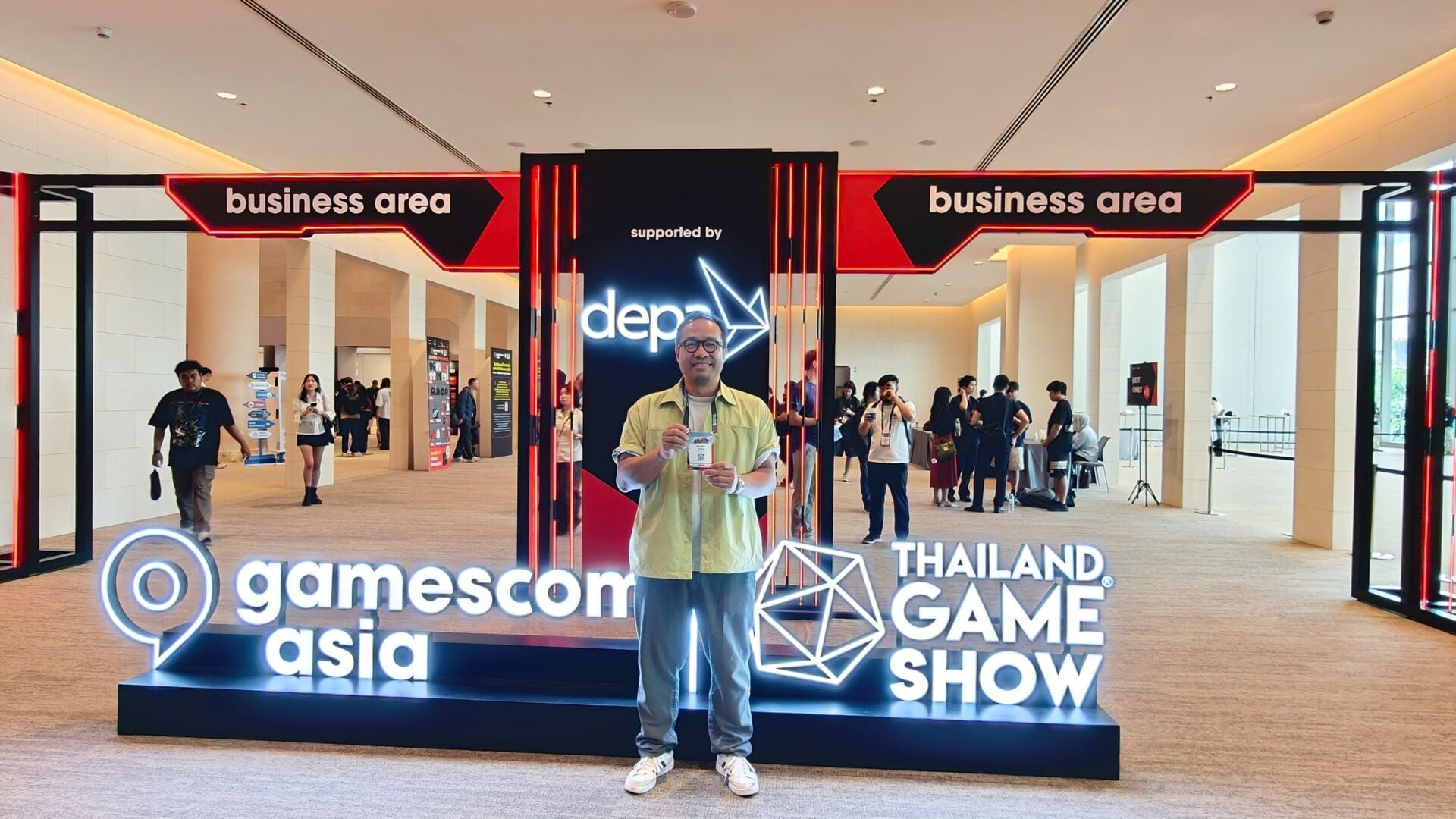
This is the first time that we at screenactu have seen the South-East Asian version of gamescom, and we won't hide it: we were pleasantly surprised. Starting with the venue itself, the Queen Sirikit National Convention Center, which impresses with its sheer size, its wide walkways and its particularly well-appointed spaces, with a layout reminiscent of gamescom in Cologne. The show spans 4 halls and also features an area set aside for conferences and a business space where professionals can meet, arrange interviews and talk through their projects. The first day is reserved for media and industry, before the doors open to the general public on 30 October, 31 October and 1 November.
But beyond the size of the venue, it's above all the sheer variety of players on show that catches the eye. The big industry names are all here, from Capcom to Ubisoft via PlayStation, Bandai Namco, SEGA and Riot Games, alongside plenty of studios and publishers from Thailand, Malaysia, the Philippines, Poland too, and other territories across Asia-Pacific. European and American companies have made the trip as well, proof that Gamescom Asia is looking to establish itself as an international fixture for an industry that is no longer confined to the traditional Japanese, American and European markets.
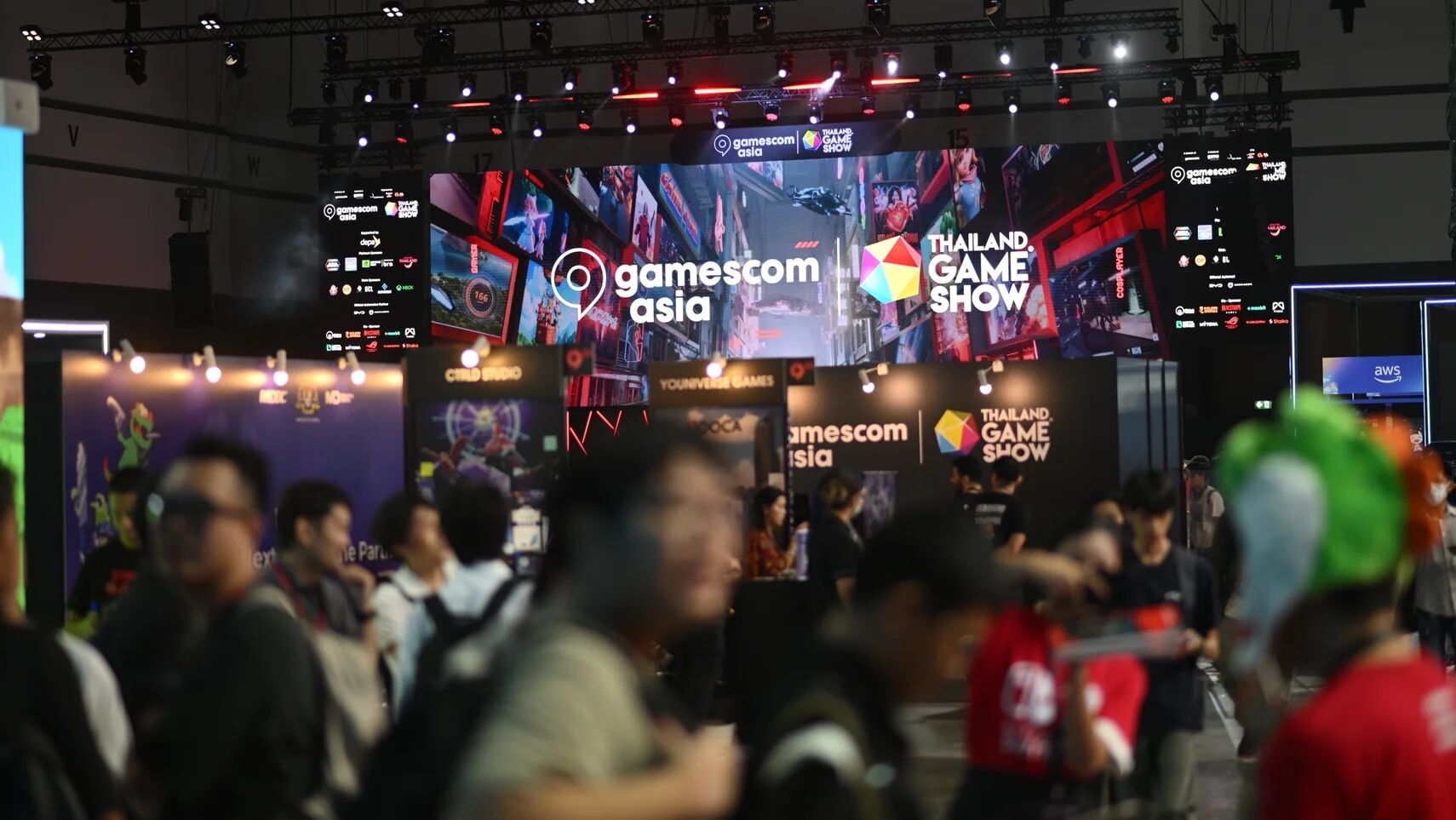
Showcasing another side of video games
That's precisely what interests us about this trip, and it all ties in with what we'd already started doing a few years ago at Jeuxactu, namely taking a close look at Asia's video game industries. Today we want to give these markets more room on our new independent outlet. We're here to get off the beaten track, meet studios still little known to French audiences, understand their ambitions and discover productions that deserve far greater visibility. Some of the games on show here are obviously still a long way from matching the polish of the big international productions, but they speak to a genuine desire to offer something different, and to a scene looking to carve out a place for itself on the world gaming map.
The Thai pavilion is an important stop on the tour in that respect. It's home to plenty of locally developed games, and offers a chance to take a closer look at the country's studios and at the habits of the Thai audience. What are players here playing? Which genres work best? What kinds of productions are local teams looking to build? Our upcoming videos will try to answer all of those questions, to get a sense of what's really happening on the ground.
The Paris Games Week against the rise of Asia's trade shows
This visit to Bangkok comes just a few days after the Paris Games Week, whose 2026 edition felt like the swansong of a show that was once prestigious, or at the very least popular. We weren't there in person, but going by feedback from fellow journalists and the reactions seen online, PGW 2026 clearly lacked impact, and the Parisian gaming get-together is going through a particularly rough patch. Not only has the show been losing momentum for several editions, it needs to reinvent itself from the ground up if it doesn't want to vanish from the French gaming landscape. The contrast with Bangkok is striking. Here, the aisles are packed with representatives from across Asia-Pacific, with companies coming to find partners, show off their games and build their international presence. Gamescom Asia obviously doesn't yet have the scale or the profile of its German big brother, but the gathering offers a glimpse of a fast-moving market whose players fully intend to matter in the years to come.