
With The Blood of Dawnwalker having just passed the million-copies-sold mark in the space of a few days, an investigation published by Jason Schreier for Bloomberg lifts the lid on what really went on behind the doors of Rebel Wolves. The American journalist spoke to the studio's key figures about the making of the RPG, how it was funded and, above all, the decisions taken to stop the project spiralling into an out-of-control production. Because with a $40 million budget and a team that was originally meant to stay modest in size, The Blood of Dawnwalker is a long way from the hundreds-of-millions behemoths that dominate the AAA market today. Here's the story.
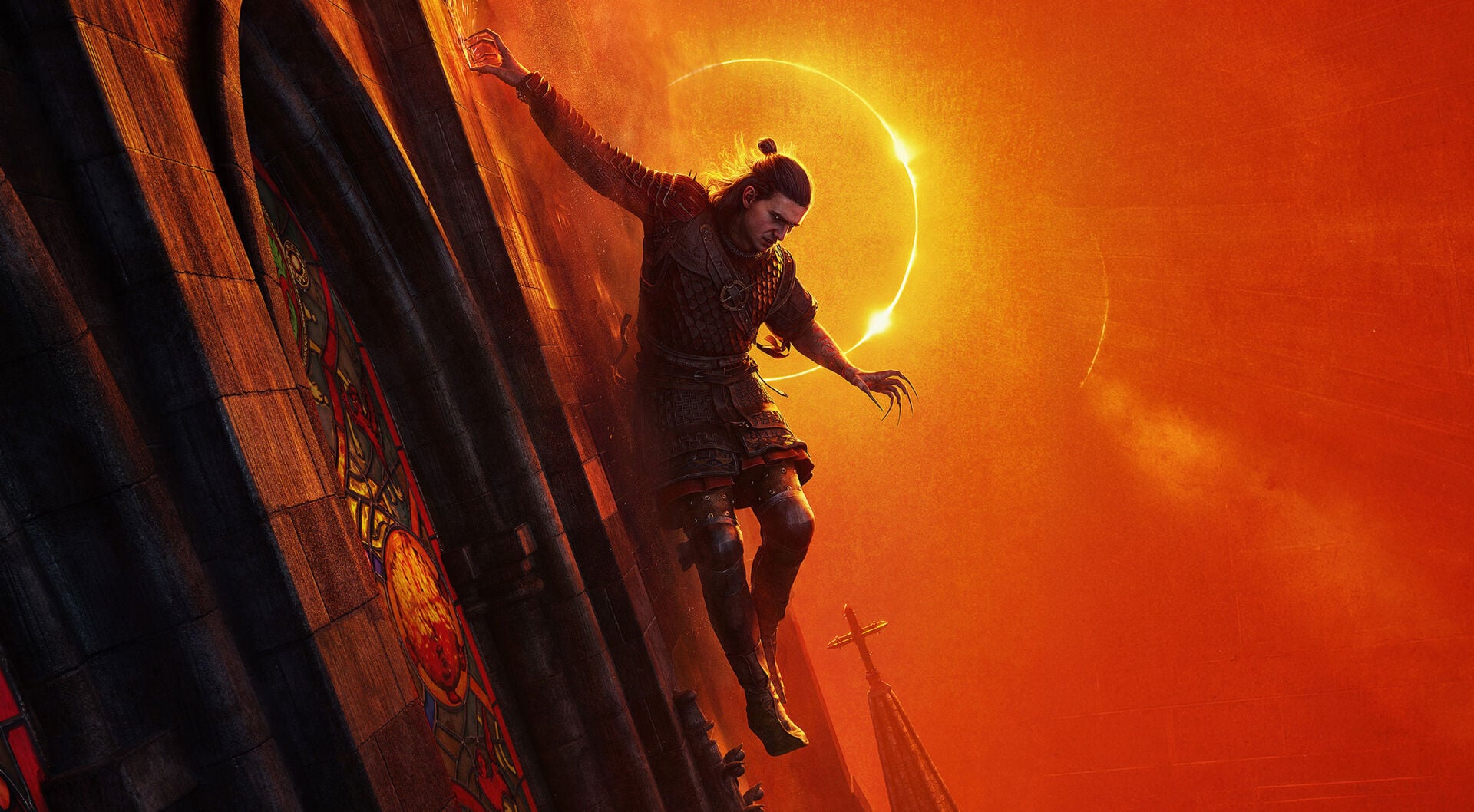
It all began in the autumn of 2021, a few months after Konrad Tomaszkiewicz left CD Projekt. Together with Jakub Szamałek, whom he knew from working alongside him on The Witcher 3 and Cyberpunk 2077, he started sketching out a new adventure. The pair quickly agreed on their protagonist: he'd be a vampire. But a problem cropped up almost immediately. How do you keep a vampire interesting to play when he is, by definition, far more powerful than an ordinary human? The idea that unlocked the project is a rather clever one: why not make him a sort of werewolf as well? Coen would be human by day and a vampire by night, with two very different ways of playing. "It's like making the game twice," Tomaszkiewicz admits. And it's from that idea that Rebel Wolves began building everything else.
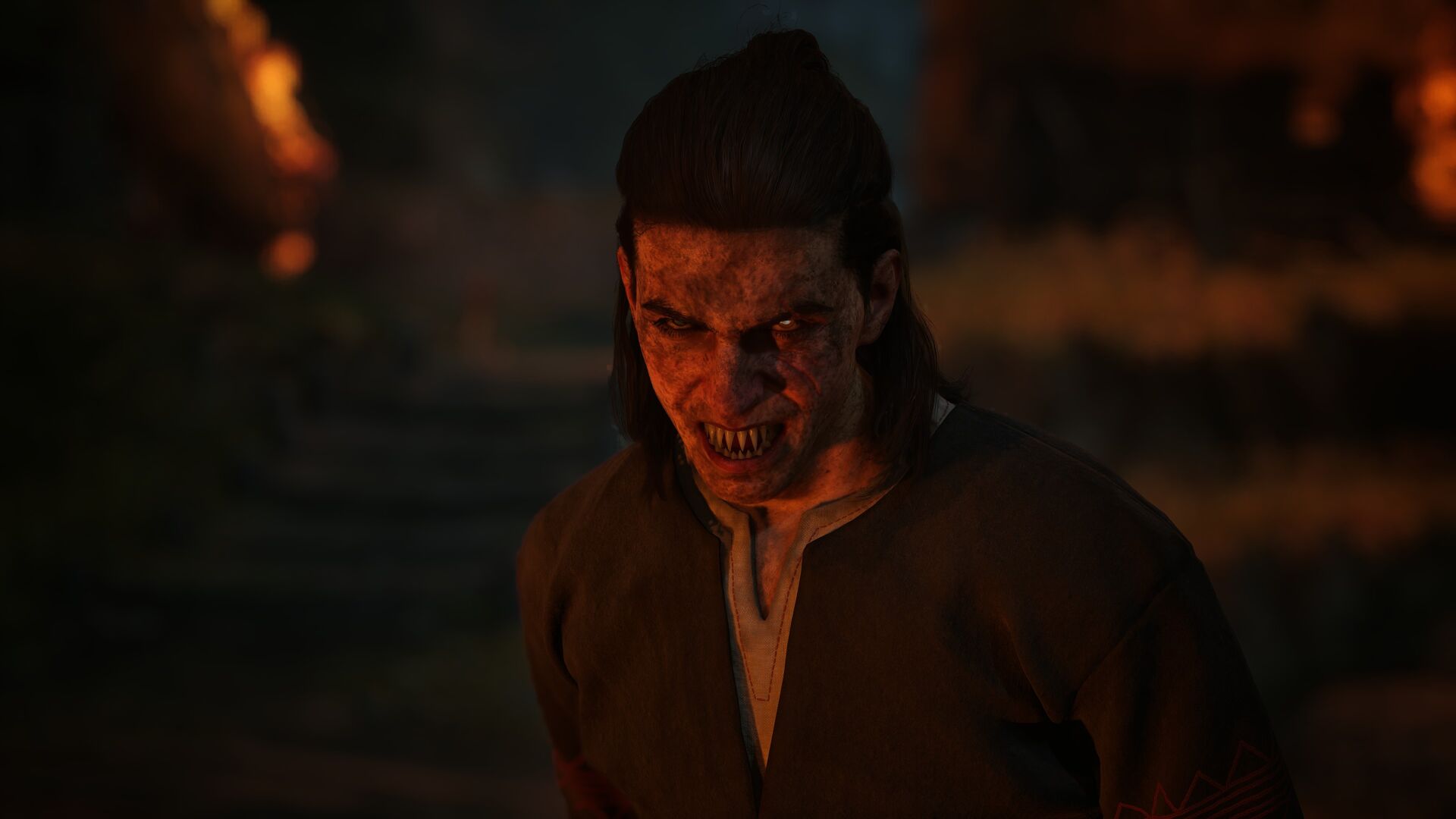
An RPG that doesn't waste your time
The studio quickly realised it needed a mechanic capable of giving that dual identity real meaning. Enter the idea of time as a resource. In The Blood of Dawnwalker, Coen has 30 days and 30 nights to save his family. Every quest, every activity and certain actions push the clock forward, and this mechanic essentially means one thing: you cannot do everything. Unlike most open-world RPGs, the player can't calmly hoover up the map before getting on with the main story. You have to make choices, accept that you'll miss out on some quests and occasionally ask yourself whether that little side mission is really worth a few hours off the clock.
The system could easily have become deeply frustrating, but Rebel Wolves tried out various options and ultimately decided to stay fairly relaxed about what actually advances the clock. The studio wondered, for instance, whether fast travel should cost you time, before settling on a much more permissive approach. Here, urgency is genuinely part of the adventure, and it's one of the elements that works best, not least because it gives structure to an experience that could so easily have become yet another vast open world stuffed with endless quests.
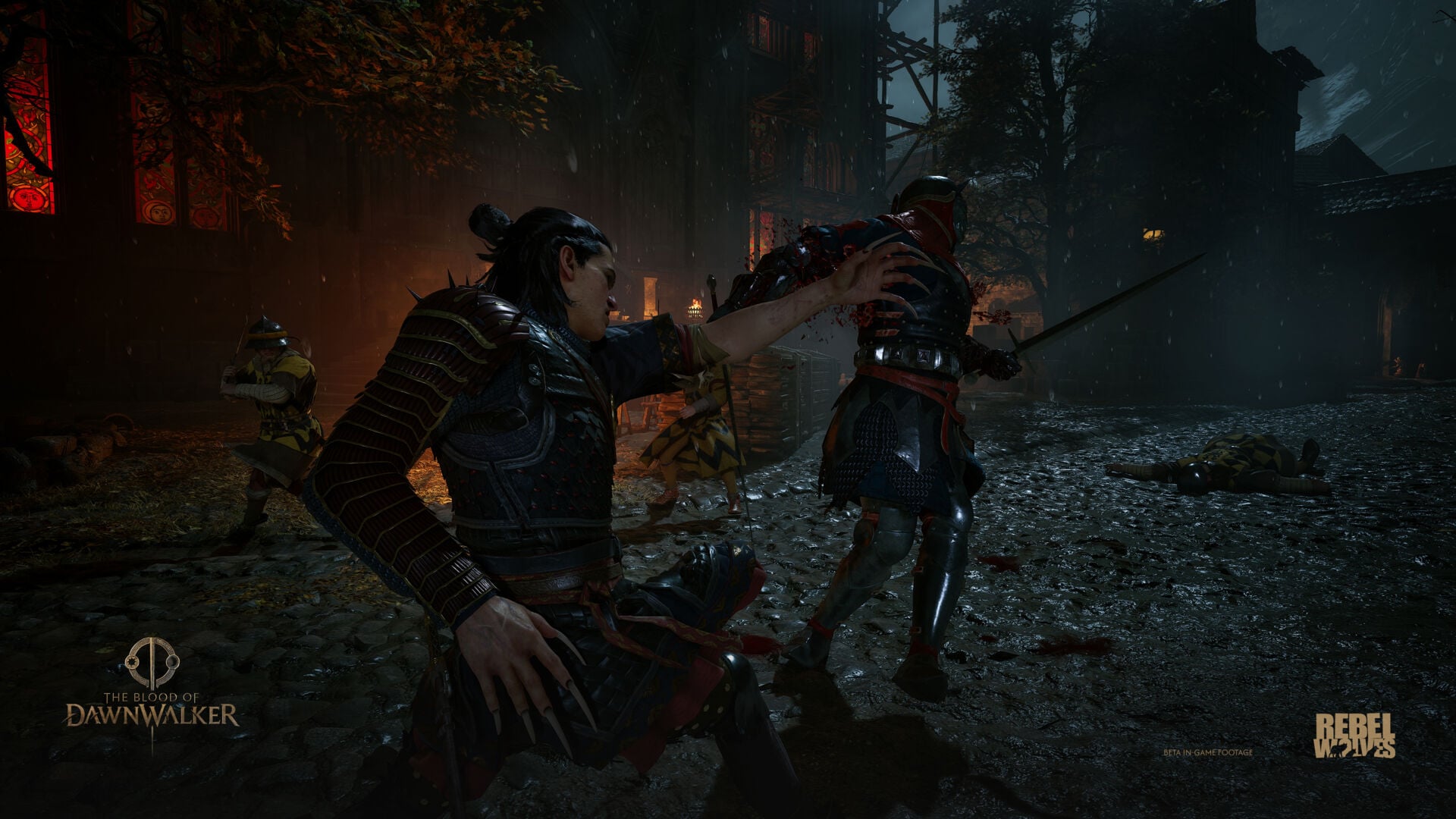
$40 million, not 300. Take note!
Perhaps the most interesting part, though, is how Rebel Wolves funded the game. After spending its first year building a prototype with its own money, Konrad Tomaszkiewicz managed to persuade NetEase to come on board in 2022. The company took a 26% stake in the studio and granted it a $40 million development budget. By the standards of today's industry that might sound like a lot, but for an RPG of this ambition it's actually rather modest. Some big AAA games now sail past the $250 or $300 million mark, sometimes more. The Blood of Dawnwalker therefore sits in a different category altogether, somewhere between the indie scene and traditional AAA.
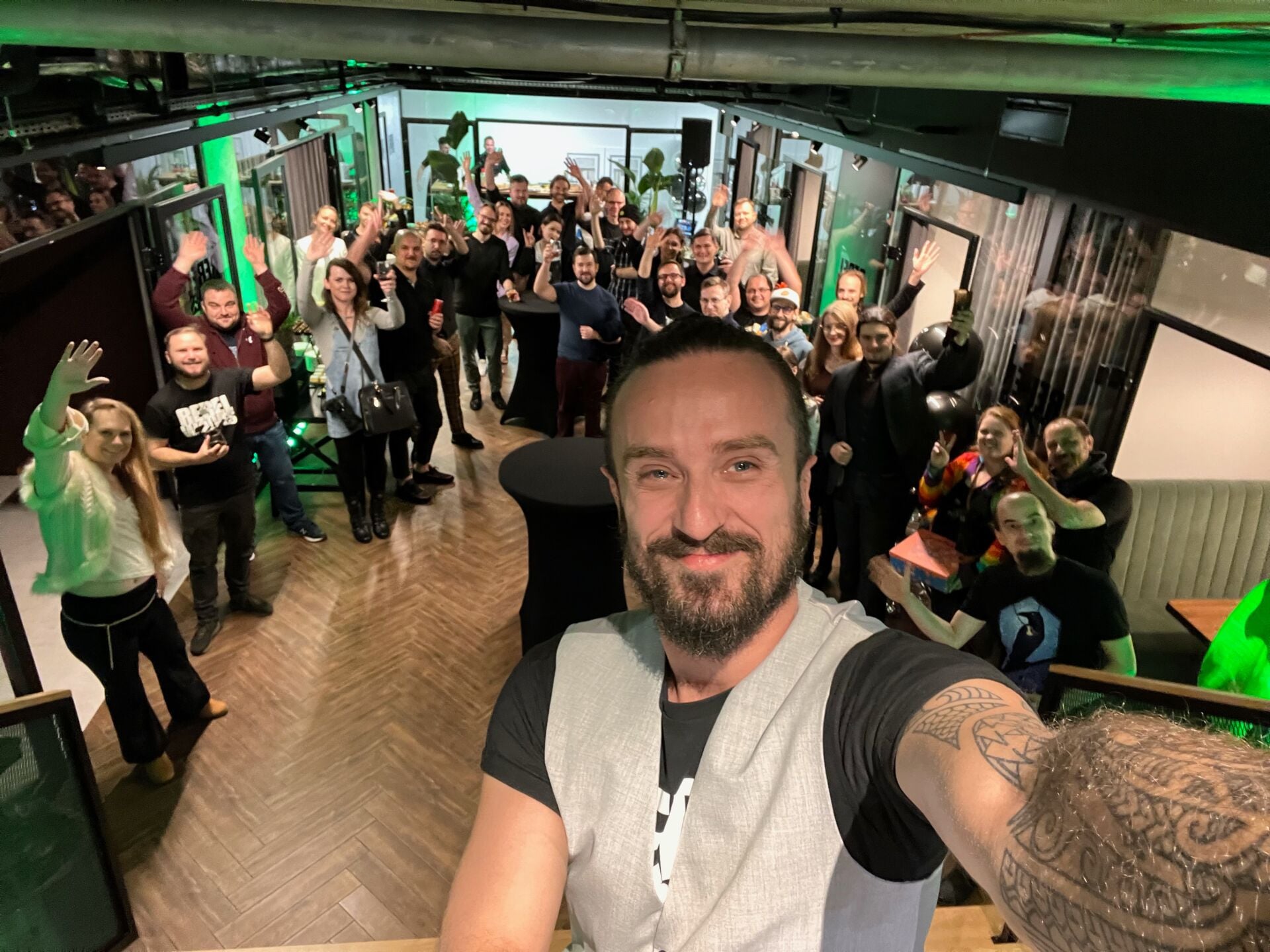
That gap in resources inevitably shaped how the team worked. Rebel Wolves wanted to stay small, too. In 2024, when production properly kicked off, the studio had around 90 people and Tomaszkiewicz wasn't keen to go much beyond that. Except that, as so often in game development, ambitions started to take up room. The team did the maths, looked at everything that needed making, realised it was short-handed, brought in contractors, and then liked their work enough to ask them to stick around. Bit by bit, Rebel Wolves grew to roughly 160 employees. It wasn't really the plan, but the studio now wants a handle on everything that goes on. Konrad Tomaszkiewicz even explains that he wants to keep knowing the members of his team, to be able to talk to them day to day and, above all, to remain a creator rather than spend his time running a vast organisation.
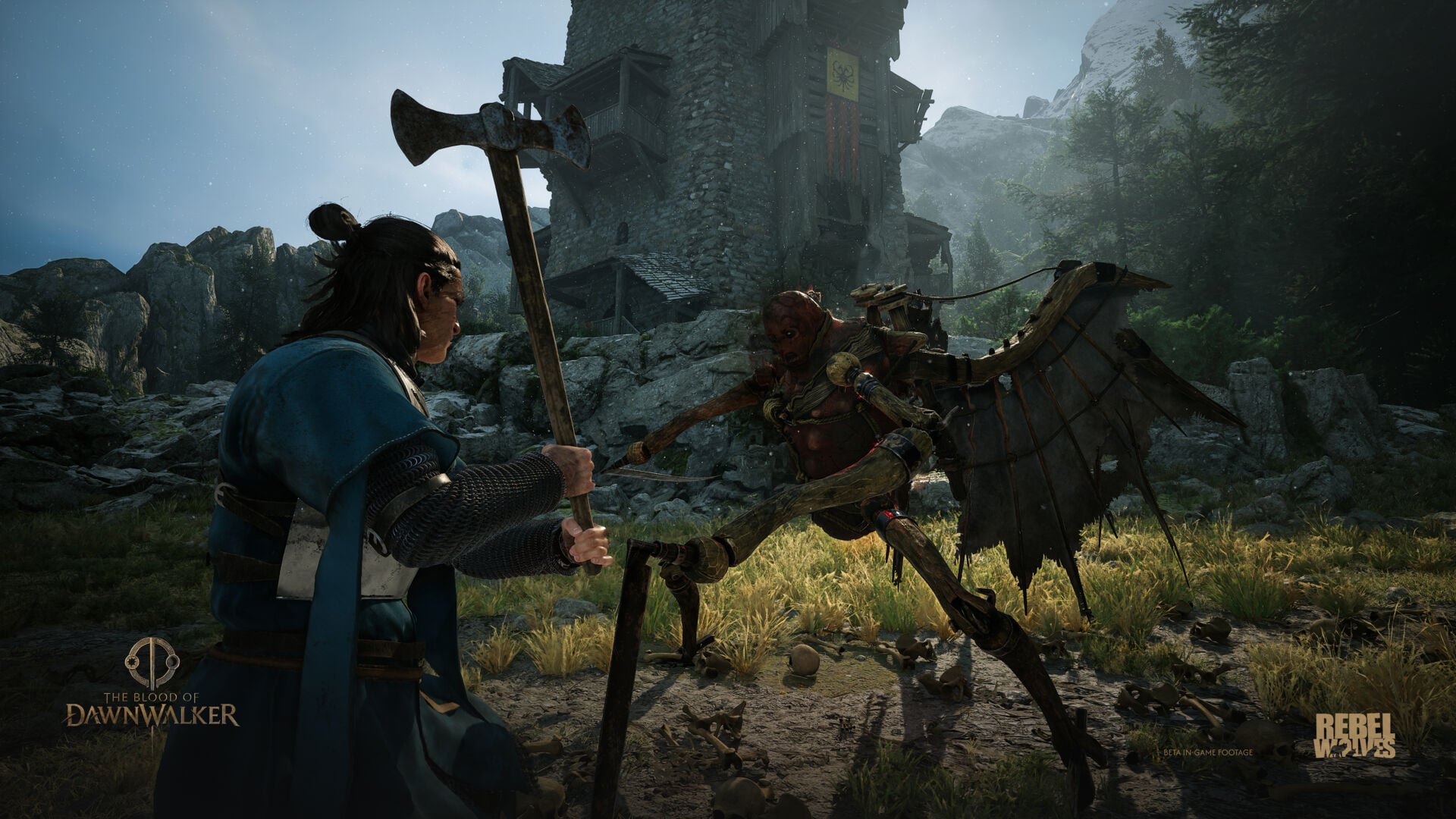
Avoiding another Cyberpunk 2077 trauma at all costs
This determination to stay a manageable size also ties directly back to the founders' time at CD Projekt. One of Rebel Wolves' priorities was precisely to avoid repeating the long stretches of crunch that had marked certain productions at the Polish studio. To pull that off, the team took a fairly major decision right at the outset: not to change the game's foundations along the way. The pitch dreamt up in 2022 was to remain the backbone of the project all the way to release. No suddenly bolting on a major new mechanic or completely rethinking the concept once production was already under way. Because in a game this size, one small change can quickly set off a chain reaction and blow the schedule apart. Even the release date was chosen with that logic in mind. Rebel Wolves could have put The Blood of Dawnwalker out as early as June, but that would probably have forced the team into a hard sprint down the final straight. So the studio preferred to push the launch back to September, despite a particularly crowded release calendar. A call that paid off in the end, since The Blood of Dawnwalker launched on 3 September and sold over a million copies in its first week.
With hindsight, then, Konrad Tomaszkiewicz reckons the gamble worked out rather well. Development was obviously no walk in the park, but the studio says it managed to ship the game without running into the enormous production problems it had set out to avoid. And now that The Blood of Dawnwalker is out, Rebel Wolves is already looking ahead. The studio would of course like to develop another adventure in this universe, but this time with more time on its hands. We can only wish them the best with it.