The good
- Fluid, acrobatic movement
- Highly customisable melee combat
- Level design that turns everything upside down
- Visually stunning bosses
- Bold, vivid colour palettes
- Quests that sometimes make you think
- Far longer than Control
The bad
- Towers that reveal the map? That's so last decade
- Jesse's new face is jarring
- Animations lack realism in some cutscenes
- A hero who can levitate, but can't use stairs...
Released seven years ago now, Control left players with fond enough memories for Remedy to treat us to a new instalment. And this second outing doesn't do things by halves!

What could be more tempting for a publisher than greenlighting a sequel rather than launching a brand-new franchise? The world is already built, the player base already in place, and the marketing pitch writes itself. So much so, in fact, that we've lost count of the second instalments that are really just version 1.5 in a more or less convincing disguise. But, as Alan Wake 2 already proved, Remedy isn't really in that business. Control Resonant grabs the first game with both hands, turns it every which way, blows it apart without mercy, and hands us an experience that feels both familiar and completely new.
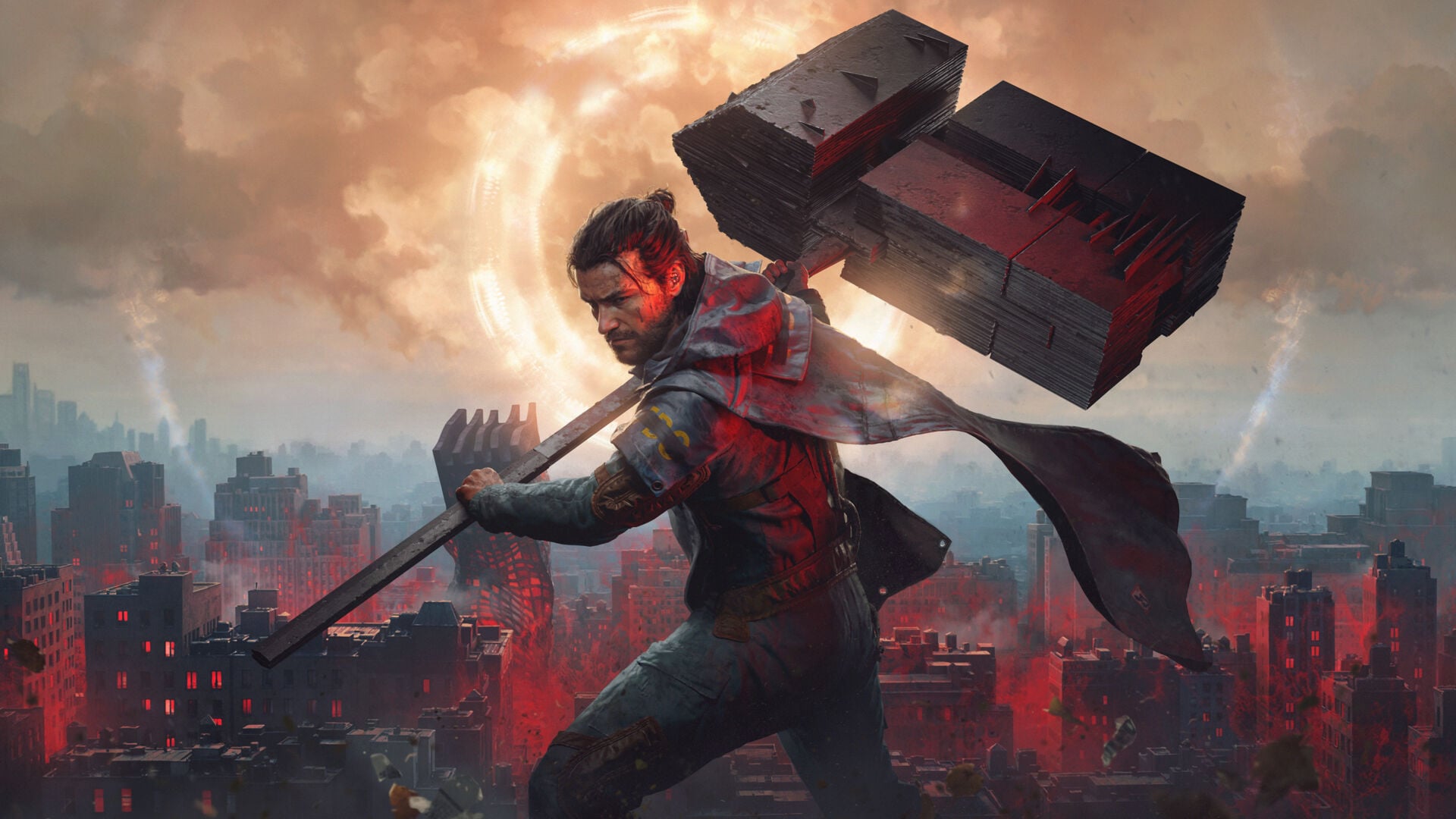
Handing us back control of Jesse for more shooting sections would have been the easy option. But Resonant would rather play the action-RPG card, putting us in the shoes of a Dylan who favours close-quarters combat. That break with the past could well draw a new audience to the franchise, and the game doesn't forget to include a recap of the previous instalment. This well-judged summary is detailed enough for newcomers to know what they're getting into, and brief enough not to spoil their eventual discovery of the first game. Fans, meanwhile, will be delighted by a story that regularly nods to past events. More importantly still, the adventure has lost none of its mysterious, surreal, paranormal atmosphere. The Federal Bureau of Control is still there, and the Hiss makes a grand return. This time, though, the corruption has escaped the Oldest House and spread across the whole of Manhattan. That's all it takes (give or take a violent awakening from a coma) for Dylan to set off in pursuit of a host of occult entities, and of his sister.
That doesn't turn Control Resonant into pure Devil May Cry, mind you, because the quests sometimes take the shape of genuine puzzles to solve.
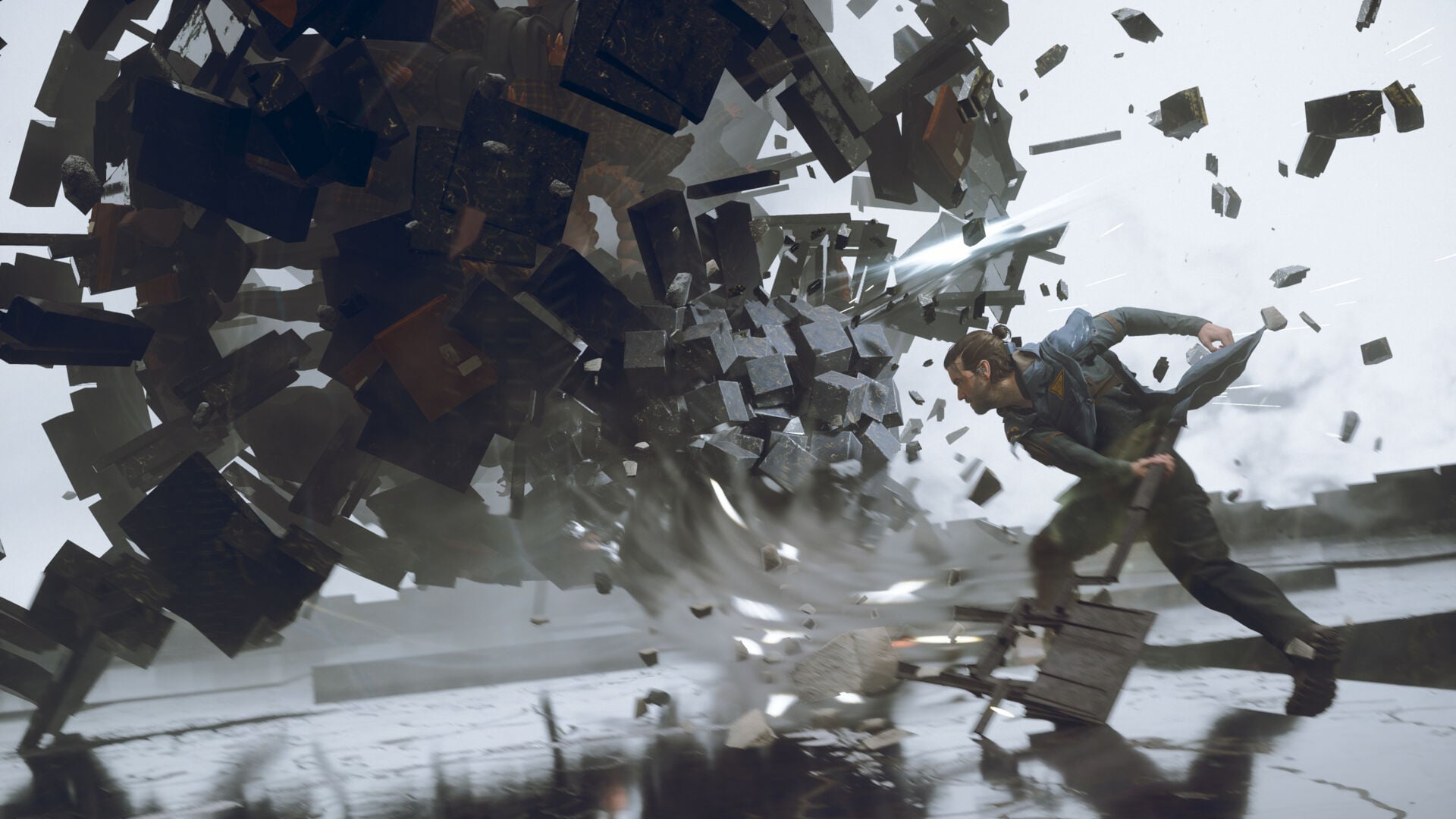
Far from being a mere narrative excuse, this change of protagonist completely redefines how you play. Dylan doesn't have a shape-shifting gun but the Aberration, a melee weapon that can likewise take several forms. Early on, the adventure lets us pick a primary form from three: the Cleaver, devastating when you strike from behind; the broad Glaive, able to hit several foes at once; and the quick Strike, with high critical-hit chances. But that first choice is only a taste of the many to come. Primary forms, secondary forms and combo finishers prove rich enough for every type of player to find something that suits them. Finally, Dylan's talents, the many combat abilities, and the crafting of esoteric artefacts (all accessible in a psychological hub called the Interval) round off the customisation picture brilliantly.
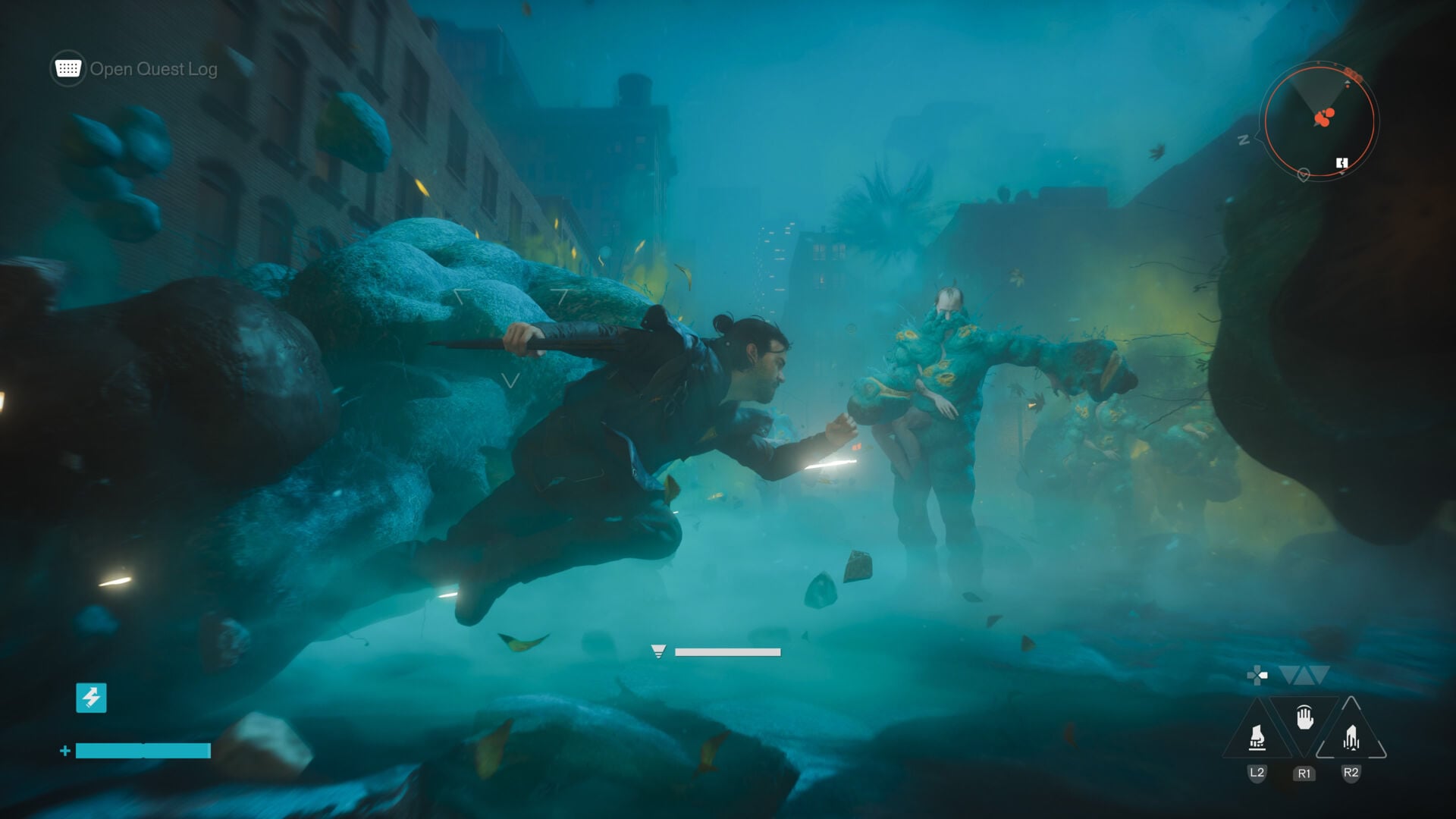
Top-flight combat
All these offensive options go hand in hand with wonderfully acrobatic movement. From the off, the game equips us with a double jump, a double dash and a "glide" that's closer to levitation. Here too the fun is only getting started, as the move set keeps growing as you progress. The blend of aerial manoeuvres and melee combat lands beautifully, with the gameplay letting us hang in the air for long stretches, juggling one enemy into the next. That doesn't make the overall difficulty trivial, as the boss fights prove. Not only do these resonant entities offer stiffer challenges than the more generic creatures, but beating them makes certain enemies respawn across the map, coming back stronger and in greater numbers. In return, each felled boss unlocks a new combat ability. In every case, you have to remember that here, the best defence is attack! Active abilities draw on a gauge that doesn't regenerate over time, but only when you land melee blows.
That doesn't turn Control Resonant into pure Devil May Cry, mind you, because the quests sometimes take the shape of genuine puzzles to solve. Cracking them means reading the documents lying around nearby and putting a few brain cells to work. It's rather refreshing, and it fits the game's relatively open nature, which lends itself to exploration and side activities. Not quite an open world, but not far off, Manhattan is laid out as several large zones you can roam freely, separated by transition corridors and checkpoints. The direct consequence of that design choice: a running time of 25 to 50 hours, depending on how long you spend on side quests and optional activities.
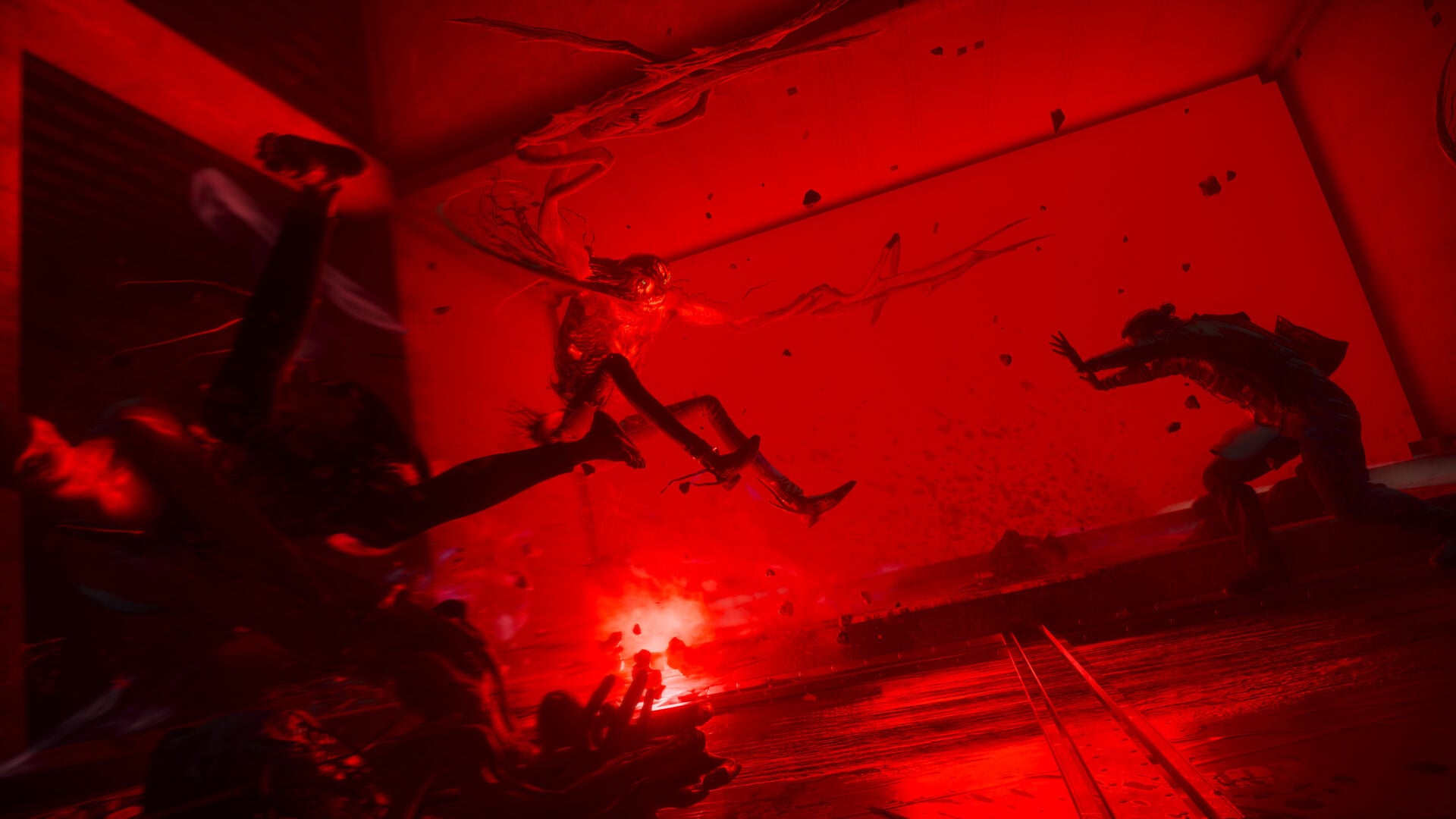
Manhattan takes a tumble
True to its DNA, Remedy doesn't shy away from throwing psychedelic, labyrinthine levels at us, ones that regularly toy with the laws of physics. And that last point doesn't just apply to the "dungeons", but to the streets of New York themselves. In certain spots, they literally fold back on themselves, Inception-style. After a few hours of play, you thankfully unlock an ability that lets you flip easily from one gravity to another. The visual shock then turns into an interesting gameplay mechanic. Often brilliant, Control Resonant isn't flawless for all that. Originality sometimes gives way to convention, as with the mapping towers you have to activate in each district to reveal the area's points of interest. That's clearly not the most original thing the game has to offer. The same goes for some of the side activities. What's more, the building façades are covered in fire escapes… that our heroine can't even use. You can see the twin intention (staying faithful to New York architecture without letting the hero reach the highest points right away), but it's still mildly frustrating.
Elsewhere, while the tech has a few strengths — ray tracing and a varied array of visual effects among them — it looks slightly dated during certain in-game cutscenes, thanks to body and facial animation that's a touch too rudimentary. The fact that Jesse no longer really has the same face as in the first game is a little disconcerting too. Happily, some of the major cutscenes and certain scenes overlaid on the gameplay screen make lovely use of genuine live-action video. That's the Remedy touch, which also comes through in a definite flair for framing, perspective and colour. The most surreal scenes burn themselves onto your retinas instantly, the way a great photograph does. Hats off to the artists!