

The last time we reviewed a game with the Rockstar Games stamp on it was eight years ago, back in 2018. The title in question needs no introduction: Red Dead Redemption 2. A game that caused quite a stir when it launched, not only because we handed it a historic 21/20 — richly deserved, in our view — but also because it's still shifting staggering numbers today. With more than 90 million copies sold worldwide, Rockstar's western now sits fourth on the list of the best-selling video games of all time (behind Tetris, Minecraft and GTA 5). An absolutely phenomenal achievement, especially for a game whose extreme realism and infamous "tank" controls put off a fair few players at launch. Which just goes to show that taking the risk of going against the grain can also lead to resounding commercial success.
But beyond its critical and commercial success, the real takeaway from Red Dead Redemption 2 is Rockstar Games' almost pathological obsession with ultra-realism, that determination to reproduce the real world down to the tiniest detail, even at the cost of a certain immediacy in the gameplay. A philosophy that inevitably raised a question: could that approach be transposed to the GTA series, whose very DNA rests on a punchier rhythm, spontaneous mayhem, frantic chases and near-limitless freedom of movement? We got our first answers with the Extended Look that aired on Netflix at the end of August, which already hinted at a GTA 6 noticeably different from its predecessors. Calmer, more methodical, more meticulous too in its interactions, with an obvious desire to give greater weight to every gesture and every exchange. In short, a GTA that seems to have learned a great deal from Red Dead Redemption 2 without disowning its roots.

The question that remained was whether this pursuit of realism would genuinely serve the experience or, on the contrary, get in the way of the fun. Because after a 13-year wait (GTA 5 launched in 2013), expectations are inevitably sky-high, and it's no longer enough to boast a gigantic map or breathtaking visuals to claim you've revolutionised the open world. That ambition has to translate into something concrete with a controller in your hands. After 102 hours with GTA 6, the main story wrapped up, every ending seen and a good chunk of the side content completed, we've now got enough perspective to pass judgement on this extraordinary production. So, have Rockstar Games pushed the boundaries of the medium once again? Spoiler: YES.
The NPC revolution
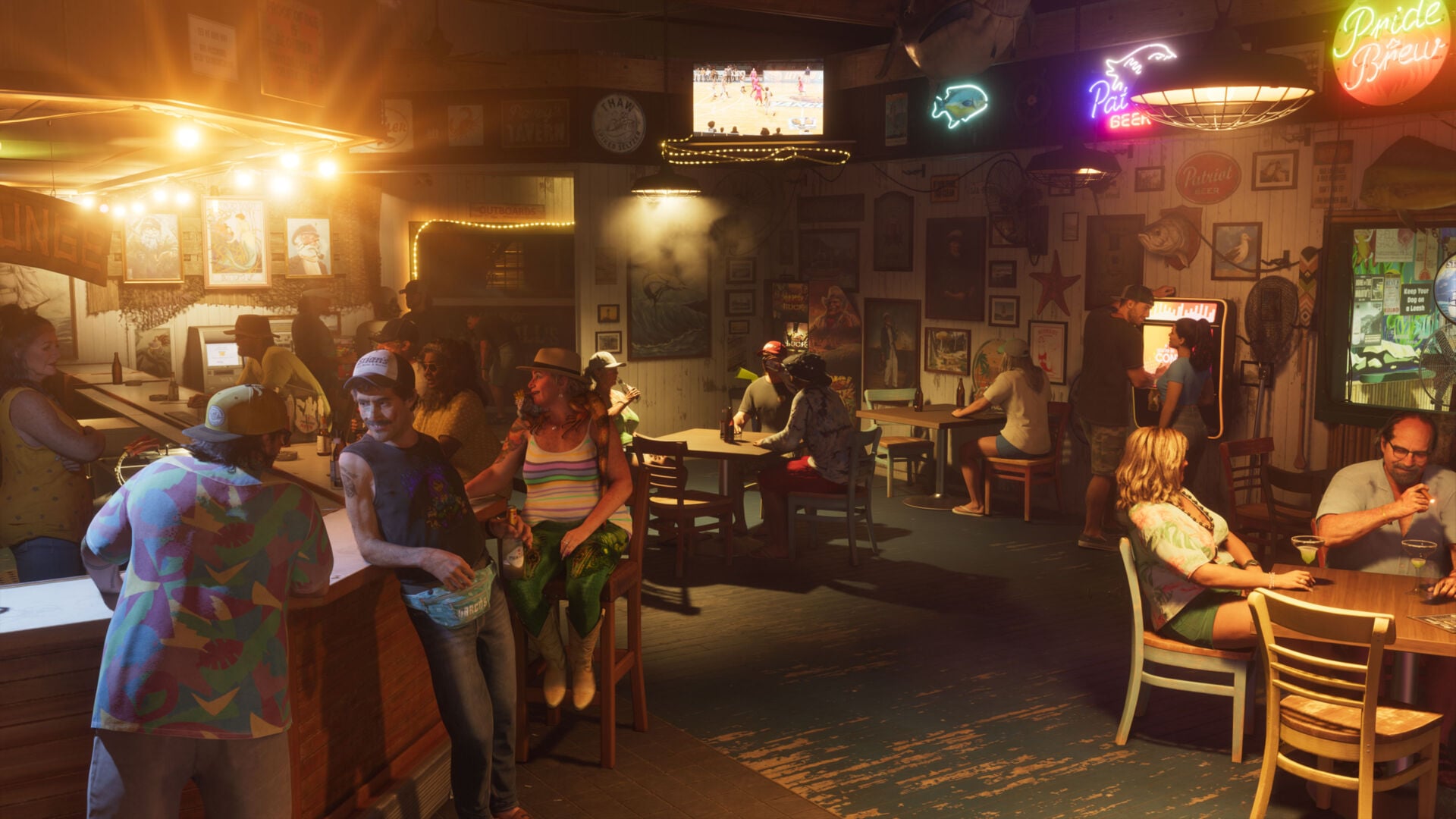
We could obviously start by talking about the sheer size of the map (it's GTA 5's and Red Dead 2's combined), the outrageous beauty of Leonida / Vice City, or visuals so accomplished that you sometimes feel like you're watching a life simulation. But that would mean missing what is, to our eyes, the true revolution of GTA 6: its NPCs. Yes, those non-playable characters who populate the streets, the beaches, the shops and the various districts of Leonida. The ones we usually walk straight past without a second thought, because they're ultimately just extras there to create the illusion of a living world. Except that in GTA 6, Rockstar Games decided to give them an absolutely outsized importance, to the point of upending our perception of what a background character can be in an open world. We'd already had a taste of this with the screenshots released in 2025, but you really had to have the game in your hands to grasp the scale of the work that's gone into it.
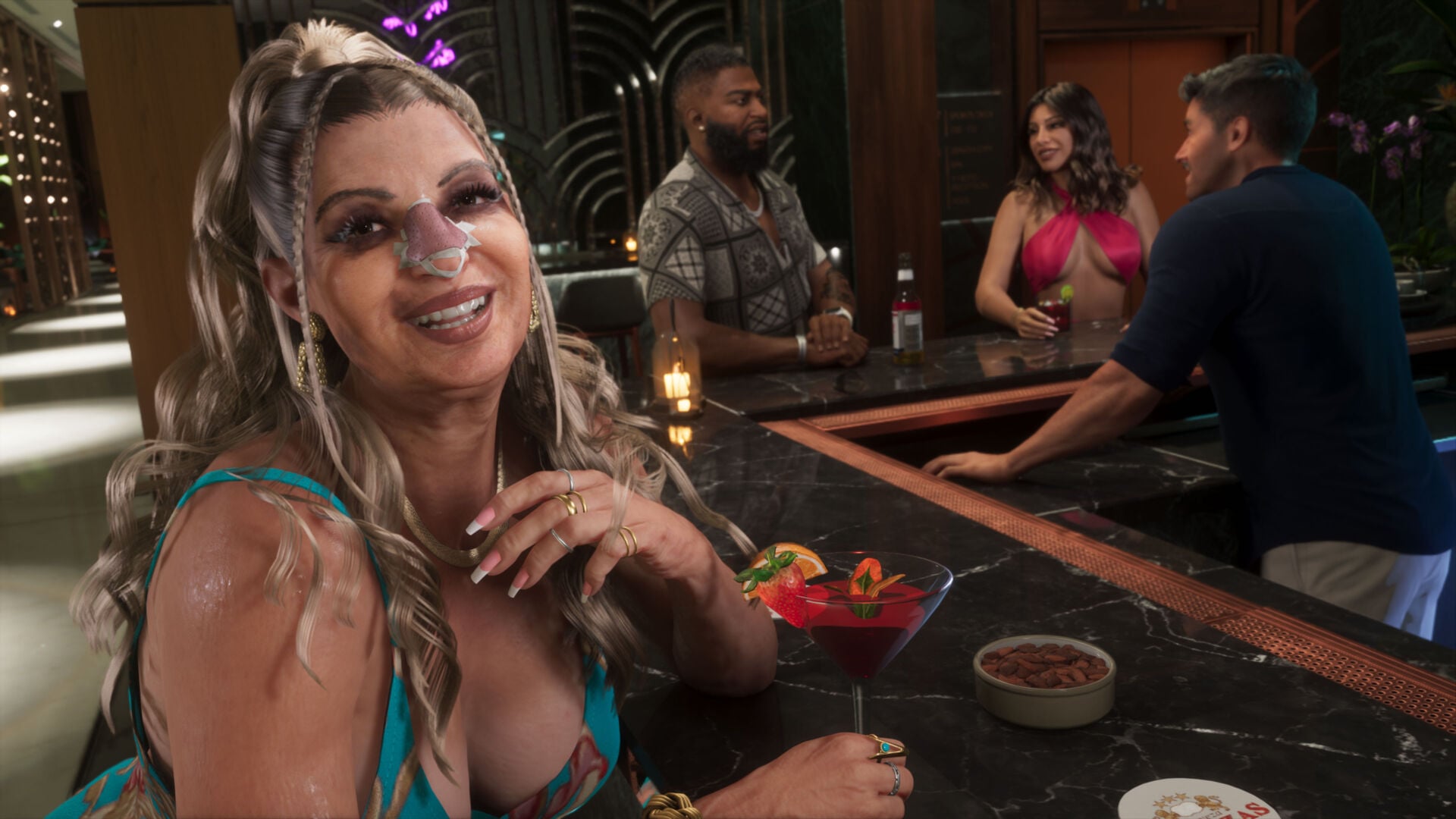
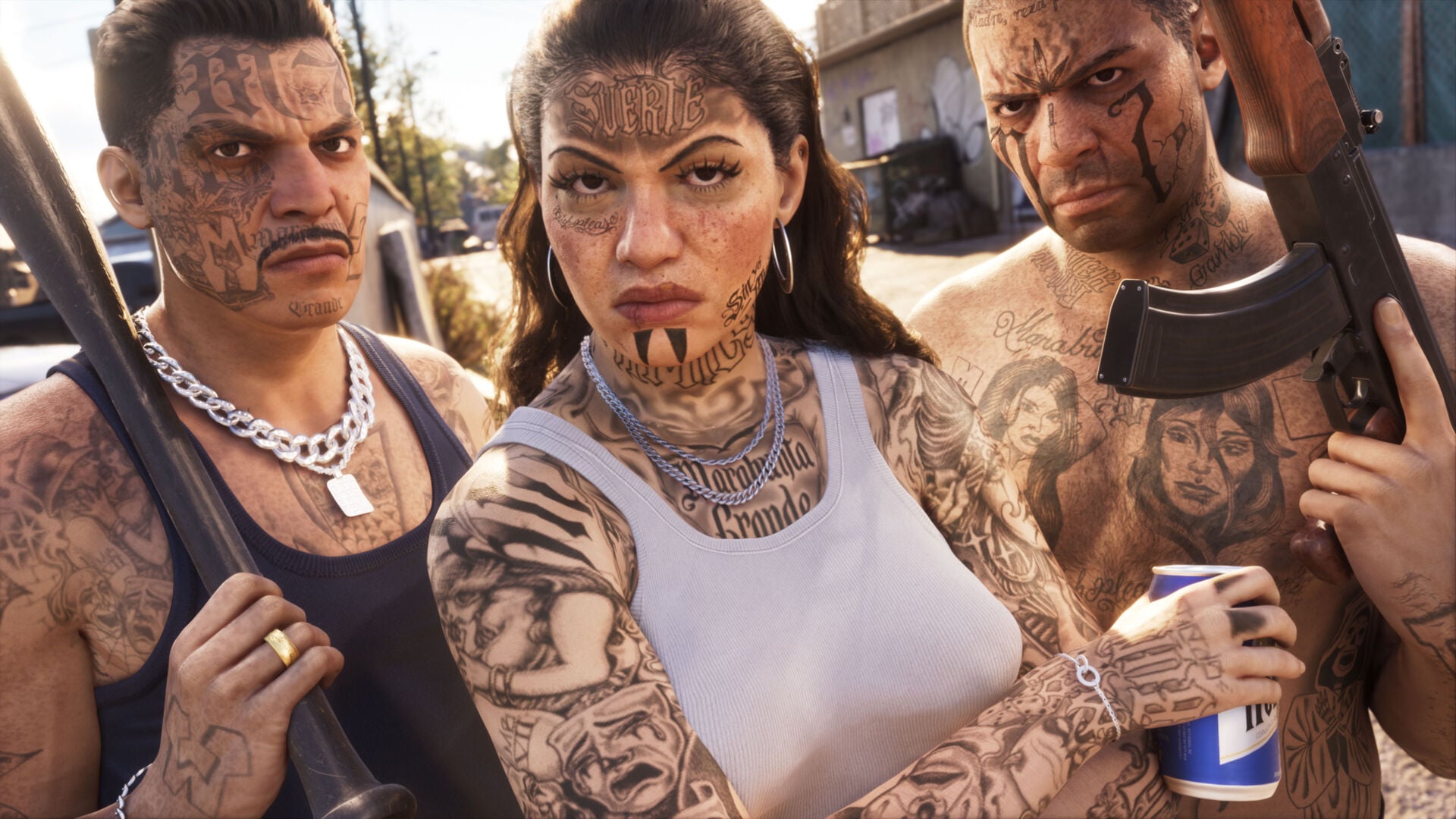
It has to be said that Rockstar Games is hardly a newcomer here. Back in 2018, Red Dead Redemption 2 had already laid the first foundations of this revolution, with NPCs capable of following their own daily routines, going about their business and stringing together animations of a length that was unusual for the time. You could watch certain townsfolk working, chatting, moving around or simply living their lives, without your presence being needed to trigger their behaviour. It was impressive even then, but with GTA 6, Rockstar has moved into an entirely different dimension. And what makes it all the more astonishing in 2026 is the genuinely mind-boggling diversity of the characters who populate Leonida. Across 102 hours of play, no matter how closely we watched passers-by, scanned crowds and lingered on faces, we never once had the feeling of running into the same person twice. Not a single NPC struck us as identical to another. Each one seems to have its own visual identity, with a face, a build, a walk, an outfit and animations all of its own. It is quite simply unprecedented on this scale.
And when we talk about diversity, this isn't just a matter of swapping a T-shirt colour, a haircut or a few accessories to create the illusion of variety. No, Rockstar Games has gone much, much further. Body shapes differ radically from one individual to the next, with frames that are more or less imposing, distinct musculatures, bellies that are more or less pronounced, broad or narrow shoulders and proportions that vary in an extremely natural way. Some characters are athletic, others carry a few extra pounds, while others still are seriously well built. And the most impressive part is that this physical diversity doesn't stop at the overall silhouette. It extends to the tiniest details of the human body. You can make out body hair on the arms, the shoulders and even the backs of certain characters, rendered with a level of finesse that frankly leaves you speechless. You'll also notice tan lines, differences in skin tone from one part of the body to another — all those little imperfections and physical quirks that give each individual an astonishingly credible presence.
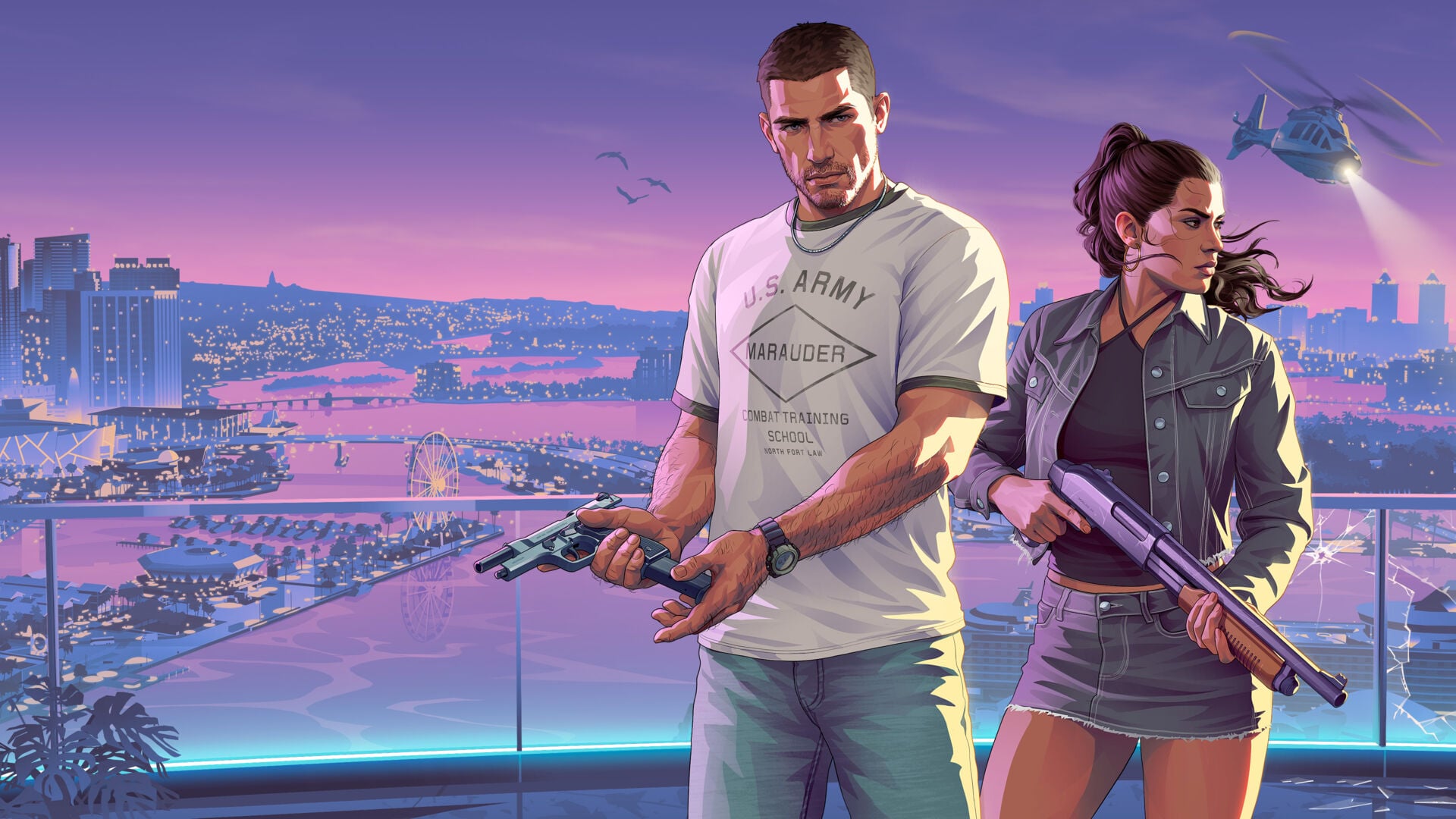
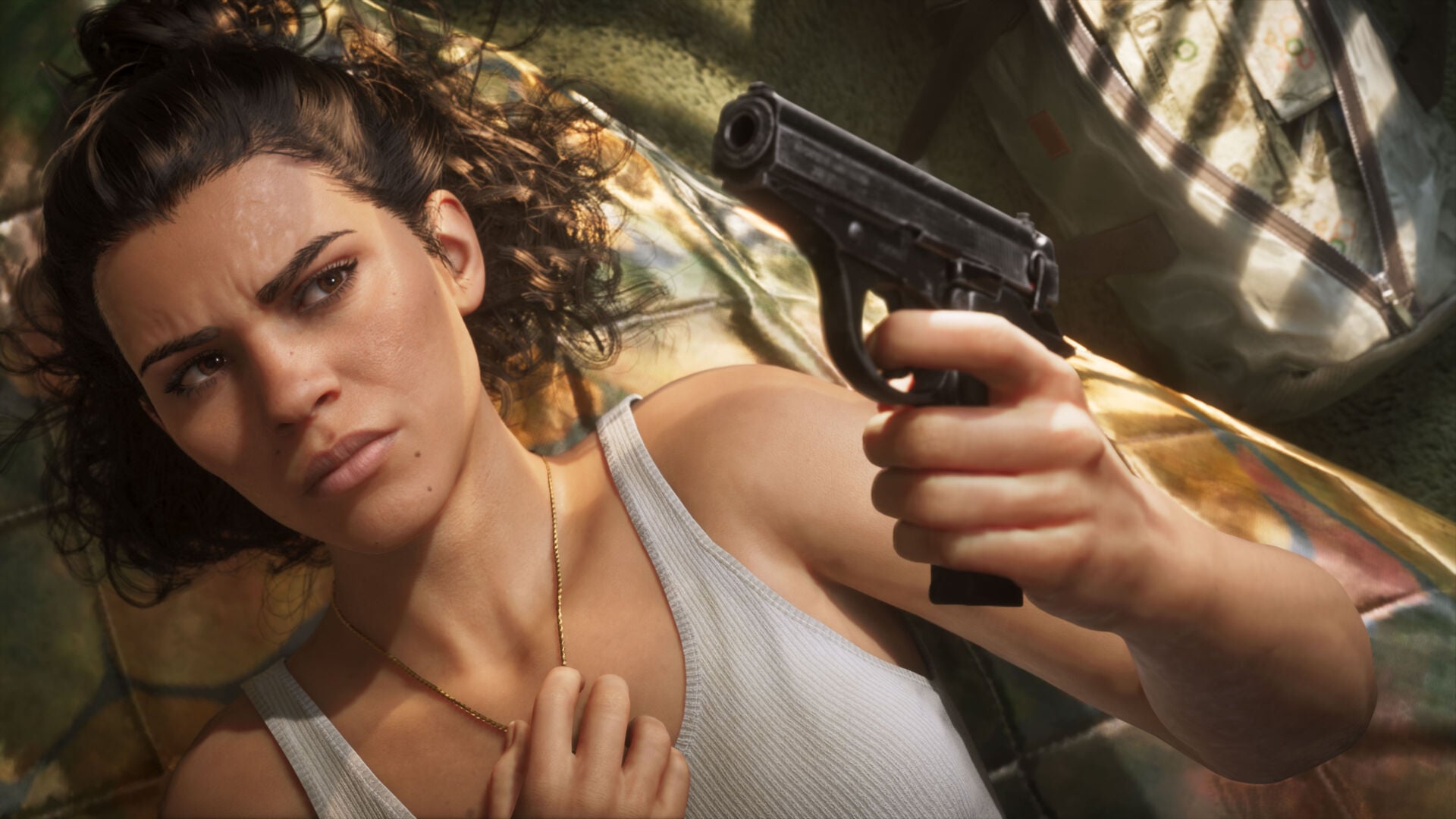
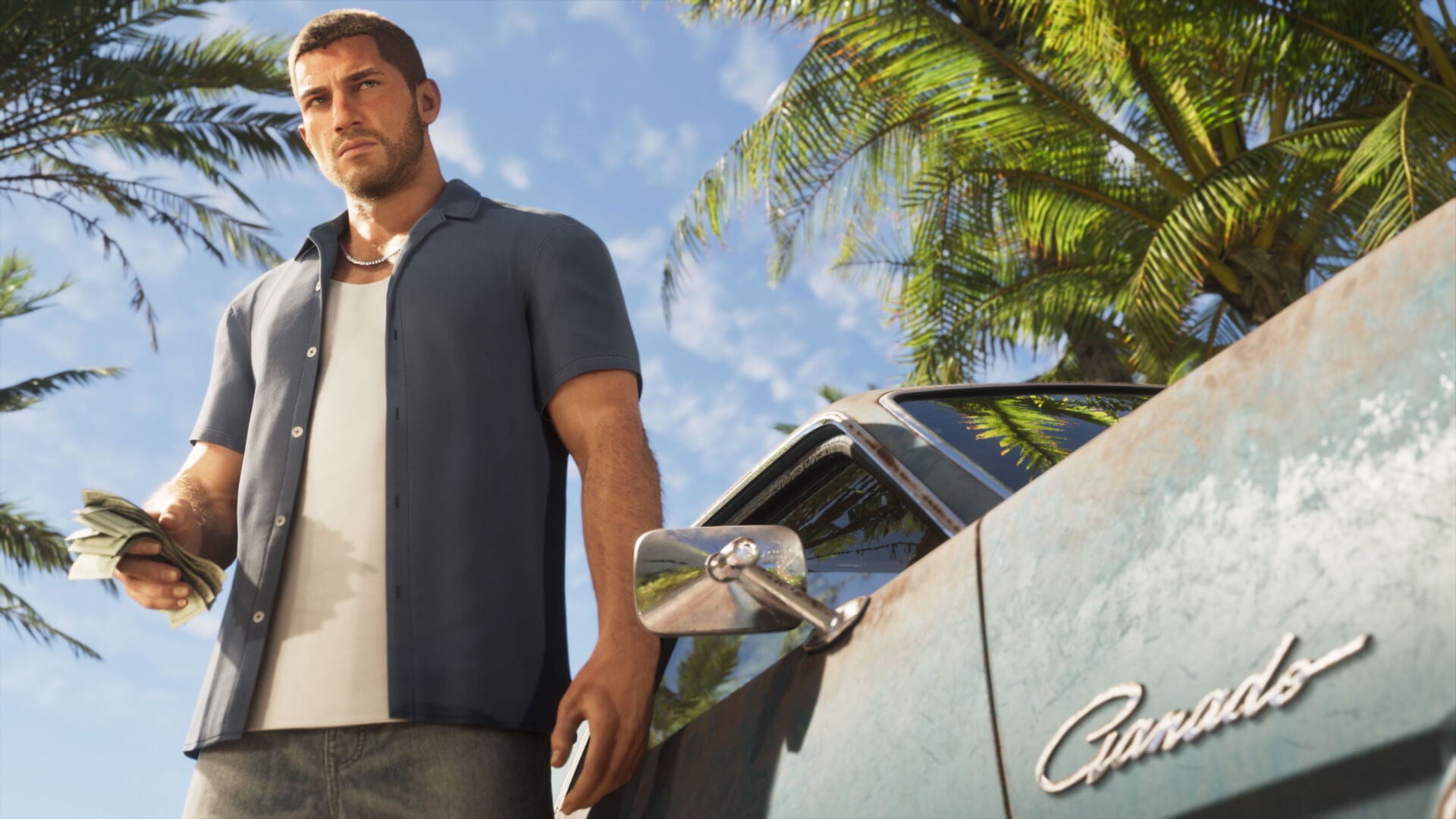
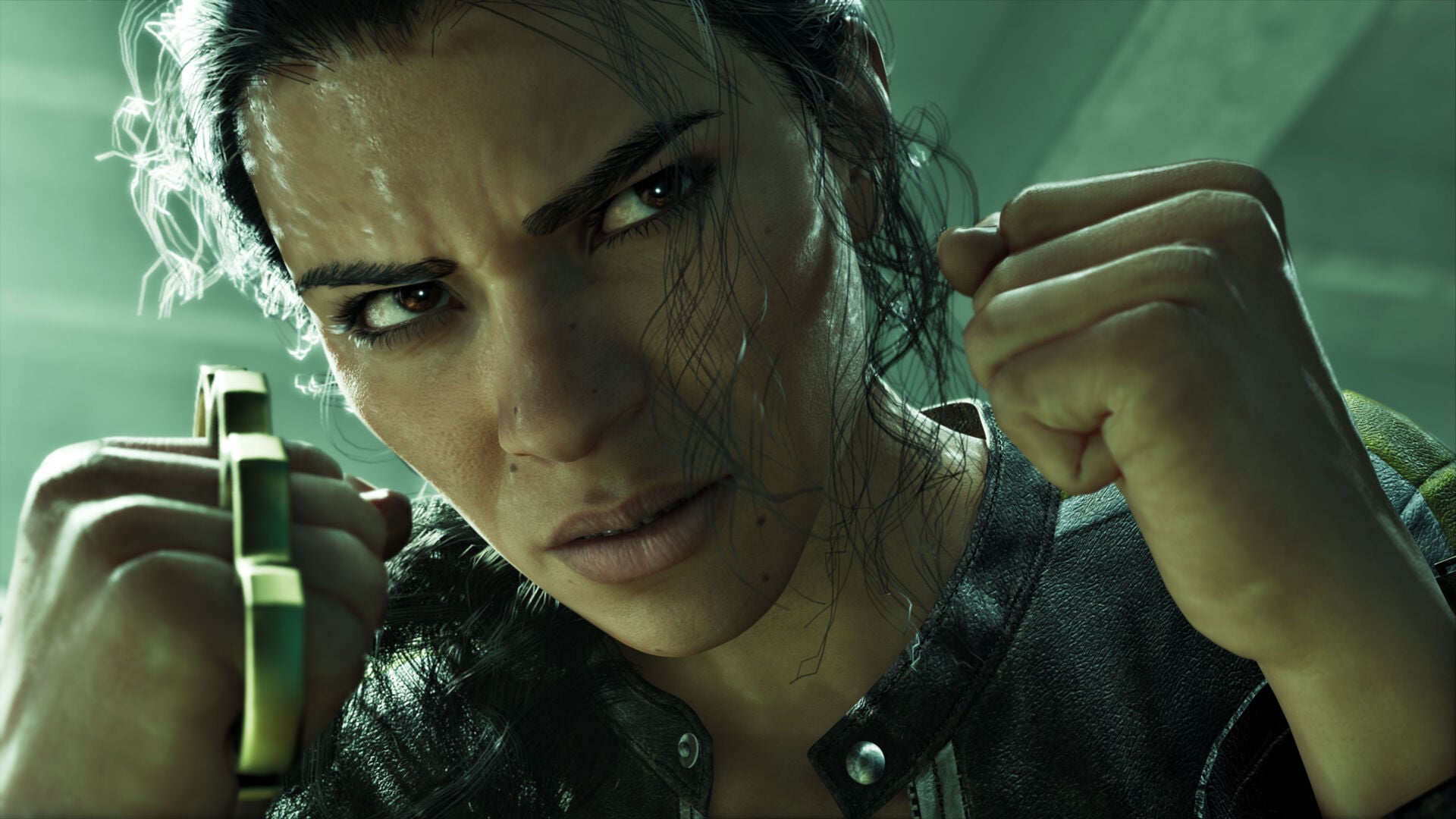
And since we're on the subject of this obsession with detail, it's impossible not to mention the absolutely staggering hair tech, which is a small technological feat in its own right. The first images of the game had already shown the care lavished on Jason and Lucia's hair, with strands that move naturally, impressive density and physics capable of reproducing the subtlest of movements. What we hadn't necessarily anticipated, though, is that Rockstar Games has applied exactly the same standards to every single one of its NPCs. Yes, even the most anonymous passer-by gets hair as finely crafted as that of the two protagonists, reacting to movement, to head turns and above all to the weather.
But what probably astounded us most is the modelling quality of these NPCs, which is simply on a par with that of Jason and Lucia, the two main protagonists. And you have to understand just how exceptional that is. In the vast majority of open-world games, secondary characters are given less graphical attention than the heroes. That's perfectly logical: the leads are constantly front and centre, they appear in the cutscenes and they therefore soak up a large share of the technical and artistic resources. NPCs tend to inherit less detailed models, coarser textures and more limited animations, with the compromises needed to preserve performance. Except that in GTA 6, this visual hierarchy seems to have vanished entirely. Whether it's a passer-by you cross paths with on a street corner, a holidaymaker stretched out on the beach or a stranger you bump into in a shop, the level of detail is comparable to that of the characters you play as. Faces are meticulously crafted, bodies have real substance and the textures retain a remarkable sharpness, even when you take the time to study them up close.
And because Rockstar Games appears to have developed an obsession with details nobody would ever think to check, you need only step up to an NPC wearing sunglasses to discover another fairly staggering feat: the surrounding world is reflected directly in the lenses. Yes, even that sort of detail, which the overwhelming majority of players will probably never notice, has been given special attention. It's precisely this accumulation of little things, some of them almost invisible, that ends up producing such a striking result. Taken individually, these feats might seem trivial, but when they come together across hundreds of characters populating an open world this vast, they help create an illusion of reality of quite extraordinary power.
From Vice City to Sim City
But impressive as it is, this visual feat is ultimately only one part of what Rockstar Games has achieved. Because the real revolution in GTA 6 also lies in how its inhabitants behave and in our ability to interact with them. Here again, it's hard not to think of Red Dead Redemption 2, whose contextual interaction system has been carried over and considerably deepened. The principle remains broadly the same: by holding down L2, you can focus your attention on a character or an element of the scenery to bring up various contextual actions. It's a mechanic that may sound unremarkable when described like that, but it radically changes our relationship with the open world. Because in GTA 6, every NPC can become the starting point for an interaction, a conversation or a situation you never saw coming.
You can greet a stranger, strike up an exchange or, conversely, decide to wind them up just to see how they react. And that's precisely where the magic happens. Some situations arise spontaneously, without you having done anything to trigger them, while others stem directly from your own behaviour. A simple remark, a bit of provocation or an interaction with a passer-by can be enough to alter the course of a scene and create an event that was absolutely not on the cards a few seconds earlier. The player is therefore no longer merely a spectator of what unfolds around them, but also a disruptive element capable of influencing daily life in Leonida. Rockstar had already experimented with this freedom of interaction in Red Dead Redemption 2, but GTA 6 pushes the concept to a level of richness and spontaneity that frankly left us speechless.
And the maddest thing about all this is that the NPCs don't just react to your presence: they all have something to say. Literally. Across our 102 hours with the game, we didn't come across a single character incapable of speaking up or responding to an approach. Every resident seems to have their own lines, their own way of talking and reactions suited to the situation. But what's even more impressive are the conversations you overhear simply by wandering the streets of Vice City or anywhere else in Leonida. In a lot of open worlds, passers-by's dialogue boils down to a handful of generic phrases, looped to give the illusion of human activity. Here, it's quite the opposite. The conversations have genuine substance, with specific topics, properly constructed exchanges and sometimes even long stories you can take the time to listen to.
More than once we found ourselves stopping mid-stroll, simply because two or more characters were deep in conversation. And instead of hearing three platitudes before the whole thing looped back round, we discovered real exchanges, with a progression, with reactions and with a length that makes you feel you're witnessing a slice of everyday life. Each little group seems to have its own story, its own subject of discussion and its own dynamic. The characters answer one another, gesture as they speak and adopt attitudes that match whatever they're talking about. Their animations never feel artificially pasted onto the dialogue, so thoroughly do the movements, postures and expressions contribute to the credibility of these encounters. And if you decide to butt into their exchanges, the reactions can change again depending on your presence and your behaviour.
It's this coherence between dialogue, animation and reaction that impressed us most of all. In GTA 6, the NPCs don't simply seem to be waiting for a script to fire before they start existing. On the contrary, they give the impression of having lives of their own, with their own concerns, habits and social relationships. You can spend long minutes watching a group of people without ever feeling you're witnessing a succession of mechanical sequences. And above all, you end up behaving in a way that's fairly unusual for a GTA: you slow down, you stop, you listen to people talk and you take pleasure in observing what's going on around you. Not because a mission demands it or a reward is waiting, but simply because the world has become interesting enough that you want to watch it live.
A life simulation
But this sense of moving through a genuinely living world doesn't rest solely on the quality of the NPCs and their interactions. Rockstar Games has also considerably enriched its random events system, already present in Red Dead 2, but which takes on a far more spectacular dimension here. Because in GTA 6, something is constantly happening around you, without you necessarily being the cause of it. You need only wander the streets of Vice City or roam Leonida's various neighbourhoods to witness entirely unexpected scenes, which can sometimes lead to longer interactions, or even full-blown missions. Arguments break out between passers-by, police make arrests in the middle of the street, individuals behaving in utterly unhinged fashion draw the eye, while others simply stroll about in their birthday suits. So many little scenes from everyday life, sometimes mundane, sometimes completely absurd, all feeding that permanent sensation that the world keeps turning without waiting for you.
And what's rather brilliant is that these events aren't limited to a handful of scripted encounters you can spot a mile off thanks to an icon on the map. They can crop up at any moment, including while you're busy doing something utterly mundane. Take a simple stroll along the beach, for instance. You decide to sit down for a quiet sandwich, soaking up the sun and the Vice City atmosphere, and a seagull swoops in and nicks your lunch. Yes, a seagull! A completely insignificant event in the grand scheme of the game, but one that says a great deal about the sheer meticulousness poured into simulating this world. And we ran into heaps of situations like this across our 102 hours of play. At one point we came back to our car only to find a total stranger had settled into the driver's seat for a nap. No way to get behind the wheel without shifting him, except the bloke in question clearly had no intention of budging. What could have been a simple scuffle ended up leading to another mission, born of a completely chance encounter.
And that's not all. While driving along a road in Leonida, we came across a stark-naked man standing on the verge, screaming for help. Naturally, it's hard not to pull over and work out what on earth had happened to him. Except what initially looked like an odd little encounter quickly turned into a full-blown side mission, with its own story and twists. By agreeing to help him out and drive him home, we gradually discovered the reasons behind his somewhat embarrassing predicament: the chap was in fact a fan of sadomasochistic pursuits who'd been cheating on his wife. And because Rockstar Games never does things by halves, there's even a scene where he removes a sex toy from his backside, with the camera making no particular effort to spare us the details. Yes, that's where we are. Pure GTA in all its glory, with that taste for grotesque situations and that knack for pushing provocation right to the edge of bad taste. But beyond the anecdote, what really impressed us is the way Rockstar manages to spin an entire mission out of an encounter that could easily have gone unnoticed. You're driving along, you spot a bloke in the nude calling for help and, a few minutes later, you're caught up in a wholly improbable story. That's precisely what makes exploring GTA 6 so exhilarating: you never know what's waiting round the next bend.
The legacy of Red Dead Redemption 2 is obvious here, a game that already excelled at the art of throwing unexpected encounters in your path, but GTA 6 pushes that philosophy much further, making full use of its urban setting and the density of its population. Where the vast wildernesses of the American West lent themselves to more widely spaced encounters, Leonida multiplies the chances of several events unfolding within a single neighbourhood. The city becomes an enormous theatre where hundreds of little stories play out simultaneously, with their own characters, their own situations and sometimes their own consequences. And the most remarkable part is that we aren't always invited to intervene. You can quite happily choose to keep your distance, watch an argument, observe an arrest unfold or follow a character simply because their behaviour intrigues you. For once, the player is no longer necessarily the centre of the universe: they're just one inhabitant among many, sometimes a participant, sometimes a mere spectator of a world that seems to have an existence of its own.
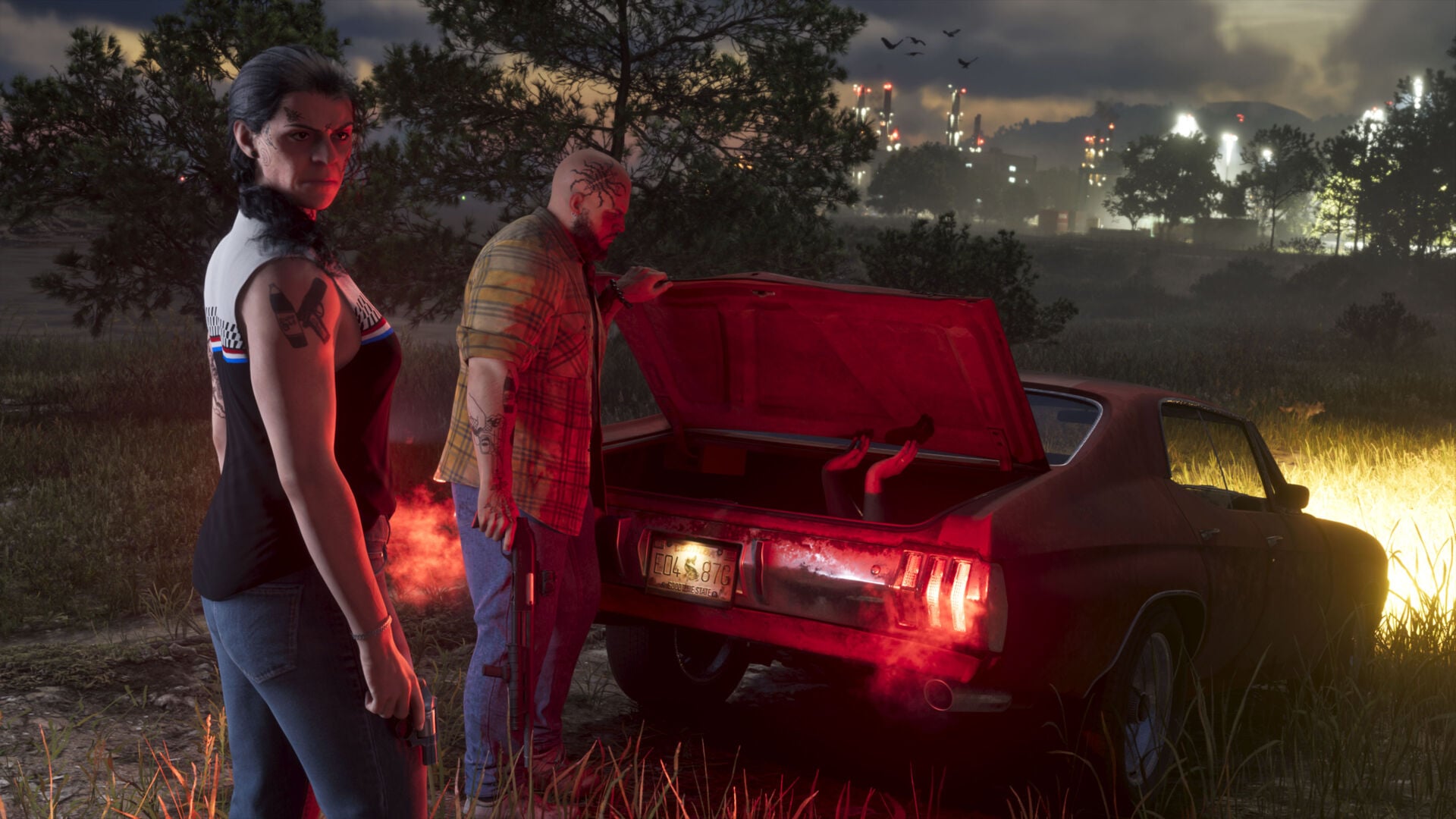
This is where Rockstar Games pulls off its greatest feat. For years, open-world developers have been chasing ever bigger, richer and more spectacular worlds, but few have genuinely managed to give them a soul. With GTA 6, that line has quite simply been crossed. Leonida isn't just a gigantic backdrop you can roam around freely, it's a genuine life simulation, an organic world that carries on existing regardless of what we do. For the first time on this kind of scale, we felt we were no longer merely crossing an open world, but standing in the middle of a virtual society with a life of its own. And that, frankly, is a hell of a revolution.
Jay Lu
But there's another area in which Rockstar Games managed to surprise us, and that's the way the studio has built the relationship between Jason and Lucia, GTA 6's two protagonists. Because for the first time in the history of video games, we're playing as an actual couple. Of course, being able to control a man and a woman in the same game isn't revolutionary in itself. Other productions have done it before (see Assassin's Creed, The Last of Us). But here, the approach is radically different. Jason and Lucia aren't two heroes simply splitting the playtime between them, they're two people in love, learning to live together, their bond building as the adventure unfolds. And Rockstar Games had the good sense not to confine that love story to the cutscenes. Everything is designed so that their relationship also exists outside the missions, in the most ordinary moments of their daily lives.
Rockstar has introduced a whole series of small interactions that let their relationship breathe at our own pace. You can kiss your partner at any moment, take their hand, share a shower, or simply show them affection through tender gestures. It's no longer just a matter of watching two characters embrace in a carefully staged cutscene; you can create these moments of closeness yourself, without waiting for the script to give you permission. And that freedom profoundly changes the way you perceive their relationship.
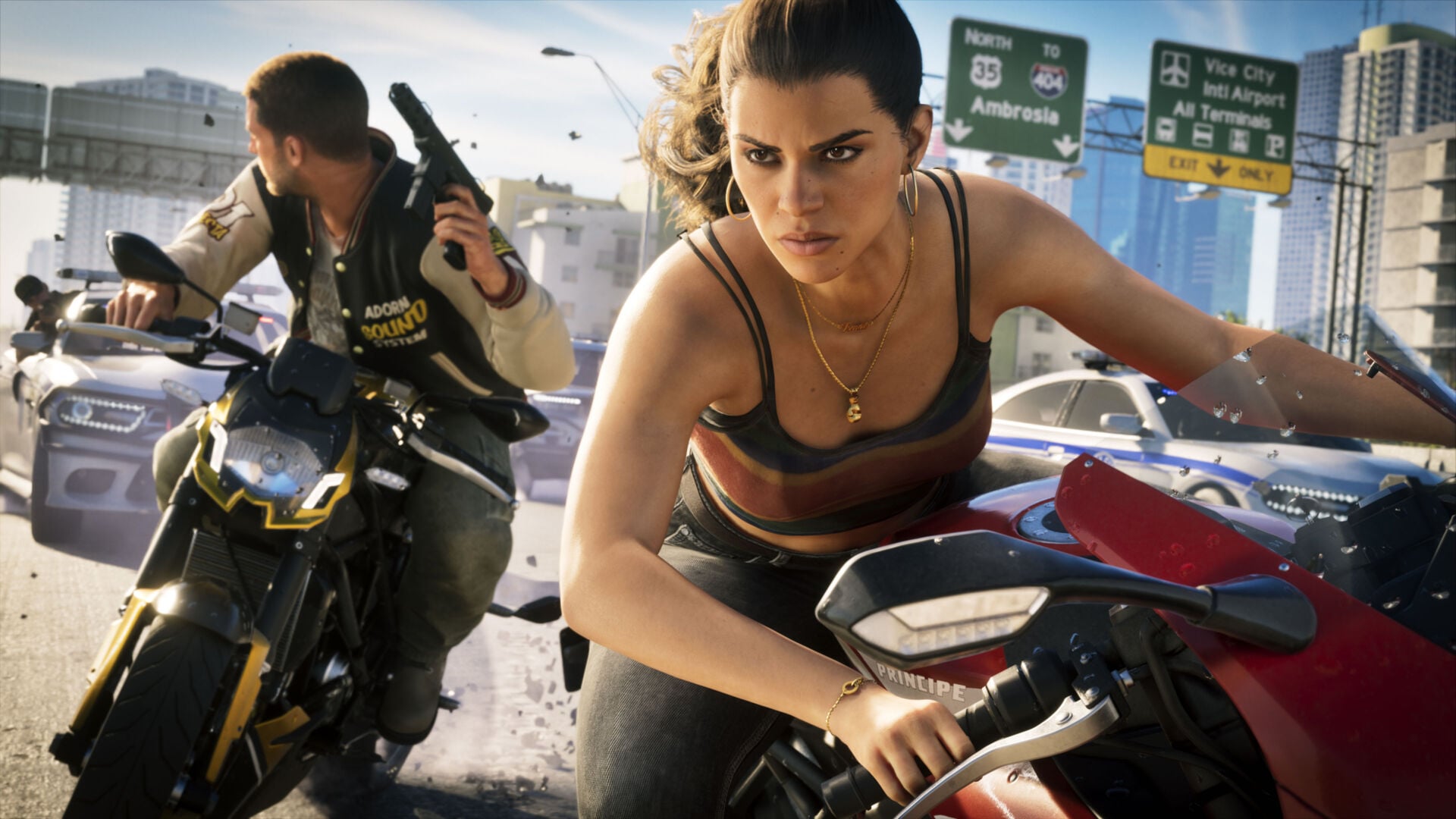
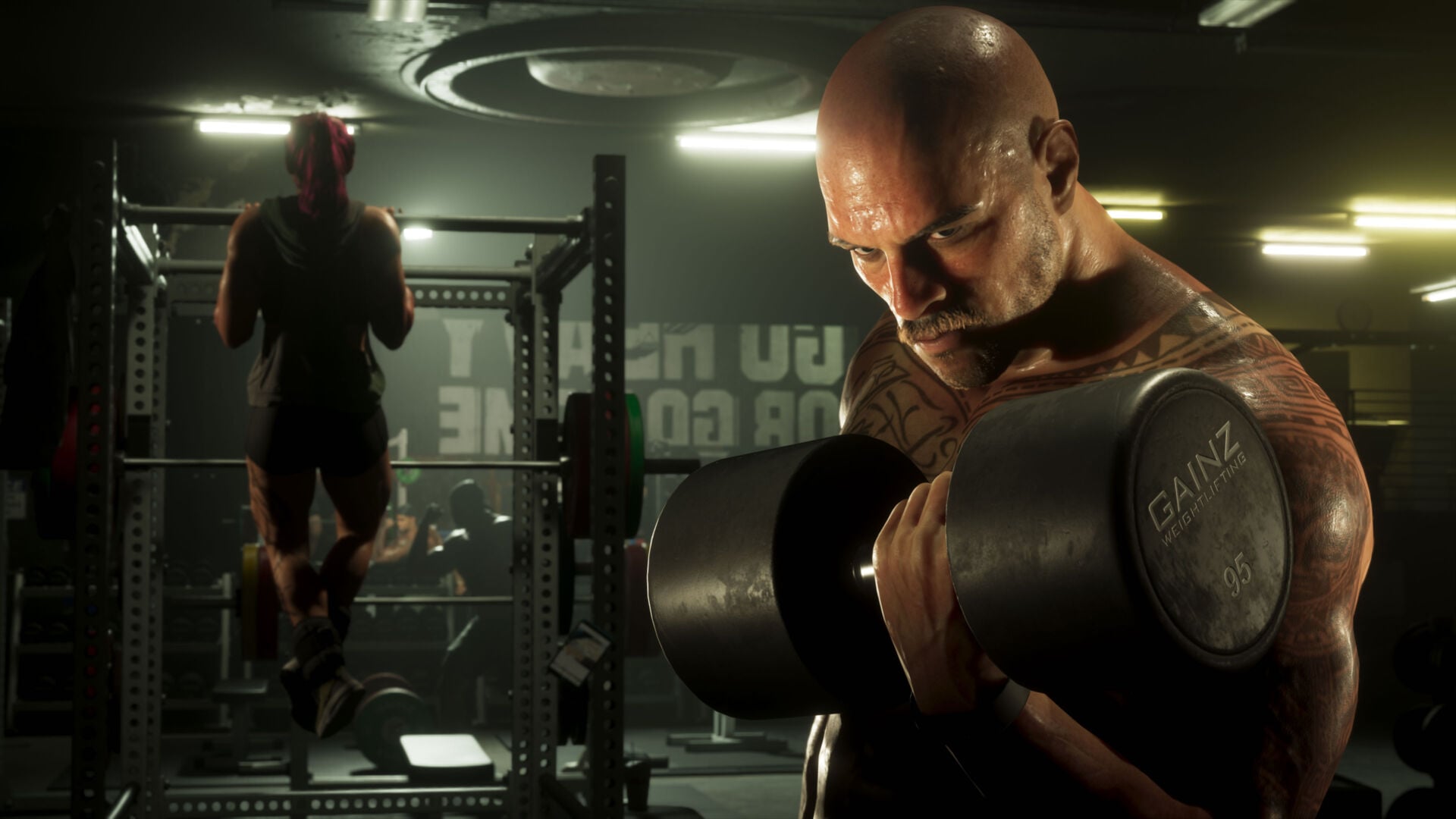
Rockstar Games has gone much further still, letting the two lovers share a whole host of activities outside of their criminal exploits. You can go shopping together, treat yourselves to a restaurant, train at the gym, grab an ice cream on the beach or simply spend time as a couple, with no particular goal in mind. Moments of downtime that inevitably contrast with the violence and madness of the world they move through. And it's precisely that contrast that makes their relationship so interesting. On the one hand, Jason and Lucia are capable of committing the worst crimes imaginable; on the other, they can behave like any couple just looking to enjoy a moment together. This duality gives the characters real depth, because it lets us discover them beyond their criminal activities. We get to know them in their private lives, to observe their closeness and to appreciate these pockets of calm punctuating an otherwise frantic adventure.
Rest assured, though, Rockstar Games never set out to turn this romance into a gameplay chore. Nothing forces you to rack up date nights or displays of affection in order to progress through the story. If you'd rather focus on missions, heists and exploration, the game won't penalise you for it. That said, taking the time to share activities nurtures their bond and lends more weight to their shared story. And all those little attentions ultimately deepen our own attachment to the pair.
Crime isn't quite so improvised any more
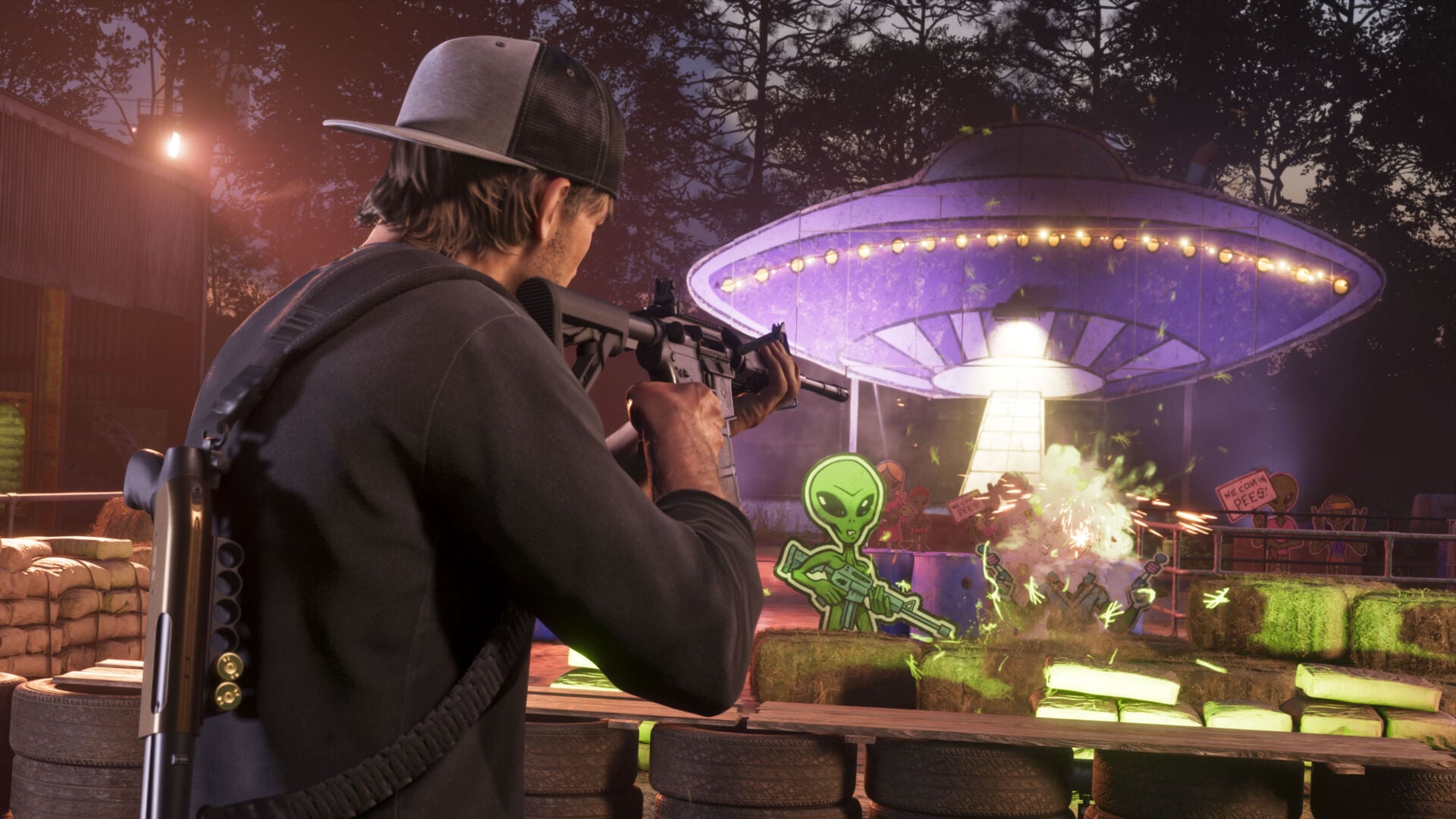
For all its innovations, GTA has obviously lost none of its DNA, with its car thefts, its heists and that almost insolent freedom to commit the worst misdeeds going. Grand Theft Auto earns its name, after all. But where Rockstar Games has considerably evolved its formula is in how it handles those criminal activities, which are now far more elaborate, with a genuine strategic dimension that recalls certain mechanics from Red Dead Redemption 2. Take the heists, for example. Already heavily developed in GTA 5, they occupy an even more prominent place here, both in the main campaign and in the side content. You only need to open the map and check the section devoted to them to see just how many there are. And crucially, no two heists are alike, with objectives, risks and rewards that vary considerably. You can hit a bank, steal jewellery or go hunting for clandestine drug labs, with the option of destroying the facilities or making off with their merchandise. But unlike previous GTAs, getting away with the loot doesn't necessarily mean pocketing the money straight away. Stolen notes can be marked and therefore unusable as they are, forcing you to go through fences to shift them. The same goes for jewellery and illicit goods, which have to be sold on to various middlemen scattered across Leonida. And since not all of them offer the same rates depending on the goods you've acquired, it pays to shop around for the best price. Unmarked cash, on the other hand, can be deposited straight into your account from a cash machine.
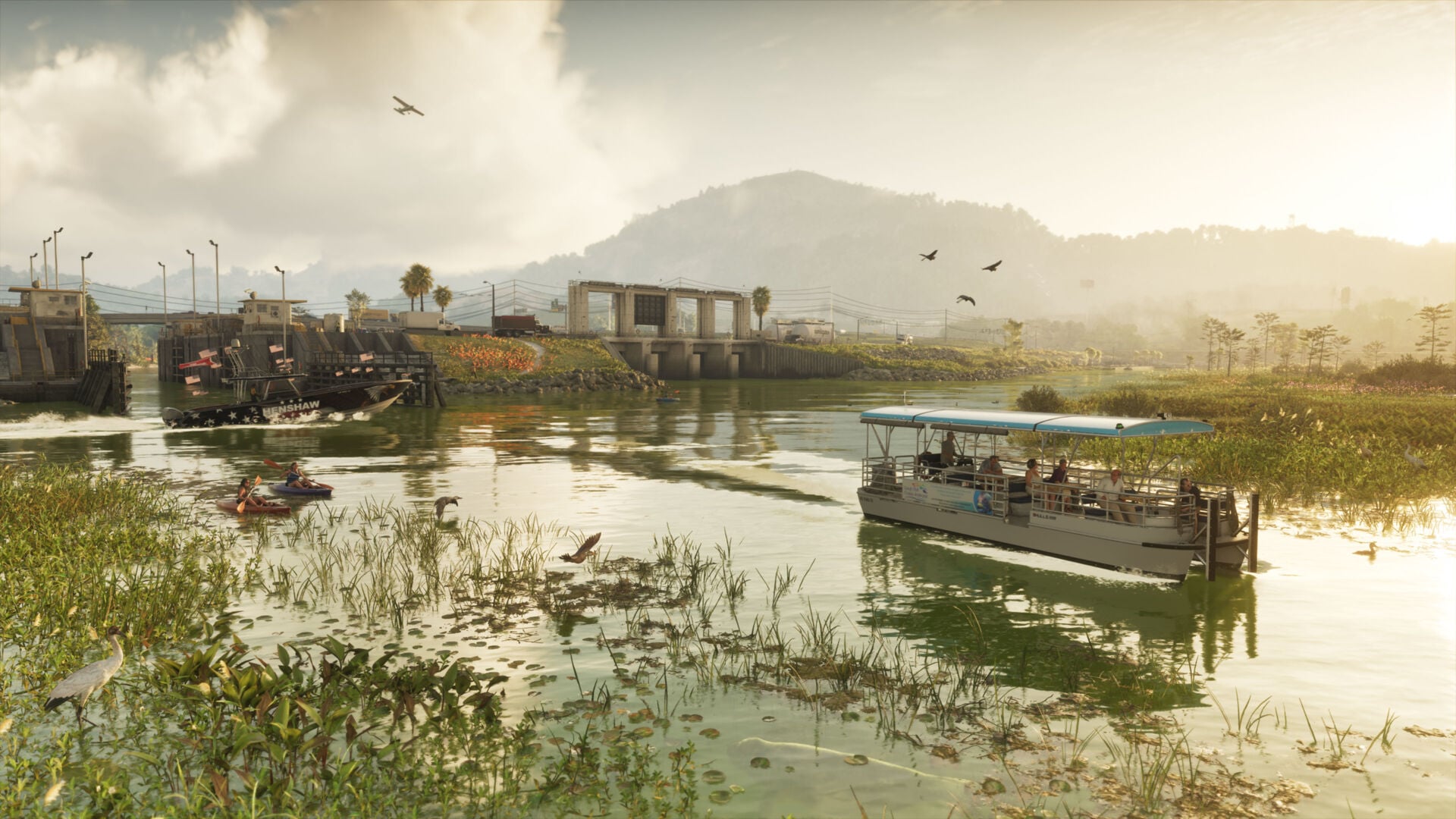
Be careful, though, because until the loot has been sold on or stashed safely, nothing is guaranteed. And this is probably one of GTA 6's most interesting new ideas. If you die with your bags full of stolen goods, you lose everything. Absolutely everything. If, however, you've taken the precaution of stowing your haul in the boot of your vehicle, you can come back and retrieve it after you die, provided you can find the car where you left it. It's a mechanic that makes managing your gear genuinely important, and it follows on directly from Red Dead Redemption 2. Because Jason and Lucia can no longer carry an entire arsenal on them as if by magic. The number of weapons is limited, as is the quantity of goods you can carry. You can haul two bags of loot, one slung over the shoulder and one in hand, which inevitably forces you into choices, especially when you also need to handle a weapon. Then again, you can always pass your bag to your partner if they're empty-handed. Either way, the car boot becomes an essential part of your planning, both for storing weapons and for keeping your stolen goods out of harm's way.
And this equipment management makes complete sense once you realise that wandering around Vice City armed to the teeth is no longer consequence-free. Visible weapons draw the attention of passers-by, who may react to your presence, call out to you or ring the police. With officers around, you're liable to be stopped and ordered to put them away, with several levels of warning before they open fire. In certain Leonida neighbourhoods, the police even go in for racial profiling, with stops and lines of dialogue so loaded with prejudice they'd make some Reform UK members look like moderates. It's Rockstar Games' way of pushing its satire of American society's failings even further.
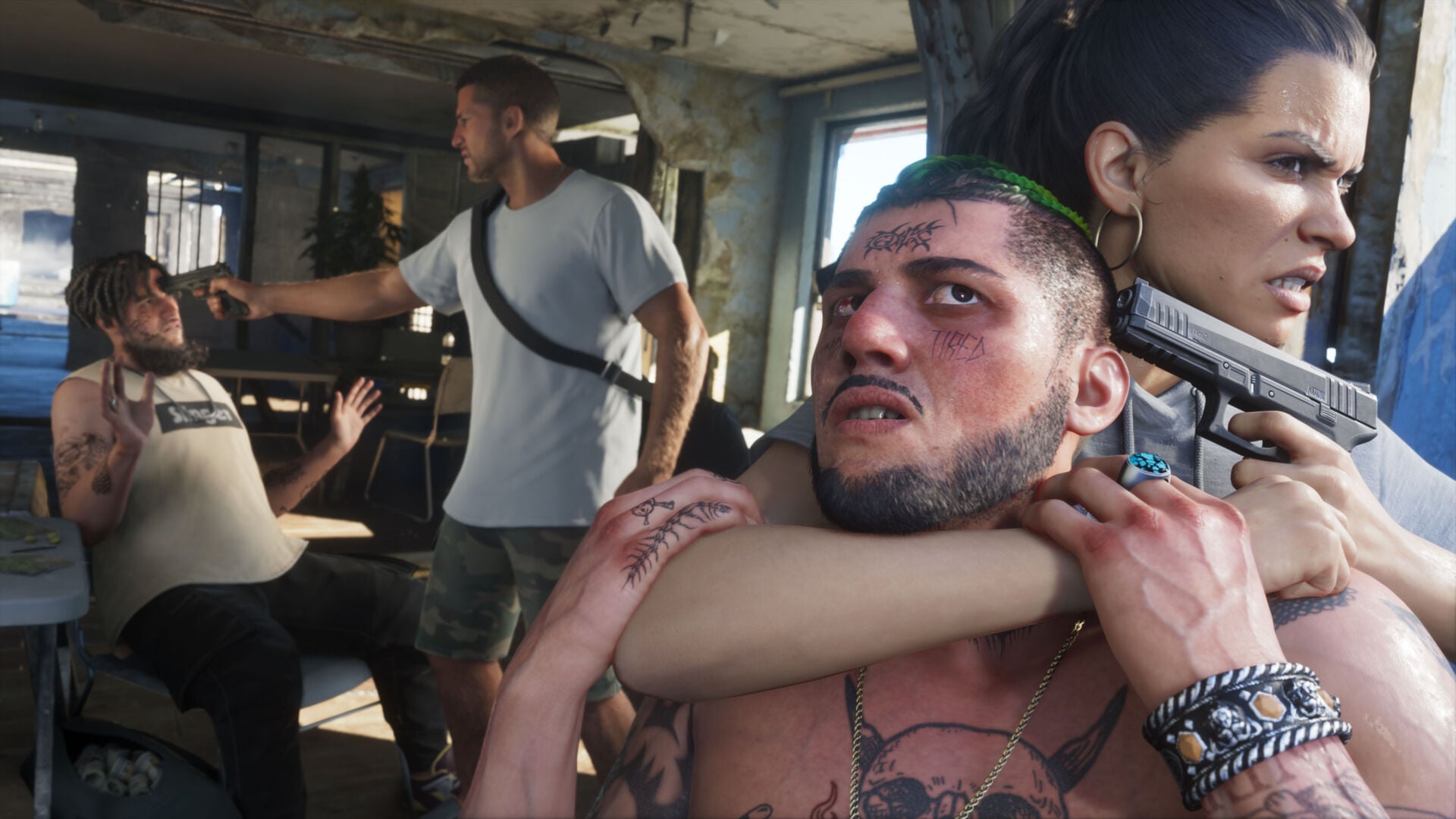
So there's no strolling casually down the street with a couple of rifles slung over your back without arousing suspicion. You have to learn to conceal your gear and, above all, to plan your jobs. Because robberies are no longer a case of barging into a place, holding everyone up and walking out with the cash. Some locations have CCTV, security systems and guards you can neutralise beforehand to make the operation easier. It's up to you to case the place, anticipate the risks and pick your approach. You can even decide to go it alone or call on your partner, ringing Jason or Lucia to come along. A particularly welcome option, since a two-handed robbery obviously makes it easier to divide the work and secure your getaway.
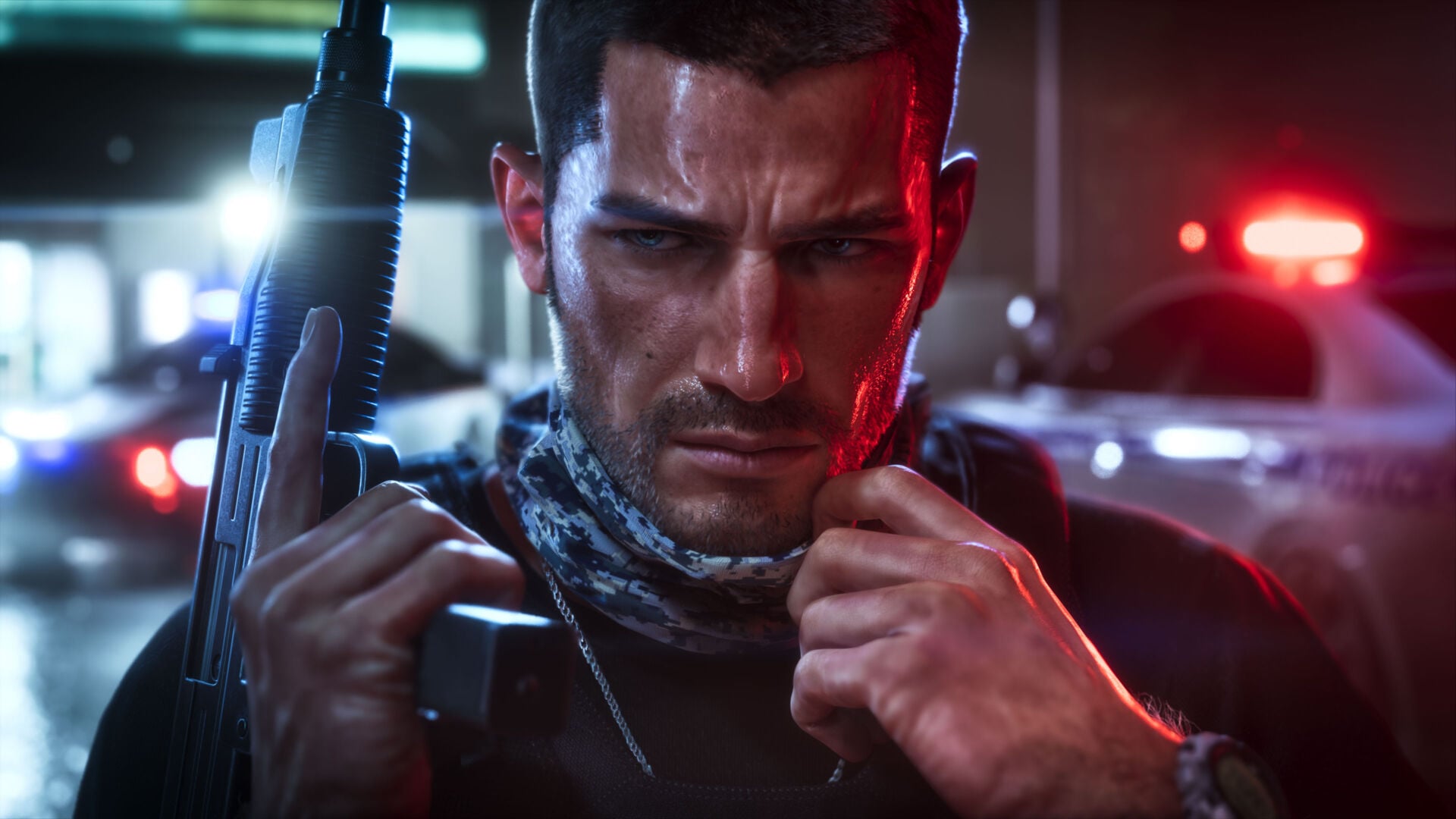
Finally, be aware that identifying criminals now plays a central role in police pursuits too. Rockstar Games has considerably enriched its wanted system, as the law no longer simply chases you on the basis of a straightforward wanted level. They can also go on your physical description, your clothing and anything else that makes you recognisable. It's not unusual, in fact, to hear officers put out a description of your character over the radio, with details on build, age, weight, ethnicity or outfit. Hence the importance of sorting out your clothing before a robbery, using masks, bandanas, caps or glasses to hide your identity. Accessories you can then strip off during the getaway to make identifying you that much harder. It's also wise to pack a change of clothes in the boot of your car beforehand. So in GTA 6, pulling off a robbery isn't just about surviving a shootout any more, but about planning the job, managing the loot and vanishing without being recognised. And we won't lie to you: getting out unscathed is both thrilling and hugely satisfying.
Car jacking
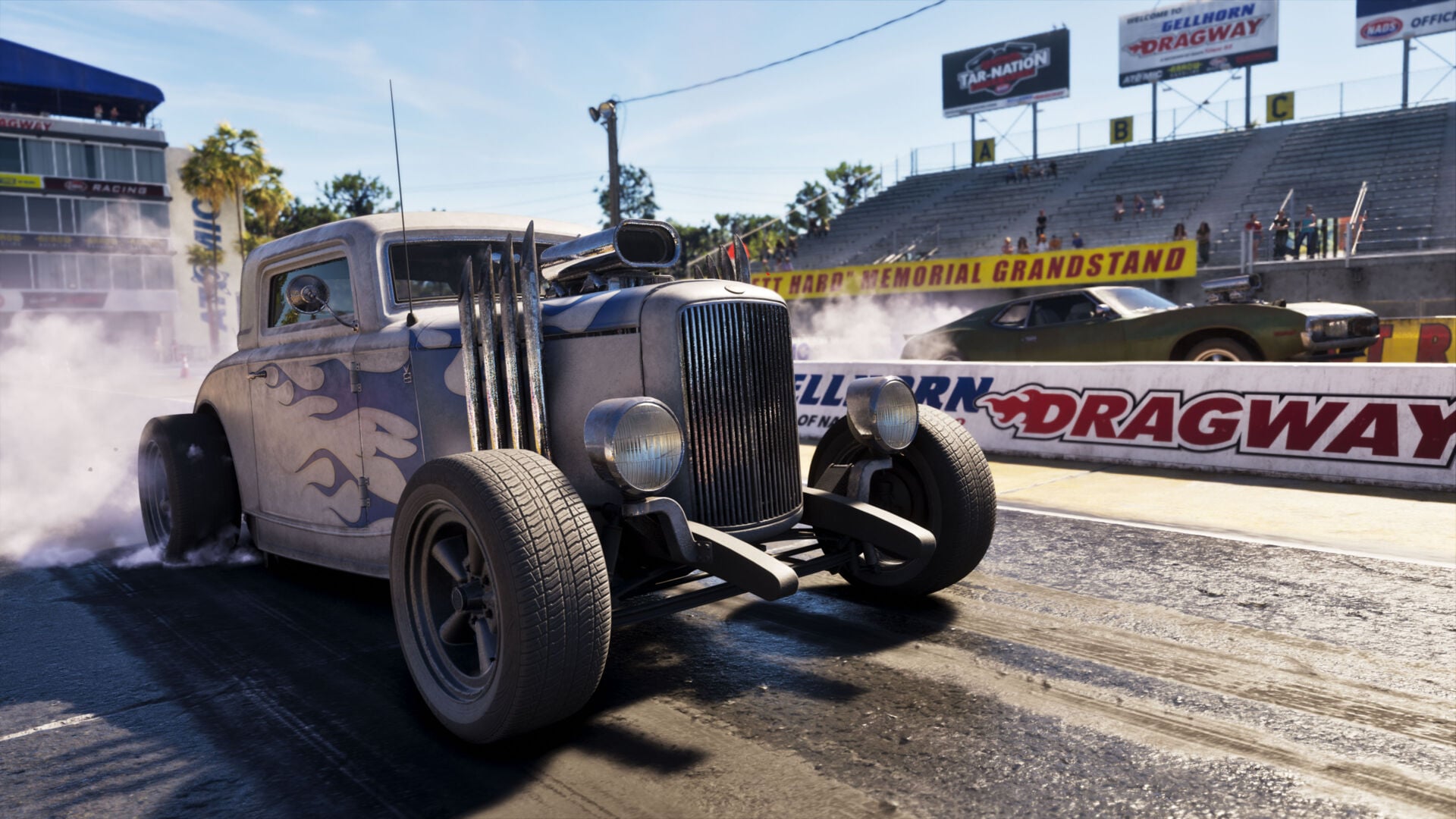
And while we're on the subject of crime, it's impossible not to mention what has been the very essence of GTA since day one, namely nicking cars. After all, that's where the franchise gets its name. But here too, Rockstar Games has gone back to the drawing board, with a far more elaborate system than in previous instalments. Whereas stealing a car in GTA 4 or GTA 5 generally took next to no effort, GTA 6 introduces genuine security systems to contend with, making every attempted theft potentially risky. And with good reason: vehicles are now, as in real life, usually locked. Gone are the days when you could drop into the driver's seat of any old car in a couple of seconds without giving a second thought to how you got in. And this applies to occupied vehicles as well, because hauling a driver out of their seat isn't as easy as it used to be. In GTA 6, motorists no longer let themselves be robbed without a fight, and some put up seriously stiff resistance.
When you attempt a carjacking, you now have to hammer the Square button on PlayStation (or X on Xbox) to wrench the driver out of their vehicle. The same mechanic applies to two-wheelers, whose owners can struggle to avoid being thrown off their saddle. And be careful, because if you lose this little trial of strength, the situation can turn against you entirely. Some drivers won't hesitate to hit back with a punch, stopping you taking their vehicle. A new touch that might sound trivial, but which considerably changes the dynamic of snatch-and-grab thefts, especially when you're desperately looking for a ride to escape the police.
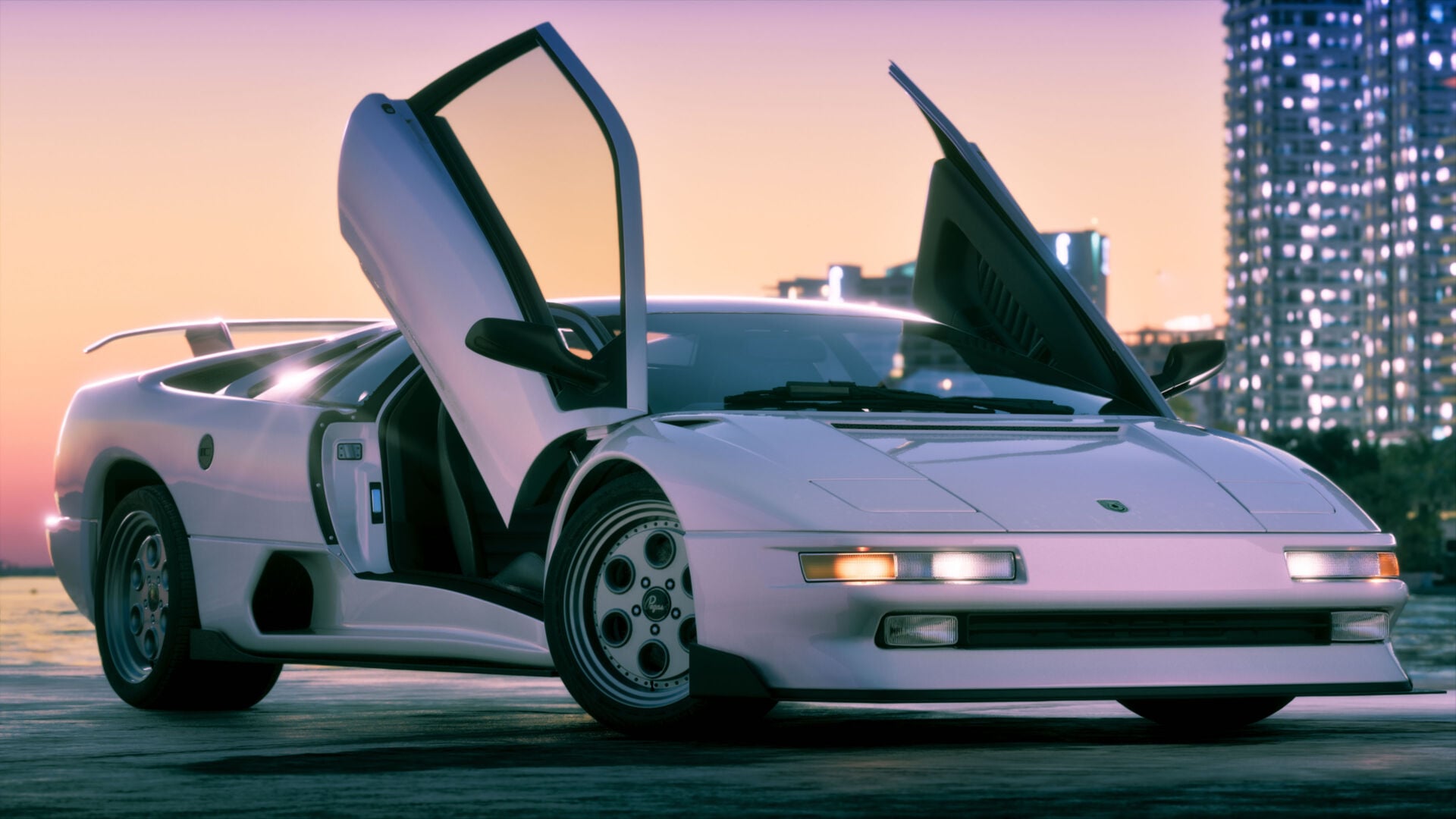
For parked vehicles, it's still possible to smash a window with your elbow to get inside, as in the older GTAs. Except that this method, swift as it is, is far from the most discreet. Plenty of vehicles are fitted with an alarm that goes off the moment you break in, drawing the attention of passers-by and the police. And since the residents of Leonida are particularly alert to what's happening around them, all it takes is one witness reporting your behaviour for the police to start taking an interest in you. Fortunately, Rockstar Games has provided several alternatives. On less secure vehicles, you can pick the lock directly using a specific tool, unlocked by progressing through the main story.
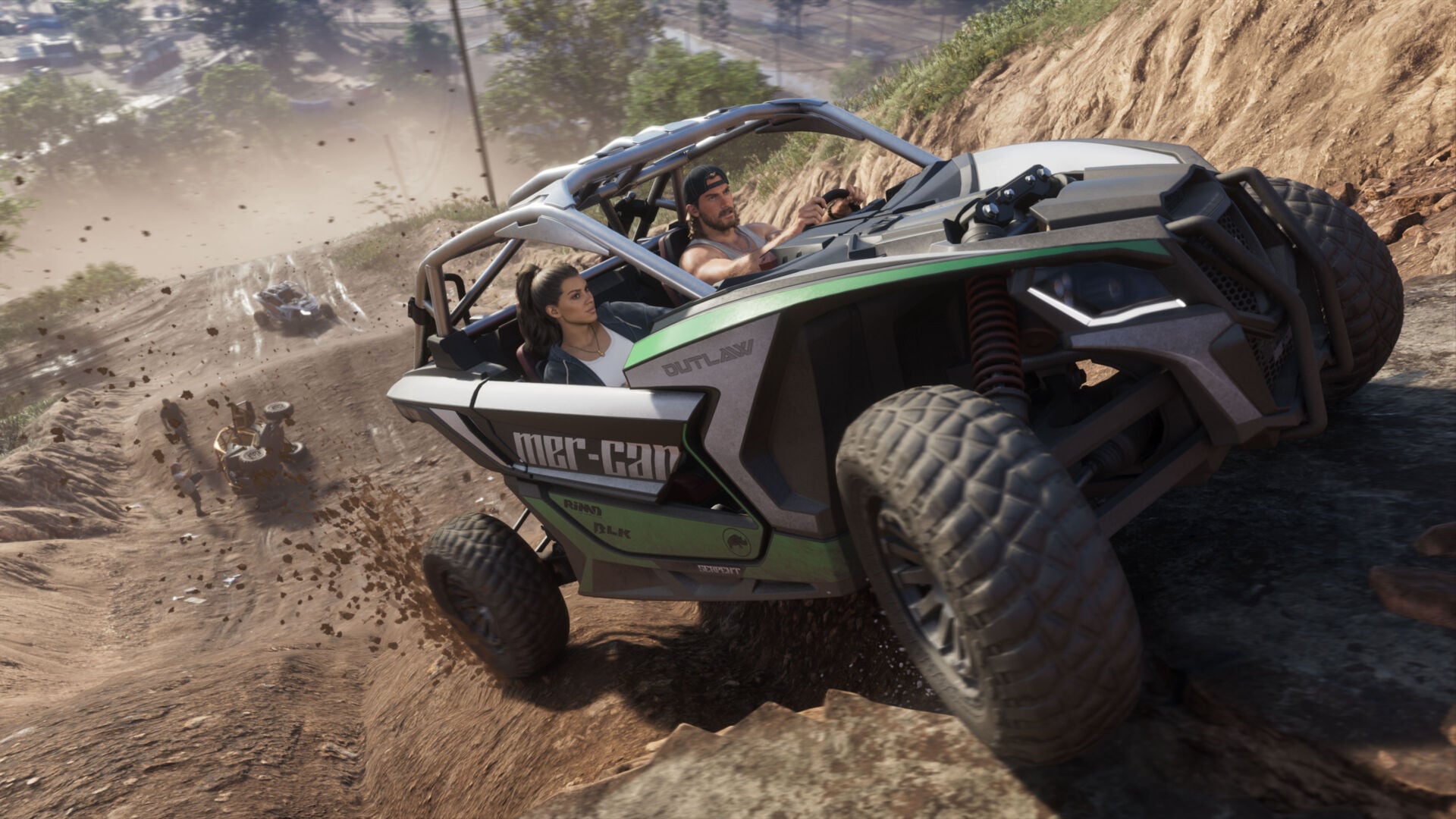
But careful: managing to break into a stolen car doesn't mean you can speed off straight away. Once you're behind the wheel, you still have to get the engine started. For this, Rockstar Games has lifted a heist-movie classic, that time-honoured trick of touching the ignition wires together. Except that here it isn't a simple animation: the player has to perform the operation themselves using both analogue sticks on the controller. An extra step that eats up a few precious seconds and can quickly become a problem when the law is on your tail. In short, in GTA 6 every second counts, and nicking a car in the middle of a chase can now turn into a genuinely tense moment.
Otherwise, be aware that the more modern car models come with far more sophisticated security systems, which call for specialist kit. That's the case with electric vehicles, for which you need a device capable of cloning the electronic keys. A tool you obviously don't have at the start of the adventure and which you'll have to get hold of much later in the main campaign. But that's far from the end of it, because getting a stolen car started doesn't necessarily mean you're in the clear. Some vehicles are fitted with GPS trackers that report their position to the police. Depending on the model, you may well end up in a car whose tracker is merrily feeding your location to the authorities. Which is why, on Jason or Lucia's mobile phone, there's an app called Waink that can scan a vehicle to reveal its security level.
Naturally, once you've got hold of the vehicle, you still have to hang on to it without drawing attention. To that end, Pay 'n' Spray garages will strip out the trackers, while tuning shops let you alter the car's appearance to make it less easily identifiable. And Rockstar has even thought up a few extra subtleties for the getaway phases. You can duck down inside your vehicle by holding the Circle button on PlayStation or B on Xbox, reducing the risk of being spotted by the police.
Gunfights have improved, but there's still work to do
If there's one area where Rockstar Games has always struggled to fully convince, it's armed combat. Let's be honest, gunfights have always been the Achilles heel of the star-R studio's output, with shooting mechanics that can feel stiff, fairly ponderous movement and that constant determination to put the realism of the animations ahead of responsiveness. It was already true of GTA 5, and Red Dead Redemption 2 pushed that philosophy even further, to the point where some shootouts became a real slog. With GTA 6, things have thankfully moved in the right direction. The firefights are more enjoyable, your movement options have been broadened and the whole thing has more depth. But let's say it straight away: while Rockstar has unquestionably improved its formula, the result still falls well short of the current benchmarks in third-person shooting.
First thing to know, GTA 6 retains a mechanic dear to Rockstar Games, namely that trusty ability to slow down time during fights. This is the Dead Eye system from the Red Dead saga, with a concentration meter that slows the action, lets you pick out enemies more clearly and spot their weak points to take them down more efficiently. A feature that still works perfectly well and can prove particularly handy when you're outnumbered, but one that hasn't really evolved in how it functions. And to be frank, we still think Rockstar Games would be better off moving on from this system, since it sometimes feels like an artificial way of papering over the stiffness of the combat. Obviously we understand the studio's desire to retain a cinematic quality, with more measured exchanges of fire and a staging that gives you time to appreciate every animation. But in constantly slowing the action down to make it spectacular, you do sometimes end up wondering whether GTA wouldn't be better served by a far more direct, high-tempo approach.
GTA 6's real step forward ultimately lies in the cover system, which has been reworked to offer more options during shootouts. As in Gears of War, a press of R1 sees Jason or Lucia slam up against a piece of scenery to shelter from enemy fire. Once in cover, you can move along certain obstacles and even shift from one piece of protection to another, which brings a welcome tactical dimension to the fighting. On paper the idea is excellent, and it has to be said the system works rather well once you've taken the time to get the hang of it. The trouble is that Rockstar Games remains wedded to its obsession with ultra-detailed animations, with transitions that can sorely lack spontaneity. Every movement seems obliged to obey a certain physical logic, every change of position comes with its own precise animation, and that relentless pursuit of realism ends up weighing on the fluidity of the combat.
It's especially glaring when you try to break out of cover. Where some games let you peel away naturally with a simple flick of the analogue stick, GTA 6 makes you press R1 again to leave your position. It sounds like a trivial input, but it quickly becomes irritating when you're caught in the middle of a particularly heavy firefight. You want to move, flank an enemy or simply react to a threat, except your character stays glued to his bit of scenery until you've entered the right command. Same story when you try to shift from one piece of cover to another: the options are there, but the transitions still lack fluidity and responsiveness, all the more so as the level design isn't always built around a game that leans on a cover system. And in a game where firefights can descend into chaos in seconds, those few moments of lag are sometimes enough to ruin the experience.
We should admit that this system genuinely annoyed us during the first few hours. Early on, some shootouts even gave us the impression we were back with the old Rockstar failings, with controls that don't always respond as naturally as you'd like. So yes, after 102 hours of play, you've got enough of a handle on the mechanics to fully enjoy the gunfights, but that doesn't mean the flaws have gone away. You've simply learned to live with them, which isn't quite the same thing. And that's what leaves us with a slight sense of frustration. Because with the technical and human resources at Rockstar Games' disposal, we'd have liked to see the studio question its combat philosophy a little more deeply. GTA 6 may be more pleasant to play than GTA 5 and Red Dead Redemption 2 on this front, but it retains a heaviness that feels positively archaic next to the best third-person shooters out there.
Technically, this is black magic
Let's talk about the tech now, because quite honestly, we're running out of superlatives to describe what Rockstar Games has pulled off here. After 102 hours with GTA 6, one question still haunts us: how on earth did the developers get a game this enormous, this dense and this incredibly detailed running on a bog-standard PS5? Because it's not just about how beautiful it looks, stunning though that is, with exceptional lighting, photorealistic environments and a draw distance that occasionally induces vertigo. No, what really leaves us speechless is everything the game manages to juggle at once. The population density, the staggering variety of NPCs, their animations, their interactions, the traffic, the random events, the object physics, the weather conditions and that almost indecent volume of detail that gives Leonida its extraordinary credibility. All of it in an open world of outrageous proportions, without you constantly feeling like you're watching a technical sleight of hand.

Credit is also due for the work done on the RAGE Engine, Rockstar Games' in-house tech, which performs genuine miracles here in terms of rendering. Despite the sheer size of the map and the density of the environments, pop-in is extremely discreet. Sure, you can still spot the odd element materialising in the distance when you gain some altitude, particularly during aerial sequences, but it's frankly marginal given everything the engine has to display. And it's precisely when you're flying over Leonida that you grasp the scale of the achievement. Even from the skies, the world retains an absolutely astonishing visual richness, with an impressive quantity of elements visible on the ground, traffic still flowing and environments that never feel like they've been reduced to empty backdrops. The draw distance is remarkable, but it's above all the density of the world, even viewed from several hundred metres up, that commands respect. Take it from us, we've never seen anything like it.
But there's another technical aspect worth dwelling on, because it speaks to Rockstar Games' almost pathological obsession with realism: the modelling of objects and their physical presence in the environment. In GTA 6, scenery elements never feel like flat textures slapped on to create an illusion. Objects have genuine three-dimensional geometry and, when they're interactive, physical behaviour that hugely bolsters their credibility. Take banknotes, for instance. When you pick up money, you don't simply watch a sum vanish from the scenery and get added instantly to your inventory. No, you physically gather the notes, one by one, with animations that lend weight to every movement. That was already the case in Red Dead Redemption 2, but GTA 6 transplants that philosophy into an infinitely denser urban environment, where the quantity of objects on screen reaches fairly dizzying proportions. Not everything can be handled, of course, but this determination to give objects a genuine three-dimensional existence, rather than piling on visual trickery, contributes enormously to the sense of realism. And once you start examining the environments up close, you begin to appreciate the phenomenal amount of work involved.
What's more, it's on foot that GTA 6 becomes most impressive from a technical standpoint. In a car, the speed and the scenery rushing past don't always let you take in the sheer richness of your surroundings. But the moment you slow down, wander along a Vice City street or simply stop to watch the passers-by, the level of detail becomes almost indecent. The finesse of the textures, the complexity of the animations, the facial expressions, the way characters interact with their environment, not to mention the absolutely phenomenal work on lighting and shadows — everything combines to create scenes of a photorealism that is at times disconcerting. And this richness obviously isn't confined to the outdoors. The number of accessible interiors and their level of finish also feed into this sense of excess, with locations that have their own visual identity, meticulous décor and an accumulation of details that constantly makes you want to rummage through every last nook and cranny. Rockstar has even made it so that if you need to get to the top of a building by lift, you'll ride up through every single floor.
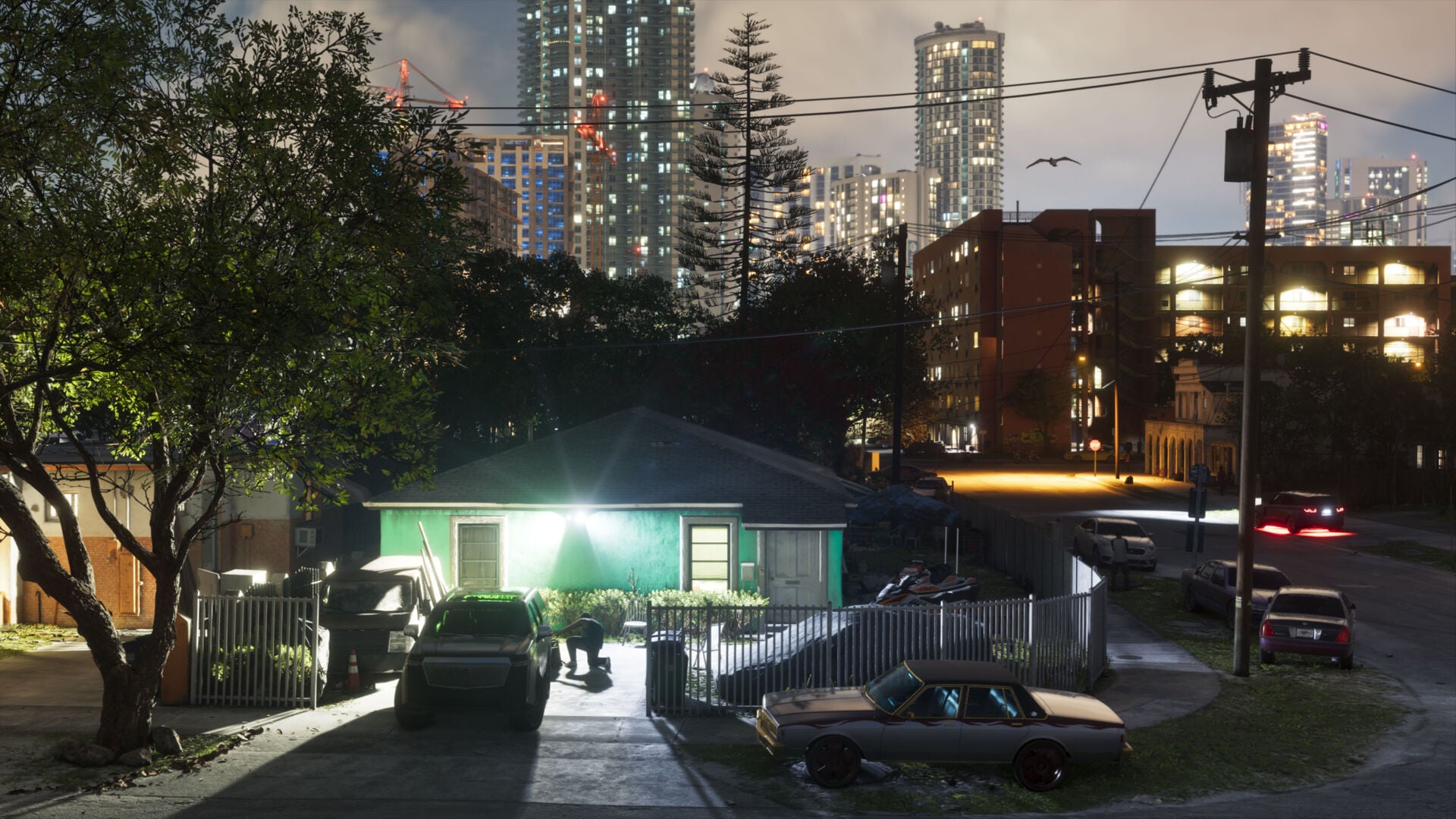
And then there's the night. Because when the sun goes down over Leonida, GTA 6 almost seems to turn into a different game. Artificial lighting takes over, Vice City's neon lights up the façades, headlights carve through the darkness and the reflections give the streets a completely different atmosphere. The way light diffuses indoors, filters through certain openings or falls across faces and objects is at times a full-blown tech demo. On several occasions we found ourselves stopping mid-stroll simply to admire a play of light. We may well know what the Scottish studio is capable of, we may well have been floored by GTA 5 and Red Dead Redemption 2 in their day, but GTA 6 feels like it has crossed a threshold we thought was still out of reach on this console generation. There's something almost irrational about watching a machine released in 2020 run a world of such richness in 2026. At this level it isn't even optimisation any more, it's black magic. And one thing is certain: Rockstar Games has once again reminded the entire industry why it plays in a league of its own.

Sex, drugs & anti-woke
Anyone who feared GTA 6 would turn into a politically correct game can rest easy: Rockstar Games hasn't lost an ounce of its irreverence. Quite the opposite. For several years now, a section of the player base had been fretting about where the franchise was heading, convinced the American studio might gradually water down its humour and its satire to better fit present-day sensibilities. The departure of several long-standing creative figures, starting with Dan Houser, Rockstar co-founder and one of the chief architects of GTA's narrative identity, had only fuelled those fears. Some even dreaded a « woke » GTA, with less biting writing, more consensual characters and a determination not to ruffle a single feather. Except that GTA 6 goes in exactly the opposite direction. It's a crude, provocative, deliberately obscene game that never hesitates to charge in with both feet and sometimes pushes things so far you wonder how certain sequences ever got signed off. It's no accident, either, that the game is censored in several countries, and that it narrowly escaped a nudity-related ban in South Korea.
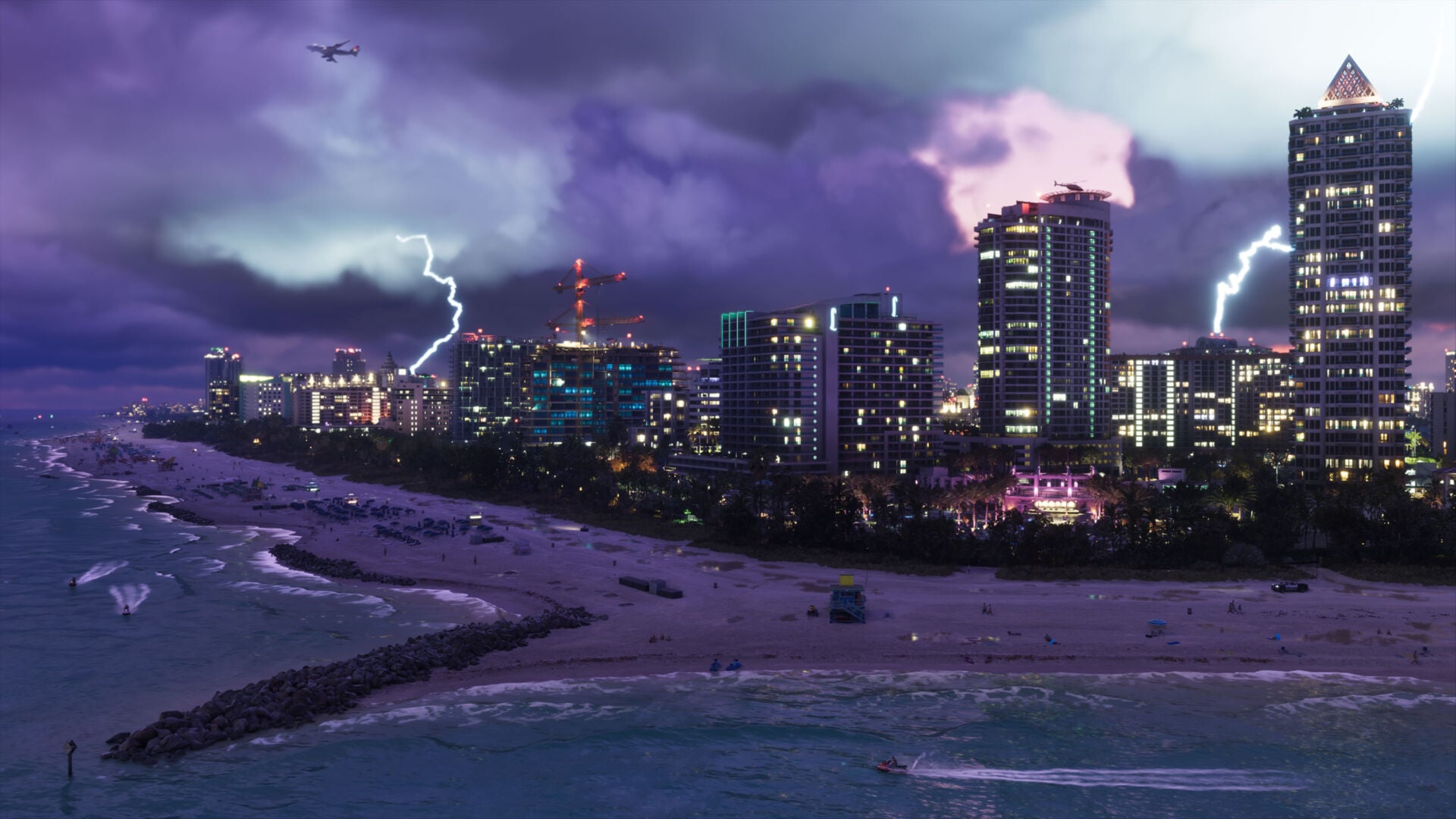
It has to be said that Vice City has never lived up to its name quite so well. This city of vice, loosely inspired by Miami, has become the perfect playground for a satire of contemporary America in which sex, drugs and excess of every stripe occupy absolutely centre stage. And when we say Rockstar holds nothing back, that's not an empty turn of phrase. Nudity is everywhere and some scenes are explicit to a degree rarely seen in a production of this scale. Bare breasts, male and female genitals on display, particularly graphic sexual situations (a three-way doggy-style cunnilingus): the studio makes no attempt to hide bodies behind coy framing or staging tricks. Everything is shown head-on, sometimes with an insistence verging on voyeurism, or at the very least on gratuitous provocation. Some sequences are in fact so adult that we strongly advise against showing them to children.
We obviously knew GTA had never been a franchise aimed at younger players (we all know they play it anyway), but this sixth instalment goes a step further still in its depiction of sex and nudity. And it isn't just a handful of cutscenes designed to get people talking. This obsession with vice literally permeates the game's world, right down to its set dressing. The artworks hung in certain locations pile on the sexual references, the depictions of bodies and the phallic shapes, while the dialogue brims with bawdy allusions, filthy innuendo and conversations that would make the primmest of prudes blush. In GTA 6, sex isn't merely a provocation, it's an integral part of Vice City's identity.
And drugs, of course, get their share of the spotlight. In this over-the-top take on Florida, substance abuse is part of everyday life for plenty of characters, to the point of becoming a full-blown gameplay mechanic. Take cocaine, for instance. In GTA 6, hoovering up a few lines temporarily boosts certain abilities, including your character's focus — a feature that will no doubt spill plenty of ink on its own. Drugs are no longer just a narrative device; they're now a consumable that can hand the player a concrete advantage. And Rockstar pushes the idea further still in certain cutscenes, where you're offered cocaine outright, with the option to accept or decline. One thing is certain: anyone who thought GTA 6 was going to toe the line is in for a very long fall. And judging by some of the sequences we witnessed, it's a safe bet the game will soon find itself at the heart of fresh controversy. Rockstar Games may have wanted to put some distance between itself and the storms that have dogged its history, but with GTA 6, the studio looks set to attract them a hundredfold.
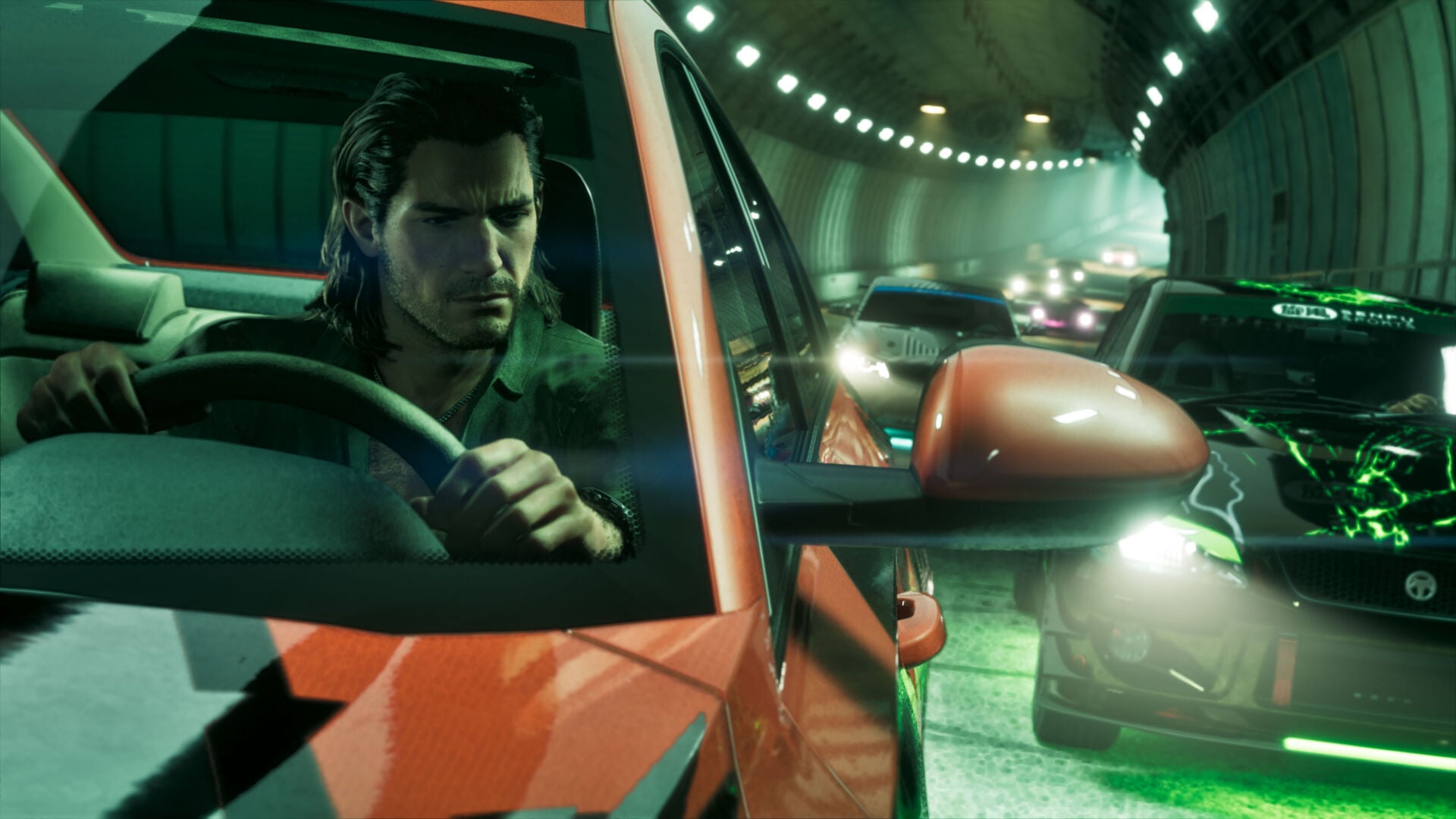
The smartphone, the other hard drug
Already introduced in GTA 5, the smartphone makes a grand return in GTA 6, but this time Rockstar Games has decided to take the idea much further. So much so that Jason and Lucia's phone now behaves like a genuine, functioning smartphone, with its own interface, apps, notifications and a host of features that go well beyond simply making calls or receiving messages. You can of course check your conversations, contact various characters and take photos, but also browse apps and access services that serve a real purpose in the gameplay. The phone becomes an almost indispensable everyday tool, to the point where you end up using it as naturally as the one in your own pocket.
Among the most interesting apps is Snapmatic, a sort of Instagram the Rockstar way, which lets you scroll through the posts of Leonida's residents, look at their photos, read the comments and even like the odd post. A genuine social network built into the game, with everything that implies in terms of satirising our era. Other apps let you make purchases, buy properties or garages, and even check how secure a vehicle is thanks to Waink, which we mentioned earlier. The camera function has been given particular care, too, since every shot taken with the smartphone is automatically stored in a gallery you can browse at any time, with the option to delete the ones you no longer want. These are utterly mundane features on a real phone, but finding them handled with such consistency in an open world of this scale remains genuinely impressive.
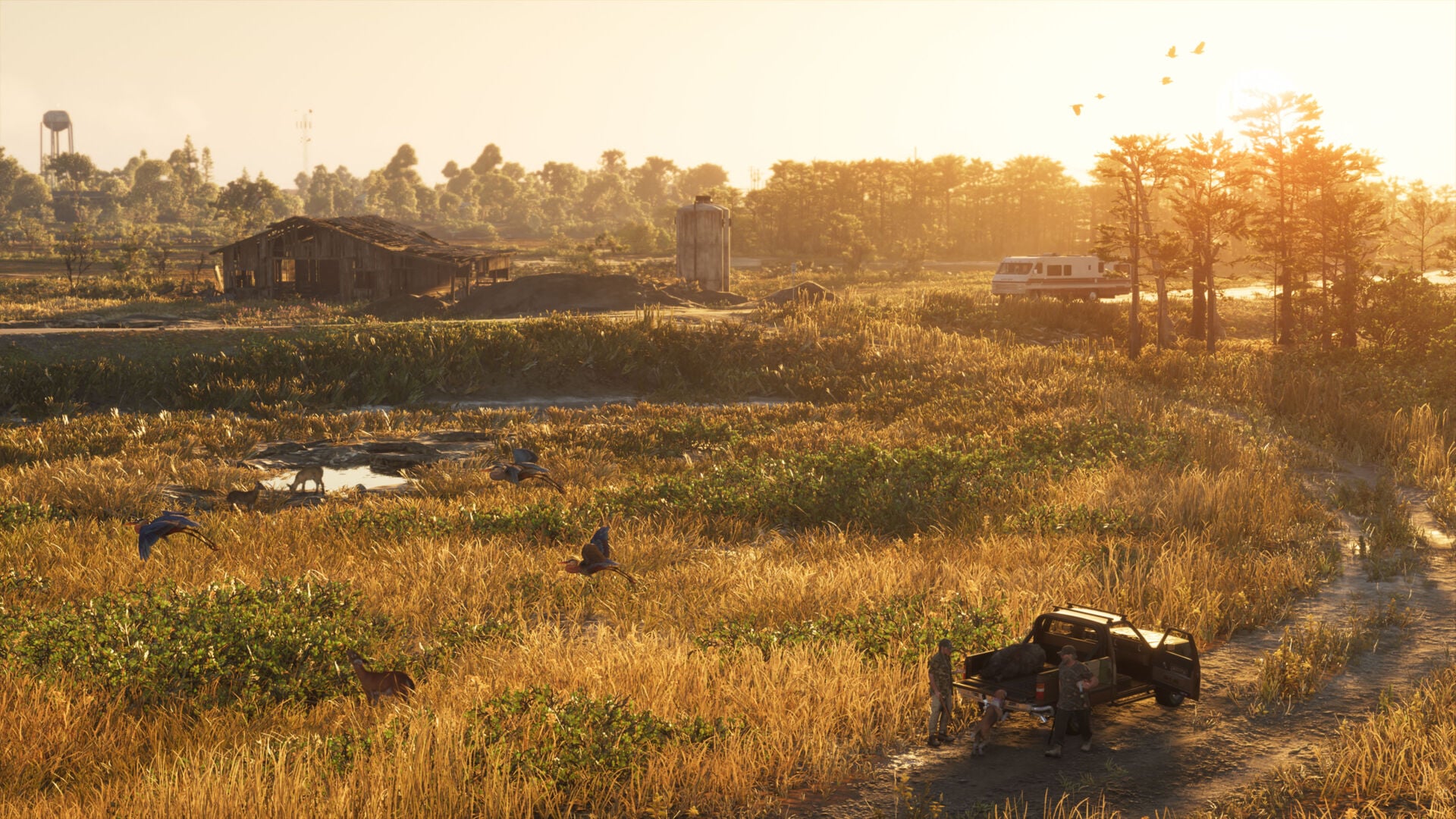
And then there's RideMe, GTA 6's answer to Uber, and probably one of the handiest apps in the game. The principle is simple: you order a driver from your smartphone, enter your destination and they come and pick you up to take you where you want to go. The journey actually plays out on Leonida's streets, with the option to chat to the driver, who has his own conversations and anecdotes. But for those who'd rather save time, you can skip the ride entirely and arrive at your destination instantly, which turns RideMe into a bona fide fast travel system. Be warned, though, the service isn't free: the fare depends on the distance covered, and skipping the journey incurs an additional charge ($100). A rather clever way of folding fast travel into the game's realistic economic logic, without resorting to plain teleportation from the map.
But what amused us most was probably the way Rockstar Games has recreated our sometimes utterly absurd relationship with the smartphone. Notifications pop up regularly on screen, including while you're driving, and occasionally become every bit as intrusive as they are in real life. You get messages, alerts and demands on your attention, to the point where you sometimes want to switch the lot off and just enjoy the drive in peace. Better still, if you pull out your smartphone mid-drive, the camera automatically shifts to first person and your field of vision immediately narrows, as if to remind you that checking your phone at the wheel is just as dangerous in GTA 6 as it is in reality. And this phone obsession obviously isn't limited to Jason and Lucia. Just watch the NPCs to see how much Leonida's residents live with their eyes glued to a screen. In the streets, in shops and on public transport, characters check their phones, swap messages and even discuss this digital dependency. Rockstar Games takes the opportunity to paint a fairly biting portrait of a society that can no longer function without its smartphone.
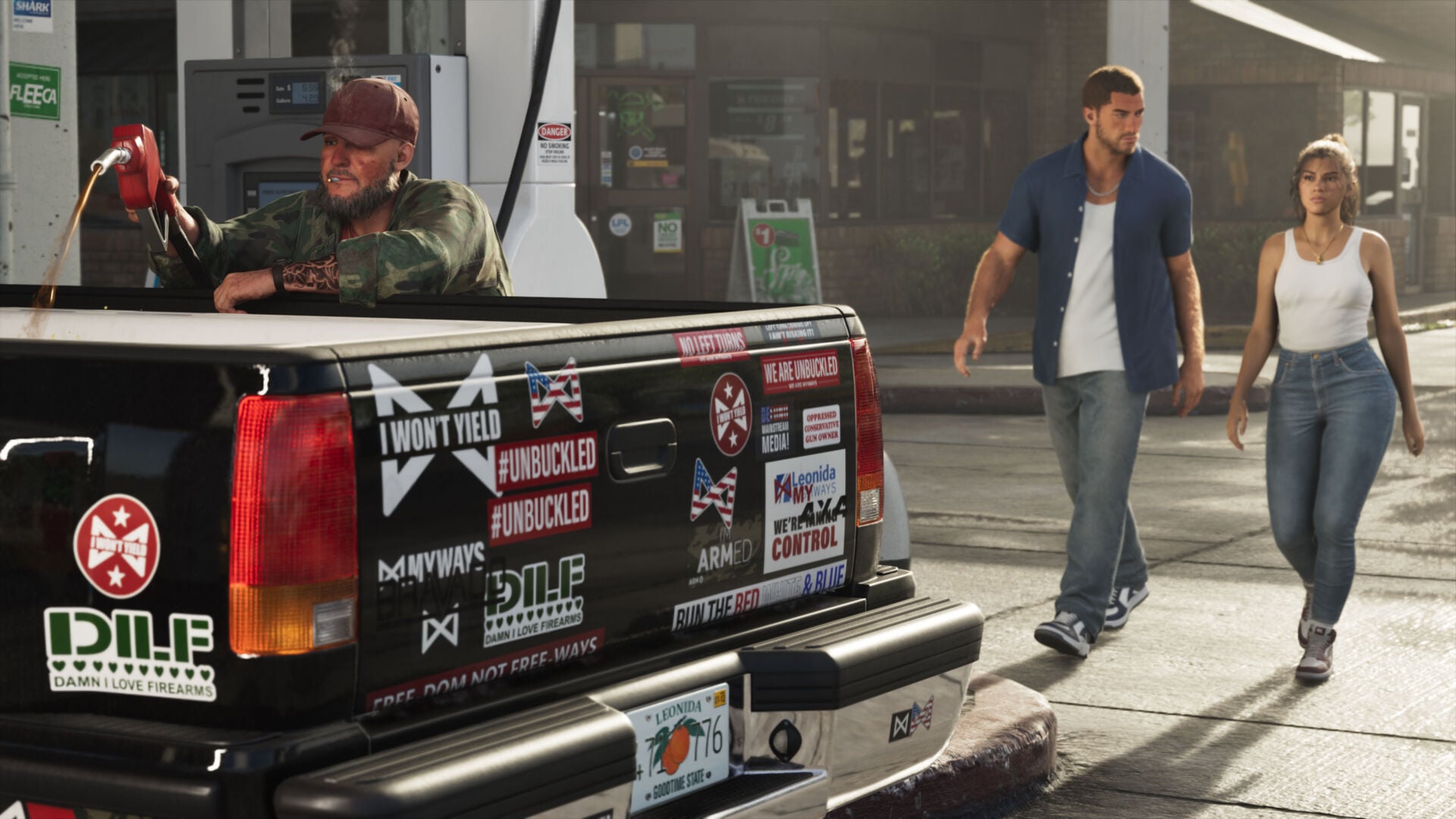
And as always with Rockstar, that obsession with detail extends right down to the animations. Jason and Lucia don't simply make a phone materialise in their hand: they can raise it to their ear to take a call, hold it out in front of them to talk on speaker, or scroll through it idly while lying in bed before sleep. Better still, the glow of the screen genuinely lights up their face, a particularly striking detail when you use the phone in the dark.
Three video games inside the video game
And since we're on the subject of Rockstar Games' obsession with detail, it's impossible not to mention the entertainment Jason and Lucia can indulge in when they decide to spend a quiet evening at home. Because yes, in GTA 6 you can also settle down in front of the telly and watch various programmes, just as you would in real life. Among them is Macca & Friends, a genuine animated series created specially for the game, whose episodes can be watched directly on the TV set. And make no mistake, these aren't a few bits and pieces cobbled together to give the illusion of a TV show. Rockstar Games has developed an actual cartoon, with its own universe and enough content for you to genuinely sit down and watch it. The funniest part is that nothing obliges you to pay it any attention. You could easily go through the entire adventure without ever noticing this series, yet it's very much there.
And that's not all, because Jason can also play video games directly within GTA 6. In his flat you'll find a console that bears a striking resemblance to a PS5, sitting on a table alongside controllers whose design also calls the DualSense to mind. Once the console is switched on, three games are on offer, each a fairly different experience. The first is a top-down shooter, the second drops you into a horror FPS with thriller overtones, and the third serves up a more conventional action experience. Three little games within the game, all genuinely playable, and further proof of the care lavished on the side activities. And when you consider the sheer amount of work needed to develop an animated series and three extra games that some players may never even discover, you start to understand why GTA 6 so often feels like it's operating in a league of its own. That, too, is excess the Rockstar Games way.
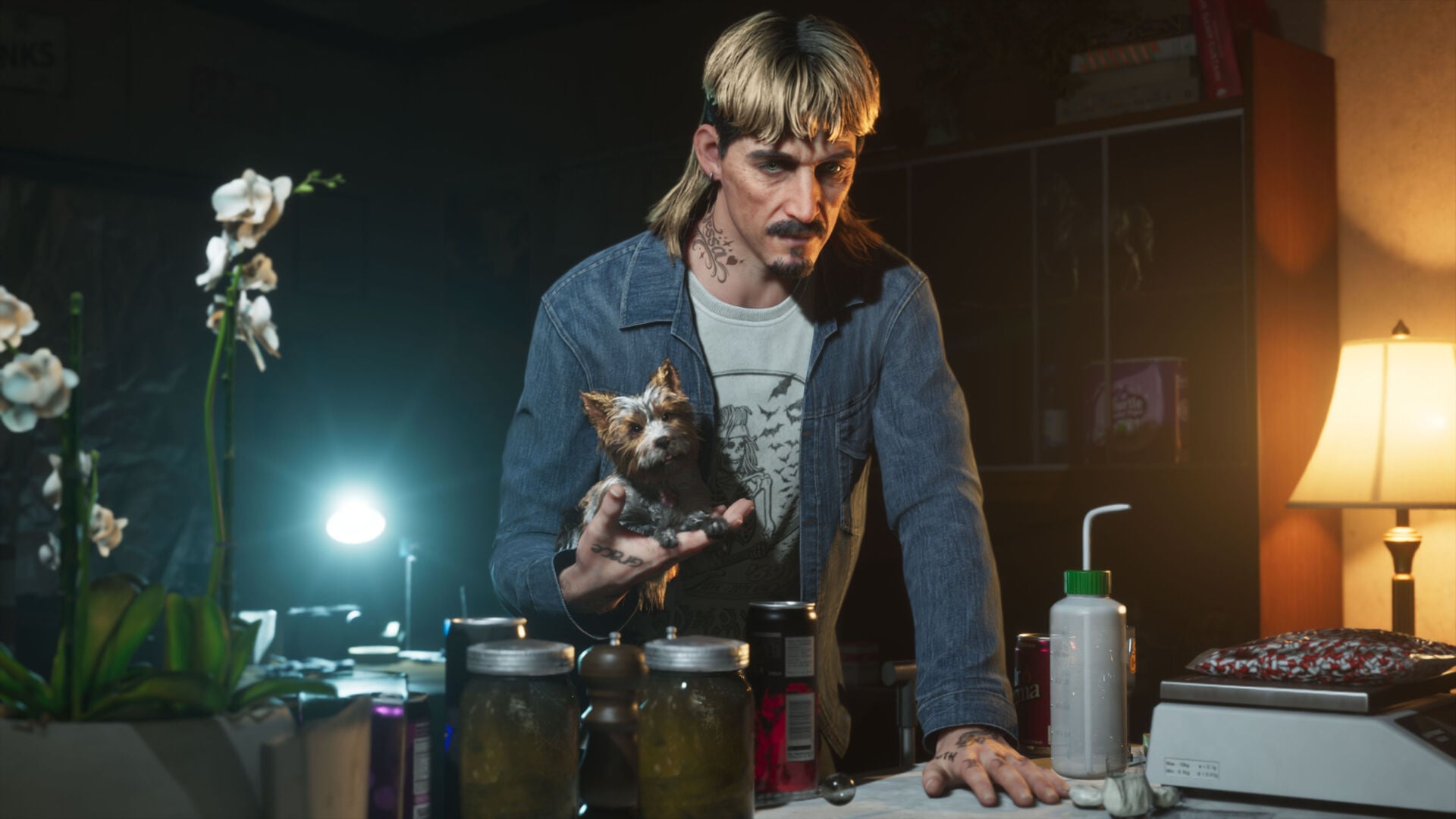
Dan Houser, my man!
While GTA 6 is unquestionably an extremely well-written game, with delicious dialogue, colourful characters and situations that regularly hit the mark, we can't shake the feeling that Rockstar Games has lost a little of the satirical finesse that characterised previous instalments. It's hard, of course, not to think of Dan Houser, who left the studio in 2020 and whose pen so profoundly shaped GTA's identity. With him, the franchise had this quite extraordinary ability to send up American society, to call out its contradictions and absurdities, without necessarily needing to lay it on thick. There was a subtlety in the way the dialogue was constructed, the characters caricatured and a message slipped in behind a completely grotesque situation. And even if GTA 6 retains the irreverence that forms the series' DNA, we find its writing at times more head-on, more demonstrative, with a satire that slightly lacks the finesse we so appreciated in Dan Houser.
But perhaps the explanation lies elsewhere. What if the real problem, in the end, is that the real world has become a satire of itself? When you look at how American society has evolved these past few years, the outlandish behaviour, the endless scandals and the utterly absurd situations that punctuate the news on a daily basis, you sometimes wonder what's left to caricature. Where the older GTAs seemed to push reality to the point of ridicule the better to expose it, GTA 6 regularly gives the impression of simply holding up a mirror to our times. And that may be the whole difficulty for Rockstar Games: how do you write biting satire about a society that appears to have outstripped the limits of caricature all by itself? None of which detracts in any way from the game's immense narrative qualities, its writing remaining among the very best in current video game production. But personally, we still prefer Dan Houser's pen, more subtle in the way it wields irony and casts a critical eye over America.
The good
- An open world that's more organic than ever
- Staggeringly realistic NPCs — we've never seen anything like it!
- Phenomenal visuals
- Technically, we've no idea how a game like this runs on PS5
- The gunfight system has been improved
- A level of detail bordering on obsession
- The best of Red Dead 2 inside a GTA
- Lucia's aura farming is insane
- Dizzying depth that constantly makes you want to explore and experiment
- GTA has become a life sim
- The gunfight scene set to Justice's Pusher will live long in the memory
- There are story twists in here that'll have you leaping out of your seat
- There's George Lam (and Vietnamese songs) on the soundtrack
- The endings are gorgeous and genuinely moving
The bad
- A cover system that lacks fluidity
- The writing is less sharp than Dan Houser's