The good
- A 4v4 system that gives the game a genuine identity
- A shared health bar that makes the format far more approachable
- Defensive mechanics that are easy to grasp but rich to master
- Gameplay that genuinely rewards putting in the hours
- A varied Marvel roster with plenty of personality
- An absolutely gorgeous art direction
- Episodes that are better written than expected
- Real competitive potential
The bad
- Only 21 characters for a 4v4 game
- Readability suffers once the screen goes wild
- Differences between some characters only really show at high level
- Far too thin on single-player content
It looks like Marvel vs Capcom, but it isn't Marvel vs Capcom.

When a Marvel fighting game turns up, it's hard not to think of Capcom straight away, such is the extent to which the Japanese studio shaped the history of superhero VS Fighting. But as you know, all good things come to an end, even the very best partnerships (RIP Jeuxactu), and that goes for Marvel Tokon Fighting Souls too. Exit Capcom and welcome Arc System Works, who after years spent on licences such as Guilty Gear, BlazBlue and Dragon Ball FighterZ, are now taking on one of the most iconic universes in popular culture. And rather than simply copying and pasting the Marvel vs. Capcom formula, the Japanese studio is trying something different with 4-on-4 bouts that are hugely spectacular and, on the face of it, accessible. But behind that very mainstream veneer, Marvel Tokon Fighting Souls has some lovely surprises in store, especially if you grew up with an arcade stick in your hands.
4v4, not 4x4
The first pleasant surprise is realising just how much Marvel Tokon Fighting Souls refuses to be a slavish heir. You could easily have imagined Arc System Works taking the broad strokes of the Marvel vs. Capcom games, adding its trademark animations and simply swapping out the characters, and that would no doubt have shifted plenty of copies without much bother. Instead, the Japanese studio set out to answer a fairly simple question: how do you make four characters coexist and function as a tight-knit team? Part of the answer lies in that shared health bar. Because in Marvel Tokon Fighting Souls, you pick four fighters, but you aren't juggling four separate pools of health. The whole team shares the same gauge, which immediately changes the philosophy of the game. You don't necessarily need to play all four members of your team perfectly. There's nothing stopping you, for instance, from building your strategy around one main character and using the other three as helpers.
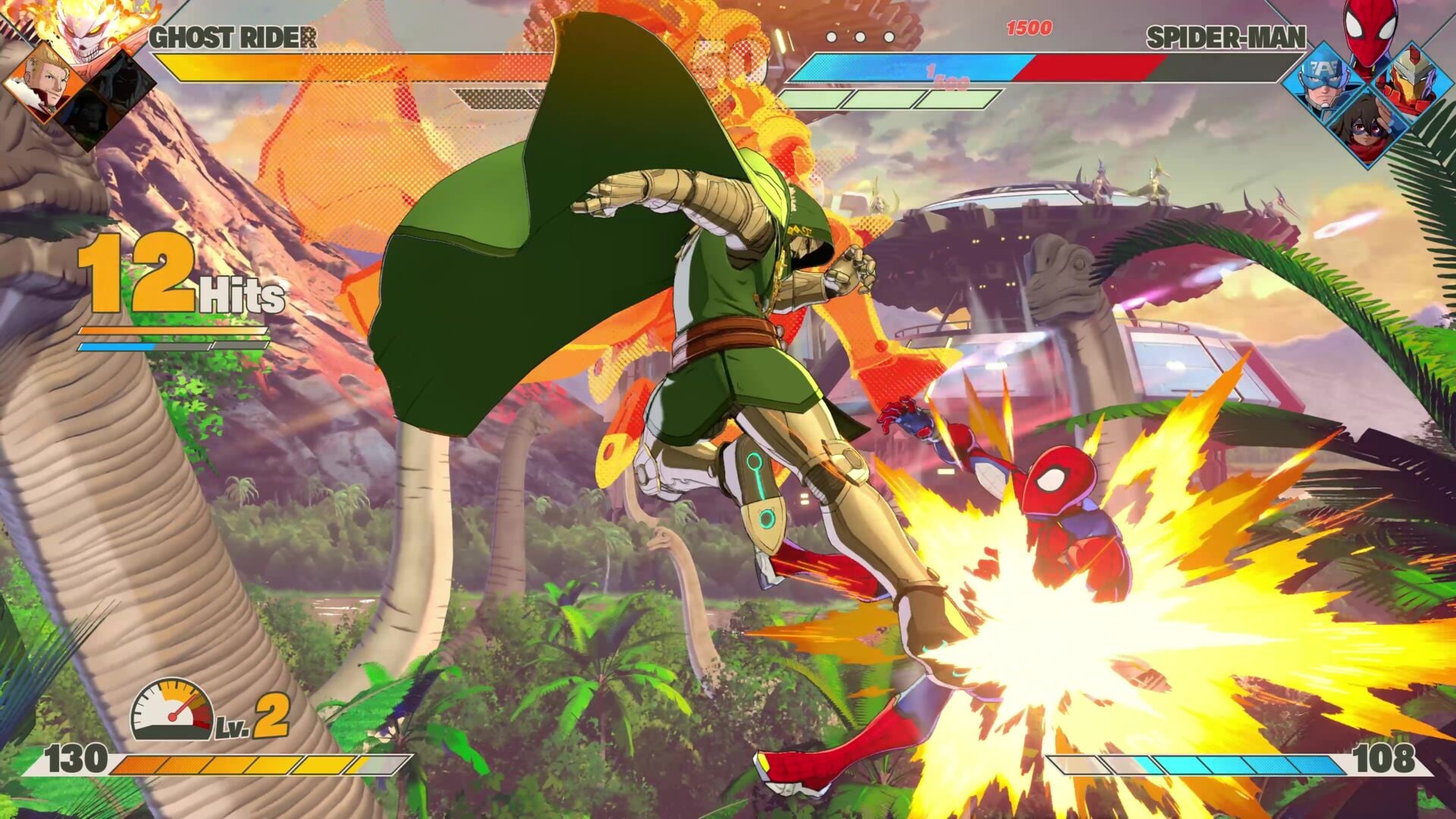
It's a rather canny decision, because it removes part of the psychological barrier that usually comes with tag fighters. When you're asked to master three or four characters in a game like Dragon Ball FighterZ, the mountain quickly looks unclimbable, especially for a mainstream audience. Here, you can start by learning Spider-Man, then gradually work out what the other three — Wolverine, Hulk, Magneto or whoever else is on your team — bring to the table. Better still, if you fancy really committing, the system is rich enough to let you. Because yes, behind that mainstream approach, Marvel Tokon Fighting Souls carries the Arc System Works aura, with that depth on tap for the die-hards who want to dig deeper. Proof of that: the four characters haven't simply been stacked one behind the other, as their position in the team also influences the assists they can offer. They double as helpers, with attacks that vary according to where they sit in the line-up. Some fighters will be especially effective in a support role, while others are far more interesting as your main. This mechanic gives the game a real personality, because you can quite happily build your team around a single fighter and use the other three purely to back him up. But you can also learn to juggle several characters in order to multiply your offensive options and throw your opponent off balance. So it's worth giving your quartet's make-up some real thought before you even start a match.
Less is more. More or less.
One of the most welcome qualities of Marvel Tokon Fighting Souls is that it has been built so you can have fun straight away, before you've even worked out what it is you're actually doing. The modern controls, in particular, let you pull off special moves without having to go through the traditional quarter-circles every time. It's an excellent way in for players who have never really dabbled in the genre, and even veterans can get something out of it when they just want a quick game. But once again, make no mistake: Marvel Tokon Fighting Souls is not a simple game, nor a simplistic one. That's probably where a good chunk of its appeal lies, because the more you play, the more you realise the mechanics stack on top of one another. Assists let you extend combos or keep the pressure on, character switches open up new possibilities, and the game has a genuine defensive system, far more interesting than first impressions might suggest.
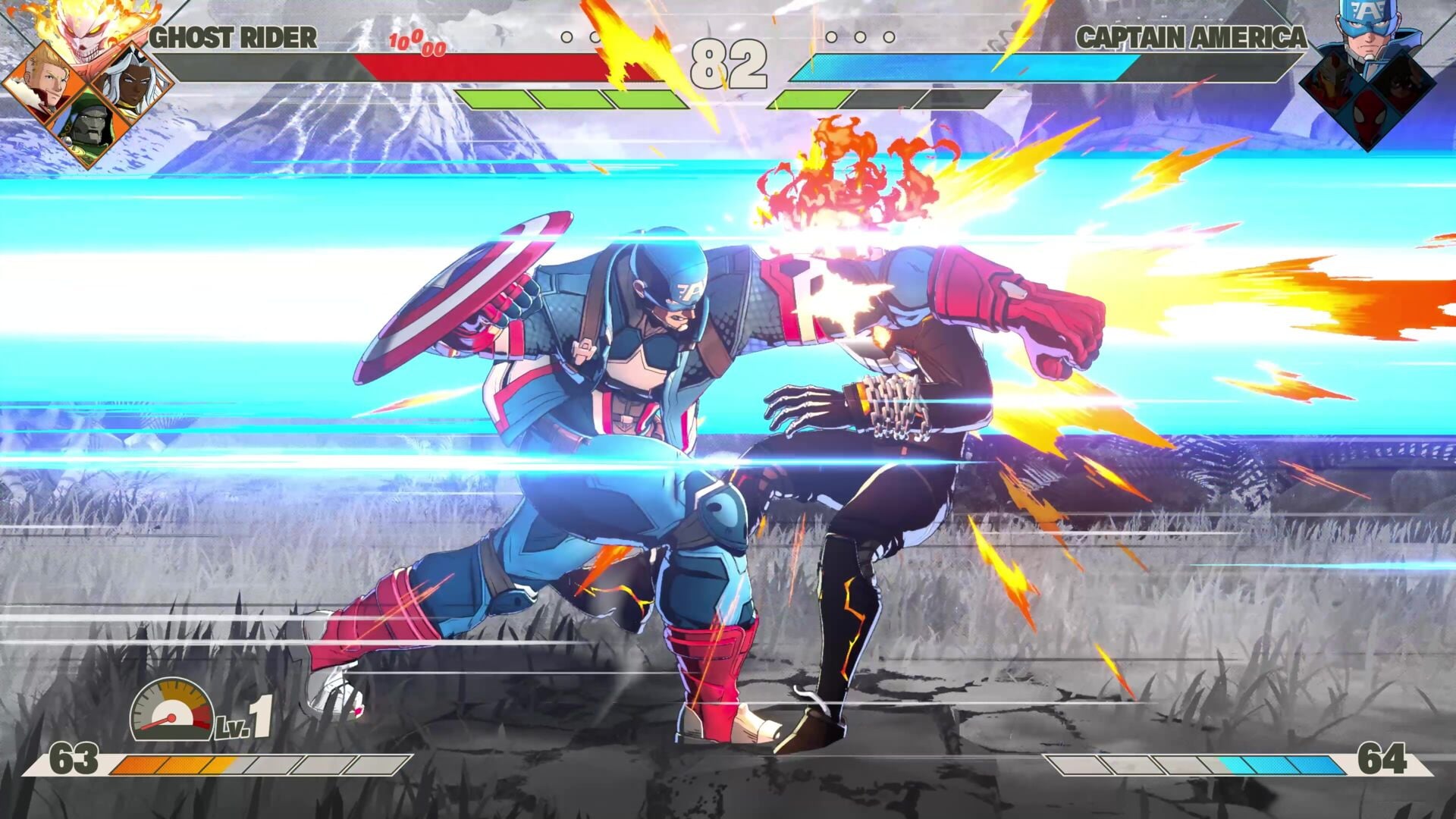
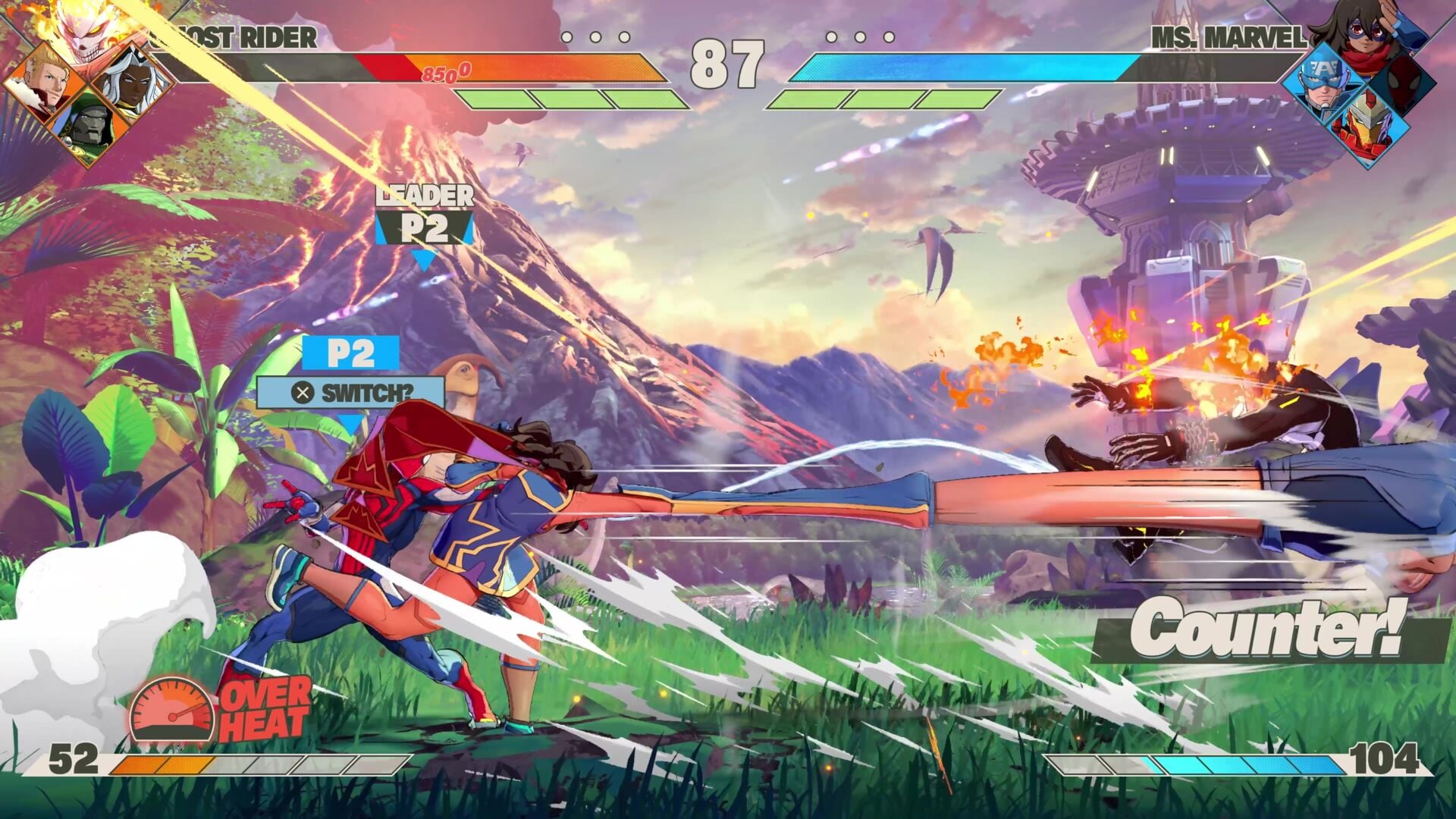
The crossover system lets you call in a partner to break the opponent's pressure, but that mechanic can be read in advance with the crossover reflect, which flips the situation and leaves the opponent wide open. On top of that there's the parry, which can absorb certain attacks before opening the door to a counter. I can feel I've lost a few of you already, but honestly, if you're used to fighting games, all of this is fairly easy to grasp on paper. Pulling it off mid-match is another story entirely. And that's exactly what I like about Marvel Tokon Fighting Souls: the game doesn't demand you know all its subtleties straight away, but it gives you enough to make you want to dig them out.
Arc System Works has clearly been hunting for the sweet spot between spectacle and readability throughout, and hasn't always found it.
There is, however, one problem that keeps cropping up in Marvel Tokon Fighting Souls, especially in the first few hours: the assists, which aren't always as intuitive as they ought to be. The timing for calling in a partner is fairly strict, for one, and certain situations give the impression the game is flat-out refusing your input. You press, nothing happens, then a few seconds later you work out that you needed a precise timing, or that the situation simply didn't allow the intervention. It's frustrating, no two ways about it, particularly while you're still learning. Thinking about it, that rigidity was probably designed to stop fights spiralling out of control, but it sometimes has the opposite effect. Because once all eight characters are on screen, assists can chain at a ridiculous speed and it becomes genuinely hard to work out who just did what. The spectacle is explosive, yes, but the fight becomes markedly harder to read. And that's rather telling about Marvel Tokon Fighting Souls as a whole. Arc System Works has clearly been hunting for the sweet spot between spectacle and readability throughout, and hasn't always found it. It's all the more of a shame given how much effort Arc System Works seems to have put into making the game accessible.
A 21-star cast
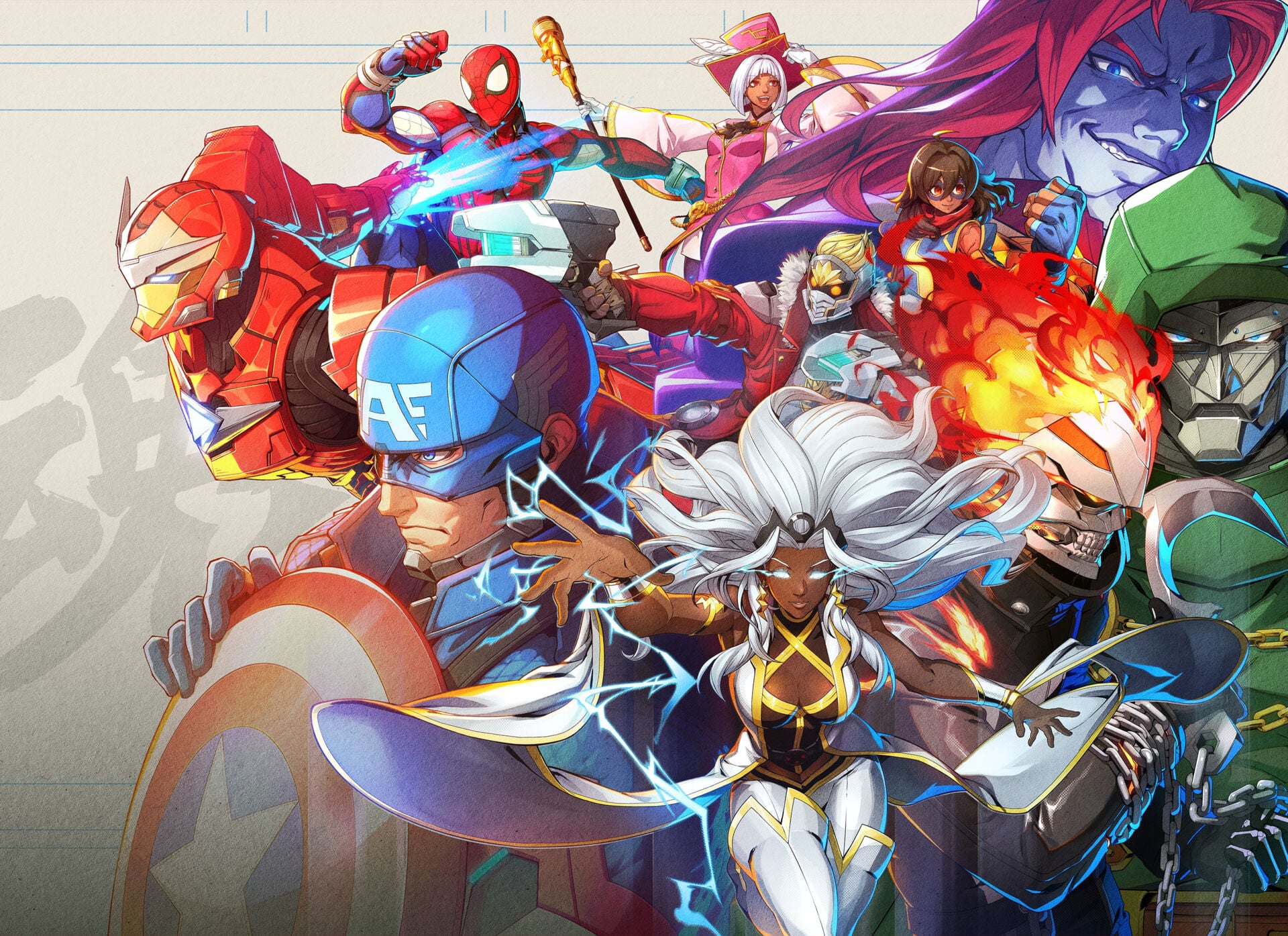
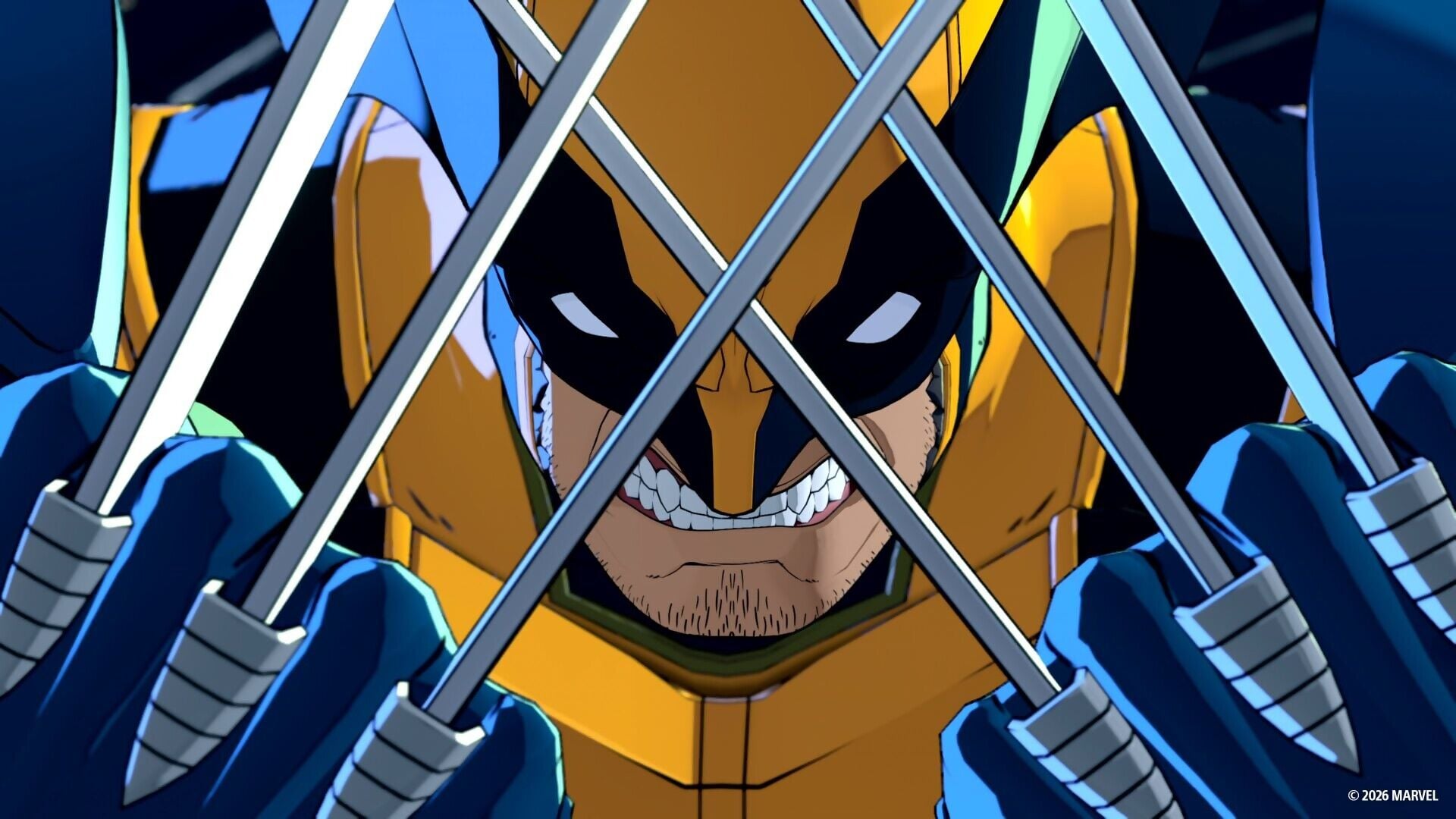
With 21 characters at launch, Marvel Tokon Fighting Souls isn't especially generous for a game built around teams of four. It's probably one of the few criticisms that's hard to sidestep. Five teams of four works perfectly well to showcase the concept, but it also means opposing line-ups are going to start repeating themselves pretty quickly. And yet I never felt the roster had been thrown together, because despite a few names that will mean little to the average player, Arc System Works has prioritised personality over quantity. Spider-Man doesn't play like Iron Man, who doesn't play like Magneto, who has nothing whatsoever in common with Deadpool. The studio has even reached for some less obvious picks, which gives the cast a flavour all its own. And yes, Ms. Marvel deserves her moment in the sun, as do Magik and Danger, who stand out for their sheer aggression. Their inclusion is one of those choices that shows the studio didn't just cherry-pick the licence's most bankable faces. The work done on Deadpool is particularly good fun too, given the character is of course capable of breaking the fourth wall. But Arc System Works has run a long way with the idea, packing his animations and attacks with references to the history of the versus fighting genre.
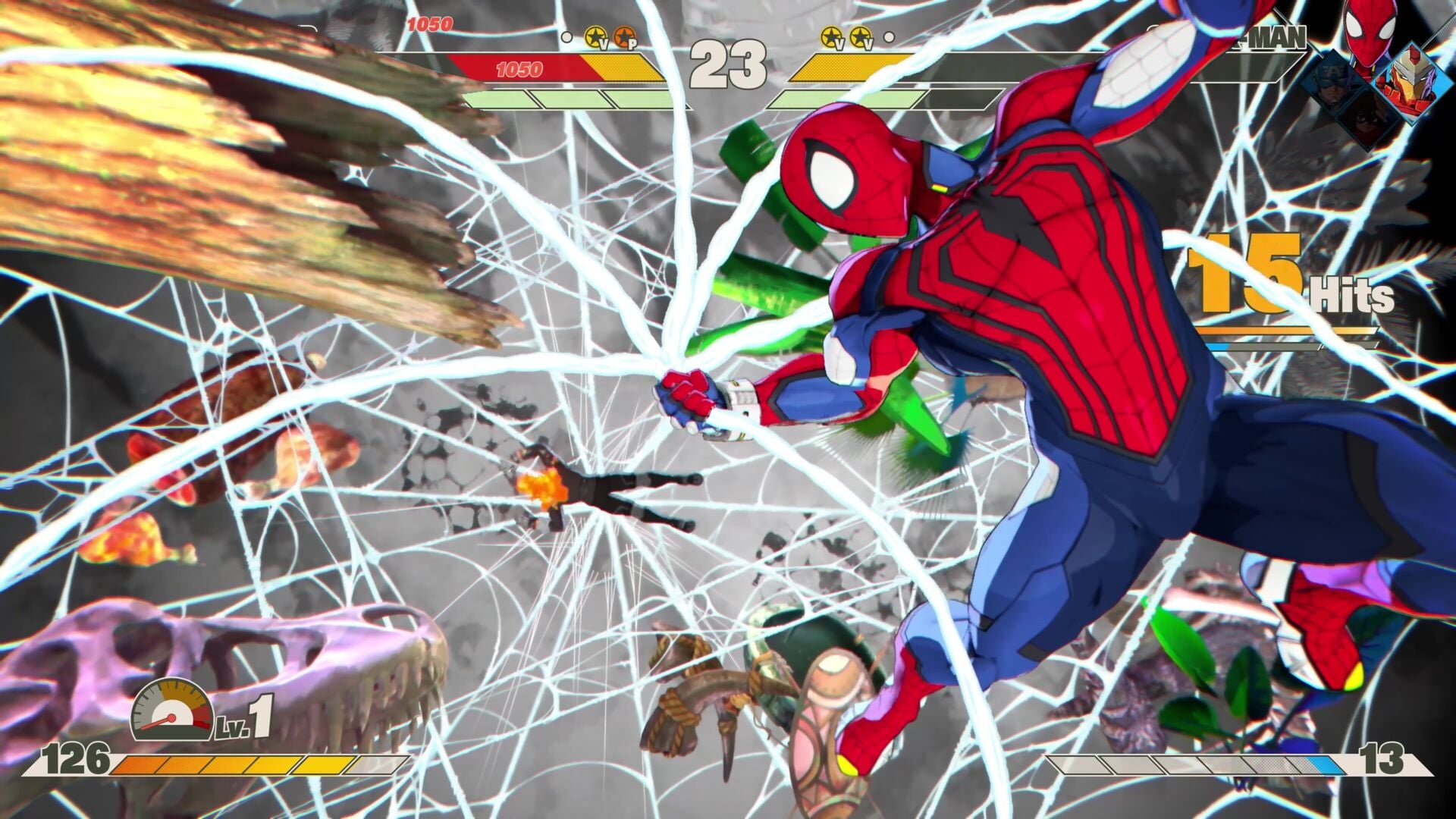
Elsewhere, it takes about five seconds in front of Marvel Tokon Fighting Souls to realise you're not at Capcom. Quite the opposite: the Arc System Works stamp is everywhere. Whether it's the extraordinarily detailed animations, the special attacks bursting with effects or the characters who look like they've stepped straight out of a comic and started moving, it's hugely satisfying to watch. The studio has explained that it first experimented with an approach drawn more from American comic books (a tautology, I know) before ultimately pushing the game towards an anime aesthetic, much closer to its usual identity. It was probably the right call, because the result is frankly gorgeous, especially during the ultimate attacks and scene transitions. The stages are also crammed with little details that reward attentive fans.
Solo del mar
As with plenty of fighting games, you feared the worst for the single-player mode: a token plot existing purely to string together a run of fights. And while the story in Marvel Tokon Fighting Souls obviously isn't about to reinvent the genre, the Episodes at least have the merit of being written well enough to make you want to see what happens next. No doubt because Kieron Gillen penned the dialogue and used the format to make the interactions between the various characters sing. It works especially well with Deadpool, but also with Doctor Doom, whose ego and personality are put to perfect use. Some of the unlikelier pairings work far better than you'd expect, too. And the comic-panel presentation adds to the identity of a mode that turns out to be far from throwaway. Each team gets its own art direction, and the whole thing is polished enough that you feel like you're reading a short Marvel story rather than mechanically grinding through fights.
In truth, the problem is more one of quantity, since the Episodes stay fairly short and the single-player content generally lacks substance for a game that could have turned this section into a genuine gateway to its mechanics. It's a shame, because there was room to do far more, but at least the learning side of things is particularly well thought out. Paradoxically, it's in its training tools that Marvel Tokon Fighting Souls perhaps best shows what it wants to become. The general tutorial is fairly hard to digest at first, as it tries to explain an enormous amount very quickly and doesn't always manage to prioritise the information. But once you're past that first step, things get a lot more interesting. Each fighter has their own guide, with their moves and quirks, but above all challenges that require you to understand how their gameplay works.
To be continued in the next Episode
The level missions are probably my favourite system. Rather than simply asking you to reproduce a string of inputs, they impose constraints: hit a certain damage threshold, start a combo in a specific way, or work in several particular attacks. In other words, the game asks you to think and, above all, to analyse. It's an excellent way to learn a fighting game, because it pushes the player to understand why a combo works rather than just memorising a sequence.
Beyond the Episodes, Marvel Tokon Fighting Souls offers several modes to extend the experience, notably Arcade and Survival, the latter quickly turning into a real endurance test. There's also a more laid-back party-game mode, with chibi versions of the characters and lighter scraps. But let's be honest, Marvel Tōkon's real future lies in its online mode, and that's hardly news. That's where the depth of the system truly comes into its own, and it's also where the game will be able to evolve across future seasons and new character arrivals. Arc System Works has already said it intends to expand the game's content after launch, which is all but essential with a roster of only 21 fighters. If the studio can keep up a good pace of updates and, above all, listen to its community, Tokon could quickly become far richer than it is today.