The good
- An extremely satisfying combat system
- The Issen, as exhilarating as ever
- Particularly intense boss fights
- A genuine sense of progression
- Miyamoto Musashi, a charismatic and funny hero
- A superb fantastical feudal Japan atmosphere
- A successful return for the series
- Well-paced main levels
- Solid production values
- Plenty of playtime
The bad
- Kyoto and its semi-open structure regularly break the pace
- Lots of backtracking
- An urge to artificially pad out the adventure
- A bestiary lacking variety
- Writing that's far too conventional
- The RE Engine's brown art direction
Onimusha Way of the Sword marks a convincing comeback thanks to its sword fighting and a Musashi who's as funny as he is charismatic, even if exploring Kyoto is far less successful.

So it's taken 20 years for the Onimusha franchise to claw its way back from the grave. An eternity in video game terms, all the more so since action games have changed profoundly in the meantime. Between the Souls-like explosion and open worlds becoming the norm, Capcom could easily have chased those new trends. Instead, the Japanese studio chose to go back to the series' fundamentals with an adventure built above all around the pleasure of sword fighting, while modernising the formula just enough to keep it relevant today. We've finally finished the adventure, not without a few difficulty spikes (hello there, bosses), and it's time to give you our verdict.
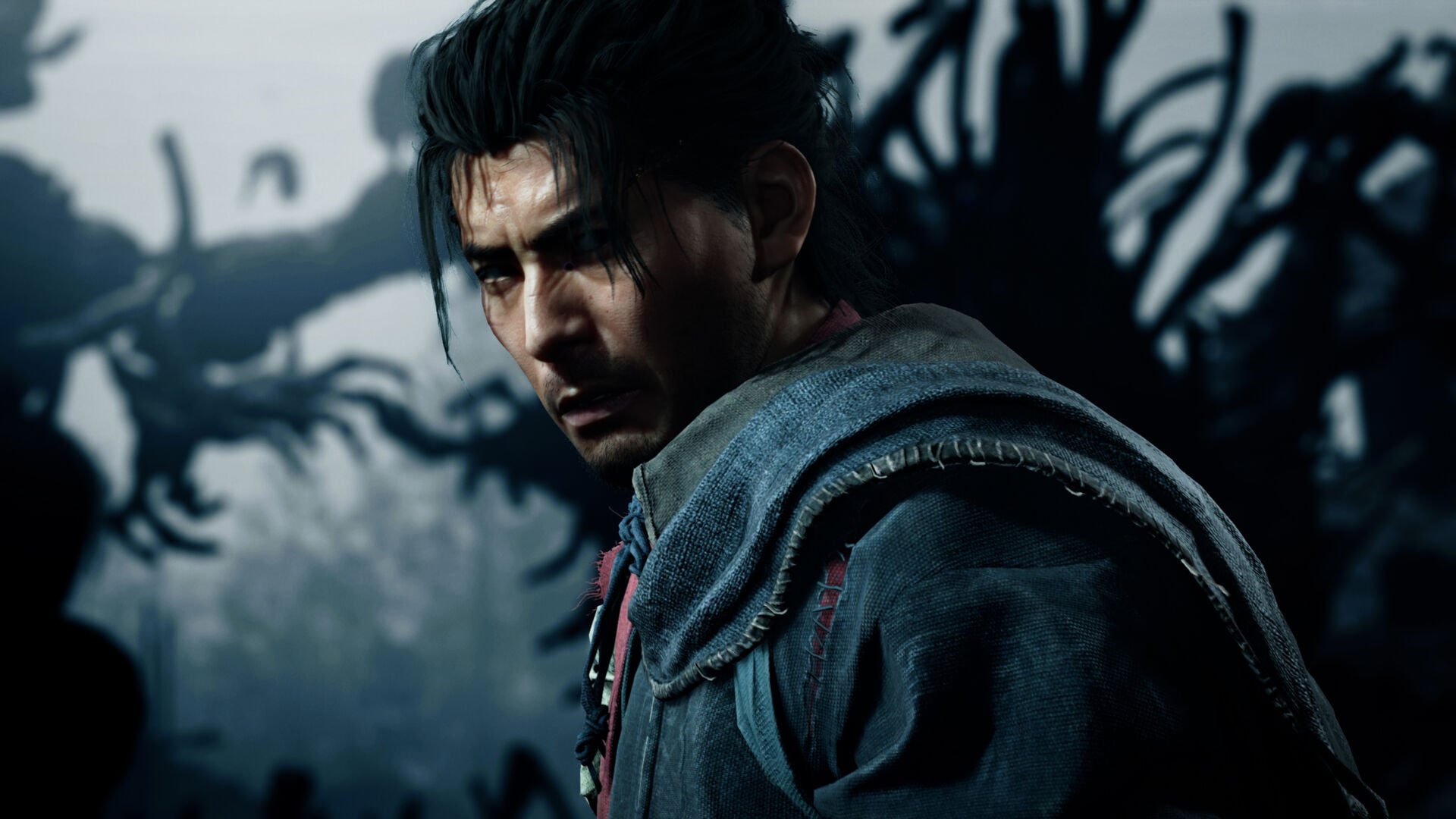
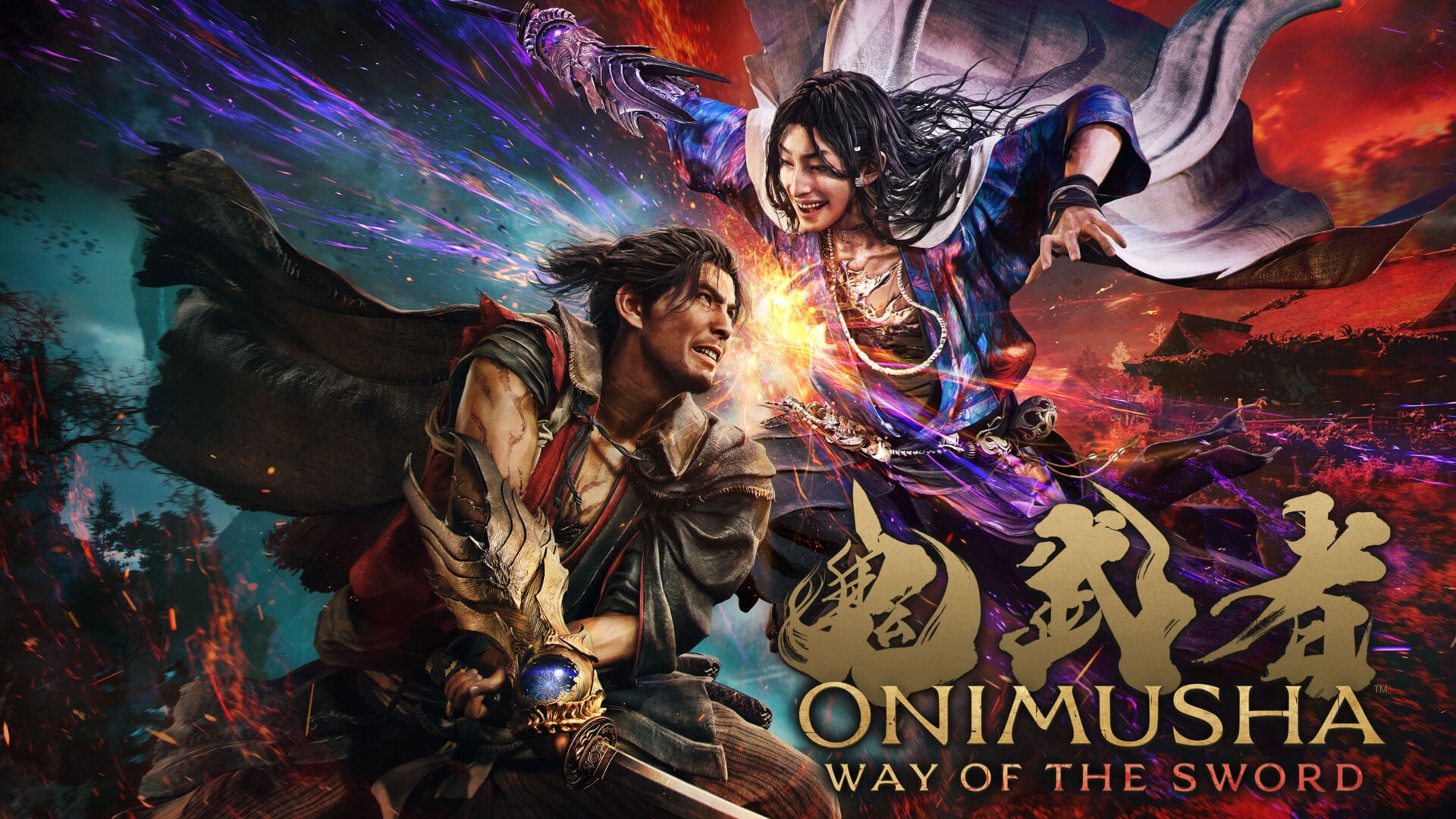
To carry Onimusha's return onto the big AAA stage in 2026, Capcom has picked a particularly iconic figure from Japanese history: Miyamoto Musashi. For anyone who's never heard of him, Miyamoto Musashi is one of the most famous samurai in Japan's history. A master of two-sword combat and the author of the celebrated Book of Five Rings, he has become a genuinely legendary figure over the centuries, widely depicted in local popular culture. In Onimusha Way of the Sword, he's reinterpreted with far more personality than you might expect. He's fearsome with a blade, obviously, but he's also a provocateur, impulsive and, above all, surprisingly funny. Far from the taciturn hero who spends his time philosophising gravely about Japan's worrying future, Miyamoto Musashi is happy to crack jokes, taunt his opponents or react with a certain flippancy to situations that are genuinely dramatic. And it's precisely that mix of seriousness, brutality and humour that immediately gives the character real presence. More importantly, it allows Onimusha Way of the Sword to find something we weren't necessarily expecting from it: a real personality.
Sabre rattling
The adventure begins in Kyoto, where Miyamoto Musashi arrives with a fairly simple motivation, even a slightly basic one for a man of that era: to find opponents powerful enough to put his talent to the test. Naturally, nothing goes to plan. The city is soon facing a fresh Genma invasion and our samurai ends up in possession of an Oni Gauntlet, a mysterious gauntlet that lets him absorb the souls of his enemies, among other things. The franchise's signature move, in other words. Things then gradually get worse with the appearance of the Malice, a supernatural force that turns Kyoto into a full-blown demonic playground. So all the key Onimusha ingredients are here: demons, samurai, supernatural forces and that feudal Japan atmosphere under constant threat from an evil presence. The core DNA is intact. On paper, then, nothing especially revolutionary, as you'll have gathered, particularly as the writing also stays fairly conventional. But it's in its gameplay that Capcom's game sets itself apart, and even shines.
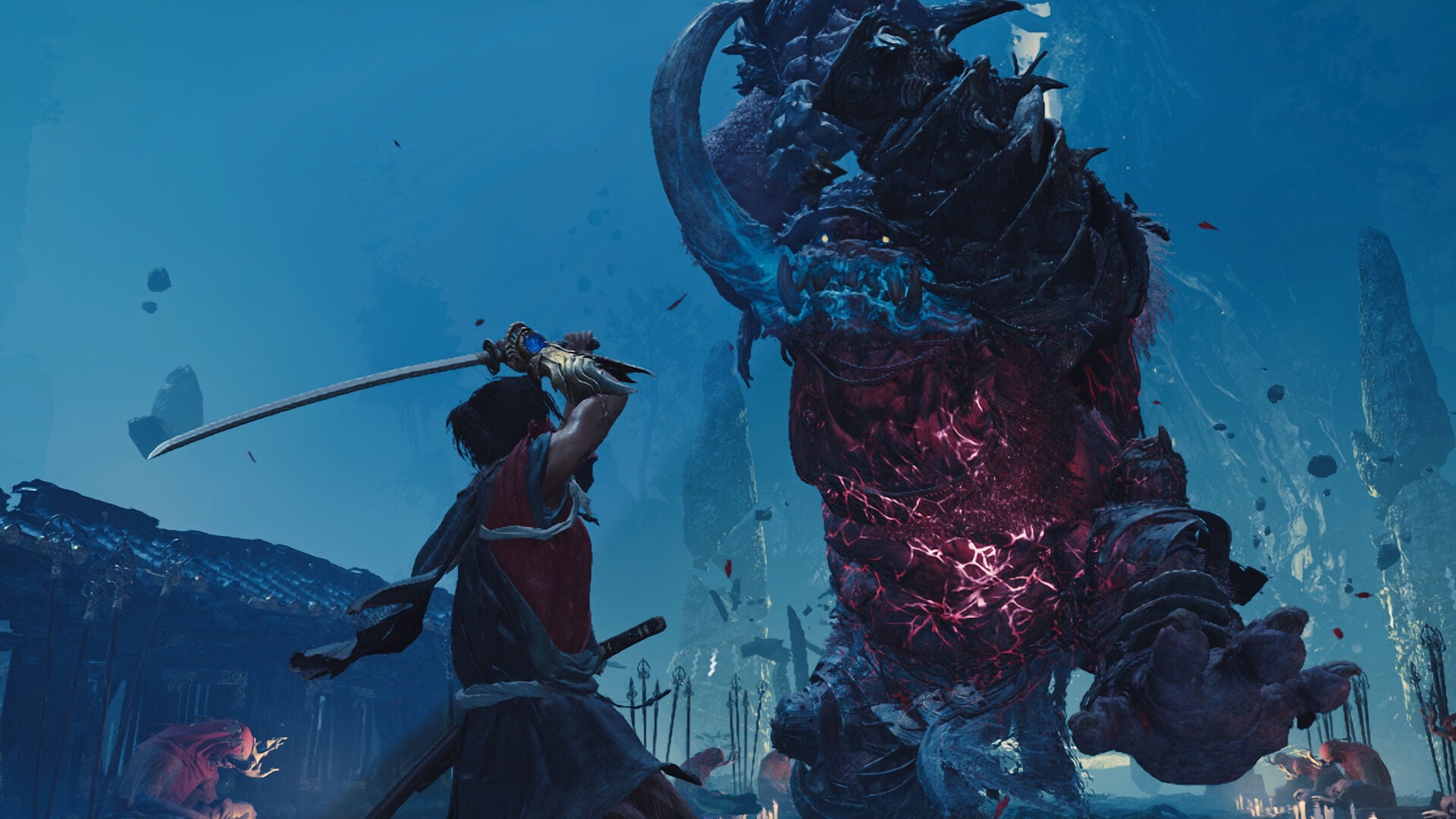
Of course, Onimusha wouldn't be Onimusha without its combat system. And this is exactly where Way of the Sword delivers. Because contrary to what some people assumed on seeing its demanding encounters, the game is in no way a Souls-like. Capcom leans far more on the conventions of the pure action game, with a system that asks the player to pay attention, to be proactive even, and above all to understand the tempo of each opponent — their patterns, in other words. That's how you'll come through Onimusha Way of the Sword, and there's no other way. The principle is simple, even standard for recent action games: observe, attack, dodge, parry and wait for the right opening to deal maximum damage. In practice, though, the fights quickly become a lot more technical. Swinging away without thinking won't cut it, because enemies have their own timings and certain attacks have to be countered at the exact moment to really gain the upper hand.
Who's the boss?!
This is where the Issen comes in, that emblematic Onimusha mechanic. It's a dodge (or a parry) pulled off with pin-point timing, opening an extremely brief window in which Miyamoto Musashi can land a devastating attack. When everything lines up, the feeling is intoxicating, especially in those moments when you're surrounded and several enemies can be picked off one after another with almost surgical efficiency. And that's precisely what makes the fights in Onimusha Way of the Sword so satisfying: the game rewards mastery far more than button-mashing. And since our warrior has his Oni gauntlet, he also has to harvest the souls of the foes he's just carved up. These orbs upgrade our hero, of course, but they also feed various abilities and the famous Oni powers. Capcom has put together a nicely balanced progression system, one with enough depth that you constantly want to experiment with new options, without turning the game into an RPG buried under endless stats.
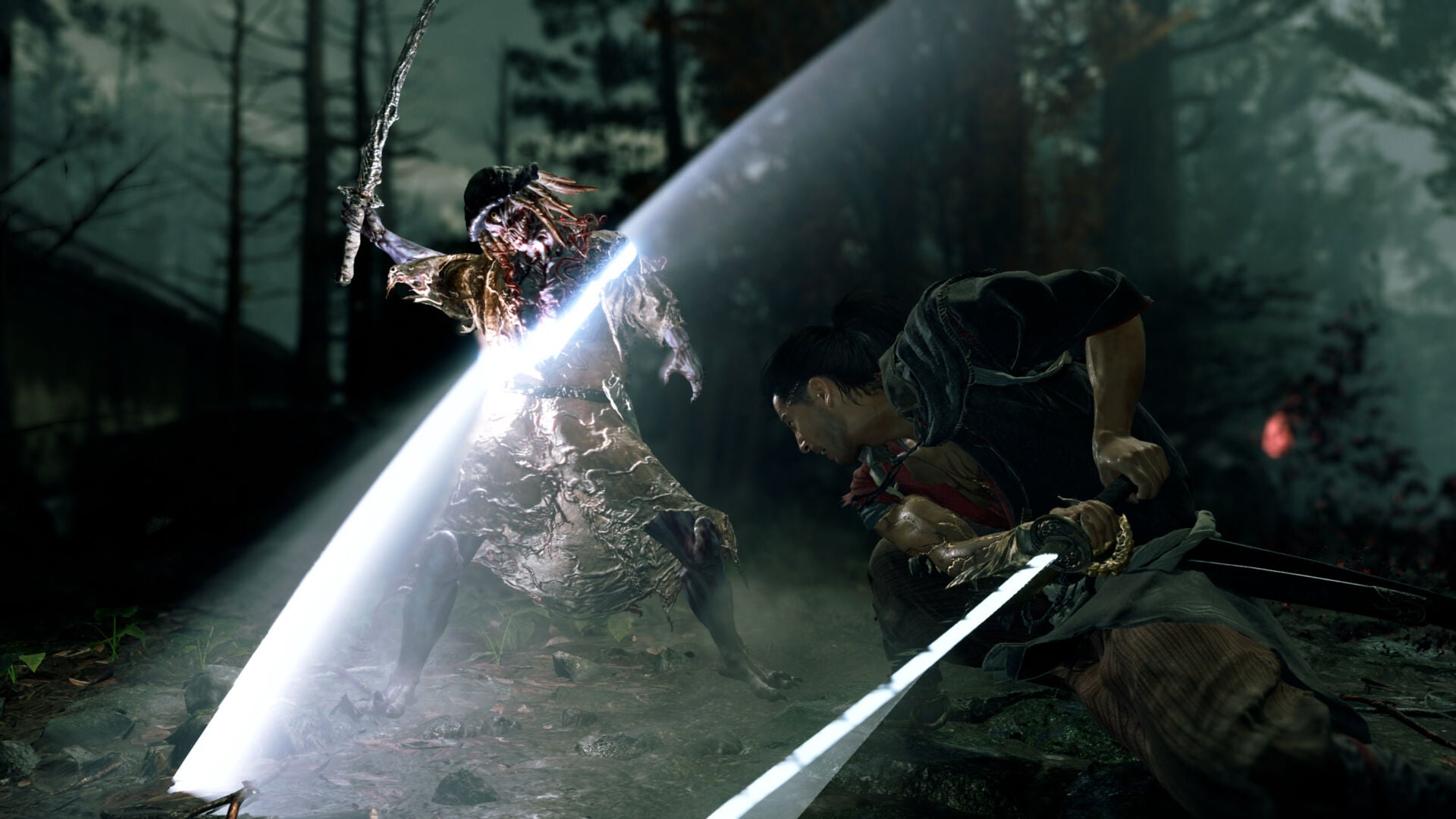
While carving through mobs over the 30 hours it takes to finish the adventure becomes routine, taking on the bosses will have you gritting your teeth, especially if you stubbornly refuse to learn the counter and perfect parry system, which is essential to bringing down these seriously formidable enemies. These boss battles are the high point of the whole system, forcing you to use everything you've learned along the way. You'll almost certainly rage and question your own skills during these encounters, but one thing is certain: you won't come out of them unscathed. That difficulty is part of the pleasure, too, even if a few fights towards the end can occasionally feel like they've crossed the line from demanding into downright unfair. The game leans heavily on learning through failure, and some fights therefore call for a hefty dose of patience.
Kyoto, the idea that seemed good on paper
But not everything is perfect in Onimusha Way of the Sword, and Capcom has even taken a wrong turn with a structure that ultimately works against it. Let me explain. First, though, an important point: this isn't an open world as such. Capcom has instead gone for a hybrid structure, with fairly linear main levels and a semi-open zone in eastern Kyoto that you return to regularly between chapters. On paper, the idea sounded promising: a little breathing room between action sequences, letting Miyamoto Musashi revisit certain districts, gradually unlocking new parts of the city and giving you a few reasons to explore. In practice, though, it's sadly one of the least convincing aspects of the adventure.
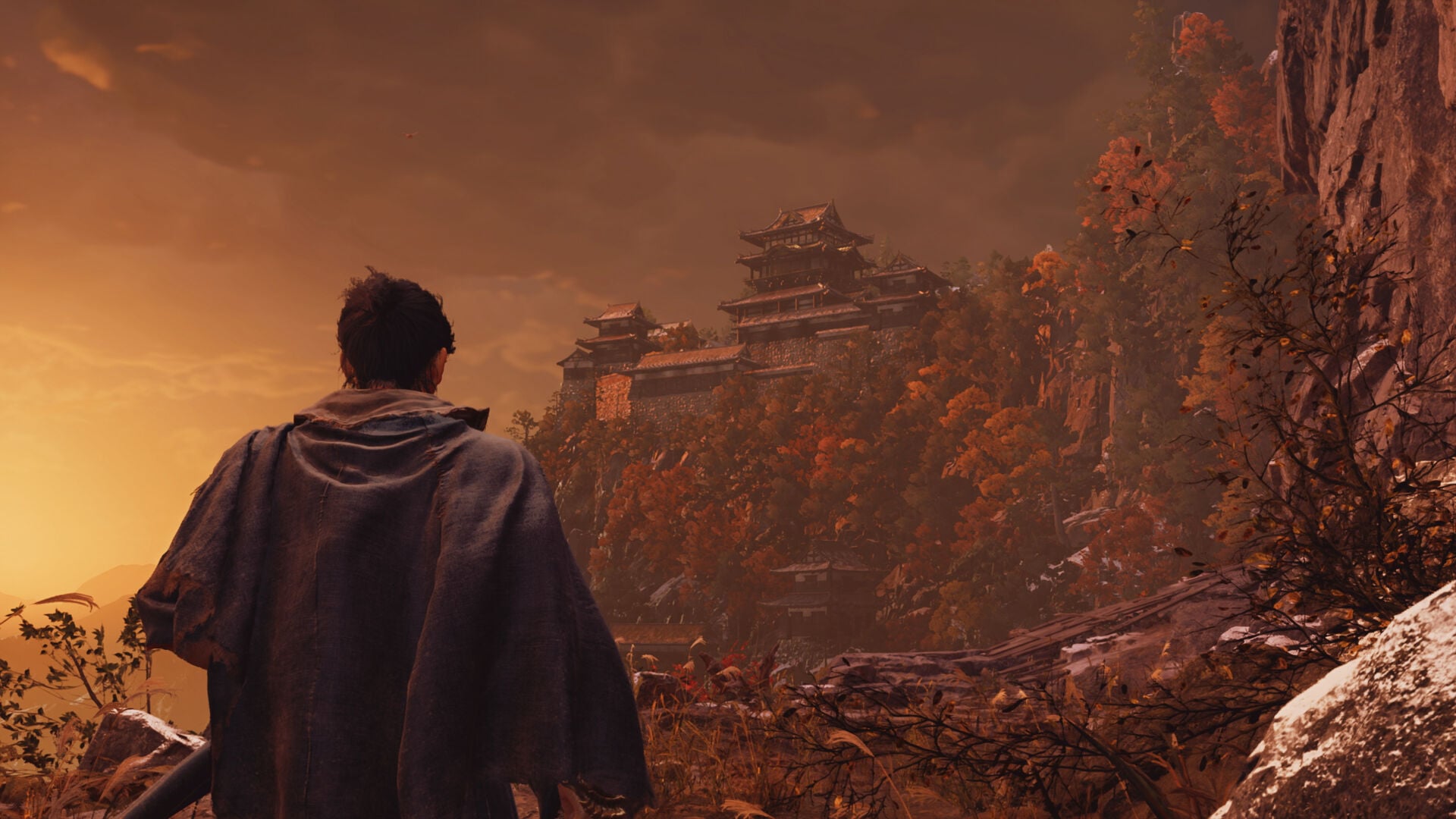
In fact, when Onimusha Way of the Sword locks us into a level built around a specific objective, the pacing generally works beautifully: you press on, you discover a new environment, you fight enemies, you run into a mini-boss or a boss, and the adventure moves forward naturally. Everything is calibrated to maintain that constant tension that makes the combat system so strong. But the moment the game packs us off back to Kyoto, that momentum evaporates. The zone is far from empty, mind you: there are locals to help, chests to open, resources to gather, enemies to blast through, side missions to complete and various little objectives that gradually unlock certain portions of the map. The problem is that most of these activities feel like pretexts for sending us back through places we already know. You return to a street, take out a few Genma, pick up a resource, head back to see a character, then you're asked to go back to more or less the same spot to repeat a fairly similar job. You can clearly feel the padding, so that by the end you can say you spent 30 hours finishing the game instead of the 20 it would have taken had it been a straight line — linear, yes, but far better paced.
In fact, when Onimusha Way of the Sword locks us into a level built around a specific objective, the pacing generally works beautifully [...] But the moment the game packs us off back to Kyoto, that momentum evaporates.
Which is all the more of a shame given that Kyoto looks rather lovely. The temples, the narrow streets, the areas tainted by the miasma and the architecture of Japan's former capital all make you want to wander around. But wanting to explore isn't enough when the game doesn't really reward curiosity. Most of what you find boils down to picking up materials, opening a chest or triggering yet another encounter with enemies you've already fought several times over. Even the side quests tend to recycle the same mechanics: go somewhere, kill some Genma, grab something, come back and report in. Over time, it gets tiresome. Perhaps the most frustrating thing is that the game has all the ingredients for far more interesting exploration. Musashi gradually acquires new abilities, some areas only become accessible later on and Kyoto does indeed open up little by little. But that evolution rarely feels like genuinely discovering a living city. It feels more like unlocking successive chunks of a map designed around backtracking, with barriers that force you to come back later, rather than real exploration driven by curiosity.
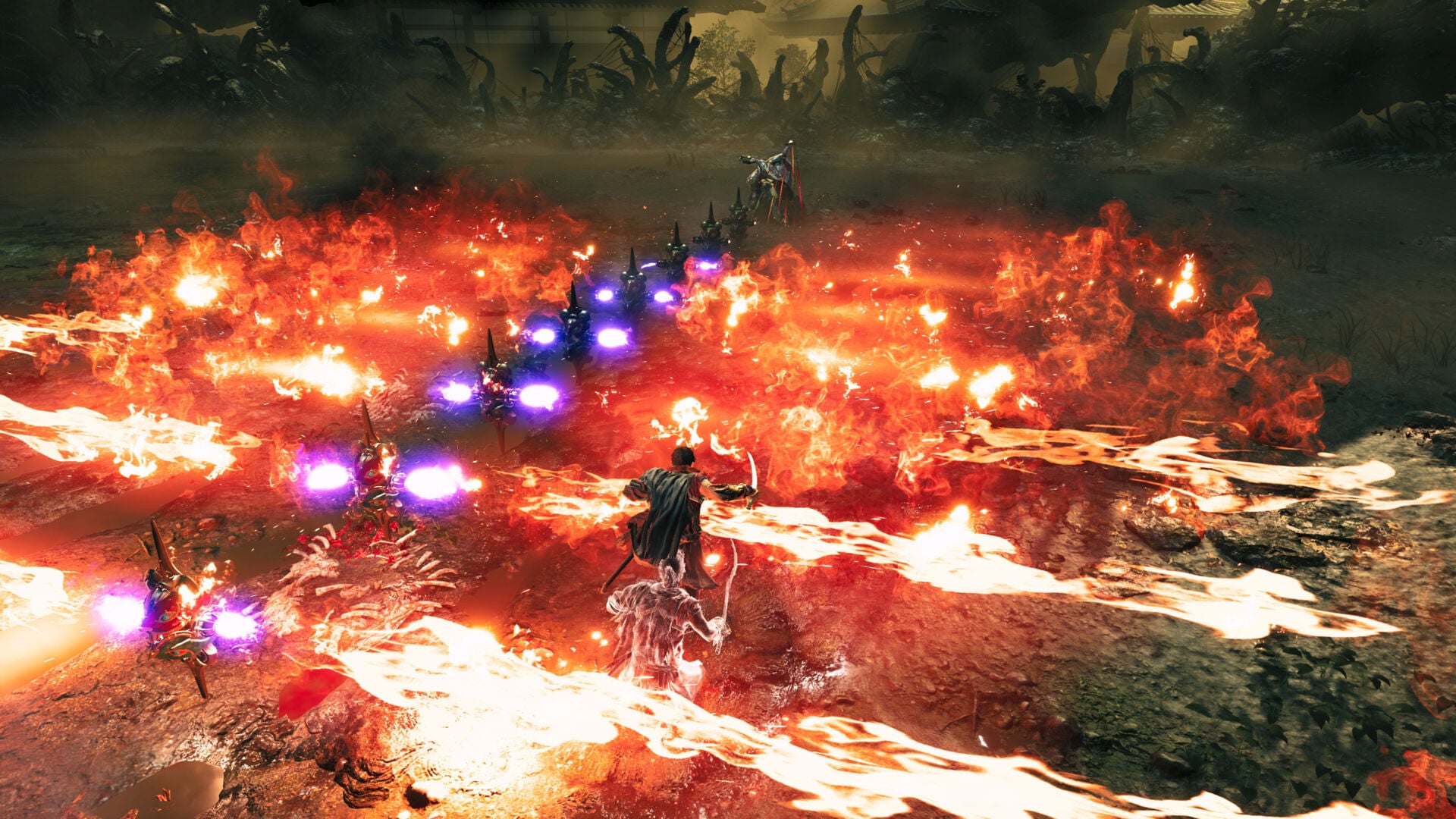
This is also where the side missions quickly show their limits, and where better design would have helped. They could have brought Kyoto to life, shown what the Genma invasion means for its inhabitants, or simply offered a change of pace between two fights. Instead, most of them recycle the old "go over there and kill the enemies" formula, with a handful of variations that never really freshen things up. Worse, the game loses intensity whenever it strays from the main storyline, largely because the side activities become repetitive fast and take up a fairly large chunk of the adventure's second half. And that's precisely what makes this part of the game so frustrating, because Onimusha Way of the Sword doesn't need any of it to be good. Whenever Capcom returns to its linear levels, the game immediately recovers its rhythm, its tension and that sense of constant progression that works so well alongside its combat system. The environments are better handled, the encounters better staged, and the adventure always seems to know where it wants to take us. In Kyoto, on the other hand, you can really feel the game design padding designed to stretch the experience out. Some players will no doubt enjoy having a space to wander around in between missions, somewhere to return to for a few upgrades or extra resources. For my part, though, it's precisely this drive to give Onimusha more freedom that feels the least successful. The game didn't need to ape modern productions by bolting on a semi-open area stuffed with side activities. Its best moments prove the opposite: it's far more effective when it controls the pacing, carefully builds its environments and pushes us from one fight to the next.
Still solid stuff
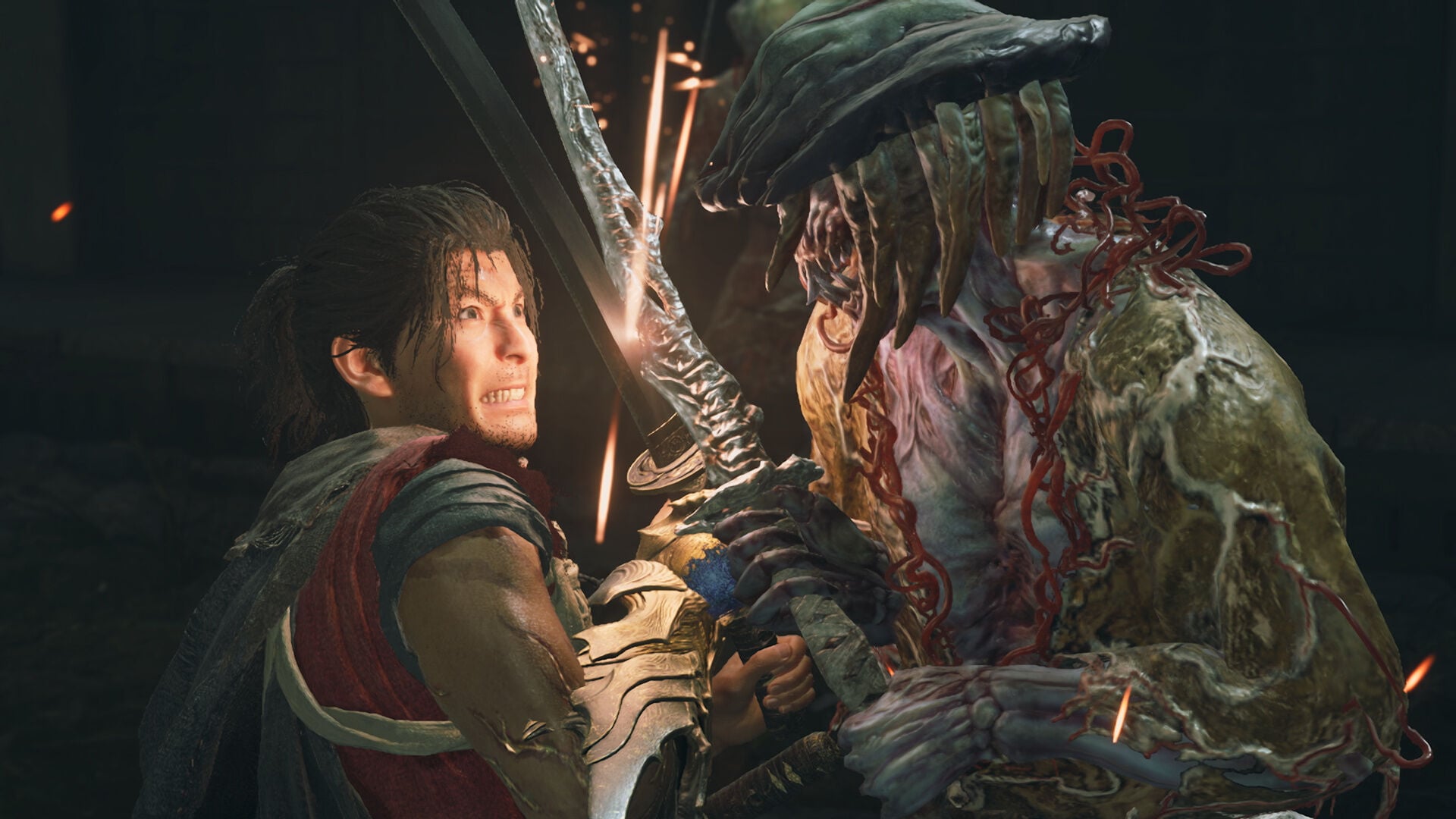
Technically, Onimusha: Way of the Sword naturally benefits from Capcom's RE Engine, with clean visuals and beautifully polished animations, even if you do have to put up with that drab brown tint so typical of Capcom's in-house engine. The overall look is rather good, even if the bestiary lacks variety. The environments also enjoy a pleasing level of detail, with a dark, misty atmosphere that suits the world of Onimusha perfectly. Not everything is on the same level, mind. Some facial animations look less impressive than what Capcom can manage these days in its Resident Evil titles, and certain technical details serve as a reminder that this isn't a tech showcase built purely to impress. But here too, the essentials are in place. On PS5, the game runs smoothly and pleasantly, and above all the presentation supports the gameplay effectively without ever stealing the limelight.