The good
- A time management system that's strategic rather than stressful
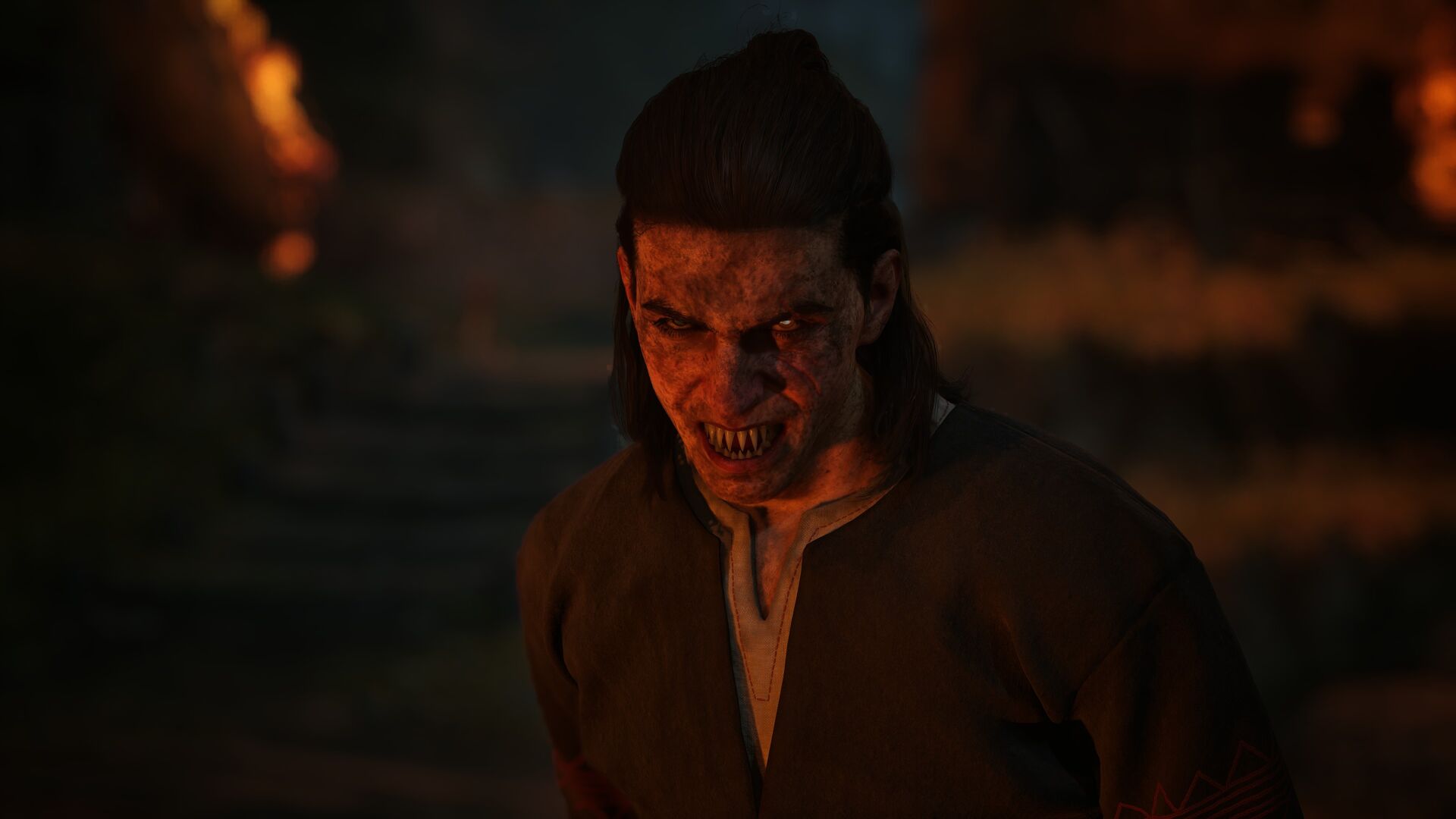
- A deliciously gothic vampire atmosphere
- An interesting day/night duality
- Directional combat that works well
- An enjoyable story and choices that matter
- Plenty of freedom in exploration
- Solid French voice acting
The bad
- An old-school open world
- A few clumsy menus
- Stiff animations
- Movement that isn't always smooth
- A slightly floaty lock-on system
- In short, generally dated tech
When former The Witcher 3 developers announced their new game, players held their breath. We can all breathe out now!

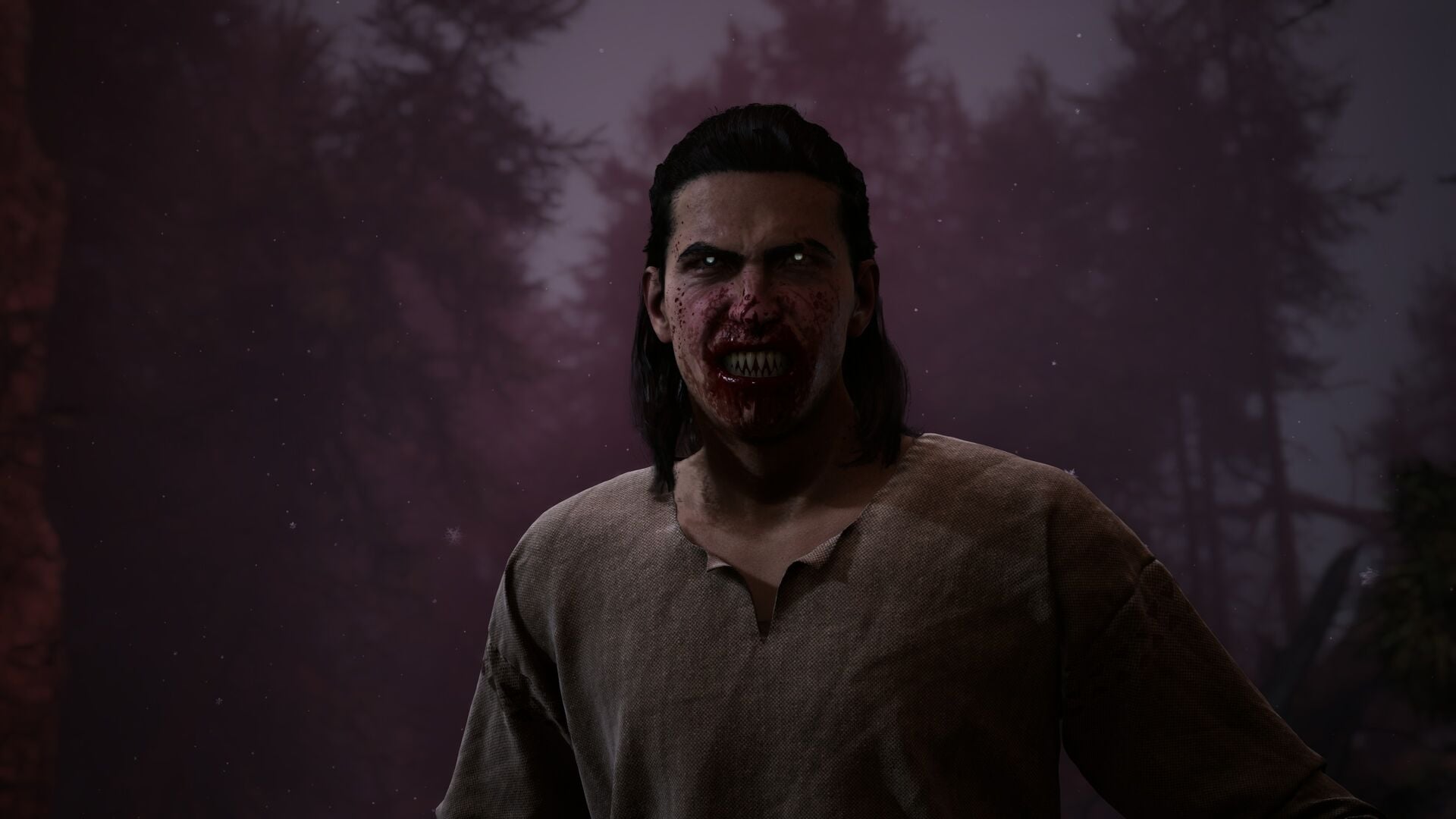
Ever since the tabletop role-playing game Vampire: The Masquerade appeared in 1991, vampires and RPGs — video games very much included — have got along rather nicely. Immortality, supernatural powers and the eternal dilemma between humanity and monstrosity make for fertile ground, breeding effective mechanics and complex storytelling alike. With The Blood of Dawnwalker, the studio Rebel Wolves now offers us its own take on the myth. And it doesn't lack for influences, as you'd expect from a studio led by Konrad Tomaszkiewicz, former director of The Witcher 3.
So let's settle this right away: yes, the two games resemble each other in plenty of ways [...] Even our new long-haired hero looks like a brunette Geralt of Rivia!
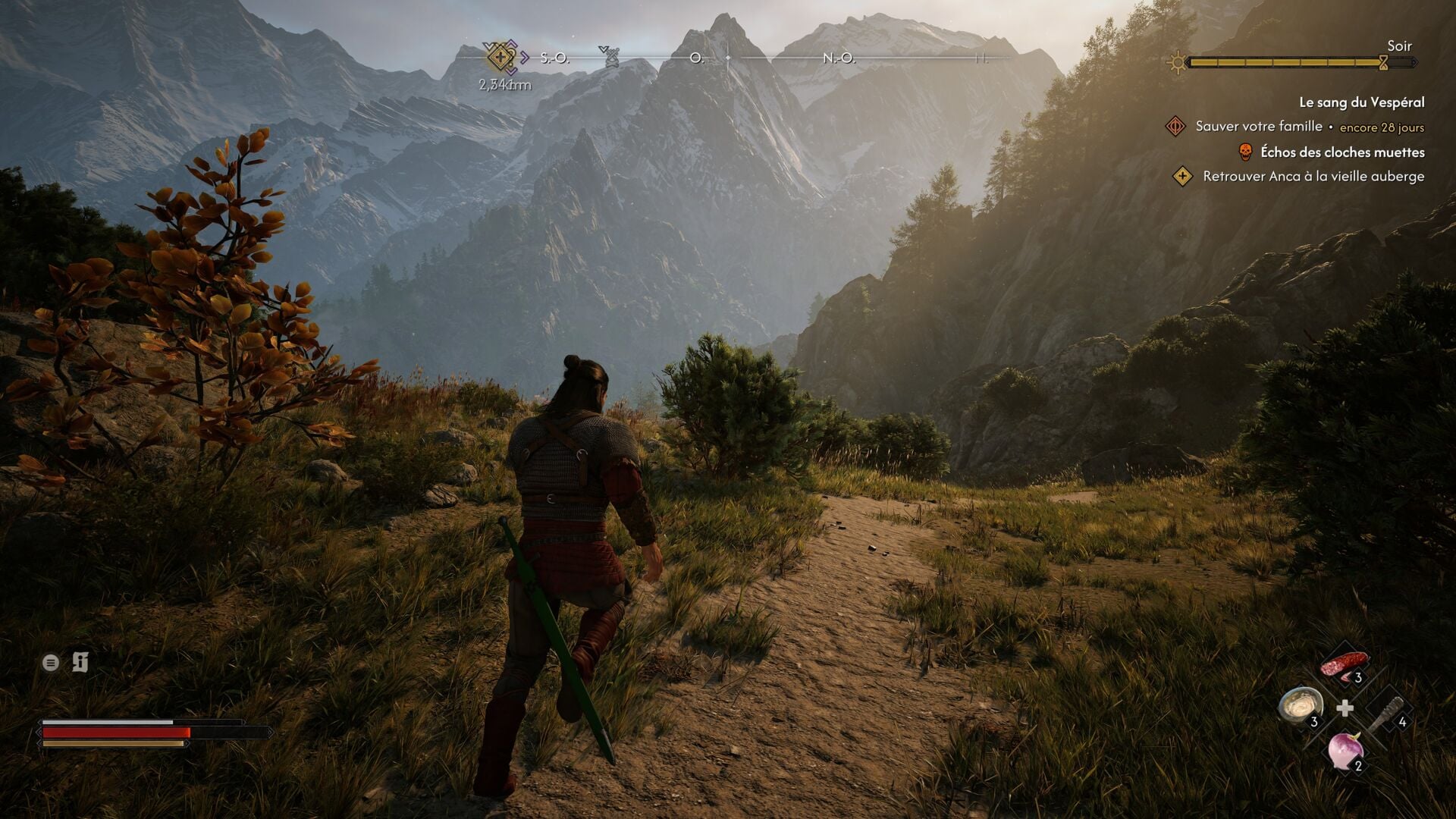
Like it or not, The Blood of Dawnwalker can't escape comparison with The Witcher 3: Wild Hunt. Both titles belong to the same open-world medieval fantasy RPG bracket and, above all, Polish studio Rebel Wolves counts some twenty former CD Projekt employees who worked on the witcher's video game saga. So let's settle this right away: yes, the two games resemble each other in plenty of ways (art direction, a world with gothic overtones, certain animations, certain menus, certain mechanics, and so on). Even our new long-haired hero looks like a brunette Geralt of Rivia! The kinship between the two productions is obvious, justified by the developers' CVs, and frankly rather flattering in the absolute. After all, a successful The Witcher 3 soundalike doesn't come along every day. The one real downside to that coin is the technical side of things, which evokes the previous generation rather than the current one. Unreal Engine 5 isn't exactly being pushed to its limits here. Some animations lack fluidity, vertical progression isn't always straightforward, scenery sometimes stops you dodging mid-fight, and the lock-on system lacks precision and consistency.
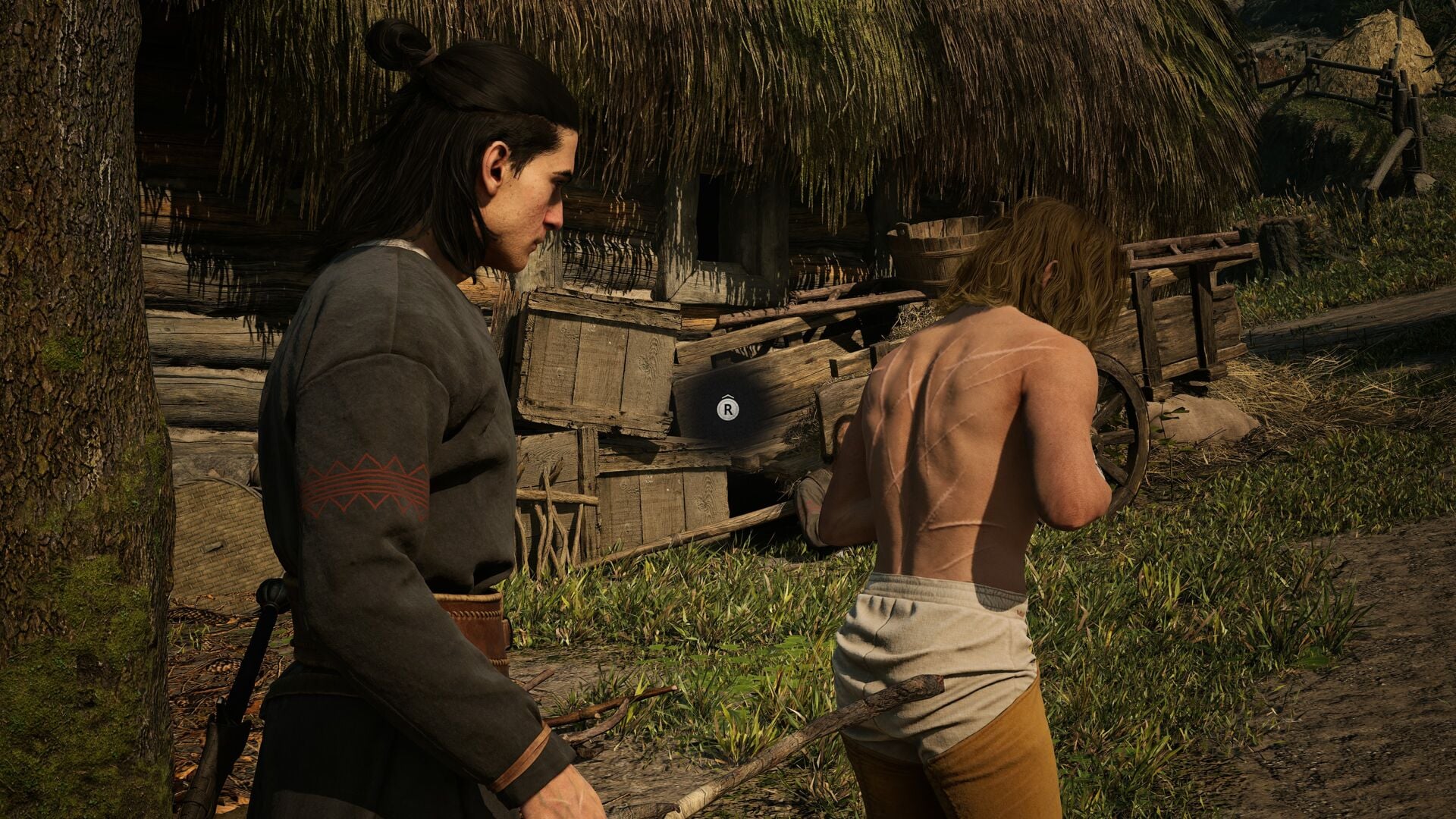
Make no mistake, though: that doesn't mean the combat deserves a kicking. It borrows from both Kingdom Come: Deliverance games and encourages you to pay attention to the direction of blows, whether you're landing your own or parrying an enemy's. The various difficulty and customisation options let you simplify or complicate that basic principle as you please, but the default mode already strikes a very good balance. Combined with the assorted magical powers and other special tricks, this directional system has enough depth never to grow stale. But beyond its qualities as an action game, The Blood of Dawnwalker is first and foremost an excellent RPG.
VRAKHIR, DID YOU SAY VRAKHIR?
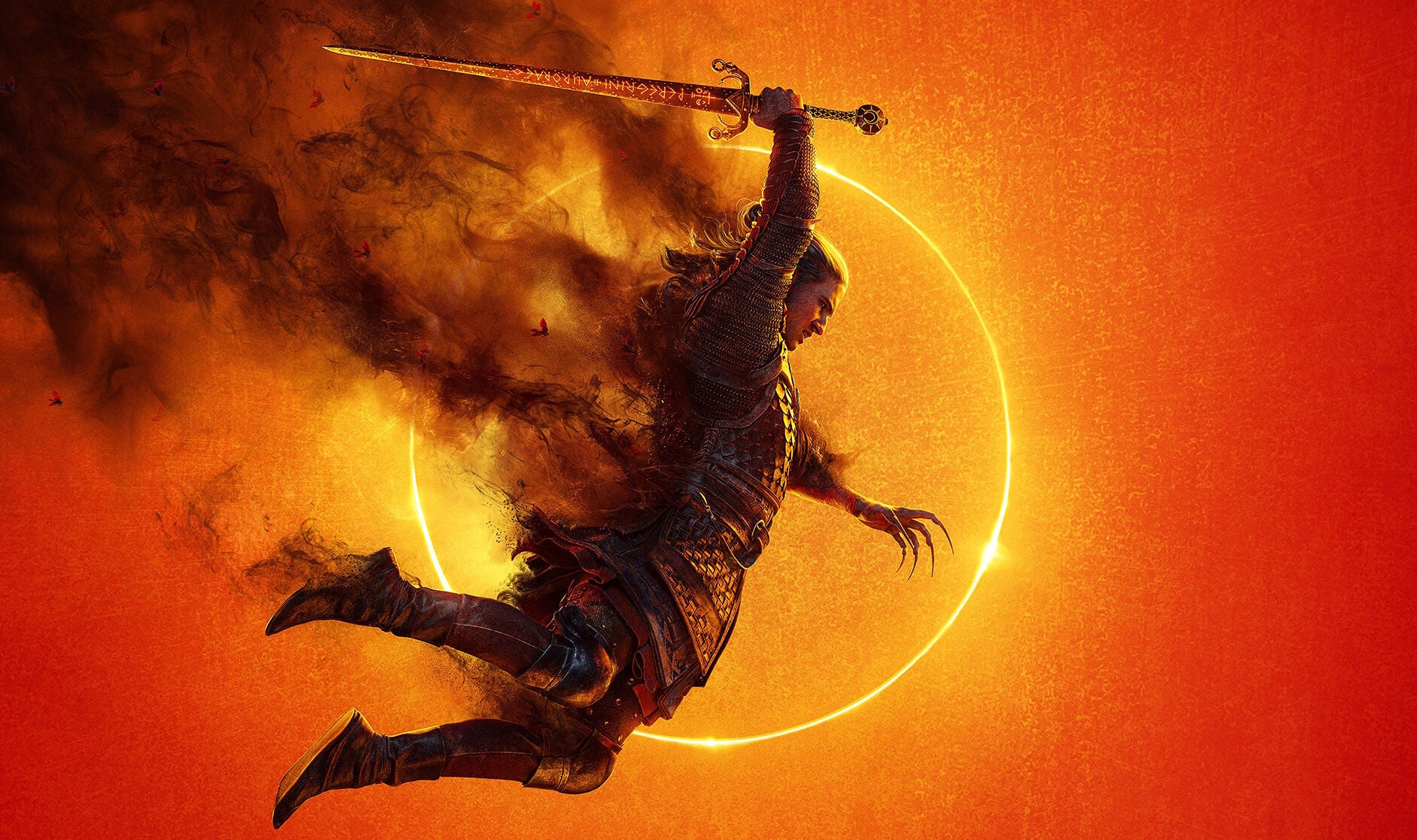
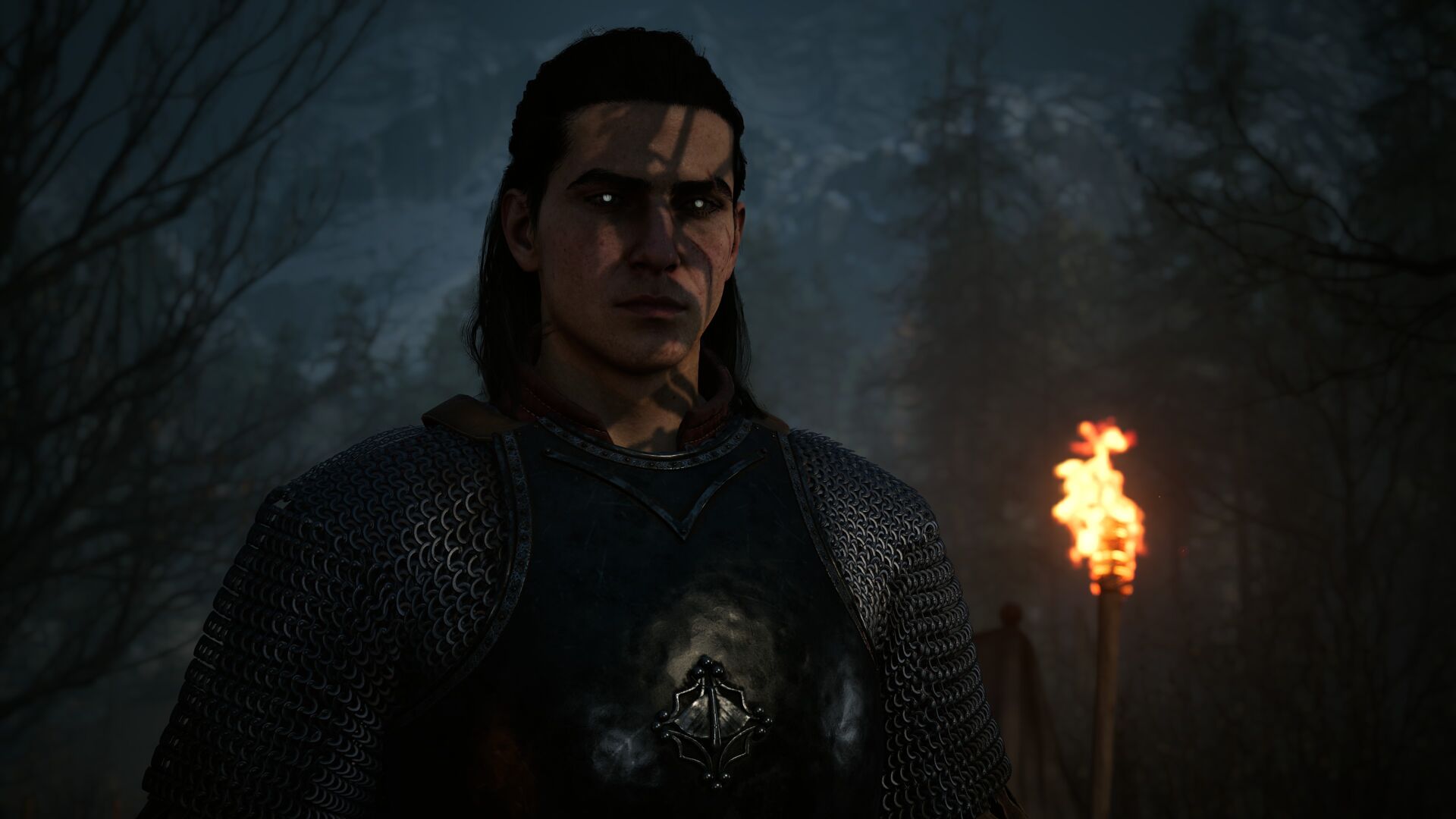
The story hurls us into 1347, into a fictional Carpathian valley, and into the shoes of Coen, a young peasant driven to resist the region's vampire lords — vrakhirs, as they're called here. While the main narrative follows a fairly classic revenge arc, the writing avoids excessive black-and-white morality. The motivations and actions of the terrifying Brencis, and his three no less monstrous lieutenants, remain understandable, even acceptable, since the regular exchange of blood between vrakhirs and humans spares the latter from succumbing to the plague, for instance. What's more, once the prologue's events are behind us, Coen no longer belongs to either camp. With his transformation into a vrakhir left incomplete, our hero becomes a dawnwalker. Human by day and vampire by night, the character you play inherits a range of powers (including the rather charming ability to talk to certain corpses). Under the sun, you can wield a sword, heal by eating, and use runic magic. Once night falls, you'll tend to favour your claws, and you'll need to drink blood to recover health.
Exploration also shifts with the day/night cycle: after dark you can turn into a wolf to move around faster, teleport short distances, and even walk on walls and ceilings. That last ability sadly lacks flexibility and fluidity, and so never quite fulfils its potential. It's a fairly forgivable weakness all the same, because the game delivers on its promise of choices and consequences. You can embrace the dark side of the force to a greater or lesser degree, dialogue regularly branches in ways that matter, and the adventure can lead to seven different endings. On top of that, the time-pressure system can cause you to miss entire narrative arcs (generally side ones, thankfully).
GIVING TIME ITS TIME
We haven't touched on this yet, but you're almost certainly aware of it already: the main quest has to be completed within 30 days and 30 nights to be fully successful. Since nobody enjoys an adventure played out under the pressure of a stopwatch, the developers were playing with fire by imposing that limit. Good news, though — the gamble pays off! Rather than ticking down continuously, which would have been needlessly stressful, time here should be thought of as a resource to be spent strategically. Each day is split into eight distinct time segments, and the same goes for each night. Moving around the open world costs no time units whatsoever, fast travel included. Freedom of exploration therefore remains entirely intact. Certain quests, certain activities, certain dialogue options and even most of the upgrades across the three talent trees (general, magic, vampirism), on the other hand, may well cost you time. Since the number of segments to be deducted is always clearly flagged up in advance, you can paradoxically take all the time you like before committing to any such option. The player is never caught out, never put under pressure, and always able to make informed — and therefore strategic — decisions about time.
Relatively original and definitely welcome, this mechanic isn't quite enough on its own to elevate the open world on offer here. Very Ubisoft at heart, it leans on towers that reveal a host of points of interest on the map, on side activities that can get repetitive, and on an infamy system that rises in line with your actions. The progression, structured around one main clan leader and three lieutenants to take down, is particularly reminiscent of Far Cry 5. It's effective and far from unpleasant but, from The Legend of Zelda: Breath of the Wild to Crimson Desert by way of Red Dead Redemption 2, other open worlds have brilliantly demonstrated that it's possible to break free of that classic recipe. The Blood of Dawnwalker doesn't yet stand among the very greatest, then, but for a new studio's first title, it's already a genuine success.