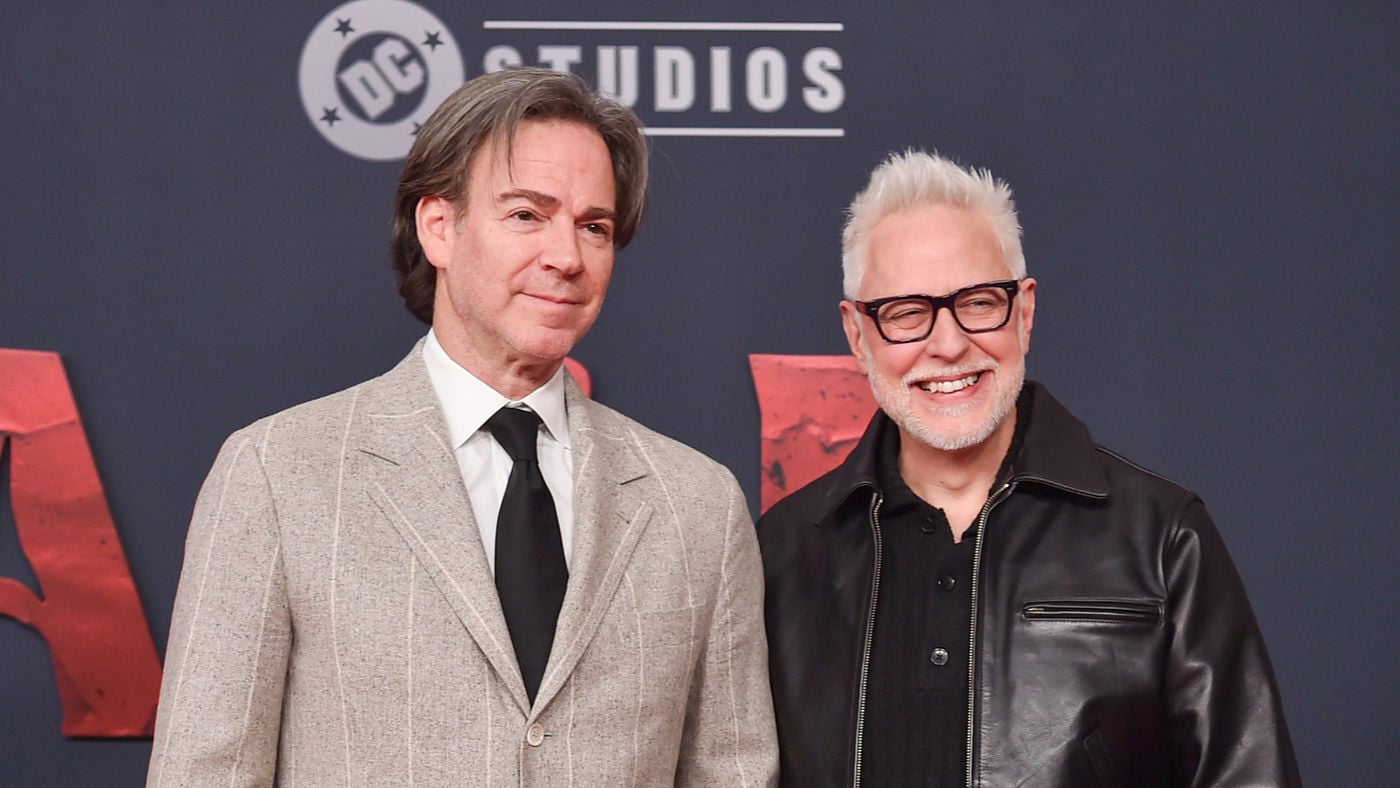
A bolt from the blue at DC Studios on Monday 9 November 2026. Four years after being appointed to head up Warner Bros' superhero division, James Gunn and Peter Safran will step down as co-CEOs with effect from 1 December 2026. Skydance has picked Jeremy Latcham as their successor, a former Marvel Studios executive and close collaborator of Kevin Feige. It's an unexpected decision, given that the pair appeared to have retained David Ellison's confidence following the takeover of Warner Bros. Discovery. Except that the results were far from conclusive, with some questionable calls along the way. Here's the post-mortem on a DC Universe reboot that seemed doomed from the off...
An unexpected exit
Ever since they took charge of DC Studios in 2022, James Gunn and Peter Safran had been tasked with putting the house in order where DC adaptations were concerned and building a new, coherent universe capable of going toe to toe with Marvel's. Their spell at the helm produced three films — Superman, Supergirl and Clayface — plus several series including The Penguin, Peacemaker and Lanterns. The duo had also unveiled an ambitious road map intended to bed in this new vision of DC on screens big and small, but the top brass weren't sold. Because it has to be said, the pair's record remains decidedly patchy. After the (more or less) successful launch of Superman in 2025, the studio took a serious hit with Supergirl, which disappointed at the box office and with critics alike. More recently, Clayface enjoyed a far warmer critical reception and turned a profit, but the character's future within the DC universe looked shaky at best. A rollercoaster run, then — though that alone doesn't explain the decision to change the guard.
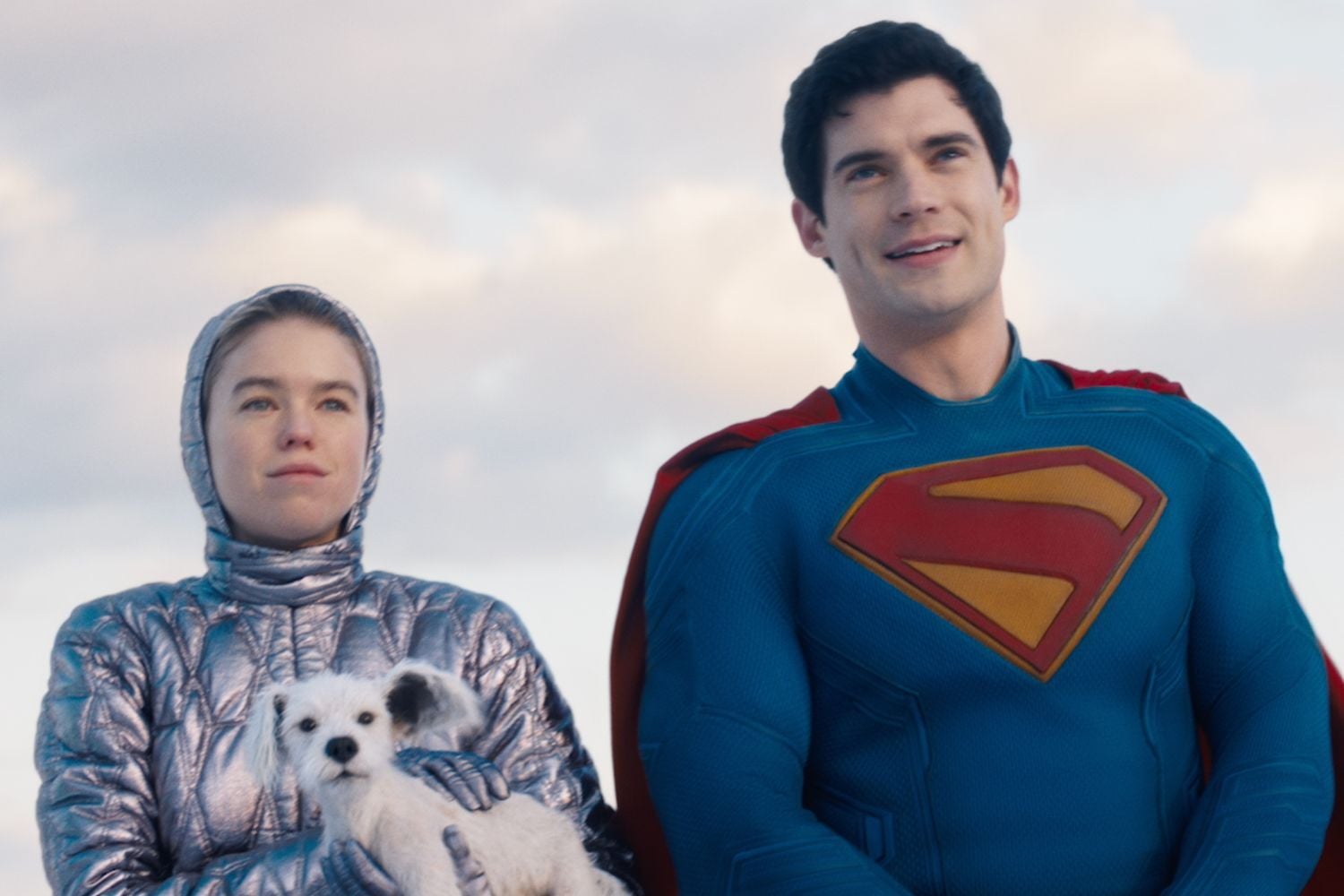
Because until these past few days, there was little to suggest a departure was imminent. David Ellison had even visited the set of Man of Tomorrow, the Superman sequel currently in post-production and due in 2027. James Gunn had also told The Hollywood Reporter last month that the Skydance boss was kept regularly updated on their projects and that he trusted them. The two executives had in fact recently laid out their long-term vision for DC to him. To take over, Skydance has turned to Jeremy Latcham, a name that will hardly be unfamiliar to Marvel fans, since he joined Marvel Studios back in 2004 as one of the outfit's first employees. He then worked his way up to senior vice-president of production and development, becoming one of Kevin Feige's closest lieutenants. His CV takes in films as significant as Iron Man, Iron Man 2, Avengers, Avengers: Age of Ultron and Spider-Man: Homecoming. He also worked with James Gunn on Guardians of the Galaxy in 2014, the film that truly pushed the director into the Hollywood spotlight.
Another Marvel alumnus takes the reins
Jeremy Latcham will now be responsible for overseeing all DC productions across film, television and animation. He'll steer creative decisions as well as production, talent relations (read: the actors) and the studio's overall strategy. He will report directly to Dana Goldberg and Josh Greenstein, the two co-chairs of Skydance Motion Picture Group. That's a different set-up to the one in place under James Gunn and Peter Safran, who reported directly to Warner Bros. Discovery's leadership, and then to David Ellison after the Skydance merger. In a statement, Jeremy Latcham said he appreciated the weight of this new responsibility and wanted to keep DC's characters alive for long-standing fans while introducing them to a new generation. James Gunn and Peter Safran, for their part, welcomed the arrival of a colleague with whom they share a long professional history, while saying they were eager to return to the filmmaking work that had led them to DC Studios in the first place.
This abrupt change inevitably opens a period of uncertainty over the franchise's future. Will the plans drawn up by Gunn and Safran be kept intact? Will Jeremy Latcham choose to continue the artistic direction set out since Superman, or overhaul certain projects from the ground up? Either way, the departure of James Gunn and Peter Safran is going to shake up the new DC universe, just as it was finally starting to take shape.
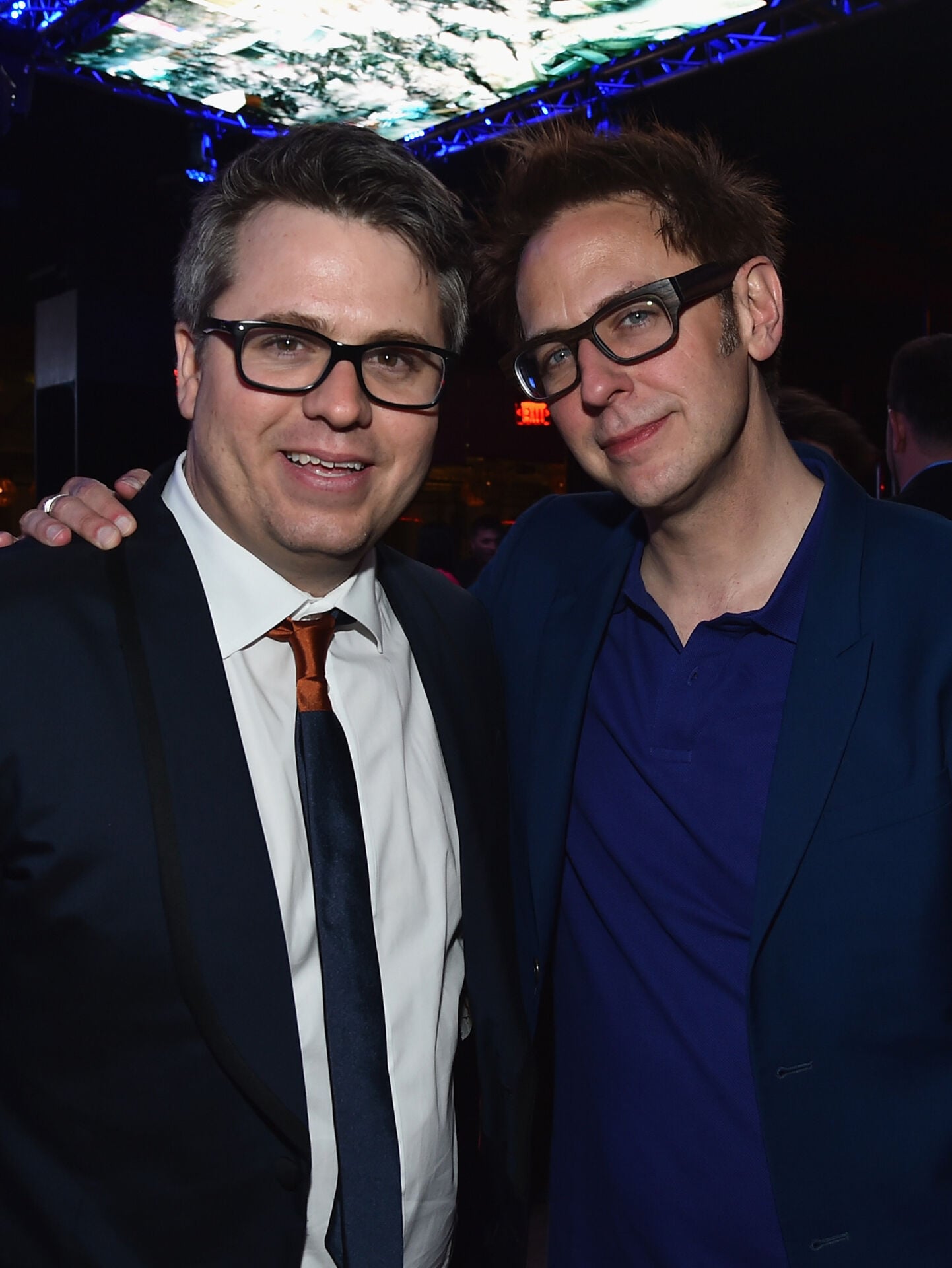
A mixed record for James Gunn
But beyond the results, it may be that James Gunn's whole pitch never really landed. On paper, his arrival looked reassuring enough. Having revived the Guardians of the Galaxy franchise over at Marvel, the director seemed the ideal man to give DC a clear sense of direction after several turbulent years at the cinema. Except that transplanting his formula into the world of Superman, Batman and co was never a given. And four years on from his appointment, it's hard to escape the conclusion that Gunn's DC Studios never truly found its audience, nor managed to establish an identity strong enough to make anyone forget the previous incarnations.
Superman is a neat summary of the problem. The film did get the machine moving again and put the character back at the heart of the DC universe, but what it offered also split opinion. James Gunn chose to break sharply with Zack Snyder's approach, going for a lighter, more colourful and cheerfully offbeat tone, with a Superman surrounded by a gallery of sometimes very minor characters. It's a stance that matches the film-maker's sensibility, but it also left part of the audience feeling that DC was trying to rerun Marvel's recipes rather than assert a personality of its own. The problem wasn't simply offering a different Superman, it was making people understand why this new vision deserved to take the place of the one before it.
What followed hardly helped. Supergirl was a resounding commercial flop, to the point of undermining the new DCU's ambitions very early on. The film was meant to help bed in a new generation of heroes, but its reception showed that audiences weren't necessarily ready to follow every new offshoot of this universe blindly. As for Clayface, despite solid reviews and a project that seems to have won people over artistically, the choice of character raises another question. The man of clay is a familiar figure to comics readers and Batman fans, but he doesn't have the mainstream pull of a Superman or a Joker. Banking on him to carry a film of that scale was a risky bet, then, even when the result lives up to it.

Has James Gunn lost DC's identity?
This is also where James Gunn's choices are open to debate. In trying so hard to inject into DC the energy and humour that made Guardians of the Galaxy such a hit, the director sometimes gave the impression of applying a Marvel formula to characters who weren't necessarily built to work that way. The ever-present gags, the shifts in tone and the room given over to supporting characters ended up blurring what made this universe distinctive. And yet DC had a real chance to offer an alternative to Marvel, with a different visual and narrative identity. In seeking to make its heroes more approachable and more light-hearted, James Gunn also ran the risk of sanding away some of what made them special. That said, you also have to appreciate how hard a job the succession was. Zack Snyder had left a considerable mark on the DC universe, with a highly identifiable vision, divisive at times, but one that had rallied a particularly invested community of fans. Taking the reins after him meant working with that legacy without being held hostage by his choices or appearing to sweep them aside. James Gunn opted for a clean break, but replacing a vision that pronounced isn't just a matter of changing tone or starting from scratch. He had to win over the old audience while drawing in a new one. So far, the gamble hasn't really paid off.
And while the films to come could still shift public perception, Gunn and Safran's departure comes at a moment when their new universe is still struggling to show it can establish itself for the long haul.