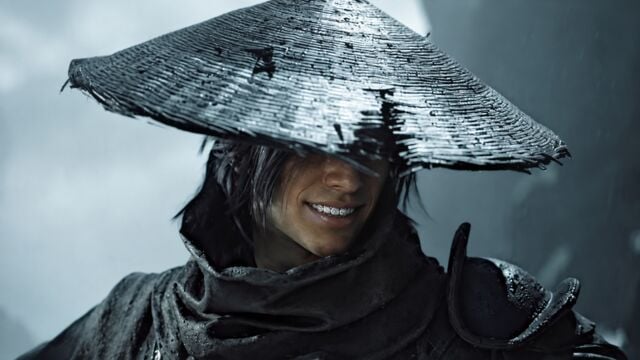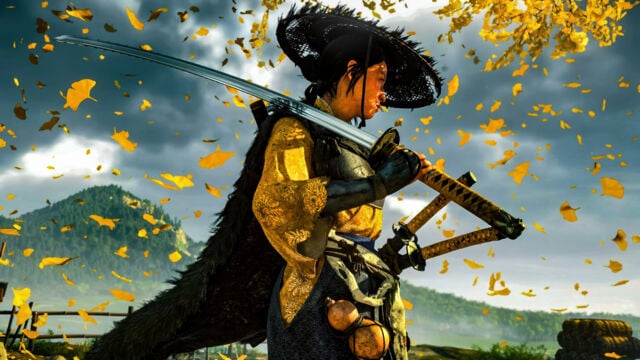

China has shown that a country long associated with outsourcing can end up putting its own games on the international stage. With Black Myth Wukong, Wuchang Fallen Feathers, Where Winds Meet and, more recently, Phantom Blade Zero, Chinese studios have proved it's possible to draw on a strong cultural heritage to craft ambitious productions capable of going toe to toe with the big Western franchises. It's a trajectory that is now inspiring other Asian markets, Malaysia among them, a country determined to take its games industry up a level. Until now, it has mostly been known for its outsourcing expertise and its contributions to international productions. But the authorities now want to give local studios the means to create their own games, retain control of their IP and reach a global audience. It's one of the priorities of MDEC, the agency tasked with developing Malaysia's digital economy.
Malaysia does indeed have big ambitions for its games industry. For several years now, the country has played host to international studios and contributed to the development of foreign productions thanks to its co-development expertise. But the authorities now want to take a further step, by giving local companies the means to create their own games and keep ownership of their IP. It's one of the priorities of MDEC, the government body that supports the growth of the country's digital economy.
Through LEVEL UP KL (held in Kuala Lumpur from 14 to 17 October 2026), its funding programmes and its initiatives aimed at independent studios, Malaysia is looking to bring through a new generation of developers with the global market in their sights. We sat down with Amir Azlan Sapuan to find out how that strategy is taking shape, what obstacles remain and how the country intends to draw on its cultural heritage to stand out.
LEVEL UP KL: a window onto Malaysia
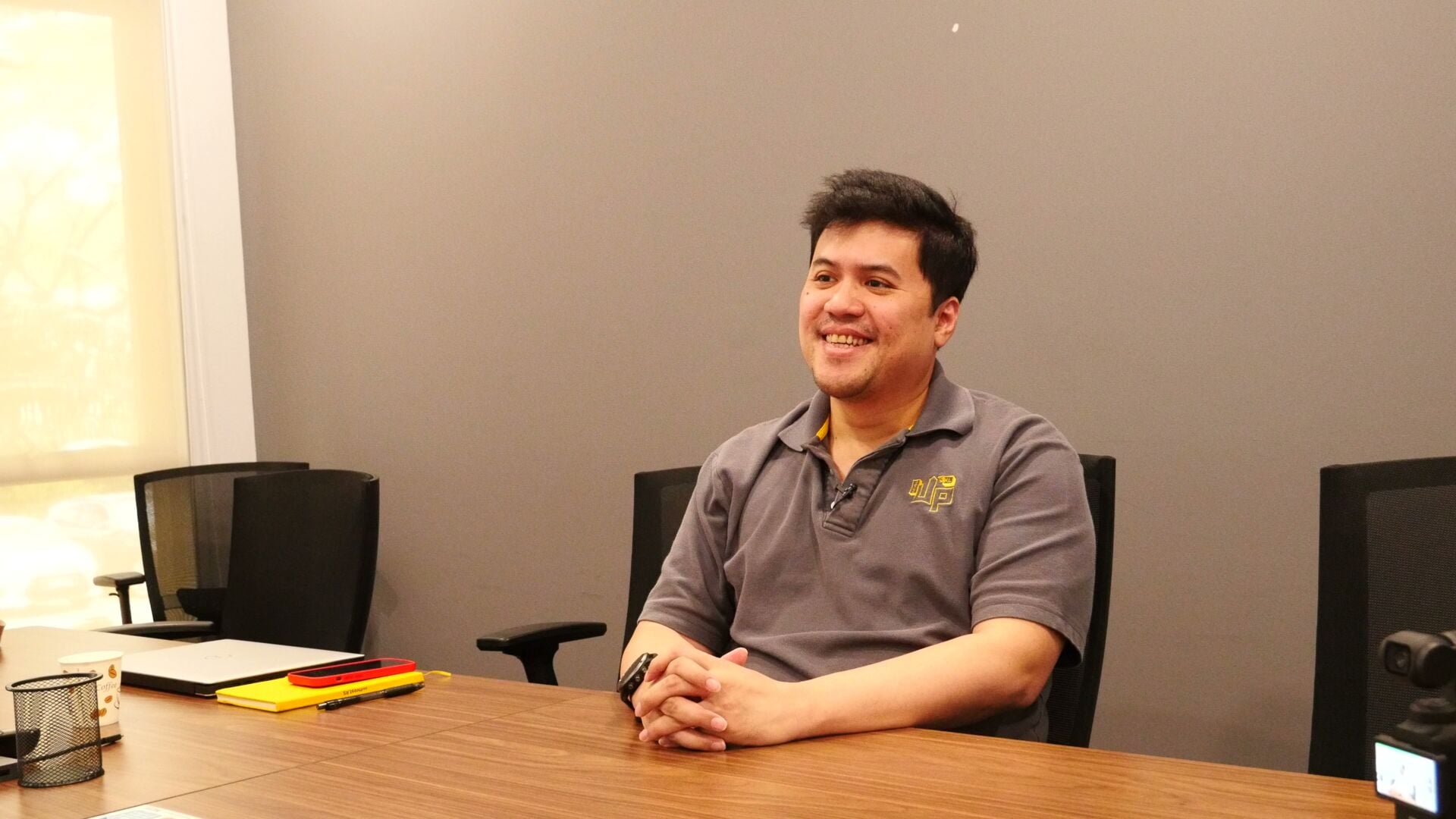
Maxime Chao, screenactu: To start with, could you introduce yourself and explain your role at MDEC?
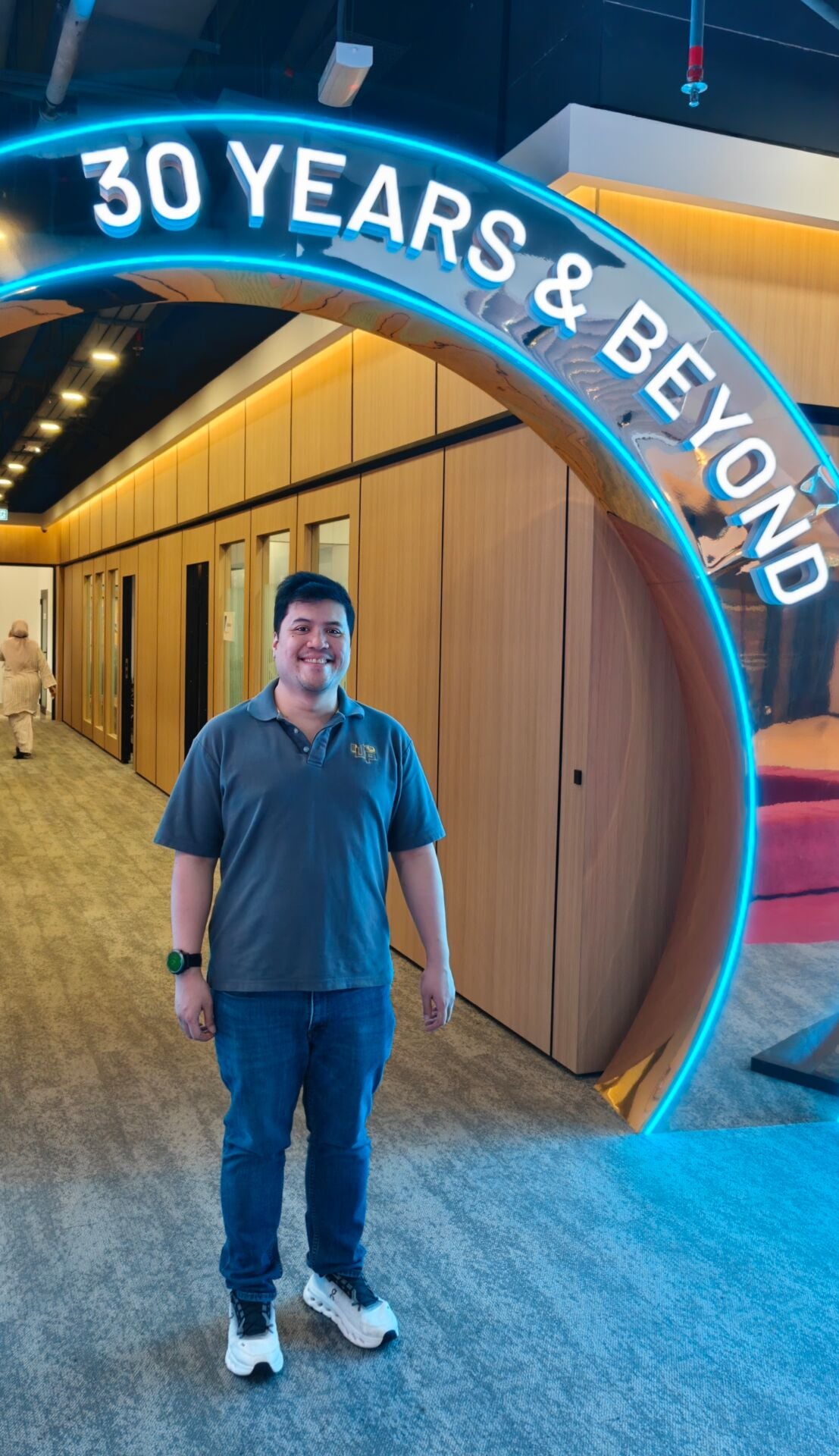
Amir Azlan Sapuan, MDEC: I work at the Malaysia Digital Economy Corporation, or MDEC. We're an agency under the Ministry of Digital, and our remit is to support the growth of Malaysia's digital economy. We're active across several sectors, including digital content, video games, animation and creative technologies, along with emerging fields such as extended reality. As for me, I head up the Games / Interactive Media department. So I work directly on developing the Malaysian video game industry. Our priority is to help local studios grow and create their own IPs. That happens through incubation programmes, support schemes for independent studios and financial assistance. We also help Malaysian companies access international markets, supporting them at trade shows and industry events such as the Tokyo Game Show. LEVEL UP KL is part of that same approach. We want to bring together industry players from all over the world and give Malaysian developers the chance to meet publishers, investors and partners who can help move their projects forward.
Maxime Chao: LEVEL UP KL brings together developers, publishers and investors. How do you make sure those meetings lead to concrete collaborations once the show is over?
Amir Azlan Sapuan: LEVEL UP KL has been running for more than ten years. Originally, we'd noticed there was no event where Malaysian developers could get together, talk to international professionals and get a better grasp of how the industry was changing. Over the years, it has become a genuine business platform. Companies can discover what South-East Asia has to offer, set up meetings and discuss potential collaborations. We don't limit ourselves to the meetings that take place during the event. We also follow up with companies to identify business opportunities and projects worth pursuing further. Depending on what's needed, we can arrange further discussions with the relevant partners, whether that's around a development project, an investment or an international collaboration. We also run talks on industry trends, technical issues, production, business models and independent studios. The idea is to make LEVEL UP KL a genuinely useful event for the whole ecosystem, and not just a place where people come to swap business cards.
Maxime Chao: When people talk about the Malaysian video game industry, the general public rarely thinks of original game creation. And yet the country has been contributing to international productions for a long time. How has that industry evolved?
Amir Azlan Sapuan: You have to go back to the 2000s, when the local industry started to take shape. A few companies played an important role in those early years, even if several of them eventually shut down. At the same time, talent began coming out of Malaysian universities. Some of those graduates went on to set up their own studios. That generation gradually built up experience in game development and helped put Malaysian skills on the international map. Today, Malaysia has recognised expertise across several areas of development. We have studios working on international productions and mastering important aspects of game creation. But we have also come to understand that we need to go further if our industry is to last. Taking part in productions developed elsewhere isn't enough. We need to give local studios the means to create their own IP, to develop it over several years and to make it known around the world. We're starting to see encouraging results. Malaysian studios are developing their own games and looking to win over an international audience. That's an important shift for the future of the sector.
Maxime Chao: You've mentioned several funding programmes. Can you explain how they work? How do you distinguish between supporting a small independent studio and backing a project aimed at an international market?
Amir Azlan Sapuan: We have several schemes matching different stages of a game's development. The first is aimed at studios just starting out that need to develop their project. It supports the upstream work, from the earliest design stages through to the prototype. The idea is to give them the means to turn an idea into a project advanced enough to carry on with development. We then have a scheme for companies that already own an intellectual property and want to scale it up. In that case, the funding can take the form of support matching the investment already put into the project. This programme can go up to 2 million Malaysian ringgit for an eligible company. Finally, we offer support dedicated to marketing and market access. A studio can have a quality game, but that's no guarantee it will reach its audience. You also need to be able to present it in the right conditions, attend international events and prepare for release. So we can support companies in their activities abroad, their presence at trade shows or certain localisation needs. Those costs can be a significant obstacle for independent studios. The aim is to step in at the right moment, depending on the maturity of the project and the company's needs. We want to help studios clear the hurdles standing between them and a genuine commercial release.
Maxime Chao: Is the 2 million ringgit funding available to every studio wanting to develop its IP?
Amir Azlan Sapuan: There are eligibility criteria and conditions to meet. The amount depends on the programme concerned and the project submitted. For the scheme aimed at existing IP, the ceiling can reach 2 million ringgit per company. We also have to take our budget envelope into account, and the number of projects we're able to support. We try to allocate resources in a way that backs companies with real growth potential.
Maxime Chao: Malaysia has set out a bold ambition with its AI Nation 2030 project. In concrete terms, what do you want to achieve in the games sector by the end of the decade? Are you looking to attract more international productions, or to bring through Malaysian IP capable of making its mark abroad?
Amir Azlan Sapuan: The government's ambition is to make Malaysia a leading nation in artificial intelligence by 2030. For our industry, we have to translate that vision into concrete results. In games, our priority is to grow Malaysia's contribution to value creation. We want local studios to be able to design original games, produce quality content and develop intellectual property that belongs to them. That doesn't mean we want to walk away from international collaborations. They remain important to our industry. But we want Malaysian companies to be able to move further up the production chain, take on more responsibility and draw greater value from their work. Ultimately, we want to see more games made in Malaysia find their audience abroad, generate revenue on international markets and raise the profile of our industry. Getting there takes ambitious productions, strong IP and companies able to grow over the long term. That's what we're trying to encourage through our programmes.
Can AI help Malaysian studios?
Maxime Chao: Generative artificial intelligence is currently upending production methods in games. In some entertainment industries, its use seems increasingly accepted. In games, the debate is still heated, especially where artistic creation is concerned. What's your position?
Amir Azlan Sapuan: I think the gaming community still feels very strongly that original intellectual property should be created by human beings. So we have to think carefully about how we use artificial intelligence. If it helps improve certain production processes, saves time or makes development more efficient, then we can absolutely consider using it for that. On the other hand, we need to be careful not to confuse using these tools to support production with handing them the creation of an original intellectual property. For us, the question is how this technology can help studios without losing sight of the value of human creative work. We want developers to be able to take advantage of new technologies while preserving their ability to imagine and create original games.

Maxime Chao: For a Malaysian studio hoping to create the next big international hit, what is the main obstacle today? Is it funding, market access or a lack of experience?
Amir Azlan Sapuan: Funding remains a major challenge. Developing an original intellectual property is a risky business. It takes a great deal of time and resources, and there is no guarantee that a first game, or even a second, will find the success you hoped for. A studio may eventually hit on the right formula after several years of work, but it still needs the means to survive until then. That is precisely why we set up programmes such as the Digital Games Funding. We want to help studios that already own an IP and are ready to bring it to market, so they can take a further step and reach international audiences. But money doesn't solve everything. We also need to strengthen the skills available in our industry. Malaysia has plenty of creative talent. That said, we still need to make progress in certain specialist areas, such as programming, game design, production and the direction of complex projects. You need professionals capable of coordinating all those skills and taking a production through to launch. So we are looking to identify what studios need and to put in place training courses, workshops or masterclasses to fill those gaps.
Maxime Chao: Does that also mean recruiting experienced professionals from abroad, who can pass their expertise on to local teams?
Amir Azlan Sapuan: Yes. Companies with Malaysia Digital status have options for recruiting foreign workers according to their needs and the applicable conditions. We also want to help studios identify the experienced profiles they need. If a company wants to bring in a specialist or a senior executive to strengthen its teams, we can look at how to facilitate those exchanges and organise training around that person's skills. The idea is to allow companies to grow while gradually strengthening the skills available in Malaysia. Transferring expertise is essential if we want to see studios emerge that can handle increasingly ambitious productions.
Maxime Chao: Let's talk about the local market. What kinds of games do Malaysians prefer? Does mobile still dominate, or are you seeing growing interest in PC and console games?
Amir Azlan Sapuan: Mobile still holds a very important place in Malaysia. It is an accessible platform and players can easily find time for it. Mobile games, including casual titles, therefore reach a very broad audience. That doesn't mean the PC market is any less interesting. The PC community is also very active in Malaysia. In the big cities, you find plenty of people playing on computer and on console. So we have a diverse market, with different habits depending on the player and the platform. For local studios, that diversity is an opportunity. They can develop projects suited to their own audience, while targeting other markets when they want to broaden their reach.
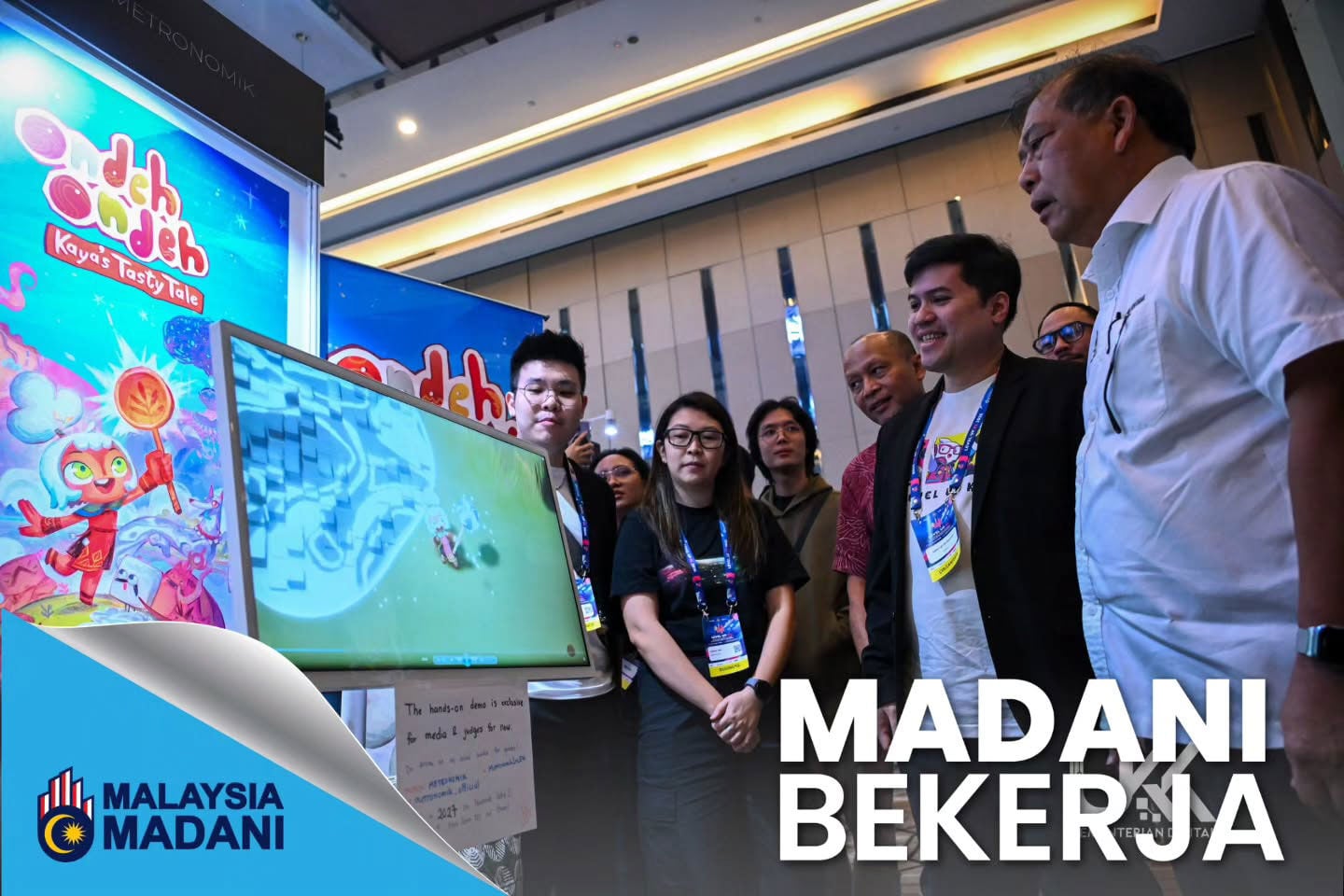
Maxime Chao: Which Malaysian studios make you particularly proud today? Are there teams you would like to see take the next step internationally?
Amir Azlan Sapuan: If we're talking about co-development, Malaysia has several highly experienced studios that are recognised by industry professionals and contribute to international productions. When it comes to original games, Metronomik is an interesting example. The studio managed to get its work noticed with No Straight Roads. It matters to see Malaysian teams developing projects of their own and presenting them to an international audience. What interests me particularly is the prospect of these studios drawing more on Malaysia's culture and heritage in their creations.
Maxime Chao: That's exactly the interesting point. When you look at the Chinese games that have found international success, you notice that some of them lean heavily on their country's culture and history. Malaysia also has a rich heritage. Is that an avenue studios should be exploring further?
Amir Azlan Sapuan: Absolutely. I think our culture and our heritage are still underused in games. We have a cultural identity that can feed original worlds and give studios a genuine distinctiveness. There are plenty of opportunities to tell stories drawn from Malaysia, its traditions and its heritage. Developers can build on those elements to create experiences that look like them. It can also help them stand out on the international market. It isn't simply a matter of adding cultural references to a game. They have to be woven naturally into its world, its story and its art direction. I think we still have a great deal to explore in that area. Malaysian studios have significant potential, and we want to encourage them to develop it.
Maxime Chao: To finish, I've heard that you're a gamer yourself. What are your earliest gaming memories?
Amir Azlan Sapuan: I was lucky enough to start playing very young. My first console was a Game Boy, which I got at around six or seven. I played Tetris and Super Mario Land. I also have a lot of memories tied to the computer games I was discovering at the time.
Maxime Chao: And today, which genres do you prefer?
Amir Azlan Sapuan: I'm very fond of action games, platformers and real-time strategy games. Super Mario is one of the series I enjoy, and I also like games such as StarCraft. I've played FPSs too, like Doom and Serious Sam. I like discovering different kinds of experiences, but those genres remain among my favourites.
Maxime Chao: Thank you very much for your time and for your answers.
Amir Azlan Sapuan: Thank you.
Interview conducted on 19 October 2026