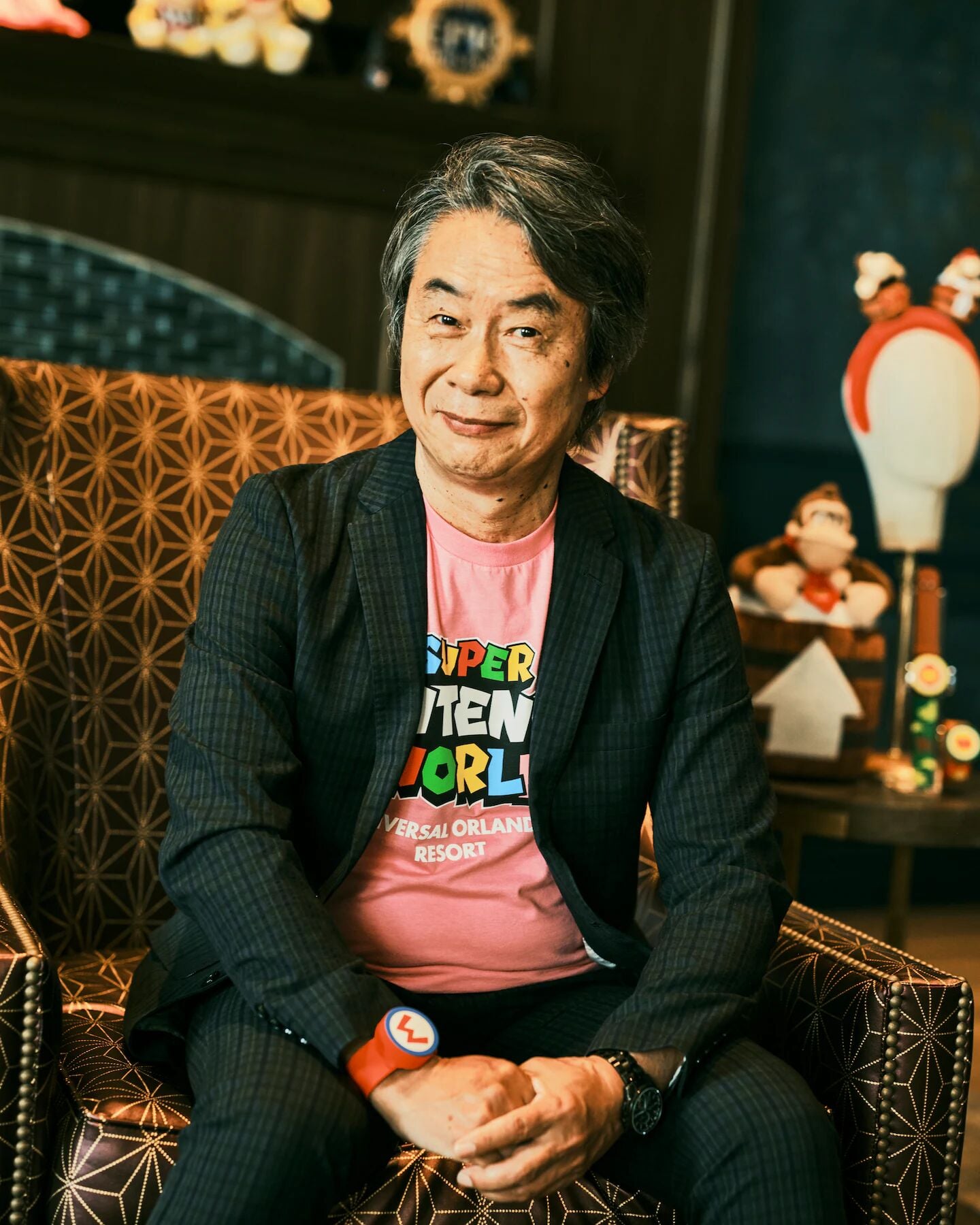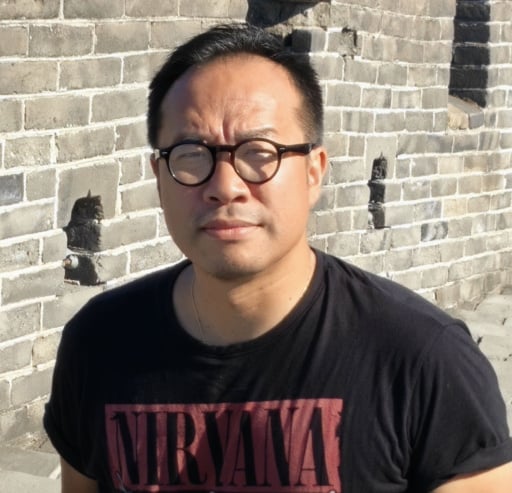
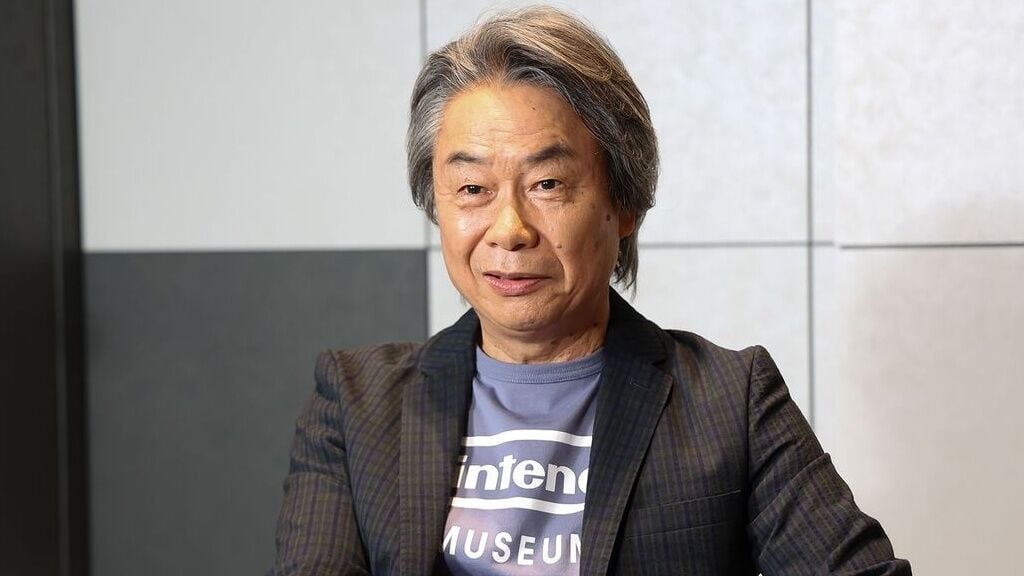
On 22 October 2026, at Nintendo's headquarters in Kyoto, Shigeru Miyamoto appeared before the press after learning that he was to receive the Order of Culture, one of Japan's highest honours, awarded to figures who have contributed to the country's cultural standing. The creator of Super Mario and The Legend of Zelda will be the first representative of the video game industry to receive the distinction, which is due to be presented on 3 November by the Emperor of Japan. During the press conference, journalists asked him about his view of video games as a cultural form, and also about the role generative artificial intelligence might come to play in creative work. Shigeru Miyamoto took the opportunity to explain why, in his opinion, advances in AI do not make human creators obsolete. Quite the opposite: the shift could force us to think harder about what actually gives a work its value.

Talent isn't just knowing how to use the tools
Listen closely to what he says and one thing becomes clear: Shigeru Miyamoto has no intention of panicking over artificial intelligence, and even reckons the rise of generative AI could help us better understand what makes a creation worthwhile. For Nintendo's creative genius, the real question isn't whether an AI will be able to build a game or churn out images. It's about understanding what separates making something from genuinely having an idea, with an artistic intent of its own.
To illustrate his point, Shigeru Miyamoto looked back at the changes he has lived through over his career. Back in the day, designers would learn to hand-letter text for posters, for instance. That skill alone could be enough to make someone a design professional. It was also possible to pick up a graphic trend from abroad, adapt it to Japanese tastes and present it as an original creation. Then computers and software moved on. It became far easier to pull in text, drop in illustrations or work on typography. Purely technical skills gradually lost their importance, leaving more room for a designer's personal eye and their ability to put a composition together. Shigeru Miyamoto even recalls that a man might be recognised as a designer while his wife, who looked after the home, perhaps had the better sense of design. Tools change, the required skills evolve, and talents that once went unnoticed can finally find expression. That's the parallel Mario's creator draws with generative AI.
What makes a good piece of work?
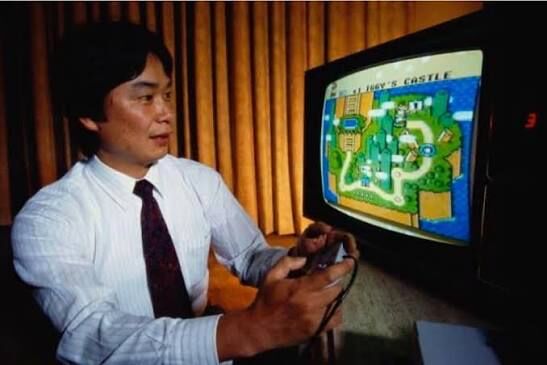
At Nintendo, Miyamoto-san explains, having an idea is one thing, but you then have to manage to make it real. The way he sees it, you first need to know where you want to go, then get down to work to bring the idea to life, filling in the gaps and tweaking the details as you go. And that's also what makes this stage interesting, because you watch the project gradually take shape. You put time into it, you develop it and, inevitably, you feel a certain satisfaction when you see the result. That's precisely where Miyamoto sees a risk, because the more you pour yourself into the making, the easier it is to mistake the effort expended for the quality of the result. Having spent hours working on a project doesn't necessarily mean you've created something good.
The arrival of AI could be exactly what forces us to step back. If the technology gradually takes on part of the execution work, creators will have all the more reason to ask themselves what they actually want to express. For Nintendo's father figure, that's a positive development, provided we don't lose sight of what gives creative work its meaning. He also points out that design has always produced work made by simply copying existing elements. But in his view, that sort of thing rarely stands the test of time. What lasts is the intent behind a work, the eye of the person who imagined it and the way they chose to put it together.
Nintendo isn't closing the door on AI
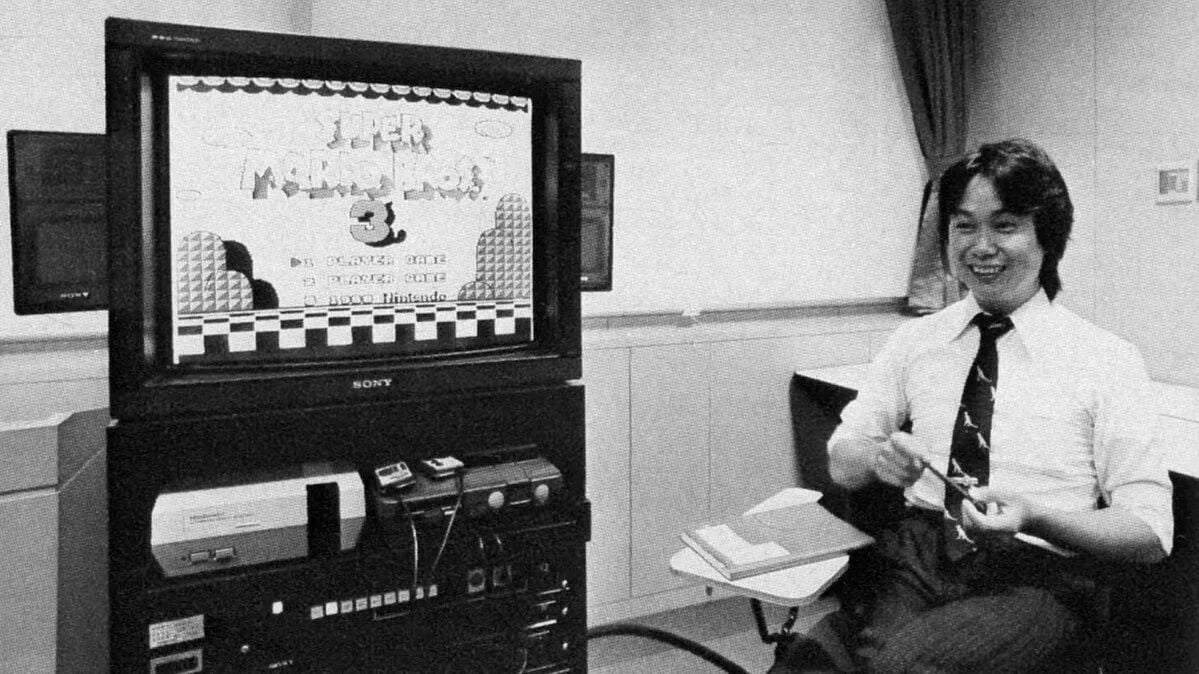
Shigeru Miyamoto admits he doesn't know how far AI will be able to go. Perhaps one day it will even be capable of doing the entire creative job. But that doesn't mean human creators will no longer have a place. For him, what matters most is knowing what you want to create and having a genuine vision. Tools can help bring ideas to life, but you still need something to say and a sense of which direction to head in. For now, Nintendo has yet to confirm that it uses generative AI to develop its games. Shuntaro Furukawa, the company's president, has already acknowledged that the technology could open up new creative possibilities, but he has also raised questions around respect for intellectual property. For his part, Doug Bowser, the former head of Nintendo of America, had explained that the subject was being discussed internally.
In short, for Nintendo and Shigeru Miyamoto, AI isn't necessarily something to be rejected out of hand, but nor should it become an end in itself. What matters most is having an idea, a genuine desire to create something, rather than churning out content just for the sake of it. And as the tools become easier to use, that distinction is likely to matter more and more.