
While the Western games industry is going through a particularly rough patch, marked by waves of layoffs, studio closures and cancelled projects, new players are gaining ground in Asia. China has already proven it can go toe to toe with the biggest international publishers by building its own franchises, from Black Myth Wukong to Genshin Impact, by way of Phantom Blade Zero and Where Winds Meet — and it's no longer the only country looking to shake things up. In South East Asia, several markets are now angling for a place at the table, with studios growing in experience and governments willing to invest in their creative industries. It's against this backdrop that Malaysia intends to step up its development in the sector, as Level Up KL 2026 made clear, held on 14, 15 and 16 October in Kuala Lumpur. The event, run by the Malaysia Digital Economy Corporation (MDEC), brought together developers, publishers and investors around an ambition that goes well beyond outsourcing: building sturdier studios, attracting funding and giving Malaysian creations the means to win over an international audience. We were on the ground — here's our round-up.
Malaysia wants to bet on its own IP
Like China only a few years ago, Malaysia spent a long time working in the shadow of the big Western publishers, contributing for nearly 25 years to games produced by the sector's largest companies. That outsourcing experience has allowed it to build genuine expertise, with skilled teams, artists, programmers and specialists capable of contributing to demanding international productions. The country is hardly starting from scratch, then. It already has the talent and the know-how to go further, and its ambition now is no longer simply to put its skills at the service of other people's franchises, but to create its own games and develop intellectual property with international reach.
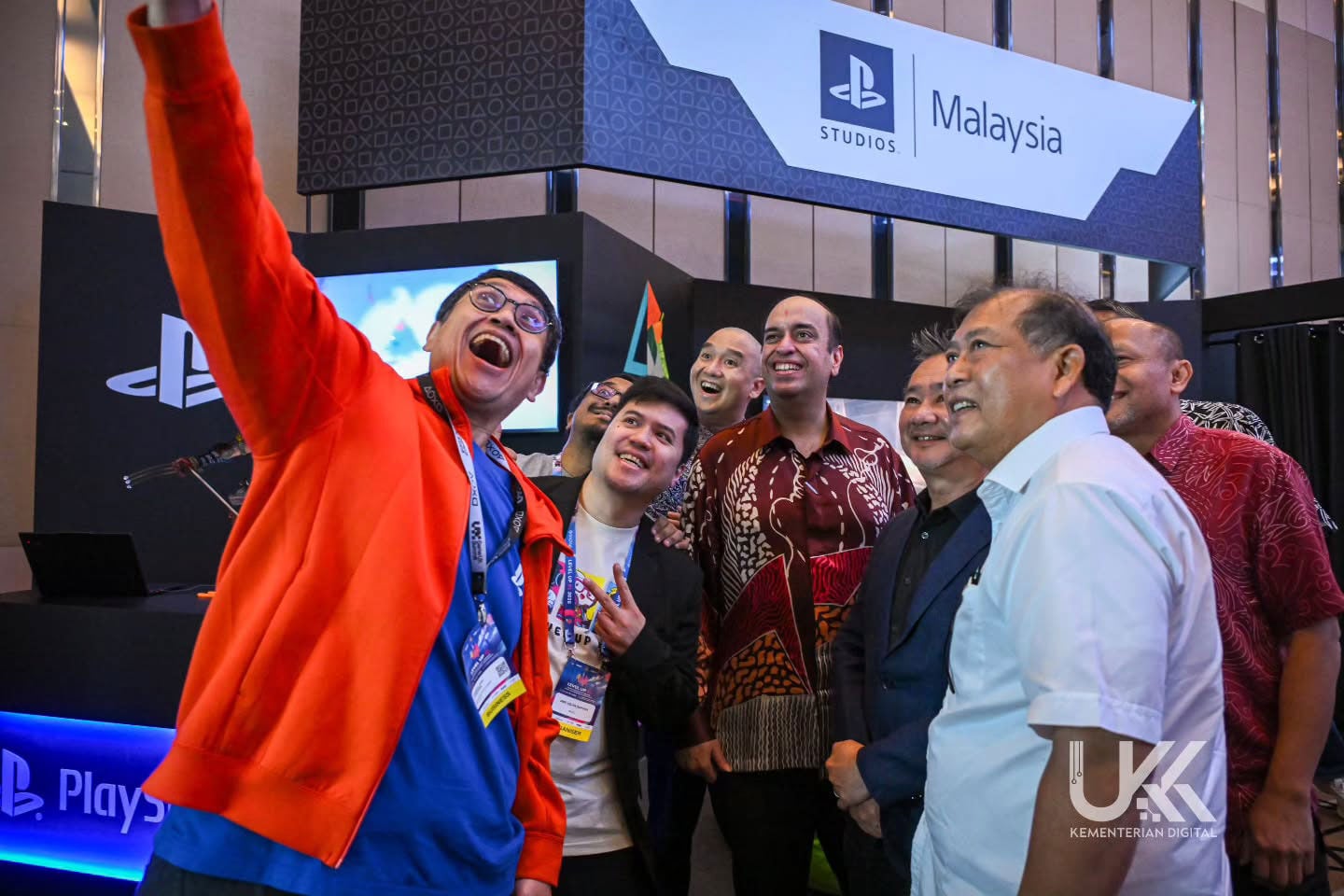
Launched in 2015, Level Up KL has become, edition by edition, a major fixture of the South East Asian games calendar. Organised by the Malaysia Digital Economy Corporation (MDEC), the event aims to showcase Malaysian talent and studios beyond the country's borders, while building bridges with international publishers, investors and partners. Beyond the talks and the industry networking, the show seeks to encourage business collaborations, make project financing easier and give local productions greater visibility. For Malaysia, the goal is to turn its expertise into a more self-sufficient industry, able to develop its own IP and crack global markets. That's no small task at a time when production costs are rising, funding is harder to come by and several studios have had to close their doors since the post-pandemic boom fizzled out.

More than 50 speakers and an international outlook
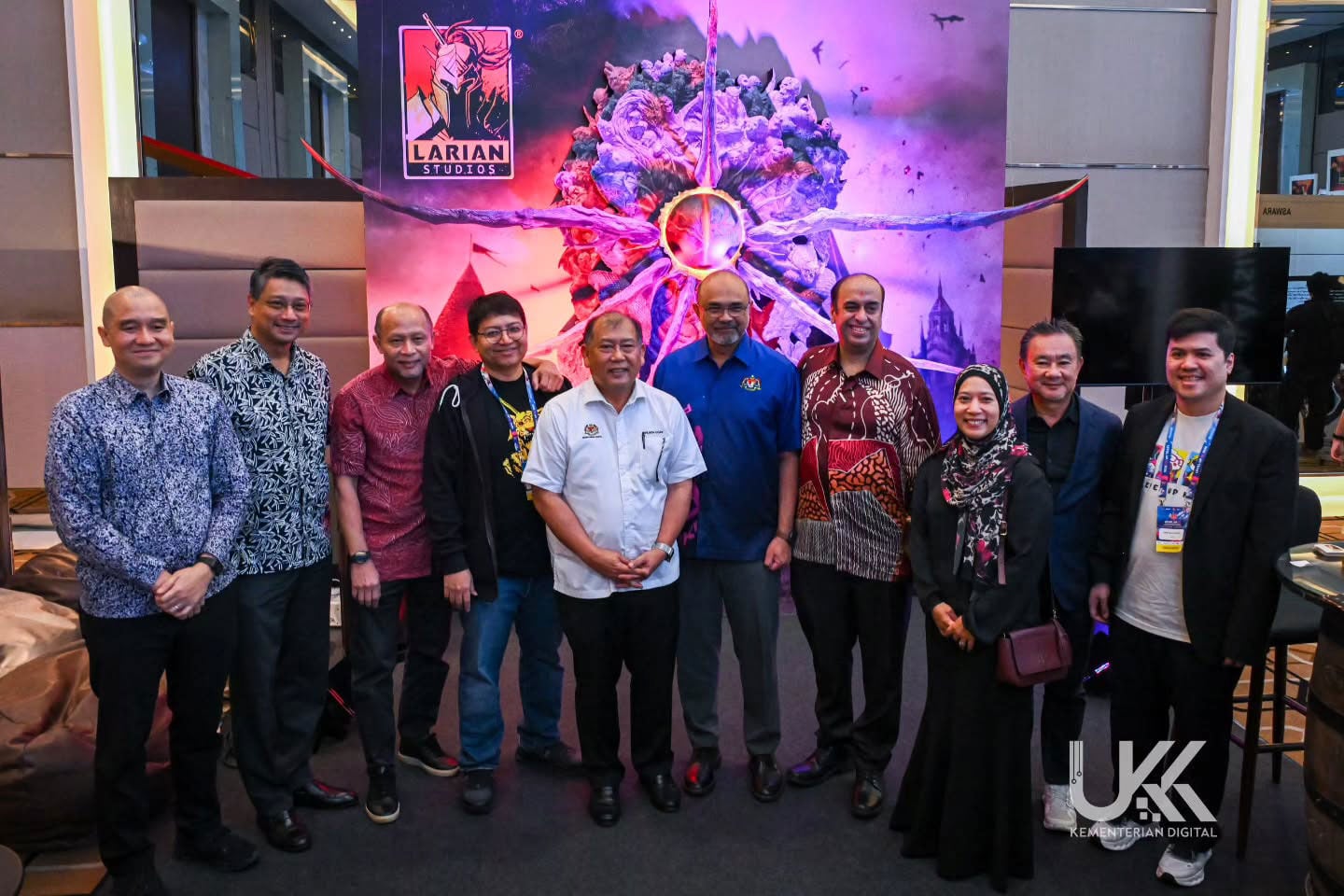
Opening the event, Deputy Minister of Digital Datuk Wilson Ugak anak Kumbong reiterated that the country is looking to accelerate the growth of its digital creative industry. The roadmap set out by the Ministry of Digital and implemented with MDEC's backing lays down ambitious targets for 2030: 9 billion Malaysian ringgit in revenue for the digital creative industries, 6 billion ringgit in exports, 6 billion in strategic investment and the creation of 10,000 high-value jobs. Behind those figures, intellectual property is the central issue. According to MDEC's early figures, Malaysia's digital content ecosystem comprises roughly 300 companies holding Malaysia Digital status, around a hundred of which work in game development, split between client work and original IP. The country already has a network of studios and talent, then, but it still needs to shore up its capabilities if it's to produce games that can make their mark abroad.
It's worth noting, too, that AI could become a competitive edge for South East Asian studios, where its adoption seems to meet less resistance than in the West. A BCG study published in October 2025 already noted particularly high enthusiasm in Malaysia, where 68% of respondents said they felt optimistic about generative AI.
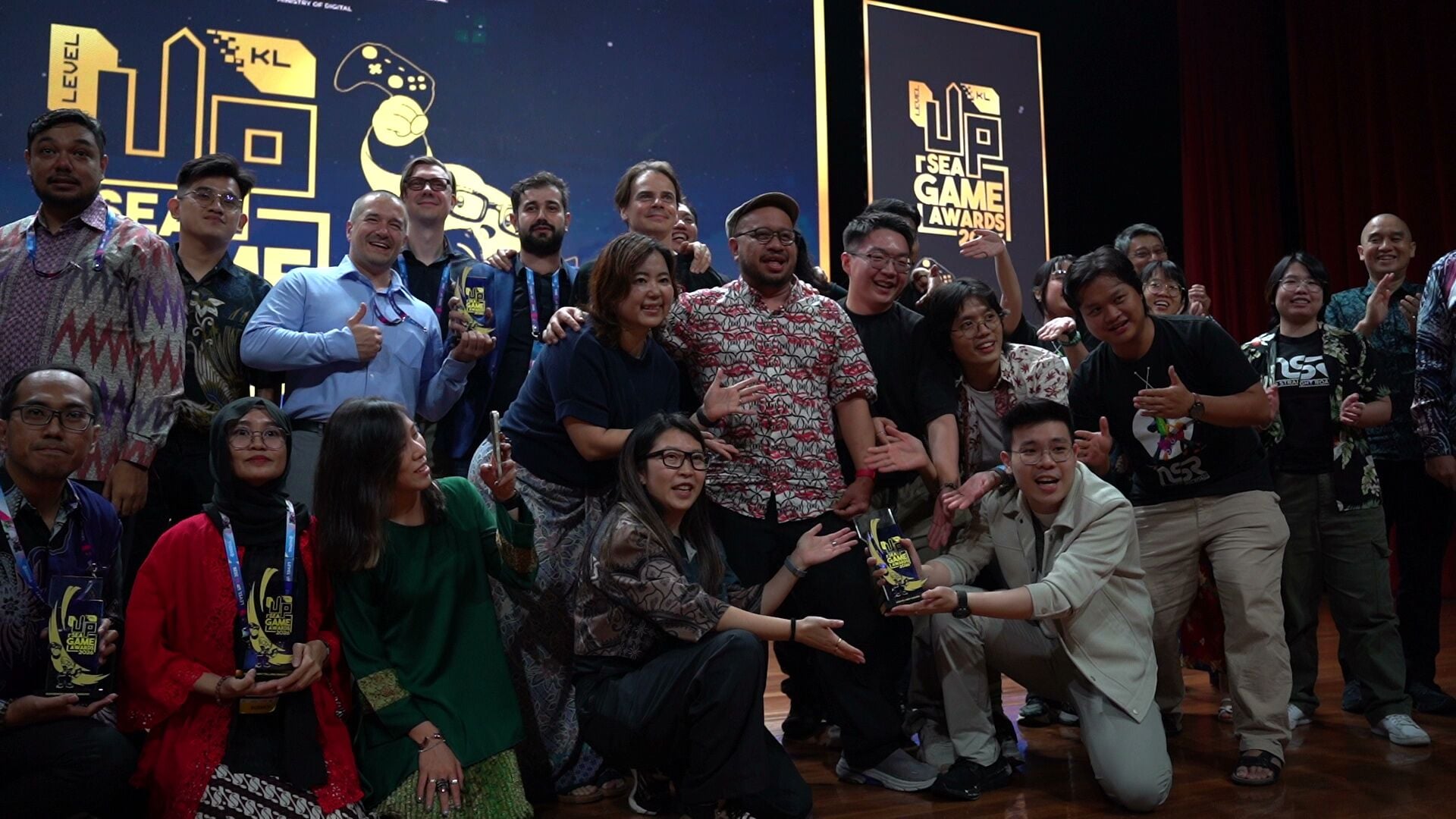
For this 2026 edition, Level Up KL offered more than 50 speakers, 25 talks, 5 partner events and 2 advanced training workshops. The programme brought together initiatives of all stripes, from the Game UX Summit, held in Asia for the first time, to Games for Change, by way of Xsolla Connect KL and sessions devoted to the Nintendo and PlayStation ecosystems. Unreal Engine training courses, a meet-up dedicated to women in games and an expanded space for indie productions rounded out the line-up. And that's not all: the SEA Game Awards also celebrated the creativity and technical craft of South East Asian developers (we wrote a piece on that too, which you can read here), a region whose studios are keen to raise their profile with international publishers and investors. MDEC was also hoping to facilitate 400 business meetings, generate 120 million ringgit in export opportunities and attract 100 million ringgit in investment, with around a hundred companies expected to take part in its matchmaking programmes.
AI, a lever for Malaysian studios
The other big talking point of this edition was the arrival of artificial intelligence in production workflows. For Ganesh Kumar Bangah, Chairman of MDEC, these technologies can improve productivity, cut certain costs and speed up development cycles, but they cannot replace creativity, imagination or the quality of the writing. Malaysia is therefore looking to pair its human talent with the new tools so that its studios can stand out for the quality of their games, rather than for their production costs alone. It has to be said, too, that AI could become a competitive advantage for South-East Asian studios, where its adoption seems to be meeting less resistance than in the West. A BCG study published in October 2025 already noted particularly high enthusiasm in Malaysia, where 68% of respondents said they were optimistic about generative AI. In games, the contrast is just as visible between the debates roiling the North American industry and the faster uptake of these tools in several Asian markets.
For Malaysian studios trying to compete with international productions backed by considerable budgets and headcounts, AI can be a way to speed up certain stages of development, cut costs and test more ideas without having to hire vast teams straight away. Where part of the Western industry remains paralysed by arguments over the legitimacy of these technologies, the countries that manage to fold them intelligently into their working methods could steal a march. That doesn't mean questions about jobs, artists' rights or the quality of the work should be brushed aside, but refusing to think about these tools while they advance at pace could prove costly for studios that intend to stay competitive.

This ambition also sits within a bigger national strategy, dubbed "AI Nation 2030", which is nothing less than Malaysia's action plan to make artificial intelligence an engine of its economy by the end of the decade. Driven by the government and coordinated with players across the digital ecosystem, this 2026-2030 roadmap aims to accelerate AI adoption in businesses and public services, while building local skills, computing infrastructure and the creation of Malaysian tech solutions with export potential. Games have their place in that ambition, since they are among the digital creative industries the country is seeking to grow, alongside animation and content-creation technologies.
In January 2026, Malaysia's Ministry of Digital was already highlighting the role of video games in this strategy, a sector that can draw on AI to speed up prototyping, streamline certain production tasks and allow studios to devote more resources to design and art direction. For Malaysian developers, then, the challenge is twofold: adopting tools that could narrow the gap with the big international studios, while building the skills and original works that will let them carry more weight on the global market.
With the Malaysian government's help
MDEC is also looking at how the National AI Compute Exchange (NACX), a national scheme for accessing computing resources, could support studios through this transition. The aim is to let them experiment faster, build prototypes in better conditions and gradually take up these new tools without access to infrastructure becoming a bottleneck. Training matters just as much, which is why LEVEL UP KL set up a dedicated talent space, with mentoring, portfolio reviews and careers advice delivered by industry professionals and educational institutions. In parallel, MDEC is continuing its conversations with studios to get a clearer picture of their skills needs and their investment expectations.
One thing is certain today, at any rate: Malaysia is showing boundless ambition when it comes to digital and AI development. The country wants to strengthen its ecosystem, hold on to its talent and bring more original IP to the fore, at a time when the global industry is hunting for new engines of growth. What remains is to turn those goals and the opportunities being touted into lasting funding, sturdier studios and games capable of finding an audience abroad.