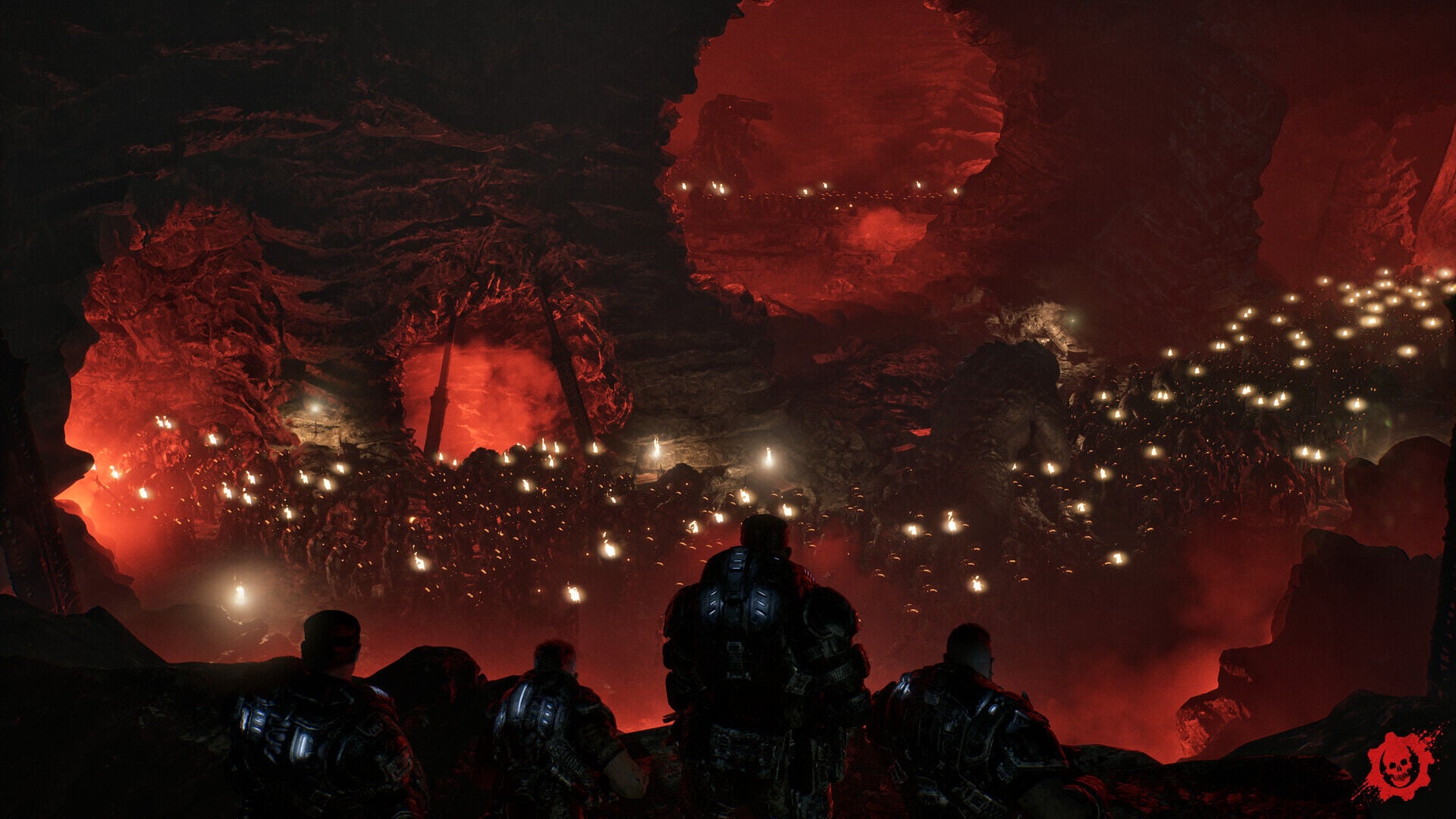

Gears of War E-Day may have been built to run on both Xbox Series X and Series S, but The Coalition still had to find a way around the technical limits of Microsoft's smaller console. In practice, the developers used the Xbox Series S's SSD as a sort of extra pool of RAM in order to get the game running properly on the machine. It's an approach that could well pique the interest of other development teams. Because yes, it's worth remembering that the Xbox Series S has 10GB of RAM, against 16GB for the Xbox Series X and the PS5. That gap can quickly become a problem when a game gets particularly demanding, especially as Microsoft still requires developers to ship games on both Xbox Series X and Xbox Series S. Except that, unlike other machines, the Series S can't lean on upscaling technologies such as Nvidia's DLSS or the PS5's PSSR and QSSR to make up for its technical shortcomings either.
The SSD as backup memory
In an interview with Digital Foundry, The Coalition's technical director Kate Rayner explained how the studio managed to work around that constraint on Gears of War E-Day. The developers essentially made use of the Xbox Series S's internal SSD to store some of the game data that couldn't permanently live in RAM. To get a proper sense of the trick, you need to understand that in a video game, data is spread across several tiers of memory. There's the CPU cache, which is extremely fast but very limited; RAM, which can hold a lot more information while remaining quick; and the SSD, which offers far more space but with longer access times.
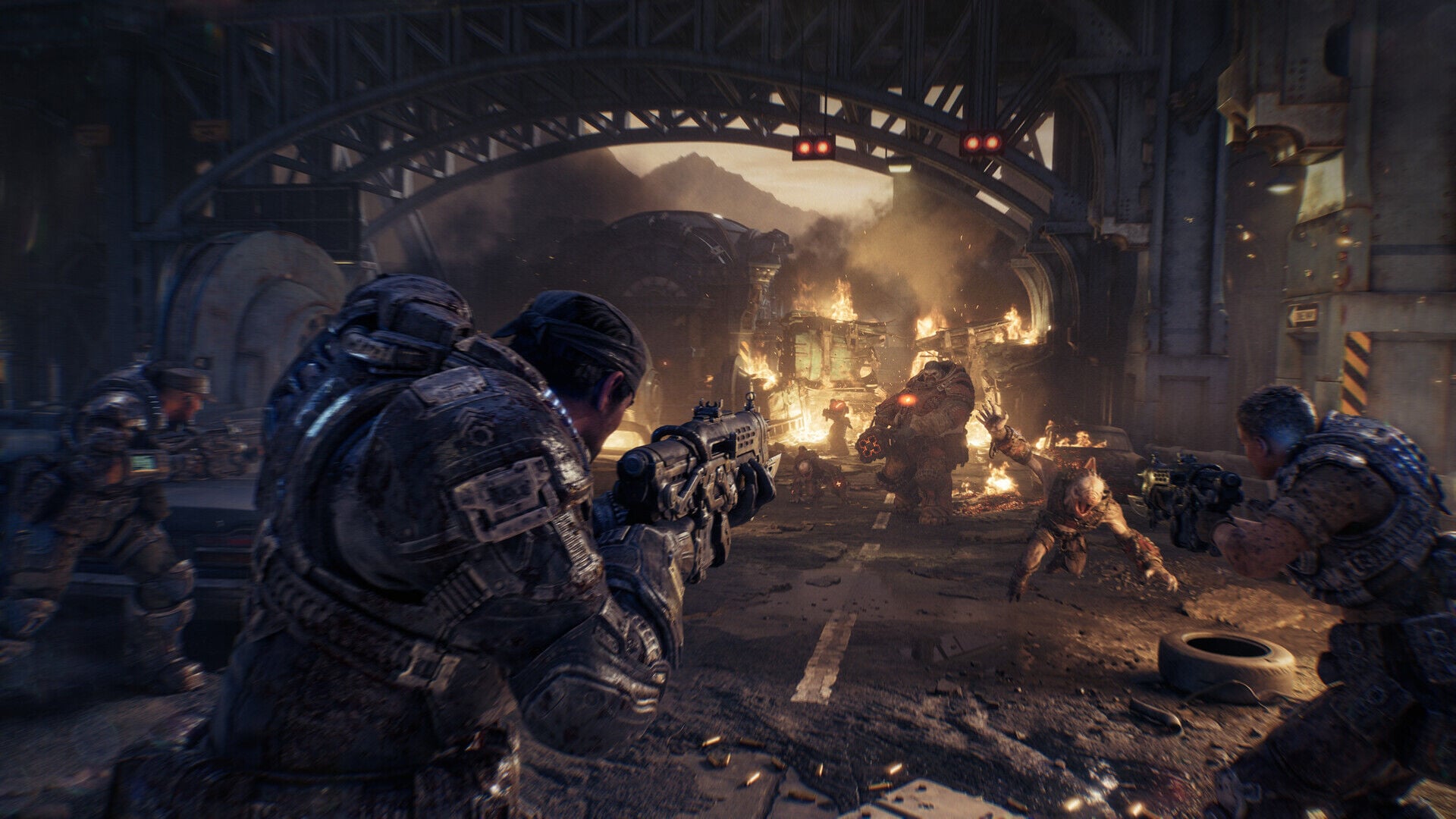
The Coalition therefore chose to shift some of that data onto the SSD, in particular everything tied to Gears of War E-Day's highly detailed urban environments. When the game needs that information, it's transferred from the SSD into RAM so it can be used. It's a method that could have caused serious slowdown had it been applied carelessly, since the SSD remains far slower than RAM. The developers consequently picked out with great care the data that could be stored this way without hurting performance when the game has to fetch it on the fly. According to Kate Rayner, a few gigabytes of SSD space freed up roughly 1GB of additional usable system memory. Not a huge margin, but enough to let The Coalition maintain a high level of quality on Xbox Series S, with a single major graphical concession: Lumen-based reflections were dropped in order to hold a steady 60 frames per second.

A trick that could benefit other studios
For the studio, this technique above all avoided having to cut the game's visual quality too drastically just to get it running properly on the least powerful console of the generation. And the idea may not stay confined to Gears of War E-Day, because according to Kate Rayner, other development teams have already expressed an interest in the method. If it's replicated in future Xbox Series S games, the SSD could keep on serving as backup memory to push the machine's limits without sacrificing nearly as much graphical detail.
Enough to give a second wind to an architecture that is showing its age today, but which still has a few untapped resources up its sleeve. Either way, Gears of War E-Day looks to have served as a genuine laboratory for The Coalition in learning how to get more out of the Xbox Series S.