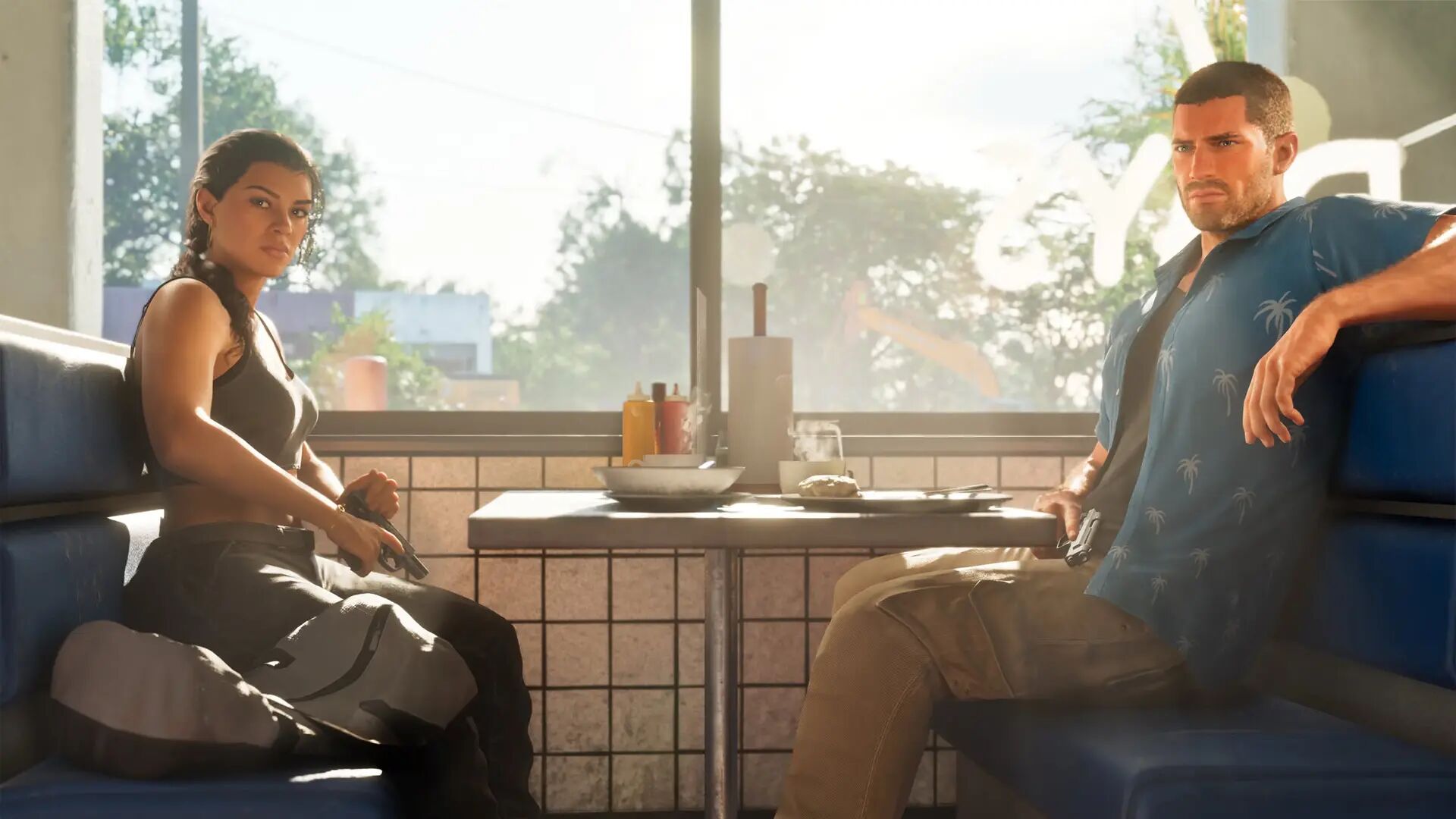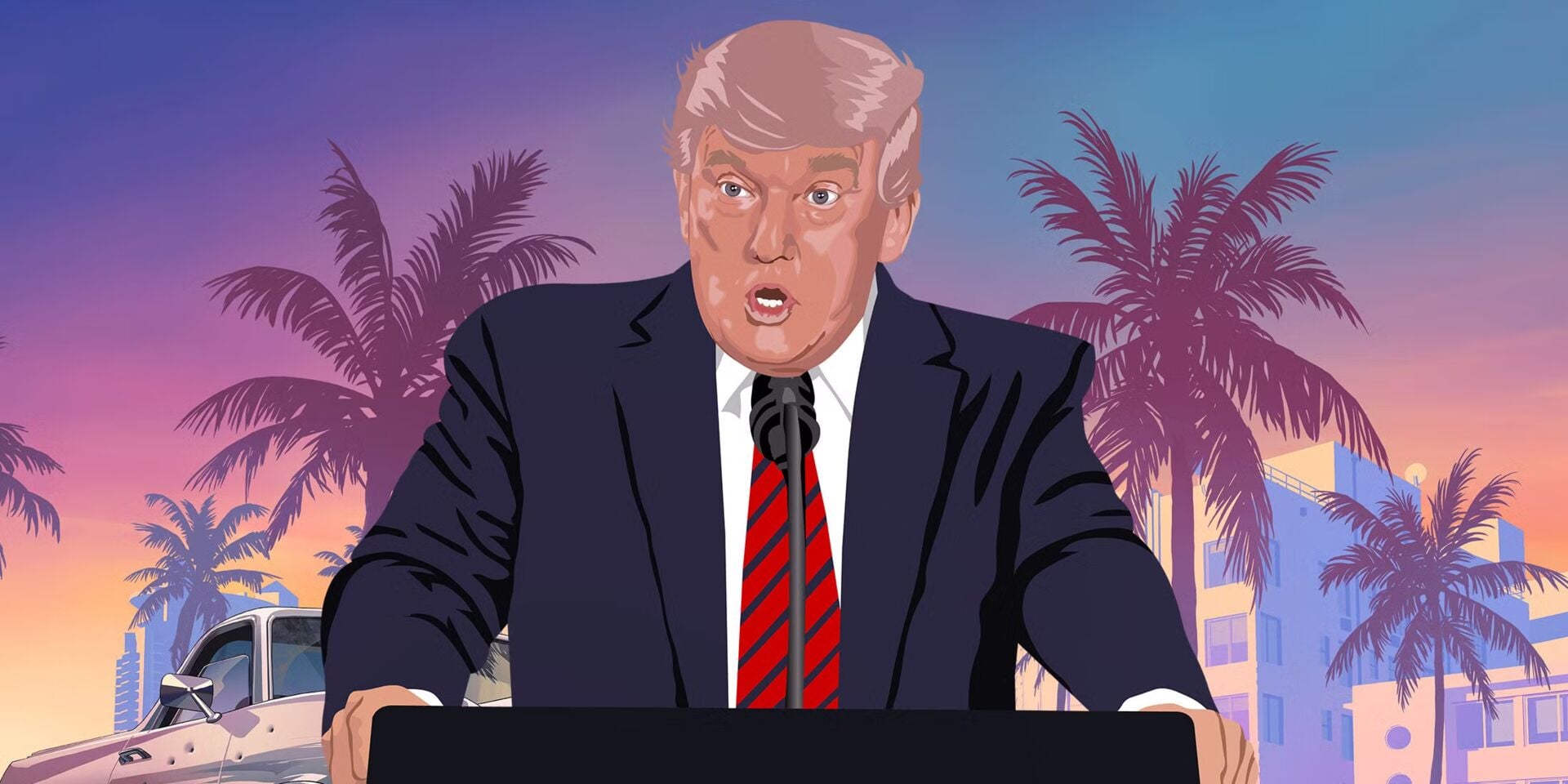

While GTA 6 continues to reveal itself in dribs and drabs, 'Love' magazine (which also got access to a presentation of the game and some interviews) lets us learn more this time about how Rockstar Games has handled politics in its next game. Rupert Humphries, Senior Vice President of narrative at Rockstar Games, explains why the studio has deliberately avoided lifting real-world figures, events or political movements too directly. The aim is to let GTA 6 stay rooted in its era without becoming a mere snapshot of present-day America.
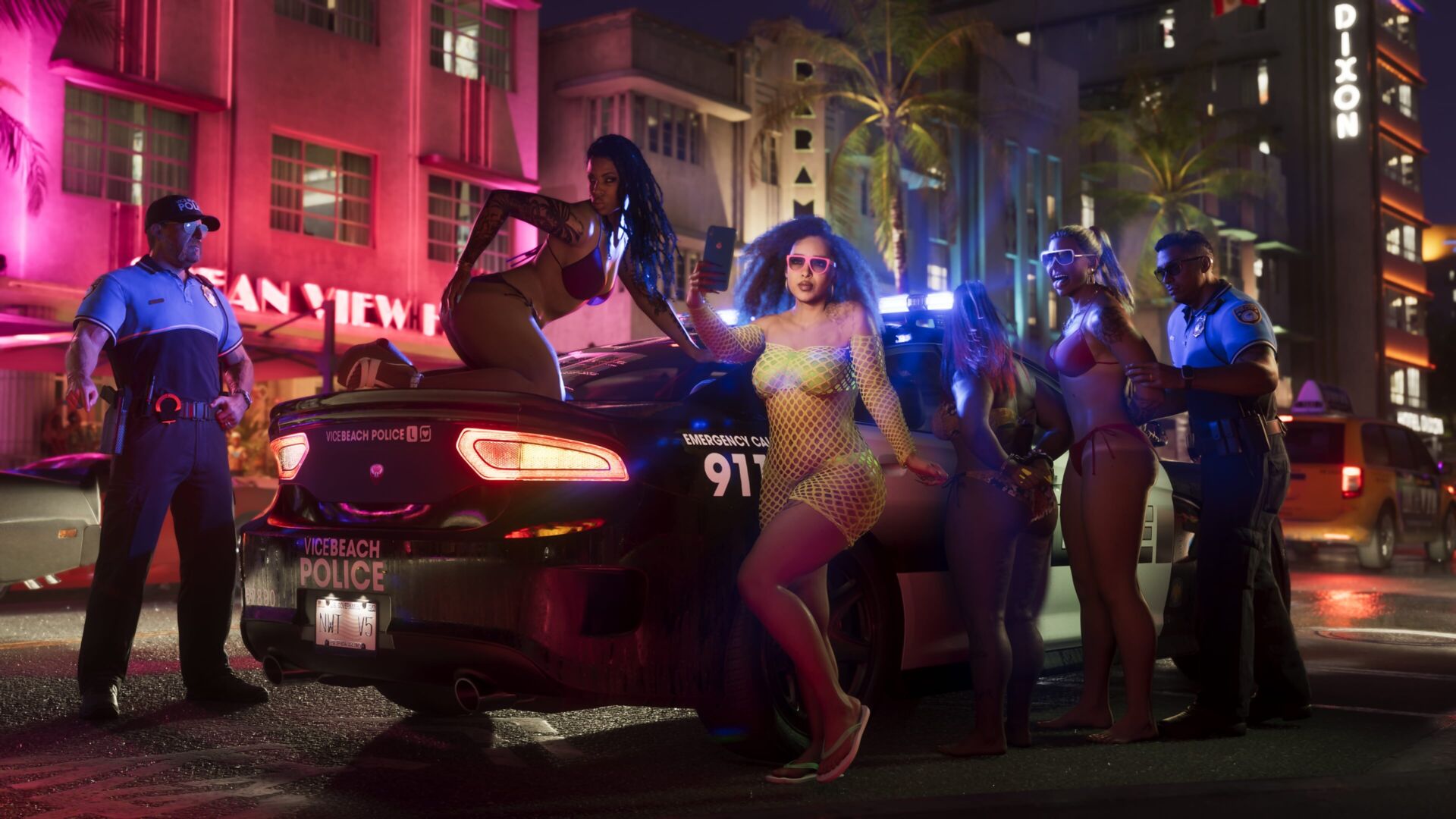
Leonida will be a warped version of Florida
It's worth remembering that Rockstar didn't wait for GTA 6 to take aim at American politics. As far back as the first GTA, released in 1997, the series was already having fun with the institutions and failings of American society. In GTA 3, Liberty City was likewise stuffed with media outlets, adverts and speeches caricaturing American society and its relationship with power, while in Vice City the political and economic backdrop was used to mock the worship of money, corruption and influence networks. With GTA San Andreas, Rockstar turned its attention more towards the relationships between communities, the police and institutions. The game draws on the context of the 1992 Los Angeles riots and depicts a deeply corrupt police force through the character of Frank Tenpenny. GTA 4 would go further still with a Liberty City inspired by post-9/11 New York. The game directly addresses America's security climate, surveillance and the war on terror, with references to the Patriot Act and Homeland Security. That's the very example Rupert Humphries himself cites to explain why Rockstar can sometimes draw very directly on the political context, but only when it remains relevant to the game's world.
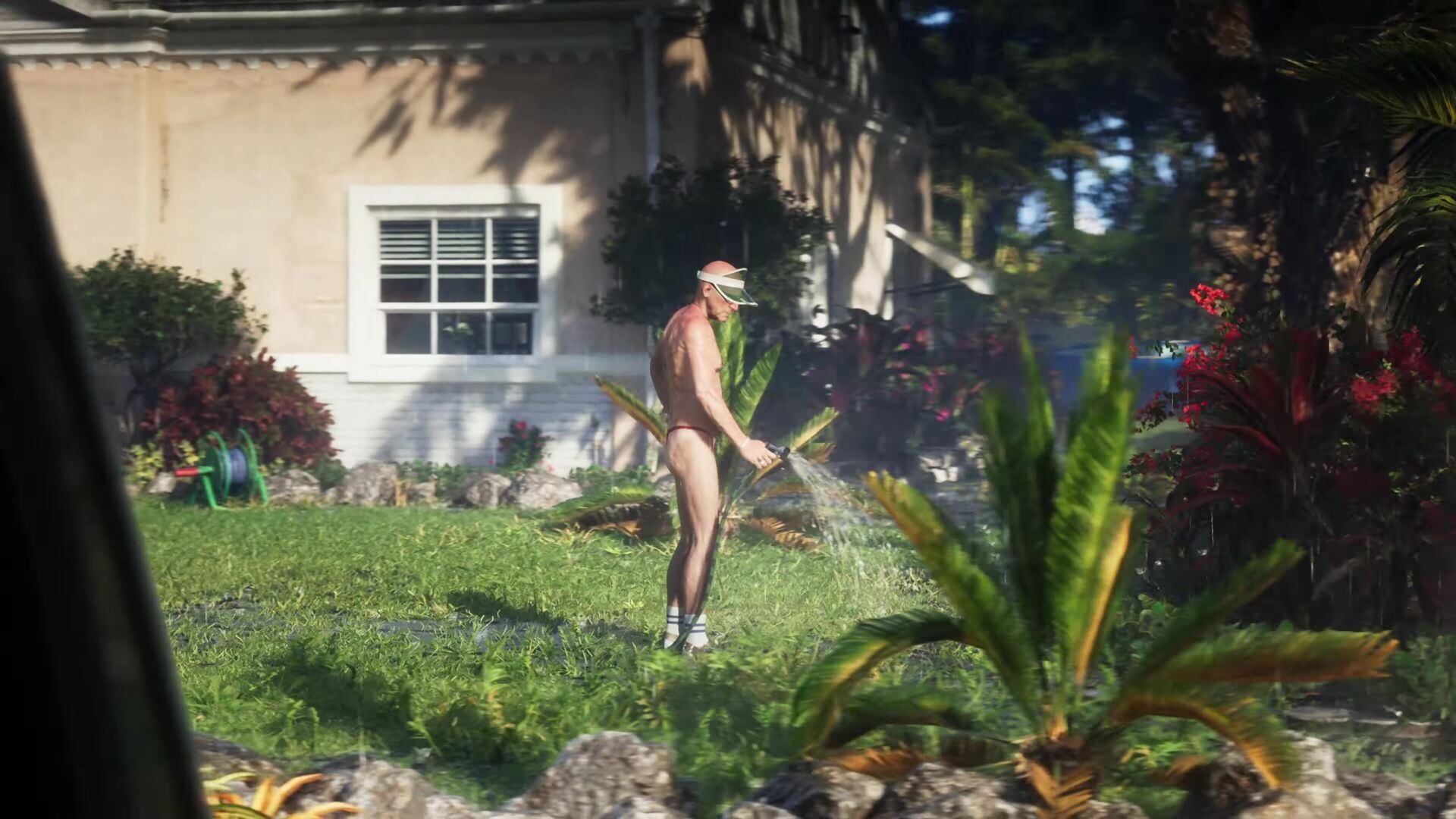
GTA 6 will obviously feature plenty of recognisable elements of American society, but according to Rupert Humphries, it's better to create your own warped version of reality than to reproduce existing situations or people. We learn that the game will include campaign billboards, adverts and radio shows devoted to politics. A less direct approach that will allow Rockstar to retain the satirical streak that is part of GTA's DNA. Humphries explains that the studio hasn't tried to be a mirror of the real world, and we should expect situations that are deliberately exaggerated, distorted and pushed to the point of absurdity in order to bring out whatever Rockstar wants to send up. Florida is particularly fertile ground in that respect, with a host of characters and vignettes we've already glimpsed in the various trailers.
Anticipating America's social phenomena
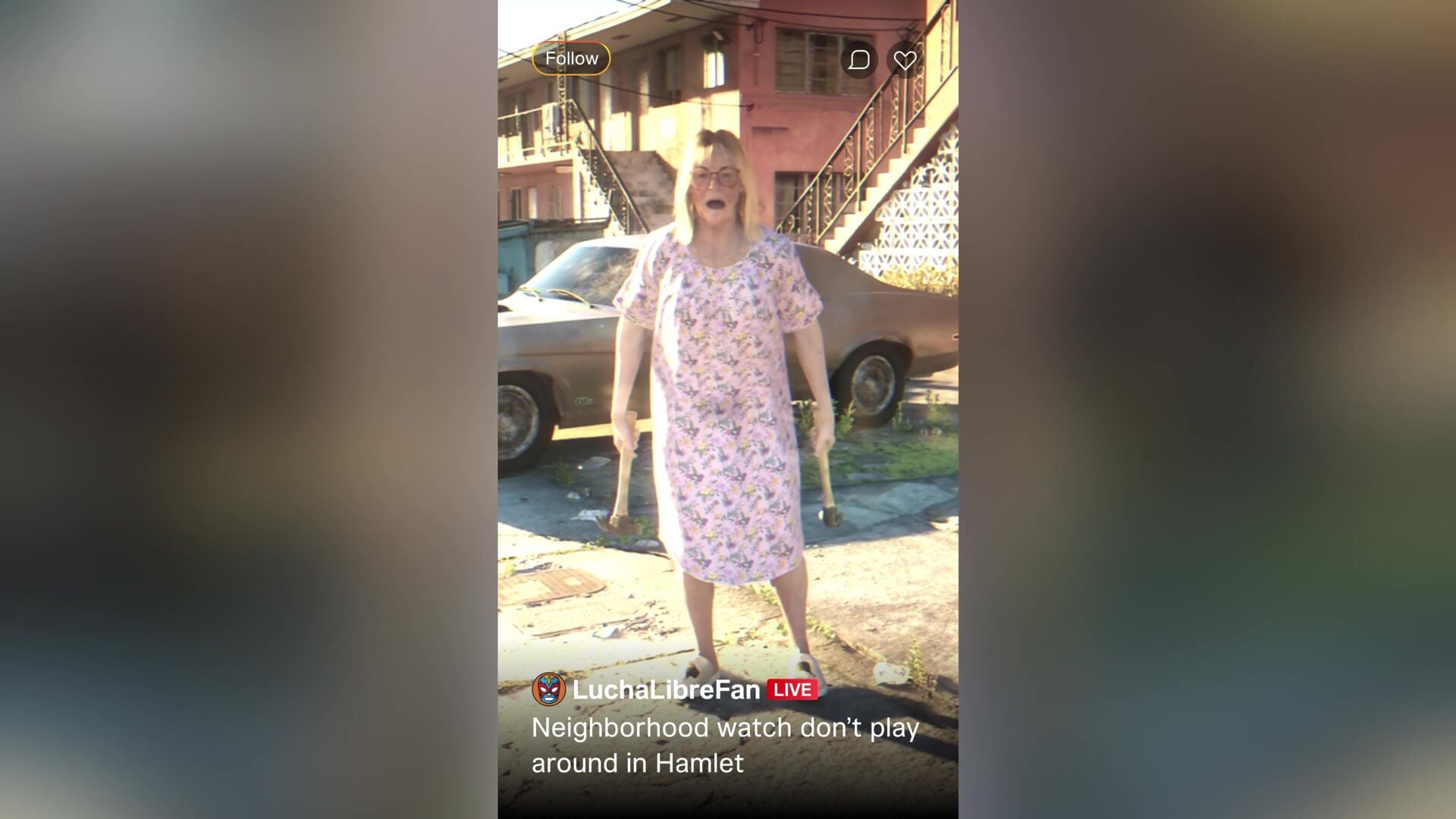
And the choice not to hang the game on any specific current event also comes down to the fact that GTA 6 has been in development for more than 10 years, which makes it all too likely that a political reference would quickly date. Rockstar Games therefore has to anticipate how the game will be perceived when it launches rather than simply riffing on the trends of the moment. Rupert Humphries explains that Rockstar preferred to focus on certain social phenomena and reshape them in its own way. Conspiracy theories, for example, are among the subjects that caught Rockstar Games' eye. But rather than offering a carbon copy, the writers created their own deliberately exaggerated versions, so that they can keep working even once the real-world context that inspired them has moved on. A way for Rockstar to preserve GTA's satirical identity while stopping its commentary from ageing too quickly and ending up hopelessly out of date.