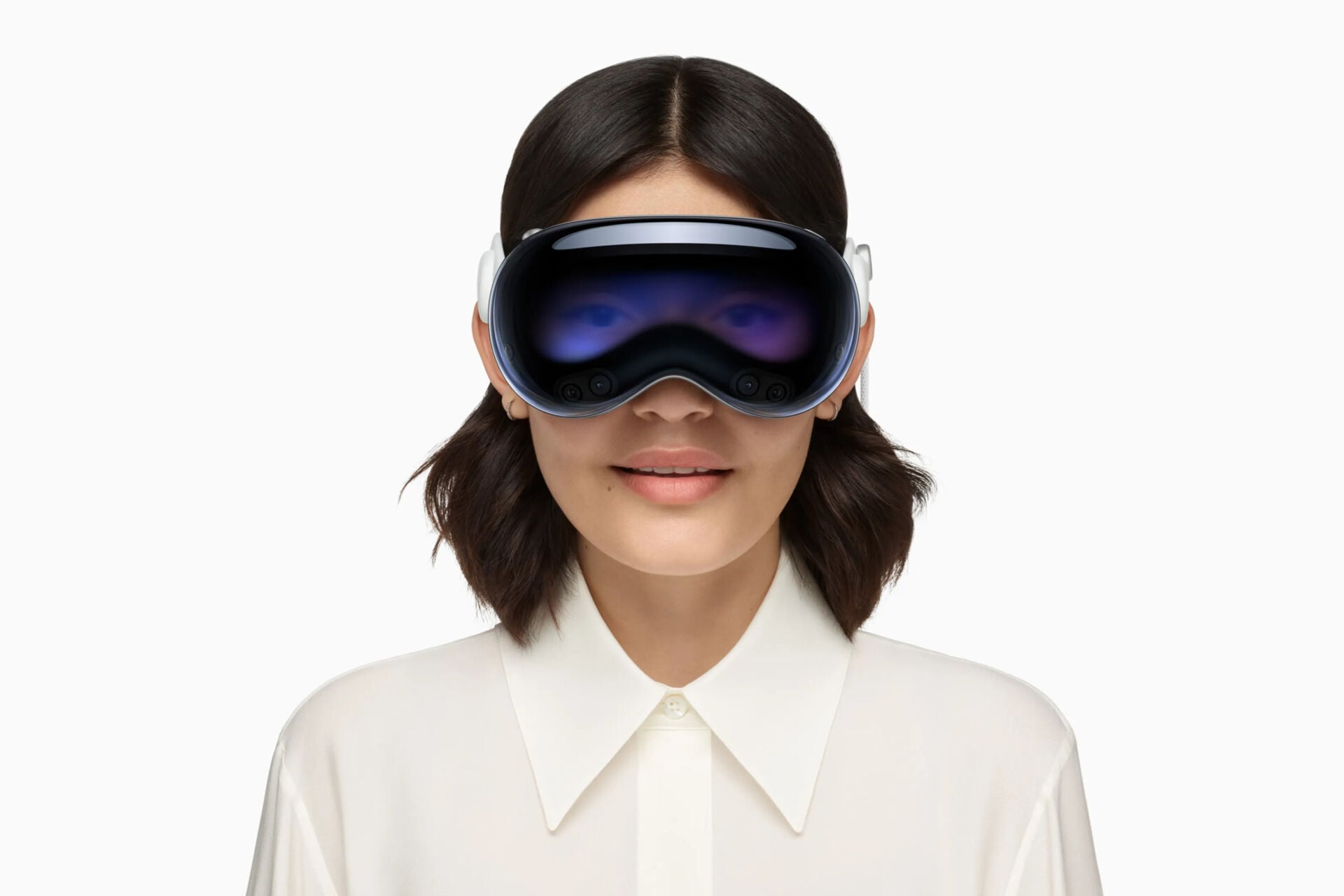

It’s an open secret: the Apple Vision Pro is a failure across the board, and these new signs are proof that Apple’s strategy has sprung a leak. Two years after its launch, the headset that was meant to usher in a new era for Apple seems above all to have convinced the giant to scale back its ambitions. The company has reportedly cut at least 60 jobs across its virtual reality teams, while development of new headsets is now said to be on hold.
This restructuring in fact confirms a major strategy shift at Apple. Where the Vision Pro was meant to open a new era of “spatial computing”, the group now seems far less convinced about the future of immersive headsets. John Ternus, who takes over as head of Apple on 1 September 2026, has reportedly decided to put the VR category on hold, without abandoning visionOS entirely.
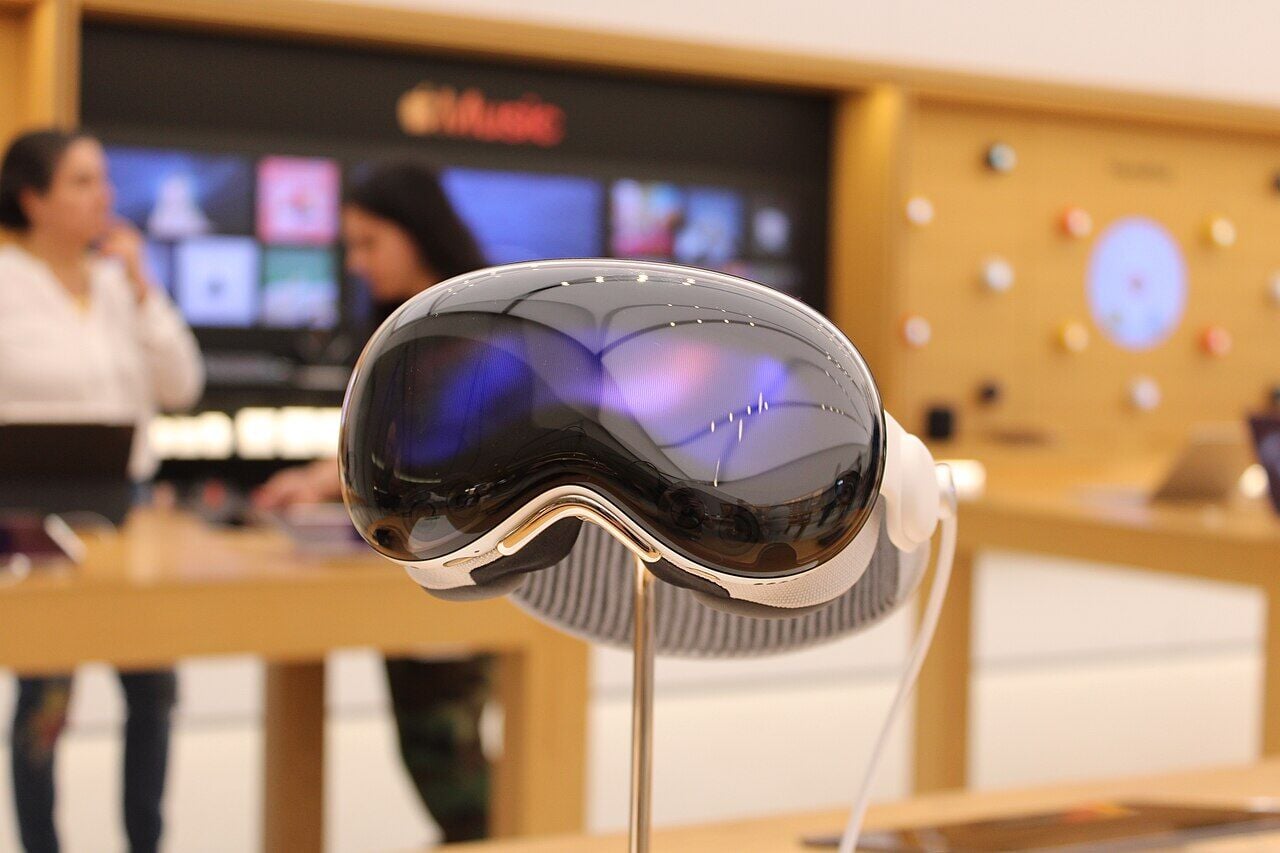
Apple now prefers smart glasses
The group’s new priority is a much lighter one: smart glasses fitted with artificial intelligence. Apple is reportedly working on a first generation of glasses that would not yet offer a true augmented reality display. They would rely mainly on cameras, Siri and Visual Intelligence, with AI at the heart of the experience. The launch is now said to be envisaged for 2027, after a slip in the original schedule. Apple is reportedly looking in particular to settle certain privacy questions, at a time when Meta’s AI glasses are already enjoying a degree of success, even if they too raise concerns about private life.
Because yes, the success of the Ray-Ban Meta may well have convinced Apple that there is a more relevant path than the Vision Pro’s. Rather than asking users to wear an enormous isolating headset costing several thousand dollars, smart glasses offer a far more natural experience: taking photos, listening to music, making calls or interacting with an artificial intelligence, without cutting the user off completely from their surroundings. Another telling signal: Paul Meade, the vice-president in charge of the Vision Pro and the smart glasses projects, left Apple in June 2026 to join OpenAI’s hardware division.
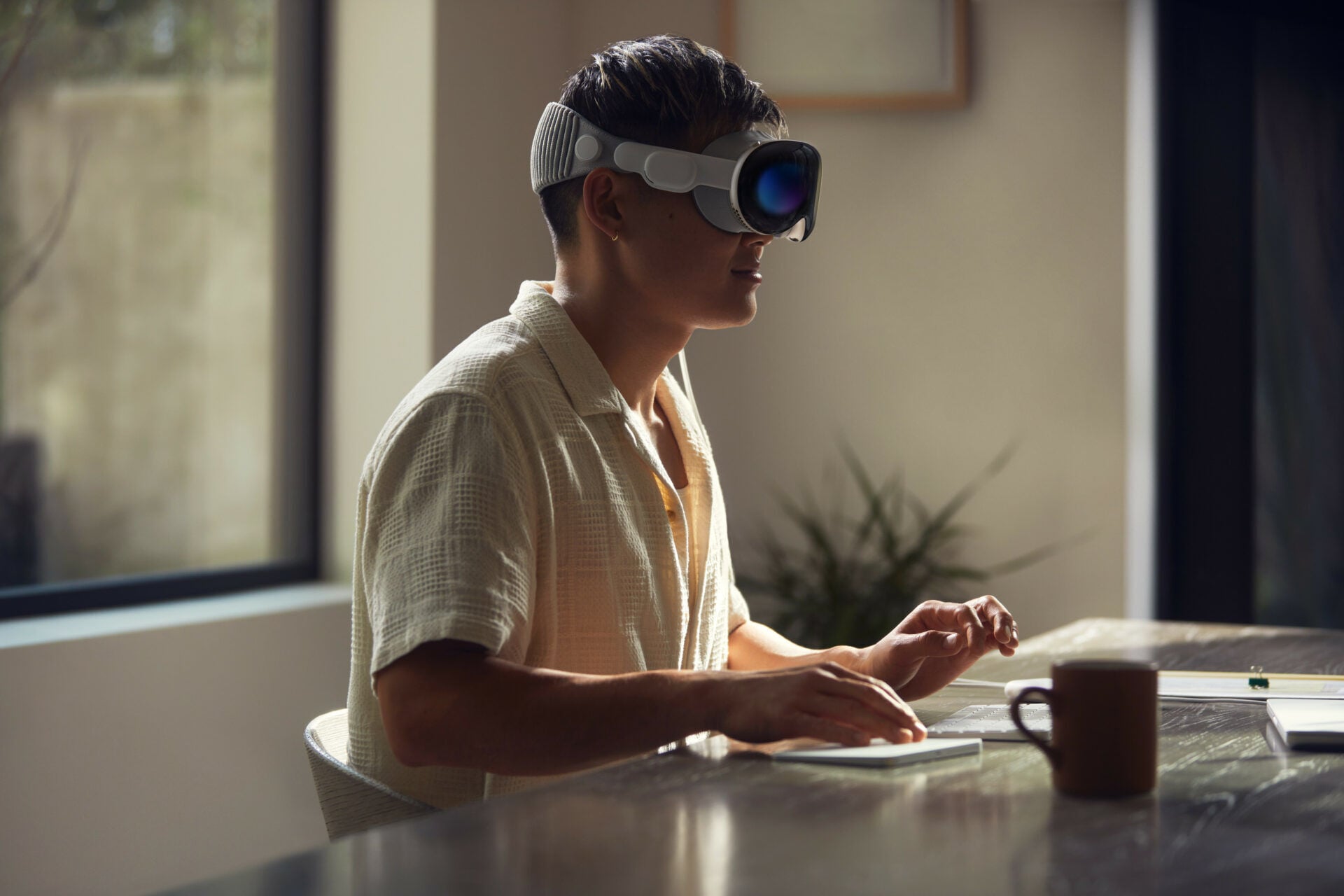
A $3,499 gamble that never found its audience
Launched in February 2024 at 3,499 dollars, the Vision Pro was nonetheless meant to represent a genuine revolution for Apple. The company presented its headset at the time as the start of a new generation of computers, capable of transforming the way we work, watch films and interact with digital content. But the product quickly ran into several obstacles: a prohibitive price, considerable weight, limited battery life and relatively little interest from developers and the general public. Apple did keep improving the device. A version fitted with the M5 chip notably brought several technical improvements, including a refresh rate of up to 120 Hz. But that clearly wasn’t enough to revive interest in the headset.