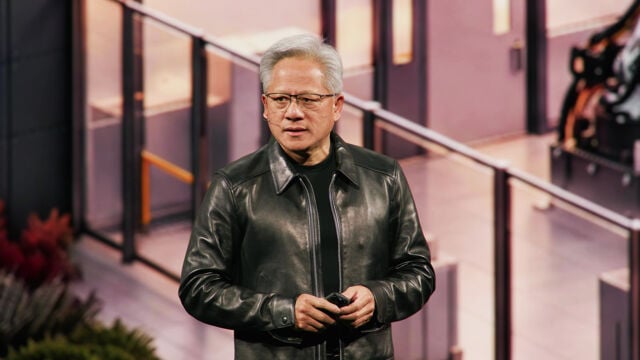
Four days. That's all it took for Jensen Huang to start plotting his return to the top of Nvidia. Forced to resign on 12 November following revelations about his extramarital affairs and suspicions of Chinese espionage that, ultimately, nobody buys, the man in the famous leather jacket apparently has no intention of sitting this one out. According to the Financial Times, those close to him are already organising his counter-offensive, with the backing of several Silicon Valley heavyweights. And the further this affair goes, the more one question nags: was Jensen Huang really pushed out over national security concerns, or does his departure happen to suit certain people rather nicely?
Elon Musk, Tim Sweeney and Silicon Valley step up
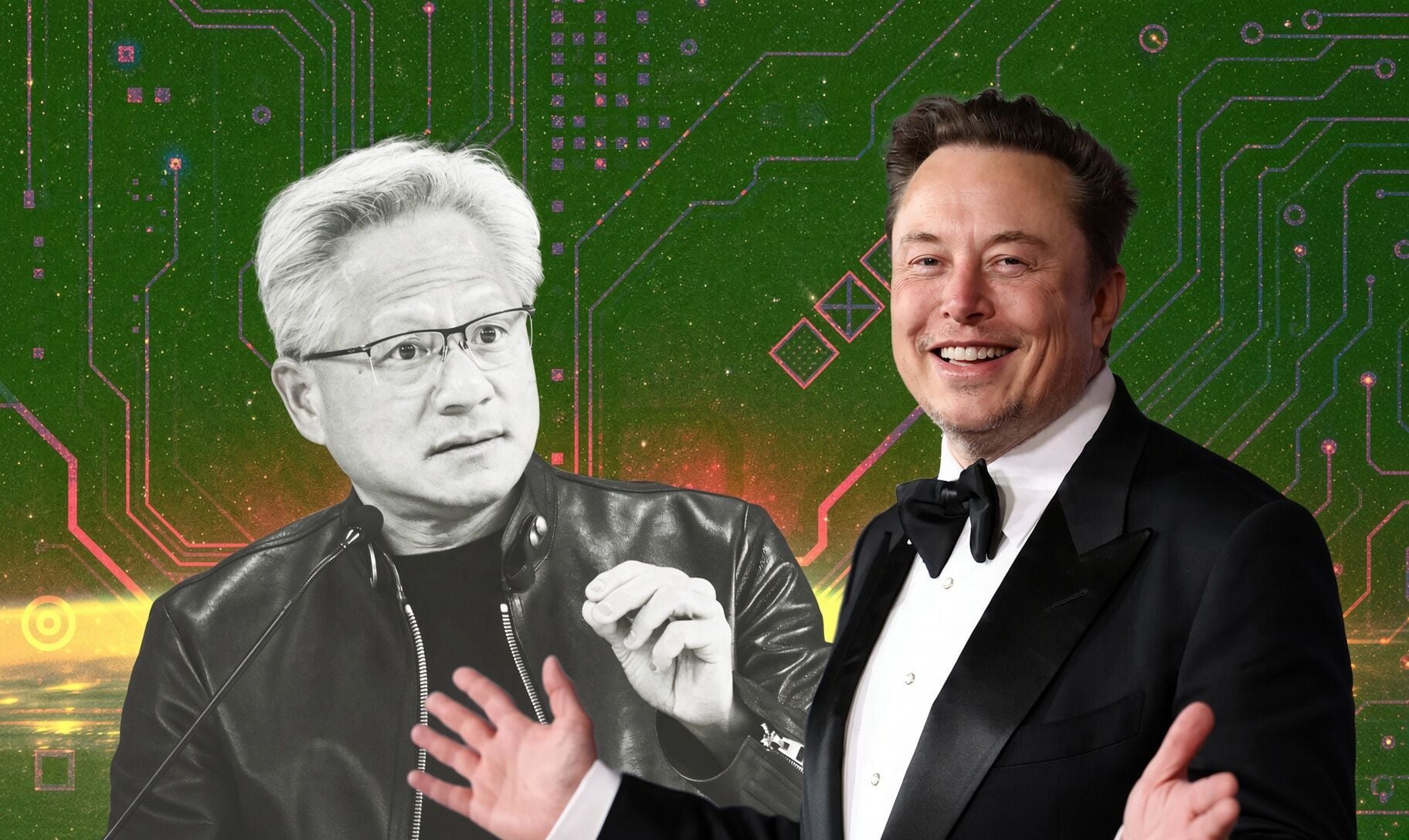
Because since his exit, support for Jensen Huang has been piling up. A petition calling for his return as head of Nvidia has already gathered more than 157,000 signatures, among them Elon Musk, Tim Sweeney (the boss of Epic Games) and Garry Tan, president of Y Combinator. More than 7,500 of the signatories are Nvidia employees, which would represent roughly 18% of the company's workforce. Those rallying behind Jensen Huang want fair treatment, in the sense that Nvidia's boss should be able to defend himself before being definitively condemned in the court of public opinion. His supporters are demanding an independent inquiry and reckon that a chief executive who spent 33 years of his life building Nvidia deserves, at the very least, due process.
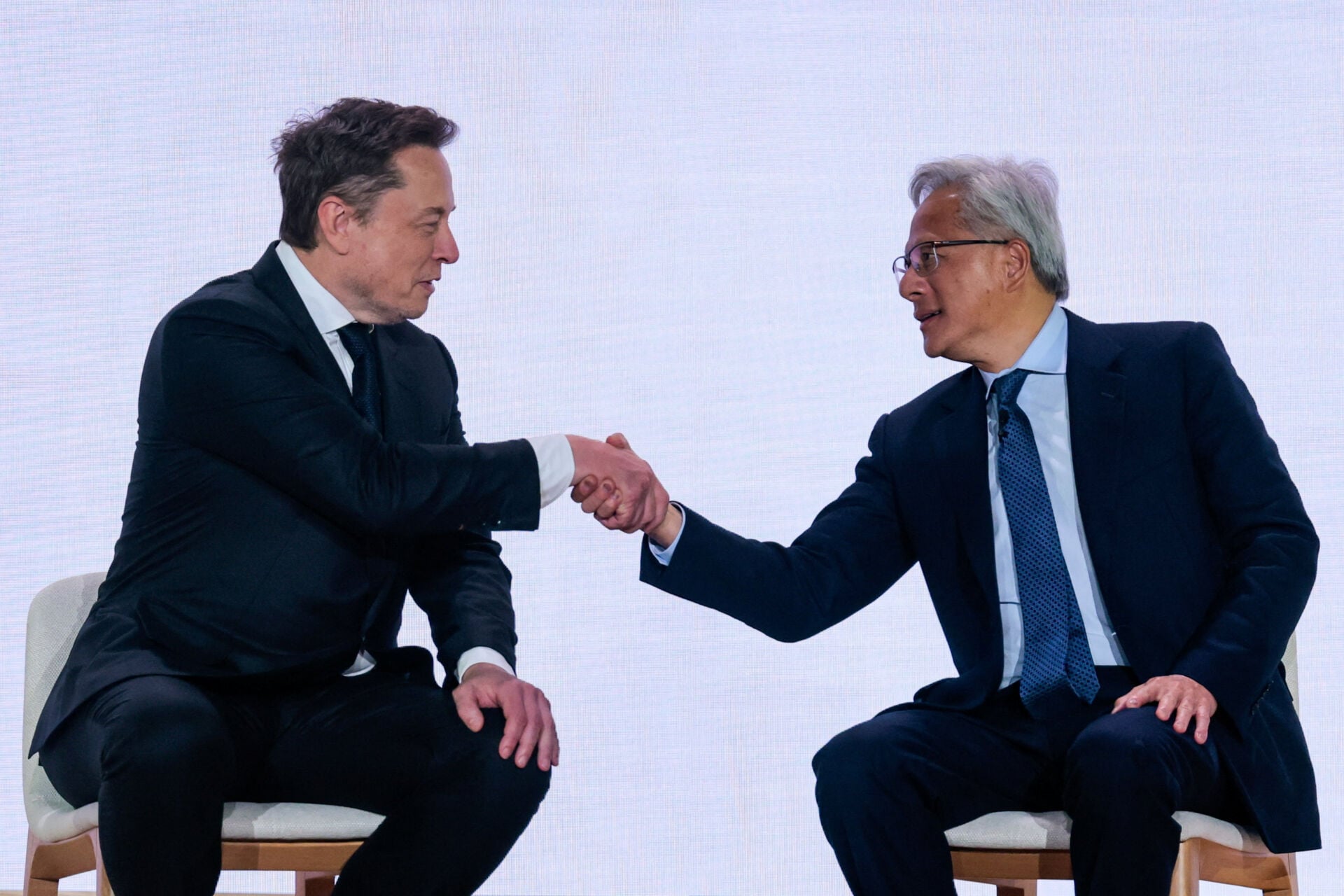
But according to the Financial Times, the operation goes well beyond a simple petition. Jensen Huang's allies are said to be assembling a genuine crisis unit, with the aim of mobilising the tech industry's biggest bosses and even lobbying the White House. In other words, no stone would be left unturned to get him back into his chair, currently occupied on an interim basis by Colette Kress.
An espionage affair nobody believes in
As a reminder, Jensen Huang was pushed towards the door after revelations of several extramarital relationships, including one with Alice Huang, a Singaporean entrepreneur suspected of having maintained links with Chinese intelligence services. Investigators are trying to determine whether that relationship could have facilitated the transfer of sensitive American technology to China, in particular chips used for artificial intelligence — except that, for now, the espionage accusations have yet to be publicly substantiated. And that is precisely what fuels the scepticism around this case. How could the founder of one of the most strategically important companies in the United States be sidelined so quickly, when the investigations are only just beginning? And there's an important detail not to be forgotten here: long before the revelations about his private life, Jensen Huang had already managed to irritate part of the American political class. With good reason, too — for several months Nvidia's boss had been defending a vision of artificial intelligence that didn't exactly delight the advocates of a hard line against Beijing.

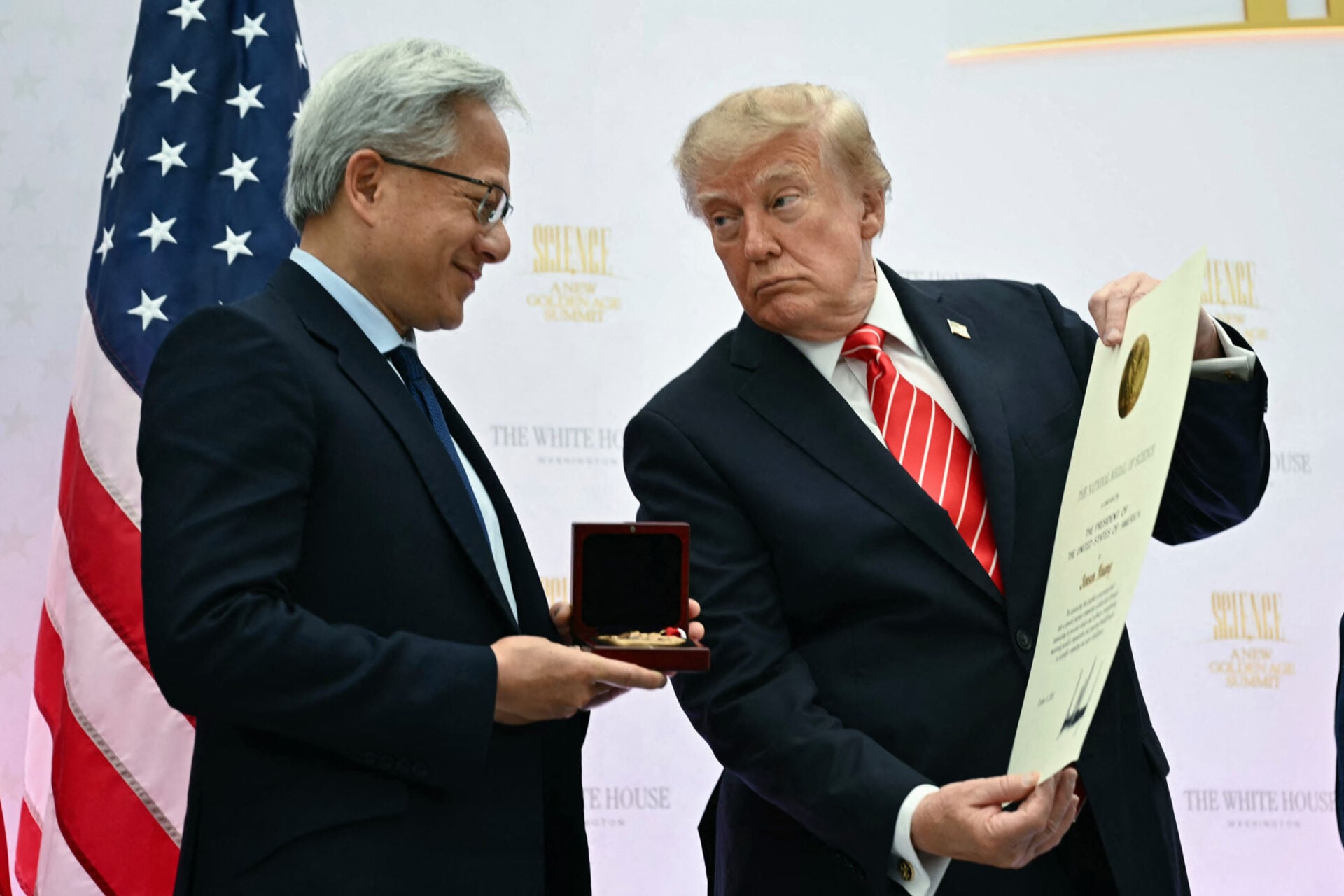
Close to Donald Trump, to whom he had become one of the go-to voices on semiconductors, Jensen Huang had even joined the US presidential council on science and technology in March 2026. A position that let him carry weight in strategic discussions around AI. The trouble is that his stances on China sometimes ran against the grain of American policy. Last May, he argued that it would be counterproductive to build two completely separate artificial intelligence ecosystems, one American and one Chinese. He had also defended the quality of AI models developed in China, arguing that American companies should be able to use them.
Jensen Huang also managed to convince Donald Trump to ease trade restrictions so that Nvidia could keep selling its chips on the Chinese market. A strategy that earned him criticism in Congress, from Republicans and Democrats alike. For his detractors, those exports risked bolstering Beijing's technological capabilities. For Jensen Huang, it was precisely the opposite: by keeping China inside the American ecosystem, the United States retained a measure of influence over its development.
Which is precisely why not everyone wants to see Jensen Huang back at the helm of Nvidia. Anthony Scaramucci, former White House communications director, reckons a petition will never be enough to make national security investigations go away. Nvidia's board, meanwhile, is said to be already looking at other candidates, among them Rene Haas, the current boss of Arm. One thing is certain: the battle for control of Nvidia may only just be getting started, with two camps and two very different sets of ideals.