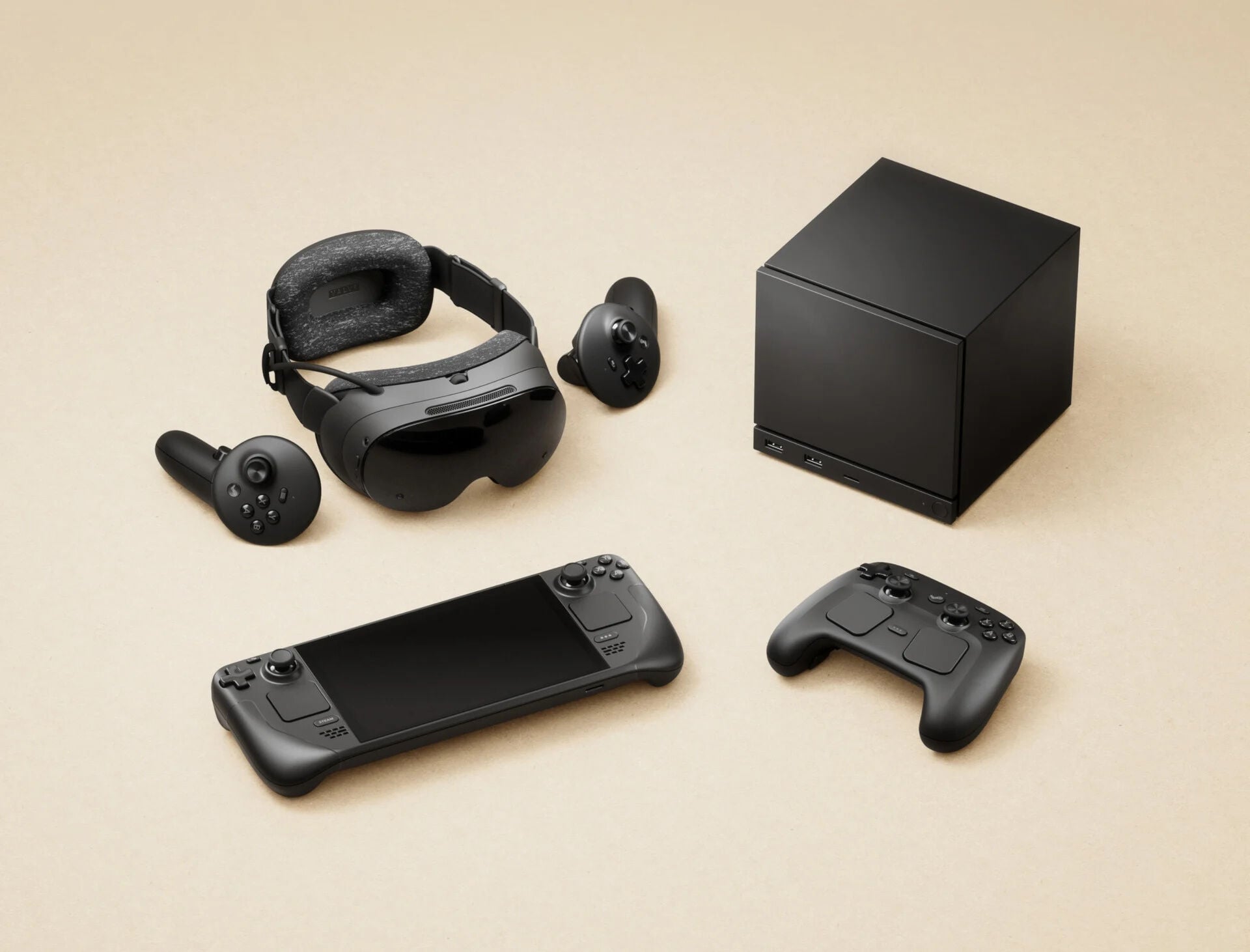

Valve has taken its sweet time, but the final piece of its new ecosystem is here at last. After the Steam Controller in May and the Steam Machine in June, it's the Steam Frame's turn to join the party. It's a standalone VR headset, now available to pre-order, with sales kicking off on 18 September — just a few days away. And as you'd expect given its ambitions, Valve hasn't exactly gone hunting for a bargain price tag. Quite the opposite.
The Steam Frame starts at €1,049 for the 256GB version, while the 1TB model climbs to €1,279 (ouch!). Prices that instantly park the headset in very premium territory and are likely to cool the enthusiasm of plenty of players curious about virtual reality. Are there any left, mind you?
A VR headset, but not only that
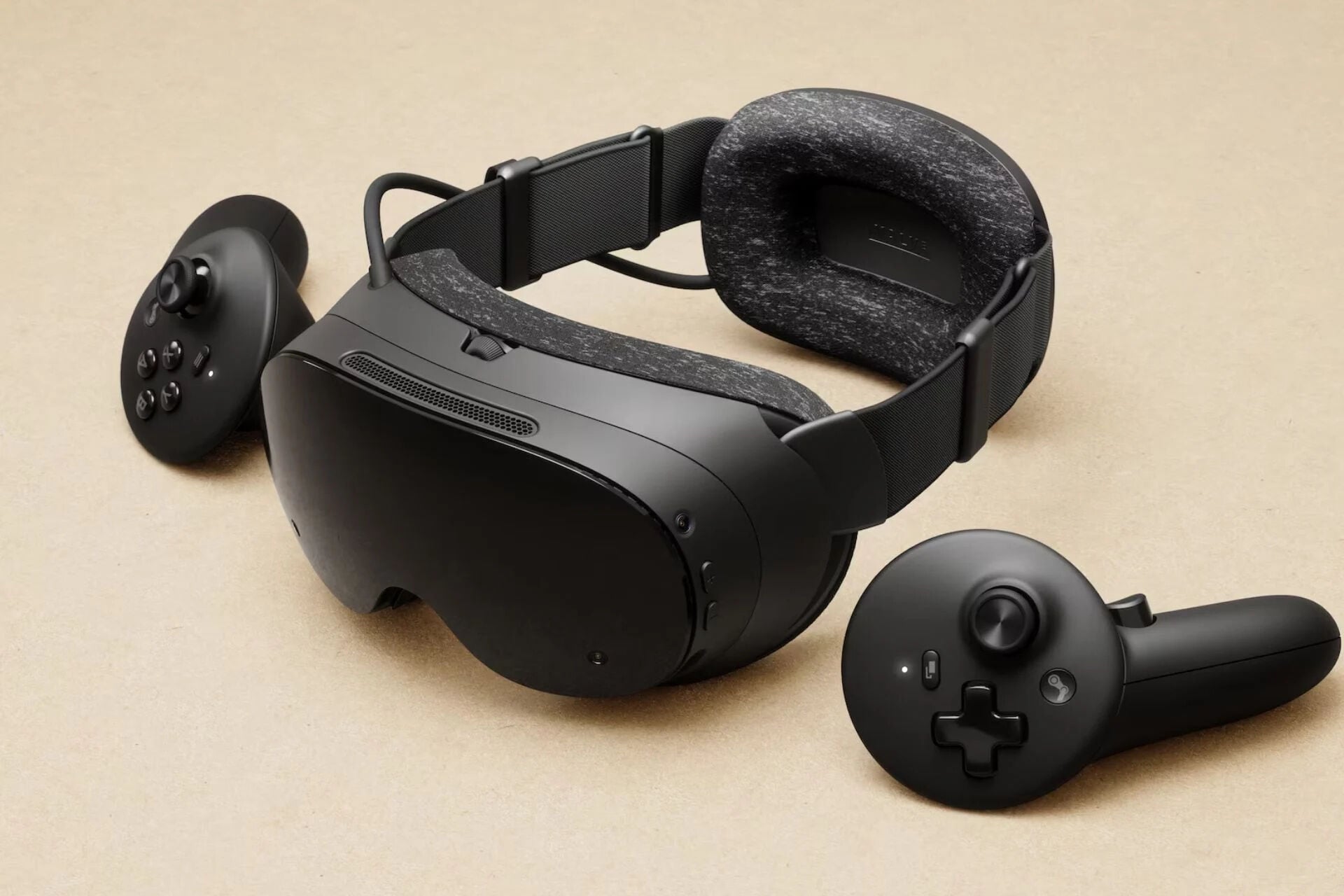
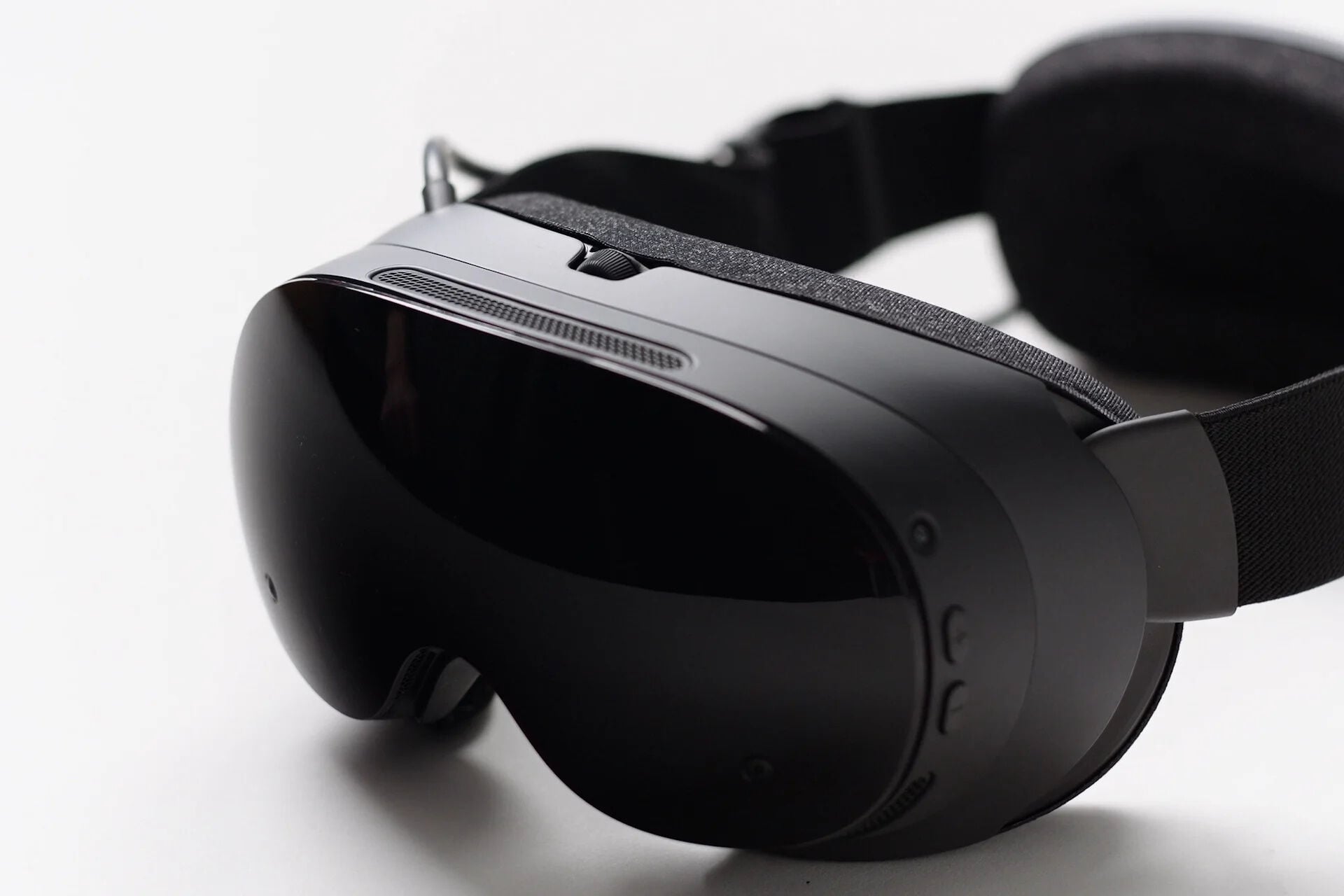
If the Steam Frame's hefty spec sheet is anything to go by, the headset wasn't conceived as a straightforward rival to the Meta Quest and its ilk. What Valve actually wants is a machine that bridges virtual reality and the vast Steam library. The headset runs standalone thanks to SteamOS, so it can launch games without being tethered to a PC, while still being able to stream more demanding titles from a sufficiently beefy machine. Under the bonnet, Valve has gone with a Snapdragon 8 Gen 3 paired with 16GB of LPDDR5X RAM. Storage comes in 256GB or 1TB flavours, expandable via microSD card. On the display side, the Steam Frame packs two 2,160 x 2,160-pixel LCD panels, one per eye, matched with pancake lenses (that's what they're called, I don't make the rules). The refresh rate goes up to 120Hz under normal conditions, with a 144Hz mode still billed as experimental.
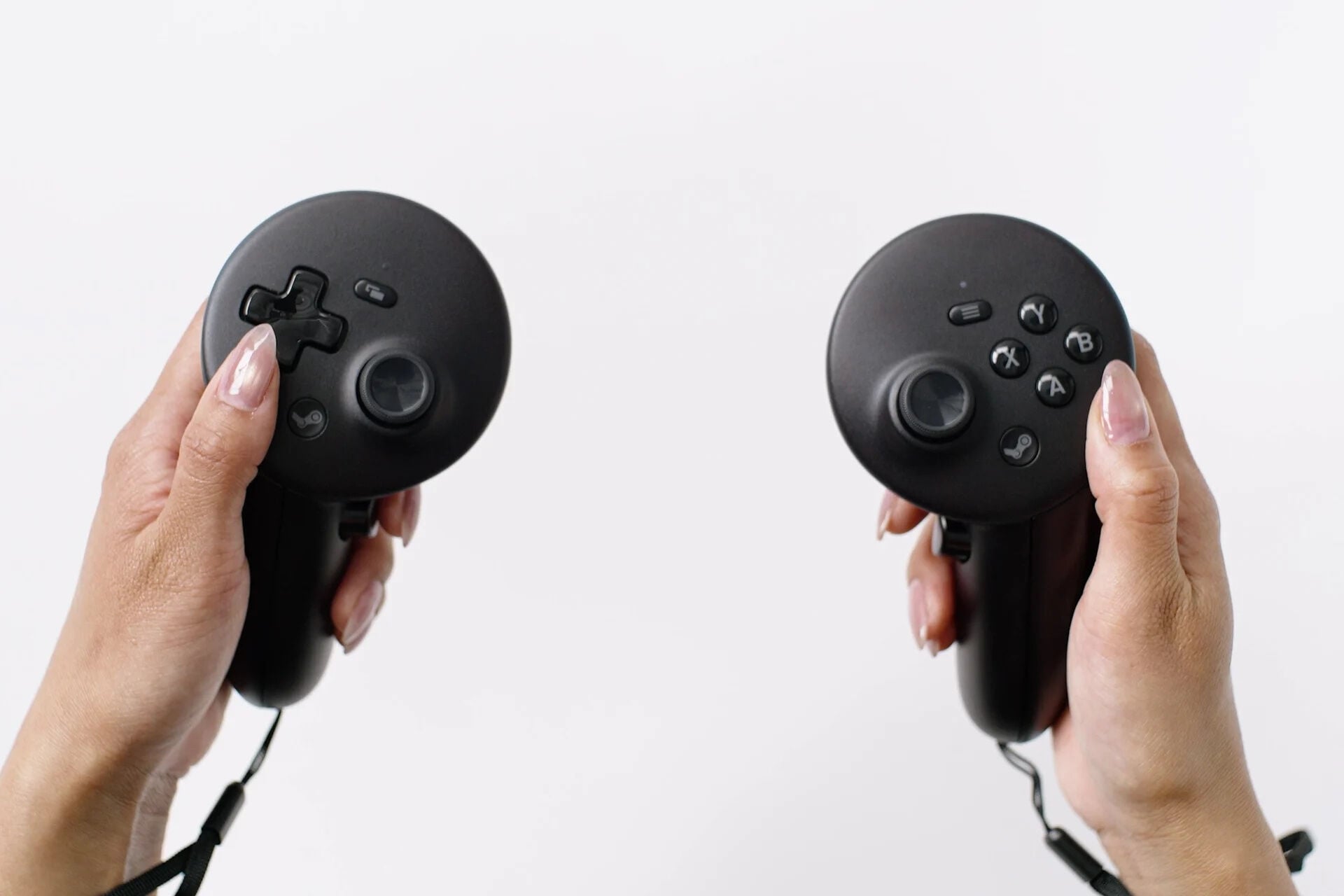
All of it sits in a headset Valve wants to be relatively light and comfortable, with a central module weighing just 185 grams and a total of around 440 grams once the whole thing is kitted out with its battery and head strap. Wi-Fi 7 and Bluetooth round out the spec sheet, while motion tracking relies on the headset's built-in cameras and gives the controllers 6 degrees of freedom.

Standalone Half-Life: Alyx as a welcome gift
Valve did have one more card to play to justify this decidedly high-end positioning: Half-Life: Alyx. Every buyer who doesn't already own the game will receive a copy with their Steam Frame. And not just any version, because Valve has built a genuine standalone edition of the game, able to run directly on the headset without a PC supplying the grunt. That's no small technical feat, since Half-Life: Alyx, originally designed to run on PC, had to be ported from x86 to the Snapdragon 8 Gen 3's ARM architecture. It's also a way for Valve to show off what its headset can do. Released in 2020, Half-Life: Alyx remains one of virtual reality's absolute benchmarks to this day, and its arrival directly on the Steam Frame says a lot about Valve's ambitions for the device.
The company has also used the time since the headset's announcement to beef up its compatibility programme. More than 130 additional games have joined the list of "Steam Frame Verified" titles, following the same principle as games certified for Steam Deck or Steam Machine.
A price that's frankly frightening
The problem, obviously, is the price. At €1,049 minimum, the Steam Frame costs more than twice a Steam Deck LCD and sits a very long way from the prices of mainstream VR headsets. Valve clearly isn't trying to force virtual reality into the mainstream by undercutting everyone. And the bill can climb higher still. The headset ships with a charger, but Valve also sells an official 45W charger for €39, a replacement comfort kit for €59 and an ergonomic accessory kit for €69. The latter adds controller lanyards, a top strap for the headset and a wider light blocker. Valve is therefore embracing a positioning very different from something like the Meta Quest: the Steam Frame comes across more as a standalone, versatile Steam machine, able to switch from traditional gaming to virtual reality, and to fall back on PC streaming when its own capabilities aren't enough.
The question now is whether this particularly ambitious proposition can win over anyone beyond the most tech-obsessed players. In a market this competitive and, let's be honest, a bit niche, everything remains to be proven. Best of luck, Valve.