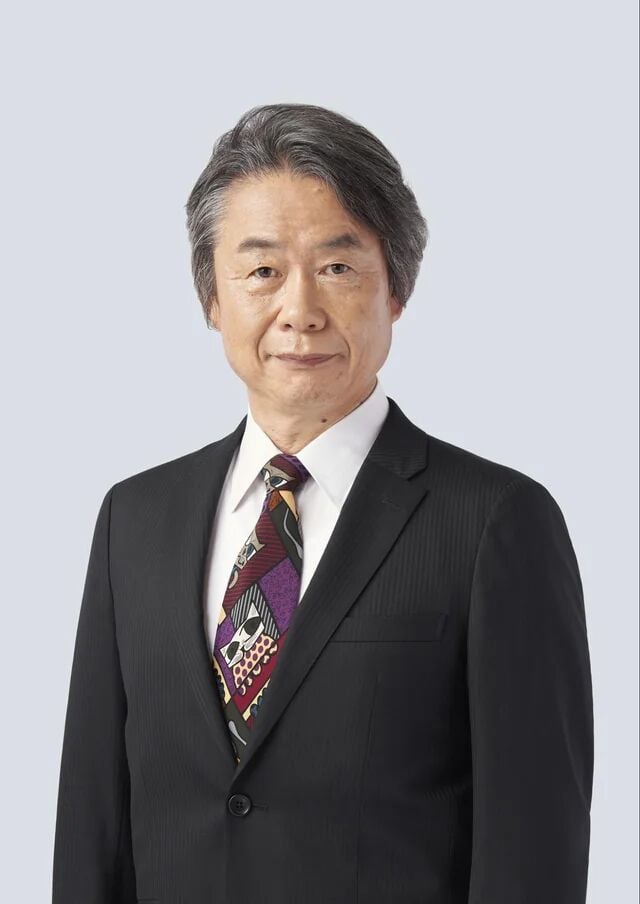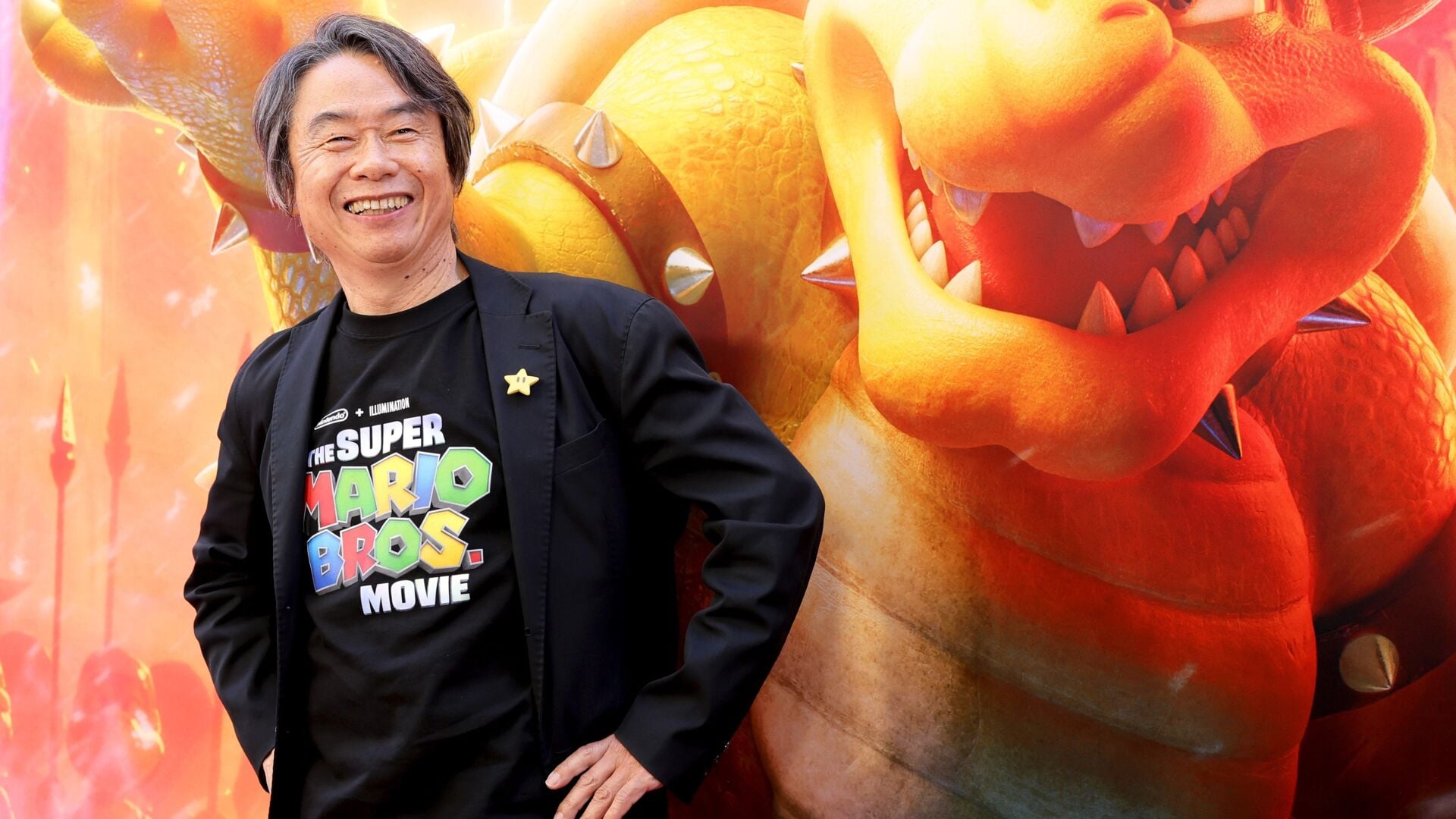

This is a historic moment of recognition for Shigeru Miyamoto and for the video game industry as a whole. On 23 October 2026, the Japanese government announced that the creator of Super Mario would receive the Order of Culture, the country's highest cultural honour. It's a first for a video game creator, coming nearly 50 years after he joined Nintendo. The award salutes an exceptional career, but also the place video games have carved out within Japanese culture.

Created in 1937, the Order of Culture has previously been bestowed on major national figures, such as the painter Yokoyama Taikan, Nobel physics laureate Hideki Yukawa and baseball legends Sadaharu Oh and Shigeo Nagashima. Seeing Shigeru Miyamoto join that list today says a great deal about how far video games have come, having long been dismissed as mere entertainment. The day before the official announcement, the Japanese creator met the press at Nintendo's headquarters in Kyoto. Visibly embarrassed by the honour, he was keen to stress that he didn't see the award as a personal achievement. “Games aren't something you create alone. They're the result of the work of a great many people,” he explained, adding that he was accepting the honour feeling that he represented everyone who has worked alongside him.
For Miyamoto, video games have become a culture in their own right
During the press conference, Shigeru Miyamoto was also asked about the place of video games in society. Having joined Nintendo in 1977, he has watched the sector evolve for almost half a century, to the point of becoming a popular pastime the world over. His answer is fairly simple: “The fact that games have become a culture means they've become something ordinary.” In other words, video games no longer need to justify their place in the cultural landscape; they're now part of everyday life, just like cinema or any other form of entertainment. And when you look at Shigeru Miyamoto's career, it's hard to argue. With Super Mario, The Legend of Zelda and Donkey Kong, the Japanese creator helped shape worlds that have left their mark on several generations of players.
This official recognition therefore arrives at a symbolic moment. Video games are now a major industry in Japan, but also a means of expression that has long since outgrown the bounds of entertainment. The fact that one of its creators is receiving such a prestigious honour shows that this shift is now acknowledged at the very highest level.
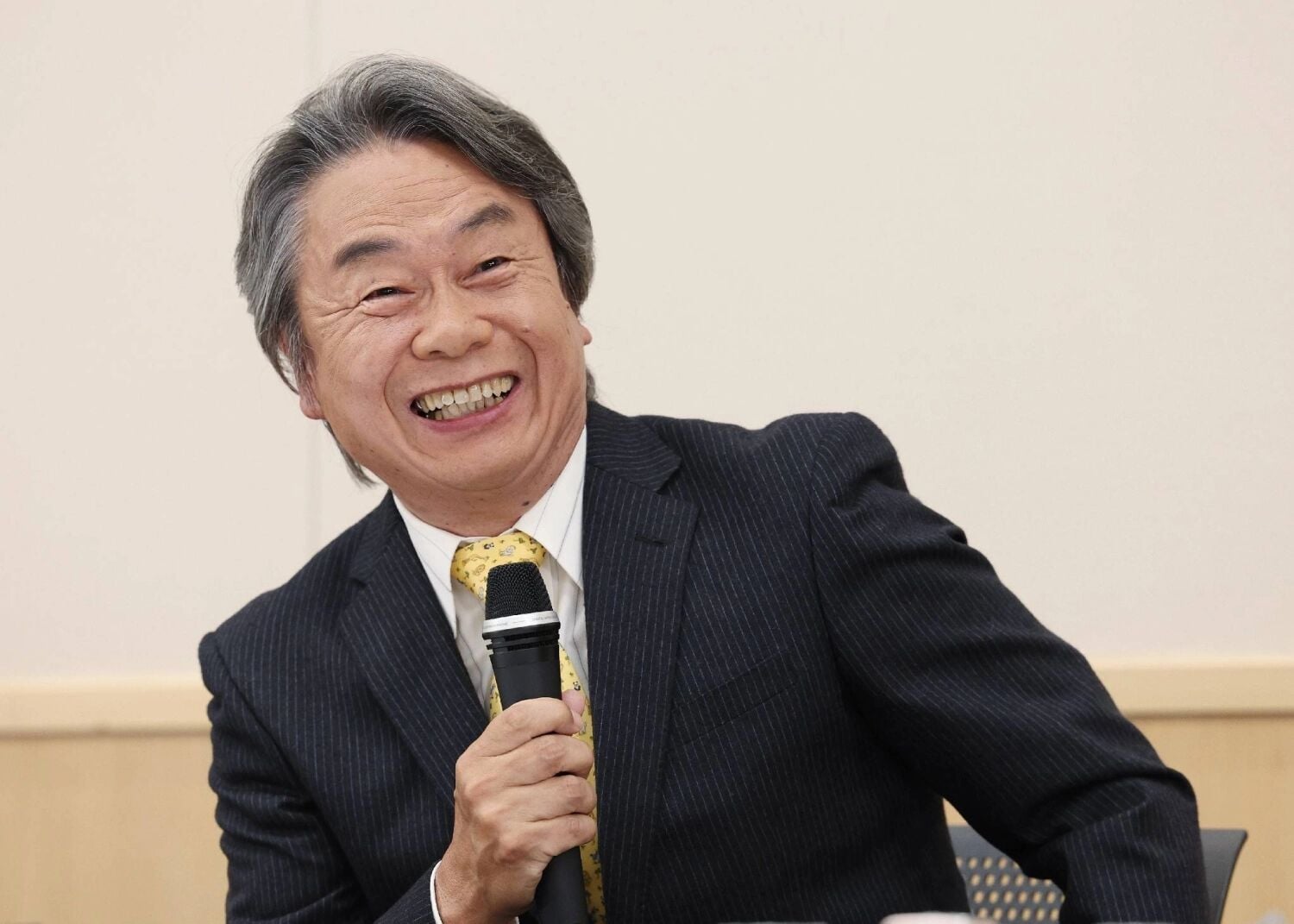
A team effort, and he pays tribute
During the meeting, Mario's creator also looked back at the people who shaped his career. He cites in particular Hiroshi Yamauchi, Nintendo's former president, who encouraged him to favour original ideas, as well as Gunpei Yokoi, the father of the Game Boy. He also mentions Shigesato Itoi, creator of the Mother series, and manga artists Fujio Akatsuka and Osamu Tezuka, whose work fed his imagination.
And for anyone who thought Shigeru Miyamoto would now settle for passing on his experience, he has other ideas. He's currently working on films with cinema professionals, but he'd also like to return to making a game. “As long as I'm motivated, I want to experiment with different things,” he explained, mentioning his desire to offer something new at Nintendo and to surprise his own teams. At 73, the Japanese creator seems far from having put his ideas away for good — and that's exactly what we needed to hear.
So what does Mr Miyamoto make of AI?
Shigeru Miyamoto also used the exchange with the press to talk about generative artificial intelligence and its potential impact on creative work. To explain his point of view, he looked back at how the designer's job has evolved alongside computing tools. There was a time when you had to master certain techniques, such as lettering, to produce attractive posters or lay out text, he explains. Then computers made a large part of the technical work much easier. It became possible to pull in images, copy text and quickly get a clean result. From that point on, what made the difference was less the ability to use the tools than the creator's eye and their ideas.
AI could therefore allow more people to focus on the creative side, rather than spending time on technical operations. Shigeru Miyamoto sees that as an interesting prospect, because these tools could push creators to better define what they want to say or what they want players to experience. That doesn't mean ideas will simply appear of their own accord, though. Having access to powerful tools isn't enough to make you a good creator. The eye, the experience and the ability to imagine something different remain essential. That's precisely what comes through in his comments: technology can make the work easier, but it doesn't replace what gives a creation its personality.